10 Trending Amazon Products Worth Checking Out
Why Trending Amazon Products Matter: Introduction and Article Outline
Amazon trends can reveal how people are changing the way they cook, clean, work, travel, and unwind at home. A product usually gains traction when it solves a familiar irritation faster, more neatly, or more affordably than older options. That is why the most interesting items are not always flashy gadgets; often, they are practical tools with broad everyday appeal. This guide looks at ten trending Amazon products and explains which ones are useful, who they suit, and what trade-offs deserve attention before you buy.
There is a reason so many shoppers watch bestseller lists, seasonal recommendations, and social media roundups before making a purchase. Amazon has become less like a simple store and more like a giant testing ground where daily habits leave clues. If compact appliances start climbing, it may reflect smaller kitchens and busier schedules. If portable chargers suddenly dominate wish lists, it often says something about travel, hybrid work, and screen-heavy routines. Still, popularity alone should never be confused with universal value. A trending product can be genuinely helpful, slightly overrated, or perfect only for a narrow kind of user. That is where careful comparison matters.
To make this article practical, the ten products are grouped by how they fit into daily life rather than by price or brand. Here is the outline you can expect:
• Smart home and everyday tech: robot vacuum and mop combos, smart plugs, ring light and phone tripod kits, and high-capacity power banks.
• Kitchen and drink trends: air fryers, portable blenders, handheld milk frothers, and insulated tumblers.
• Travel, organization, and rest: packing cubes and white noise machines.
• Final buying guidance: how different shoppers can choose wisely without getting swept away by short-lived hype.
The aim is not to crown one item as the only correct choice, because shopping is rarely that simple. A parent with a crowded living room, a student in a dorm, a commuter carrying three devices, and a traveler living out of a carry-on will see very different value in the same product. By the end, you should have a clearer sense of which trends are rooted in real usefulness and which ones are better admired from a safe distance. In a marketplace built to encourage quick clicks, a little pause and perspective can save both money and storage space.
Smart Home and Everyday Tech Picks That Keep Gaining Attention
The first cluster of trending Amazon products sits at the intersection of convenience and low-effort problem solving. Robot vacuum and mop combos remain popular because they address one of the most persistent household complaints: floors get dirty again almost immediately. For apartments, pet-owning households, and anyone trying to reduce weekend cleaning time, these machines can be genuinely helpful. They do not replace a deep clean, especially on stairs, corners, or thick rugs, but they can reduce the frequency of manual sweeping. Compared with a standard stick vacuum, a robot model wins on automation and routine upkeep, while the stick vacuum still wins on control, suction in tight spaces, and speed when a mess is sudden. The best reason to consider a robot vacuum is not perfection; it is consistency.
Smart plugs are another trend that keeps earning shelf space because they offer a cheap entry point into home automation. Instead of rebuilding your home around a full smart system, you can add basic scheduling or voice control to lamps, fans, coffee makers that use physical switches, and seasonal lights. The appeal is simple: small cost, noticeable convenience. Compared with a full smart home hub, smart plugs are easier to install and easier to justify. Their limitations are equally clear. They will not make a non-smart device perform new functions beyond on and off control, and they depend on a stable wireless connection.
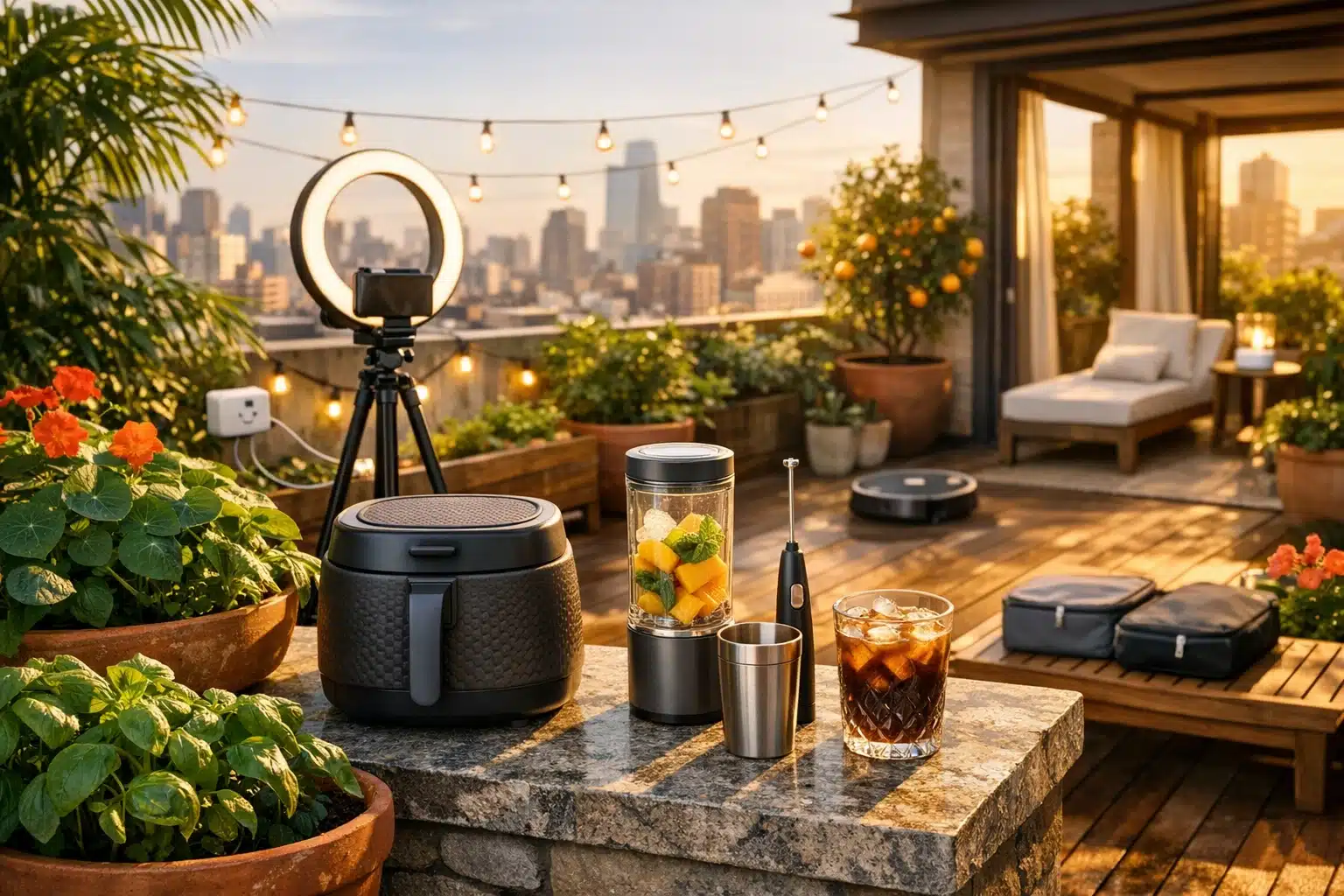
Two more products round out this tech group in a very modern way. Ring light and phone tripod kits have become staples for remote workers, creators, online tutors, and casual video callers who are tired of dim lighting and awkward camera angles. Good lighting can make a webcam look significantly better without upgrading the camera itself, which is why these kits often outperform more expensive purchases in practical value. A ring light is not magic, though. Natural light still tends to look softer and more flattering when available, while a ring light brings consistency when daylight is not on your side.
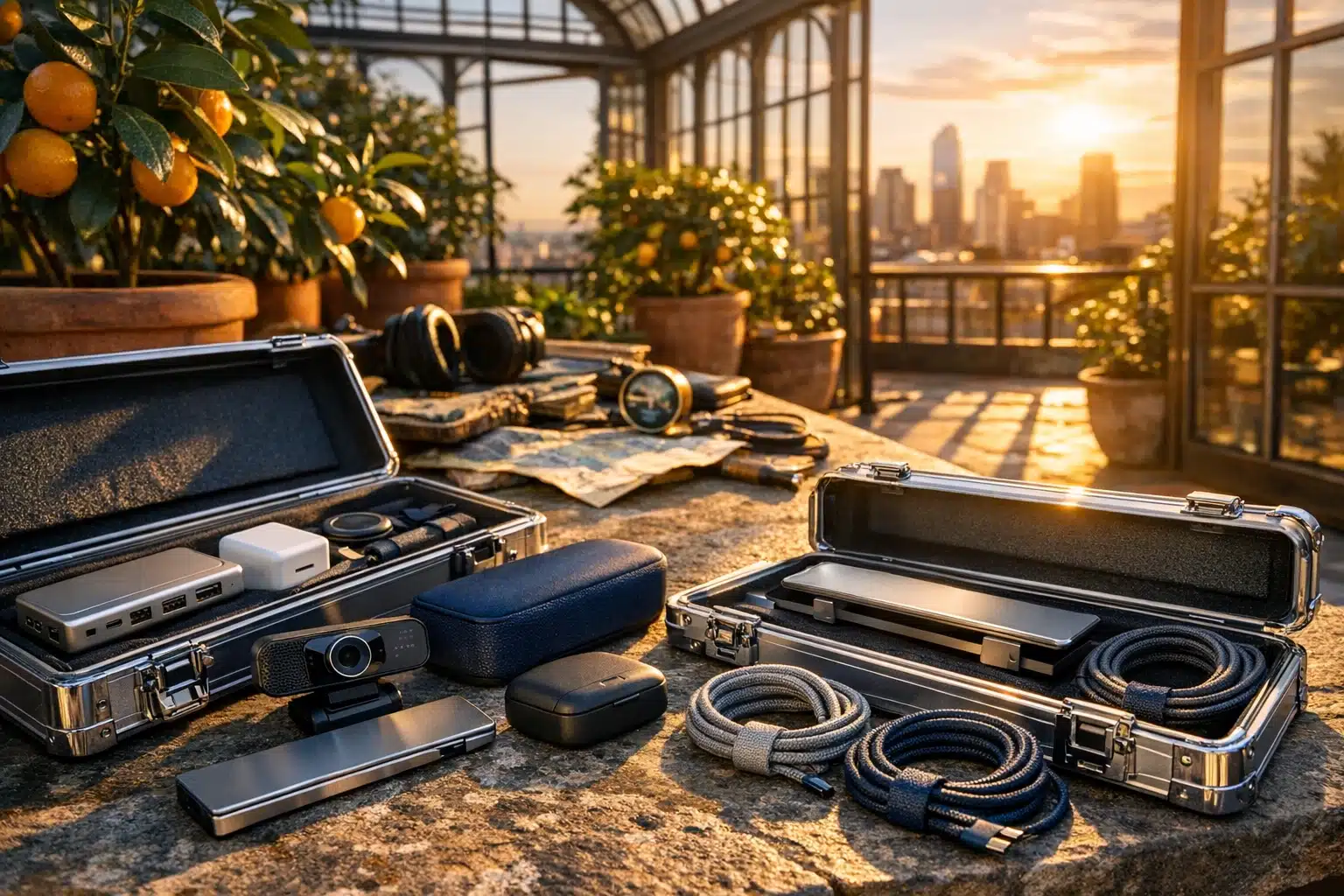
Then there are high-capacity power banks, the quiet heroes of travel days, long commutes, festivals, and airports with mysteriously occupied wall outlets. Their popularity makes sense in a world where one dead battery can disrupt maps, tickets, payments, and communication. When comparing models, shoppers should focus on capacity, charging speed, weight, and port selection rather than dramatic marketing language. A slim power bank is easier to carry, while a larger unit is better for multi-device users. Together, these four products show a common theme in Amazon trends: people are not just buying gadgets, they are buying smoother routines.
Kitchen Products Shoppers Keep Adding to Cart
If the tech section is about reclaiming time, the kitchen section is about reclaiming flexibility. Air fryers continue to trend because they align with how many people actually cook now: fast, portion-based meals with minimal cleanup. An air fryer uses circulating hot air to brown food more quickly than a conventional oven in many everyday cases, and it often requires less oil than deep frying. That combination helps explain its staying power. It is especially useful for reheating crispy foods, roasting vegetables, cooking frozen snacks, and making small batches without heating the entire kitchen. Compared with an oven, an air fryer usually preheats faster and feels more efficient for one or two people. Compared with deep frying, it is cleaner and simpler, though it does not perfectly replicate the same texture every time. Capacity is the key trade-off. A compact model suits a solo user, but a larger household may outgrow a small basket almost immediately.
Portable blenders have also moved from novelty territory into mainstream curiosity. Their appeal is rooted in mobility: you can mix protein shakes, smoothies, and light drinks without hauling out a full countertop appliance. For office workers, gym users, students, and travelers, that is compelling. Still, expectations matter. A portable blender is excellent for soft fruit, powders, yogurt, and pre-cut ingredients, but it is generally weaker than a full-size blender when faced with dense frozen produce or hard ingredients. In other words, it is a convenience tool, not a replacement for a serious kitchen machine. The people who end up loving portable blenders tend to be those who value cleanup speed and portability more than raw blending power.
Handheld milk frothers are another small product with outsized visibility. They are inexpensive, easy to store, and instantly make coffee rituals feel more polished. A frother can aerate milk for cappuccino-style foam, mix matcha, or blend powdered drinks without much fuss. Compared with an espresso machine steam wand, a handheld frother is cheaper and less intimidating, though it offers less control over milk texture and temperature. For casual coffee drinkers, that trade-off is often perfectly acceptable.
Finally, insulated tumblers remain trending because hydration products now sit at the crossroads of utility, routine, and personal style. People want drinks to stay cold or warm longer, and double-wall insulation helps. Compared with standard plastic bottles, insulated tumblers generally do a better job with temperature retention and condensation control. The choice comes down to size, lid design, cup-holder compatibility, and cleaning ease. This group of products succeeds for a simple reason: each one turns a repetitive daily task into something faster, neater, or more enjoyable.
Travel, Organization, and Better Rest: Smaller Trends With Big Everyday Impact
Not every trending Amazon product needs a motor, screen, or app to earn attention. Some of the most steadily popular items are plainspoken problem solvers, and packing cubes are a perfect example. At first glance, they can look like the kind of travel accessory people buy after watching one too many packing videos. In practice, they are useful because they bring structure to a suitcase in a way that loose folding rarely does. Shirts stay separated from shoes, underlayers stop drifting across the bag, and unpacking at a hotel or guest room becomes much simpler. Frequent travelers like them because they reduce visual chaos; occasional travelers appreciate them because they make packing feel less rushed. Compared with compression bags, packing cubes are usually easier to access and repack, while compression systems can save more space for bulkier clothing. The trade-off is obvious: cubes organize better than they compress. That is still enough to make them popular for weekend trips, business travel, family vacations, and even closet storage at home.
The beauty of packing cubes is that they solve multiple little frustrations at once. They can help you group outfits by day, separate clean and worn clothing, and keep chargers or toiletries from disappearing into the corners of a bag. Their popularity also reflects a wider consumer trend toward modular organization. Shoppers increasingly want products that reduce friction without demanding lifestyle reinvention. Packing cubes fit that mood perfectly. They are low-risk, easy to understand, and immediately useful, which is exactly the kind of product that tends to gather strong momentum on Amazon.
White noise machines follow a similar path, though they serve a different need. Sleep has become a serious consumer category, and many shoppers are looking for non-complicated ways to create a calmer bedtime environment. White noise machines appeal to parents, apartment dwellers, light sleepers, shift workers, and travelers trying to block inconsistent background sounds. The main advantage over a phone app is consistency. A dedicated device does not drain your phone battery overnight, interrupt itself with notifications, or tempt you into late-night scrolling. Compared with a fan, a white noise machine gives more control over volume and sound type, though some people still prefer the airflow and simplicity of a fan.
These two products show that trends are not always driven by spectacle. Sometimes they rise because they quietly remove tiny annoyances that repeat every week. A suitcase that is easier to manage and a bedroom that feels less acoustically chaotic may not sound dramatic, but they often deliver the sort of satisfaction that flashier purchases fail to match. That practical payoff is a major reason smaller utility products keep showing up in shopping carts long after their first viral moment.
Conclusion for Shoppers: How to Choose Trending Products Without Regret
For the average Amazon shopper, the smartest takeaway from these ten trending products is not that you need all of them. It is that trends become meaningful only when they connect to a real habit, frustration, or routine in your own life. A robot vacuum makes sense if floor upkeep is a recurring battle. A smart plug is useful when you want easier control over lighting or small appliances without rebuilding your home. An air fryer earns its keep when you cook quick meals often enough to justify countertop space. Packing cubes matter when you travel frequently or dislike suitcase chaos. The product should fit the problem, not the other way around.
Different shoppers will naturally gravitate toward different categories. Remote workers and creators may get the most value from a ring light and phone tripod kit, a power bank, and an insulated tumbler that survives long desk sessions. Busy families may appreciate a robot vacuum, an air fryer, and a white noise machine for the way those items support rhythm and reduce friction. Students and commuters might prefer portable blenders, compact chargers, and affordable smart plugs. Travelers will likely see the strongest case for power banks, packing cubes, and reusable drinkware. There is no universal winner because usefulness is always contextual.
Before buying any trending item, it helps to pause for a quick reality check:
• Ask what recurring inconvenience the product is meant to solve.
• Check size, battery life, capacity, and noise level rather than relying on a polished product title.
• Read recent reviews for durability patterns, not just star averages.
• Compare the product with the tool you already own, because an upgrade is only worthwhile if it changes daily use in a noticeable way.
• Avoid buying bundles simply because they appear to save money; extra accessories often become drawer filler.
The most worthwhile Amazon finds usually share a modest trait: they respect your time. Whether that means cleaner floors, faster lunches, tidier luggage, better video calls, or fewer dead batteries, their value comes from repeated use, not the excitement of unboxing day. If you approach trends with curiosity instead of urgency, you can separate lasting utility from passing hype. That is the real advantage of shopping well. You do not just buy what is popular; you understand why it is popular, and whether it belongs in your life.