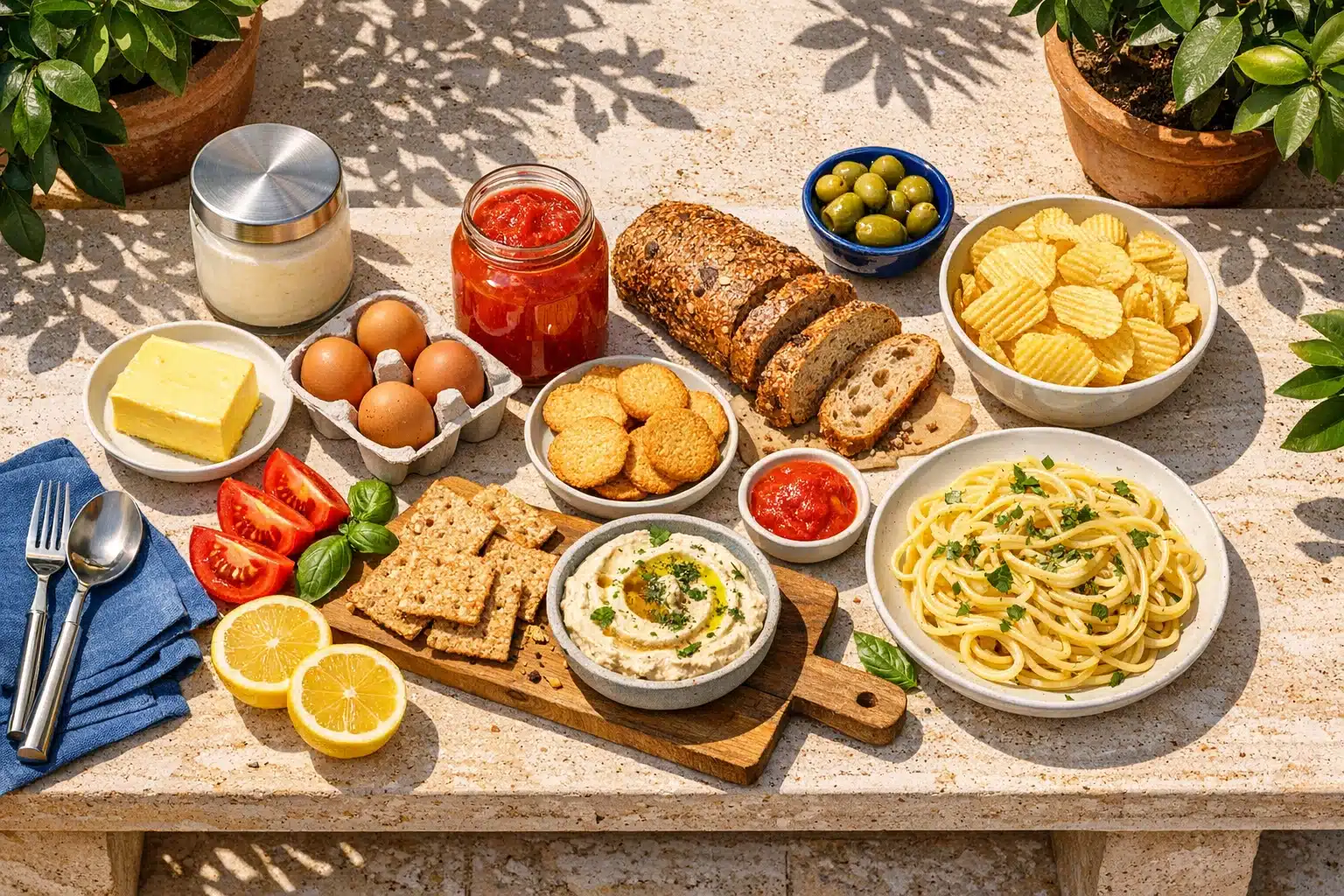
15 Premium Food Brands People Have Stopped Buying
Why Premium Food Is Losing Its Automatic Appeal
Premium food used to feel like a small, reliable luxury: the fancy butter for Saturday pancakes, the ice cream with the gold lid, the pasta sauce that made a weeknight dinner taste a little less rushed. Lately, that glow has dimmed. With grocery prices still pinching budgets and store brands getting smarter, many shoppers are no longer asking, “Is this premium?” but “Is it worth it?” That quiet change is reshaping the modern grocery cart.
Before naming specific brands, it helps to understand what is really happening. This is not a neat story about consumers suddenly rejecting quality. It is more accurate to say that shoppers have become choosier, more skeptical, and far more disciplined. A premium label once had the power to end the debate in the aisle. Now buyers compare unit prices, scan ingredient panels, read reviews, and notice when a jar, loaf, or pint seems to cost more while delivering less.
The shift also reflects broader market changes. Food inflation in the early 2020s trained consumers to think in trade-offs. At the same time, private-label grocery lines improved their packaging, taste, and ingredient quality. In many categories, the gap between “premium national brand” and “good store brand” narrowed enough to make the premium hard to justify as an everyday purchase.
Here is the outline this article follows:
- Why premium brands are losing some of their old pull
- Five dessert and dairy names people increasingly buy less often
- Five pantry and snack brands facing tougher comparison shopping
- Five convenience and wellness-oriented labels that now feel easier to skip
- What these changes reveal about how smart shoppers buy food today
Another reason this topic matters is cultural, not just financial. Food branding has always sold a story: indulgence, purity, craft, heritage, wellness, or aspiration. But when budgets tighten, stories face a harder test. If the taste difference is minor, if the portion seems smaller, or if a cheaper competitor looks nearly as good, the premium aura fades fast. In that sense, the cart has become a kind of jury box. Every item now has to defend its place with flavor, consistency, nutrition, convenience, or all four at once.
Five Premium Dessert and Dairy Brands Shoppers Often Leave Behind
Among the first premium foods many people cut back on are the ones that live in the “treat” zone. They are enjoyable, familiar, and often genuinely good, but they are also easy to classify as optional. That matters when the weekly grocery total starts climbing faster than anyone likes.
Häagen-Dazs is a classic example. For years, it represented a dependable form of indulgence: rich texture, simple flavors, and a slightly elevated feel. But premium ice cream has become a crowded field. Store brands, regional dairies, and other upscale labels now offer dense, creamy pints at similar or lower prices. For some consumers, the question is no longer whether Häagen-Dazs tastes good. It is whether that familiar luxury still stands far enough above the competition to justify the cost.
Ben and Jerry’s faces a related problem from a different angle. Its brand identity is built on playful flavors and loaded mix-ins, which still appeal to many loyal fans. Yet heavily packed pints can feel more like occasional entertainment than a staple dessert. Shoppers trying to lower sugar intake or simply manage spending may decide that a premium pint full of chunks and swirls belongs in the “special occasion” category rather than the freezer every week.
Talenti gained attention by making gelato feel mainstream and elevated at the same time. The clear jar, sleek branding, and smoother texture did real work on the shelf. Still, gelato has become less novel, and many supermarkets now sell premium frozen desserts with comparable flavor profiles. Once the novelty fades, the higher ticket price becomes more visible.
Dairy staples tell a similar story. Kerrygold butter remains admired for its rich taste and higher butterfat, but it is also a product many households now reserve for baking, holidays, or a single signature dish. Everyday toast, sautéing, and sandwiches often get assigned to more affordable butter. Vital Farms, especially in eggs and butter, also sits in this delicate zone. Its pasture-raised promise resonates with consumers who care about sourcing, yet egg price shocks taught shoppers a blunt lesson: when the category itself gets expensive, the premium tier becomes even easier to skip.
In short, these five brands are not necessarily being rejected because quality disappeared. They are being reconsidered because dessert and dairy are where many households now practice selective indulgence.
Five Premium Pantry and Snack Brands That No Longer Feel Essential
Pantry items create a different kind of pricing tension because they are often bought in routine, not celebration. A shopper may splurge once in a while on ice cream, but pasta sauce, chips, cookies, condiments, and crackers face constant comparison. When premium labels drift too far from the mainstream price point, consumers notice quickly.
Rao’s Homemade is one of the most discussed examples. Many home cooks still praise its sauce for balanced seasoning, texture, and a short ingredient list. But its shelf price has long made people pause. As more mid-priced and private-label sauces improved, shoppers who once bought Rao’s automatically began asking a harder question: can I get 80 or 90 percent of the experience for far less? For a growing number of families, the answer is yes, especially when they add their own garlic, herbs, or olive oil at home.
Sir Kensington’s built its reputation on upscale condiments that felt cleaner, sharper, and more modern than legacy ketchup and mayonnaise. The challenge is that condiments are notoriously easy to rationalize downward. A household may admire premium mayo in theory, then reach for the cheaper jar because it will mostly disappear into sandwiches, dressings, and burgers anyway.
Tate’s Bake Shop is another brand people increasingly view as a treat rather than a pantry regular. Its thin, crisp cookies have a distinctive texture, but cookies are one of the easiest categories for shoppers to downgrade without feeling deprived. Bakery-store offerings, private labels, and even club-size alternatives often win on sheer value.
Kettle Brand helped popularize the idea that chips could feel more artisanal and more satisfying than standard thin-cut potato chips. That advantage has narrowed. Many retailers now have kettle-cooked store brands that are crunchy, well-seasoned, and notably cheaper. Once a premium format becomes widely copied, the original often loses some pricing power.
Siete Foods, known for grain-free chips, tortillas, and related products, speaks to modern dietary preferences and ingredient-conscious shoppers. Yet niche health positioning can be fragile in a tight economy. If not everyone in the household follows that eating style, the brand can start to feel like a costly specialty rather than a practical staple.
These pantry brands show how quickly premium status can erode when three things happen at once:
- cheaper substitutes become good enough
- the product is easy to customize at home
- the category is bought frequently enough for price differences to add up
In everyday shopping, “good enough” is often the most powerful competitor of all.
Five Convenience and Wellness Brands Consumers Buy Less Often Now
If premium pantry brands face comparison shopping, convenience and wellness brands face something even tougher: scrutiny from both directions. Budget-focused shoppers question the price, while health-conscious shoppers increasingly question the halo. That combination has made several once-buzzy labels easier for consumers to leave on the shelf.
Amy’s Kitchen built loyalty around vegetarian and organic frozen meals, soups, and comfort foods that offered a cleaner image than old-school frozen dinners. For years, the brand lived in a sweet spot between convenience and conscience. But frozen meals are still, at heart, convenience products, and that means shoppers compare them against cheaper store brands, meal prep, or takeout deals. When a single frozen entrée starts to feel expensive for its size, even fans begin buying it less often.
Annie’s Homegrown benefited from being a gentler, friendlier alternative in categories like macaroni and cheese, snacks, and pantry basics. Its organic and natural cues still matter to many parents, yet family budgets have a way of flattening ideals into math. If several boxes are needed for a week’s worth of lunches or dinners, a lower-cost brand can win even when Annie’s retains stronger emotional appeal.
Applegate sits at the intersection of convenience, protein, and cleaner-label messaging. The difficulty is that deli meat, bacon, hot dogs, and frozen proteins are already premium-priced in many stores before a natural or organic markup is added. Shoppers who want to spend less, or who are cutting back on processed meats in general, may reduce Applegate purchases for practical as well as nutritional reasons.
Dave’s Killer Bread remains a recognizable name in premium bread, often praised for texture, seeds, and protein content. But bread is one of the most price-sensitive foods in a household. If a premium loaf costs dramatically more than a solid bakery loaf or supermarket alternative, consumers often reserve it for a particular preference rather than daily use. It becomes the bread you love, not the bread you always buy.
Simple Mills reflects the rise of alternative flours, gluten-free innovation, and “better-for-you” snacking. Yet almond-flour crackers, baking mixes, and cookies can feel expensive quickly, especially when box sizes look modest. Wellness positioning can open the door, but it does not close the sale anymore. People increasingly want proof in taste, satiety, and value, not just a clean-looking box.
Together, these brands reveal a bigger truth: premium convenience only works when shoppers believe the product saves enough time, tastes distinctly better, or aligns strongly enough with their priorities to justify the premium every single trip. More often now, they decide it does not.
What Today’s Grocery Shopper Really Wants From Premium Brands
If there is a single lesson behind these 15 brands, it is not that premium food is finished. It is that premium food has to work harder. The old formula, where upscale packaging and a strong reputation automatically earned loyalty, is weaker than it used to be. Shoppers now apply a stricter filter, and that filter is not only about money. It is also about trust, usefulness, and whether the product still feels special once the novelty wears off.
The brands in this article are very different from one another, but they tend to run into the same objections. A premium price is easier to accept when the quality difference is obvious in one bite, one spoonful, or one meal. It is much harder to defend when the improvement is subtle, the portion looks smaller, or a store-brand version has quietly gotten much better. In other words, premium no longer wins by default; it has to be visible, repeatable, and easy to explain.
Consumers also seem more willing to split their habits into tiers. They may still buy one beloved premium sauce, butter, or bread, but only for weekends, guests, or favorite recipes. Everything else shifts to lower-cost alternatives. That is an important distinction. Many people have not sworn off these brands forever. They have simply demoted them from routine purchases to occasional buys.
What buyers reward most today often comes down to a few practical tests:
- Does it taste clearly better than cheaper competitors?
- Is the ingredient quality noticeable, not just marketable?
- Will the package size and price still feel fair next month?
- Does it solve a real problem, such as saving time or fitting a specific diet?
For readers who enjoy premium food but feel stretched at checkout, the smartest move is not total austerity. It is selectivity. Keep the items that genuinely improve your meals and release the ones that only improve the label in your cart. That may mean buying Kerrygold for holiday baking, Rao’s for one favorite pasta night, or Ben and Jerry’s when you actually want that exact pint and not just a sugar fix after a long Tuesday.
The modern shopper is not less discerning than before. If anything, the opposite is true. People are simply less interested in paying extra for prestige alone. In a grocery store full of polished promises, that may be the most sensible premium standard of all.