2-Night Mini Cruise from Hull to Amsterdam
A 2-night mini cruise from Hull to Amsterdam sits in a sweet spot between a weekend away and an adventure at sea. You leave the Yorkshire coast in the evening, sleep on board, spend the next day exploring canals, museums, markets, and cafés, then sail home overnight. For couples, friends, and first-time ferry travelers, it offers a practical way to break routine while keeping planning simple, travel time productive, and the journey itself part of the fun.
Outline
- The basic structure of a 2-night mini cruise and why it remains popular for short breaks.
- What to expect on board, from check-in and cabins to dining, entertainment, and comfort.
- How to make the most of limited time in Amsterdam with realistic sightseeing plans and local comparisons.
- Typical costs, optional extras, and how the trip compares with flying, rail travel, or a longer stay.
- Practical planning advice, common mistakes to avoid, and a conclusion for travelers deciding whether this break suits them.
How a 2-Night Mini Cruise from Hull to Amsterdam Works
A 2-night mini cruise from Hull to Amsterdam is designed for travelers who want a short break with minimal logistical friction. In practical terms, the trip usually involves boarding in Hull in the late afternoon or evening, sailing overnight to the Netherlands, traveling onward to Amsterdam for a day visit, and returning to the ship that same evening for the overnight trip back to England. Although people often describe it as a cruise to Amsterdam, the ferry typically arrives at Europoort, near Rotterdam, with coach or transfer options continuing to Amsterdam. The exact schedule can vary by season and operator, so checking current timings matters, but the overall pattern is remarkably straightforward.
That simplicity is a major reason the route has stayed relevant. For many travelers in northern England, Hull is easier to reach than a major airport, especially if they are driving from Yorkshire, Lincolnshire, the North East, or parts of the Midlands. Instead of budgeting for airport parking, early-morning departures, strict liquid rules, and hotel check-ins at both ends, passengers board once, settle into a cabin, and let the voyage do the work. There is also a psychological advantage here: the holiday starts when the ship leaves port, not when you finally reach your destination.
The format suits several kinds of travelers:
- Couples looking for a compact romantic break.
- Friends planning a social weekend with a different atmosphere.
- Older travelers who prefer a gentler pace than air travel can offer.
- First-time visitors to Amsterdam who want an easy introduction to the city.
Compared with a same-length city break by air, the mini cruise trades speed for atmosphere. Flying can deliver more time on the ground, but it often compresses the enjoyable part of travel into a narrow window. The ferry option stretches the experience, making the crossing itself part of the attraction. Compared with a longer cruise holiday, however, this route is far more accessible in both time and cost. You are not committing to a week away, multiple ports, or formal cruise expectations. It is closer to a floating weekend base with a European city at its center.
For many people, that balance is the core appeal. You get a sense of departure, a cabin of your own, sea views, an evening on board, and a day in Amsterdam without needing extensive planning. It is not the right choice for travelers who want maximum time in museums or nightlife that extends into the early hours, but for those who value convenience, novelty, and a clear itinerary, it delivers a surprisingly rich short escape.
On Board the Ferry: Cabins, Food, Entertainment, and the Feel of the Journey
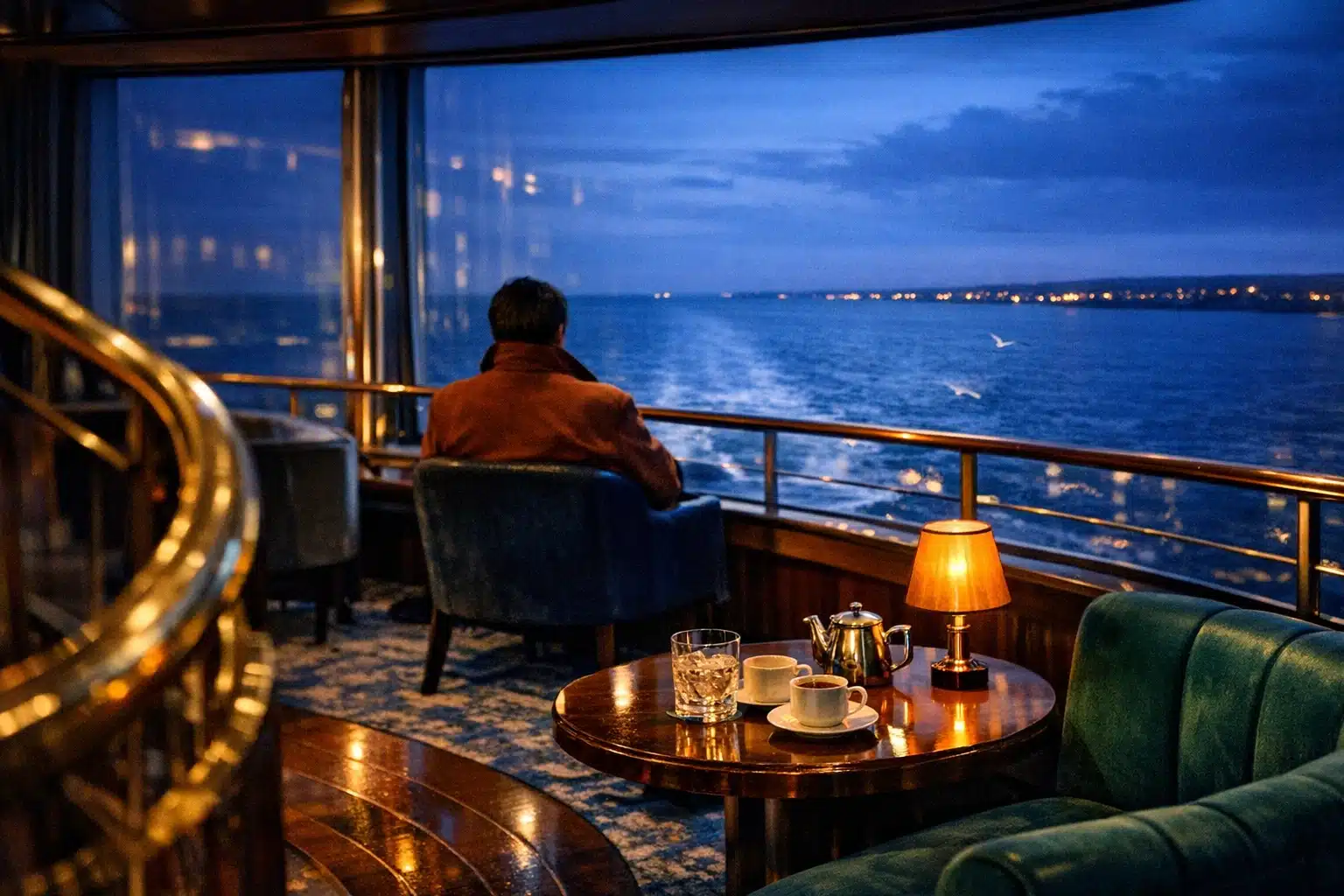
The on-board experience shapes the entire trip, because on a mini cruise the ship is not just transport; it is also your hotel, restaurant district, and evening venue. After check-in at Hull, passengers usually board with enough time to find their cabin, explore public areas, and watch departure. There is a particular mood to that moment. The ship eases away from the dock, the lights of the city begin to thin out, and suddenly the ordinary week is behind you. Even travelers who usually focus only on destinations often find that the crossing creates its own kind of anticipation.
Cabins vary by category, but most travelers on mini cruises choose practical en suite rooms designed for sleeping rather than lingering all day. Standard inside cabins are often the most economical choice, while sea-view or premium cabins add more light and a little more breathing space. For a short route, the upgrade question depends less on luxury and more on personal comfort. If you are mainly using the room to shower and sleep, a basic cabin can be completely adequate. If you value natural light, extra room, or a quieter atmosphere, paying more may feel worthwhile.
Dining also plays a larger role than first-time passengers often expect. Most ships on this route offer a mix of casual and more substantial options, typically including buffet dining, bars, cafés, and quick snacks. Availability can change, but the pattern is familiar:
- A buffet or main restaurant for dinner and breakfast.
- A bar or lounge area for drinks and evening conversation.
- A coffee stop for a gentler start to the morning.
- Occasional entertainment spaces with music, games, or seasonal events.
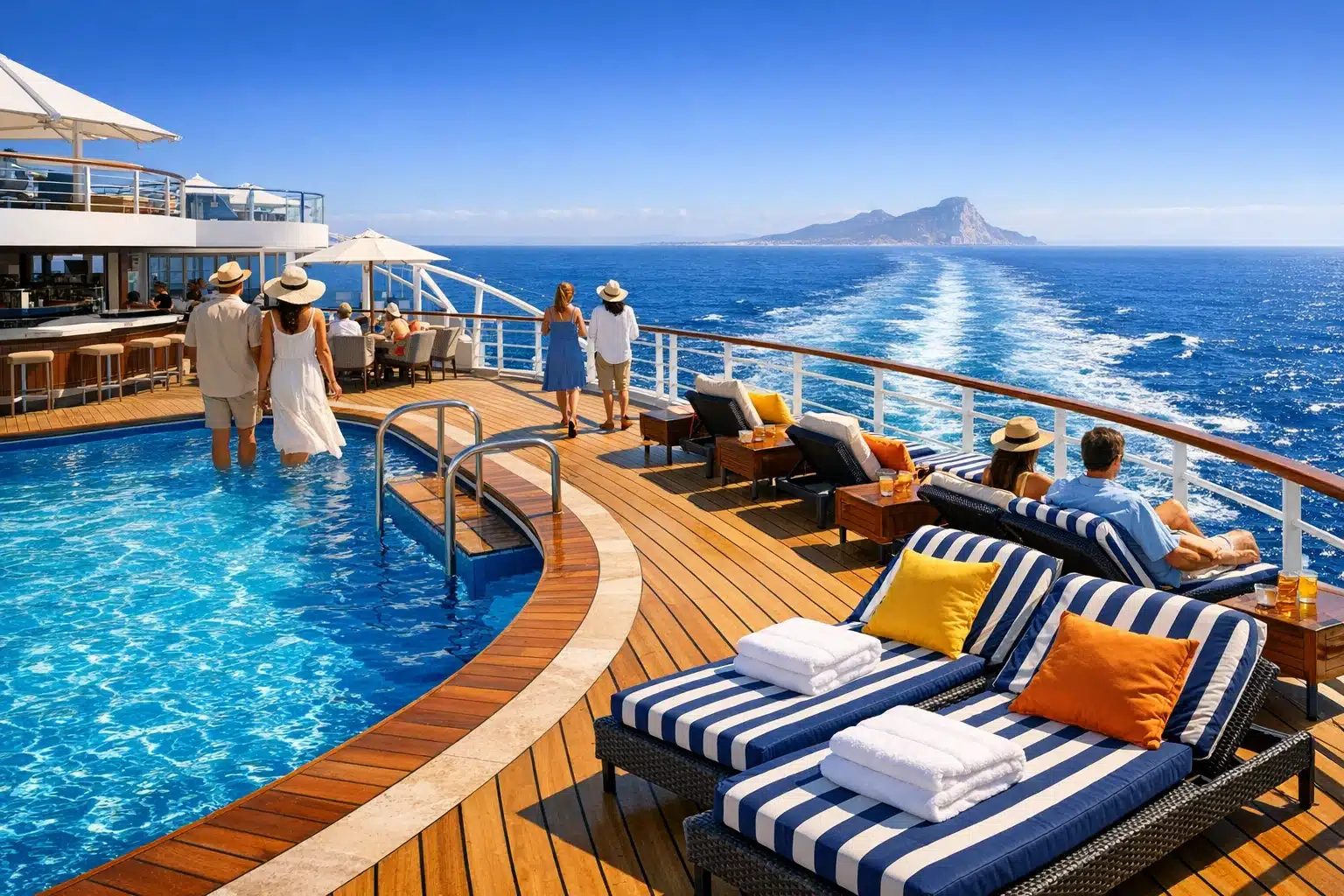
One useful comparison is between treating the ferry like pure transportation and treating it like part of the holiday. Travelers who rush through dinner, spend little time outside the cabin, and see the sailing as dead time may enjoy the trip less. Those who embrace the setting usually get more value from it. Walk the deck if weather allows, browse the shop, settle into a lounge, or simply sit by a window and watch the dark water move. On a clear evening, the crossing can feel wonderfully detached from daily noise.
Comfort at sea is a practical concern. While North Sea conditions are often manageable, crossings can be rougher in some weather. If you are prone to motion sickness, taking precautions before departure is sensible. Pack any medication you trust, avoid overeating before sailaway, and choose a calm approach rather than waiting until you feel unwell. Many passengers sleep perfectly well, but preparation is better than bravado.
Overall, the ship experience is best understood as relaxed rather than glamorous. It is not a luxury liner fantasy, yet that is not really the point. The value lies in ease, atmosphere, and the pleasing novelty of waking up closer to continental Europe than you were the night before.
Making the Most of Your Day in Amsterdam
The biggest strategic question on a 2-night mini cruise is simple: how do you use one day in Amsterdam well? Because time is limited, success depends less on trying to see everything and more on choosing a coherent plan. Amsterdam rewards focused wandering. The city is compact, visually memorable, and surprisingly manageable if you avoid the temptation to sprint between landmarks. Most mini-cruise passengers arrive via transfer from the Dutch port, so by the time you reach the center, every hour matters.
For first-time visitors, the smartest approach is to combine one anchor attraction with a neighborhood-based walk. The historic canal belt, Dam Square, the Jordaan, and the Museumplein area all provide distinctly different versions of the city. If you want classic Amsterdam atmosphere, stroll the canals, cross the narrow bridges, and allow room for cafés, shop windows, and unplanned turns. If culture is the priority, reserve tickets in advance for major institutions such as the Rijksmuseum or the Van Gogh Museum. Pre-booking is especially important in busy periods because same-day availability can be limited.
A realistic one-day structure could look like this:
- Start with a direct walk or tram ride to your main attraction.
- Spend late morning in a nearby district rather than zigzagging across the city.
- Pause for lunch in a local café rather than a rushed chain stop.
- Use the afternoon for a canal cruise, market visit, or museum depending on energy levels.
- Leave generous time to return to the meeting point or transfer departure area.
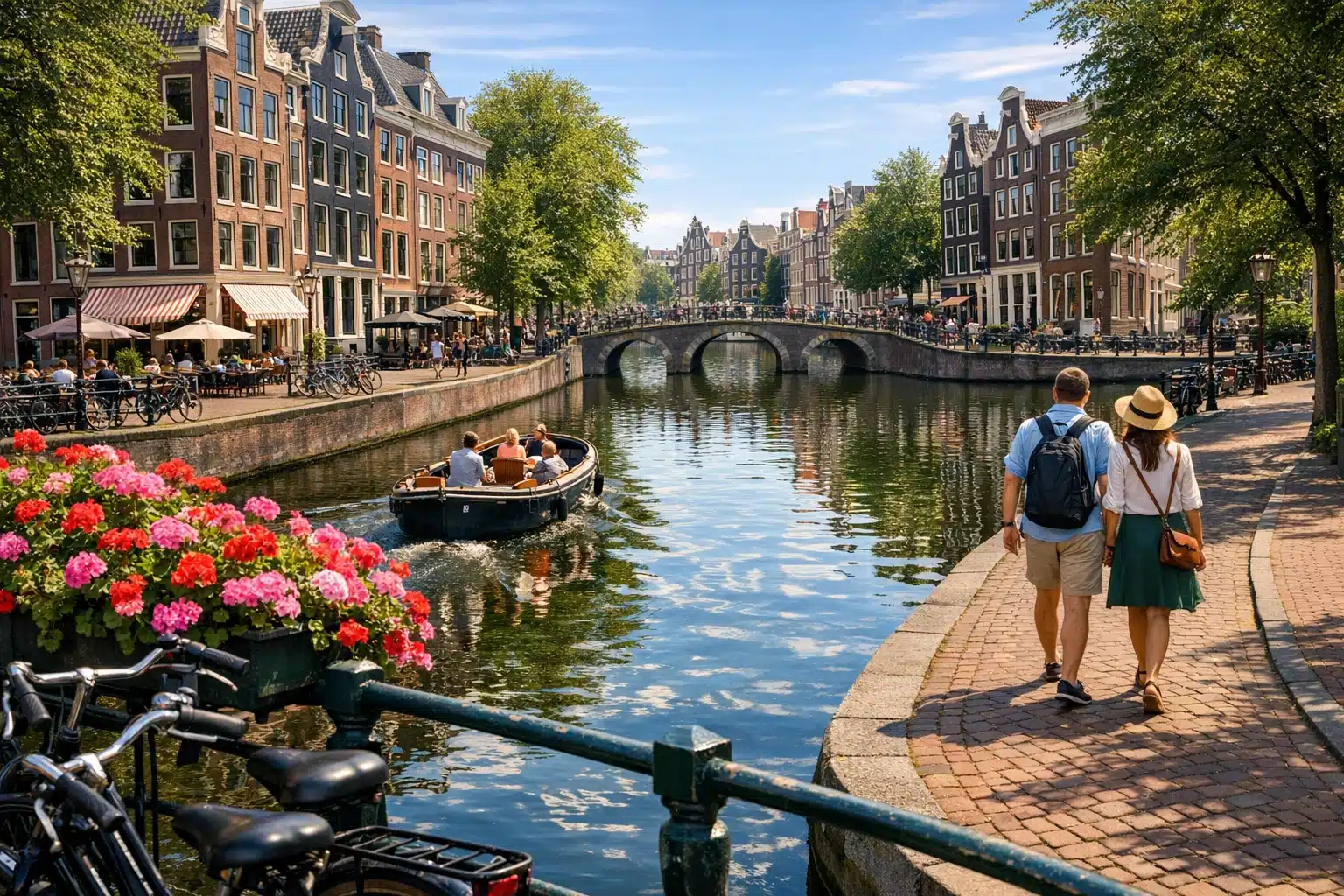
Comparisons help here. If you treat Amsterdam like a checklist city, the day can feel frustrating because there is too much to fit in. If you treat it like a place to sample, the experience becomes far more satisfying. Unlike larger capitals where long travel times eat into your schedule, central Amsterdam offers an unusually rich walking environment. Much of the pleasure comes not from monument counting but from texture: leaning canal houses, bicycles stacked along bridges, shopfront reflections in the water, and streets that seem to curve into paintings.
Travelers with different interests can tailor the day effectively. Art lovers may prioritize museums. Food-focused visitors might build a route around bakeries, cheese shops, brown cafés, and market snacks. Shoppers can explore the Nine Streets area, while those seeking a quieter tone may prefer the Jordaan over busier central zones. Families often do better with open-air time, boat tours, and simpler routes rather than overambitious museum plans.
One final rule matters more than any other: respect the clock. Mini-cruise schedules are fixed, and the ship will not wait for late arrivals. Build in a margin, know your meeting instructions, and return with time to spare. Amsterdam is enjoyable partly because it invites drifting, but disciplined drifting is the art that makes this trip work.
Cost, Value, and How the Mini Cruise Compares with Other Short Breaks
Price is often the deciding factor when travelers compare a mini cruise from Hull with a flight-based weekend away, and the answer is more nuanced than it first appears. On paper, a budget airline fare can look cheaper than a ferry mini break. In reality, the comparison only becomes meaningful when you include the full trip cost: cabin accommodation, transfers, parking, baggage, food, and the practical value of convenience. A mini cruise bundles several elements together, which can make it competitive even when the headline price seems higher.
The base fare usually covers the crossing and a cabin, while optional extras may include meals, upgraded rooms, port transfers, priority boarding, or city excursions. Seasonal demand influences pricing noticeably. School holidays, summer weekends, and festive periods often cost more than off-peak sailings. Booking early can help, but flexibility is just as valuable. Midweek departures, quieter months, and modest cabin choices can lower the total significantly.
When assessing value, consider what you are actually buying:
- Two nights of accommodation on board.
- Transport between countries without airport transfers.
- A structured short break that requires relatively little planning.
- An experience element, not simply a means of getting from A to B.
Compare that with a low-cost flight to Amsterdam. The airfare may be cheap, but total spending can climb quickly once you add seat selection, cabin baggage, airport food, rail links, or a hotel in the city. Flights do offer one major advantage: more hours on the ground, especially if you can secure favorable departure times. For museum-heavy itineraries or travelers determined to maximize city time, flying still wins on efficiency. The ferry wins on atmosphere and convenience.
Rail travel presents another comparison, especially for travelers starting in southern England, but from northern regions the Hull departure can be more practical. Driving all the way to the continent via tunnel or ferry gives flexibility, yet for a two-night break it is usually less restful. One appeal of the mini cruise is that you can avoid long continuous driving, settle into a cabin, and arrive with more energy than a road-heavy journey would leave you.
There is also a less measurable form of value: emotional return. Many short breaks blur together because the transport is forgettable. This route tends to stand out in memory because the departure, the sea crossing, and the compact city visit form a neat narrative. That does not automatically make it cheaper, but it can make it feel richer. For travelers who care about experience as much as arithmetic, that distinction matters.
Practical Planning and Conclusion: Who This Trip Suits Best
Good planning turns a mini cruise from merely convenient into genuinely enjoyable. The first essentials are the obvious ones: valid travel documents, travel insurance, current entry requirements, and a clear understanding of the operator’s check-in rules. Because schedules, boarding times, and route details can change, it is wise to confirm everything close to departure rather than relying on memory or old forum posts. If you are driving to Hull, allow a buffer for traffic and parking procedures. If you are arriving by rail or coach, build in even more margin, because a missed sailing ends the trip before it begins.
Packing for a 2-night ferry break is simpler than many travelers expect. A small case or holdall is usually enough, but the contents should be chosen with the format in mind:
- Comfortable clothes and footwear for walking in Amsterdam.
- A smarter change if you want a more polished evening on board.
- Weather layers, because wind on deck and Dutch city weather can shift quickly.
- Any motion sickness remedies, regular medication, and chargers.
- Printed or offline copies of key booking details in case signal or battery becomes an issue.
It also helps to set expectations properly. This is not a deep-dive cultural tour and not a luxury cruise in the classic ocean-liner sense. It is a compact, well-defined break with a pleasant rhythm: depart, dine, sleep, explore, return. Travelers who try to force it into another category sometimes miss its actual strengths. The best mindset is to enjoy the container as much as the contents. Let the ship be part of the memory. Let Amsterdam be a vivid sample rather than a completed project.
So who is this trip really for? It suits people who enjoy the idea of travel as an experience, not just a logistical hurdle. It works especially well for couples seeking a short escape, groups of friends who want a social weekend, and travelers from northern England looking for a European break without airport hassle. It is also a strong option for first-time ferry passengers who want a manageable route before considering longer sailings.
For the target audience, the final verdict is clear. If you want maximum museum time, a flight and hotel may fit better. If you want a short holiday that feels distinct from an ordinary weekend, a 2-night mini cruise from Hull to Amsterdam offers something unusually balanced: easy planning, a memorable crossing, and just enough time in the Dutch capital to leave you refreshed, curious, and already thinking about the next trip.