3-Night All-Inclusive Hotel Stay in London: What to Expect
A 3-night all-inclusive hotel stay in London sounds simple, yet the phrase can mean very different things in a city better known for boutique rooms, breakfast rates, and à la carte dining than classic beach-resort packages. That is exactly why the topic matters: travelers often book expecting unlimited extras and arrive to find carefully defined inclusions instead. Understanding the fine print, the neighborhood, and the overall value can turn a costly guess into a smooth city break.
Outline of this article: first, it explains what all-inclusive usually means in London rather than in a seaside resort. Next, it compares pricing with room-only and bed-and-breakfast options to show where real savings may appear. It then looks at neighborhoods and hotel styles, followed by practical advice for using a three-night package well. The final section sums up which travelers are most likely to benefit from this kind of stay.
- What is normally included in a London all-inclusive package
- How three-night pricing works across seasons and hotel categories
- Which districts suit couples, families, and first-time visitors
- How to plan meals, sightseeing, and transport without wasting inclusions
- Who should book this format and who may prefer more flexibility
1. What “All-Inclusive” Usually Means in London
In London, the phrase all-inclusive needs a careful reading because it rarely mirrors the model travelers know from Mediterranean or Caribbean resorts. A beach property may include unlimited meals, open bars, entertainment, pools, and sports in one obvious rate. London, by contrast, is a fast-moving urban destination where guests spend much of the day outside the hotel. Because of that, many hotels design packages around convenience rather than endless consumption.
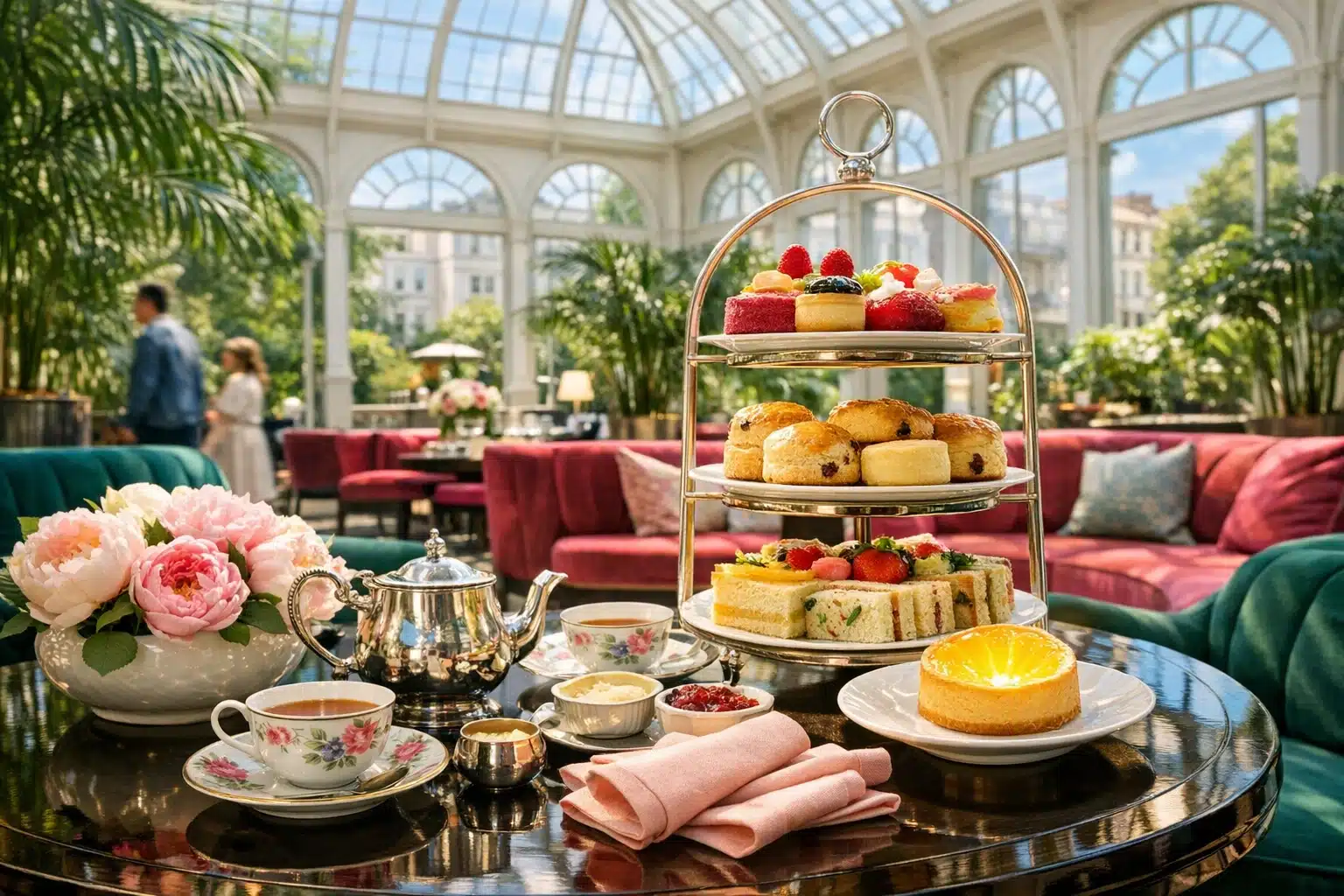
A three-night all-inclusive stay in the capital often includes some combination of breakfast, one or two additional meals per day, selected drinks, afternoon tea, restaurant credit, access to a lounge, or extras such as spa time and late checkout. Some properties label these offers as full-board, half-board, dine and stay, or premium package breaks. The wording matters. “All meals included” is different from “£35 dinner credit per person,” and “house drinks” is not the same as premium cocktails available all evening.
There are also practical reasons for these narrower definitions. London has a rich dining scene, strong public transport, and a packed sightseeing schedule, so many visitors do not want to remain on-site from morning to night. Hotels respond by bundling enough to reduce decision fatigue while still leaving guests free to explore. For a short break, that can be appealing. You may enjoy breakfast before heading to Westminster, return for a set-menu dinner, and treat the included bar allowance as a pleasant finish rather than the center of the trip.
Before booking, it helps to check a few details closely:
- Are meals buffet-style, fixed-menu, or credit-based?
- Do drinks apply at all times or only during dinner?
- Is room service excluded from the package?
- Are children covered under the same plan?
- Do weekends or holidays change the offer?
Another point worth noting is that luxury hotels sometimes provide the most polished version of an all-inclusive city stay, but not always the broadest one. A five-star property may include elegant breakfast, champagne hour, and dining credit, while a more casual chain hotel could offer simpler yet wider meal coverage. Neither is automatically better. The right choice depends on whether you value atmosphere, predictability, or total spending control. In London, all-inclusive is less about abundance and more about structure, and once that distinction is clear, the booking process becomes much easier.
2. Price, Value, and the Real Cost of a 3-Night Package
The value of a three-night all-inclusive hotel stay in London depends on one central question: would you have spent that money anyway on meals, drinks, and convenience? Room rates in the city vary sharply by season, neighborhood, and hotel category. A centrally located four-star hotel can often range from roughly £180 to £350 per night for a standard room, while luxury addresses frequently sit well above that. When a package adds breakfast, dinner, drinks, or extras, the total may look steep at first glance, but the comparison only makes sense once those daily expenses are added back in.
For example, two travelers staying three nights might spend a moderate amount even without a package. Breakfast in central London can easily cost £15 to £30 per person in a hotel setting. Dinner at a mid-range restaurant may fall around £25 to £50 per person before drinks, and cocktails or wine can raise the bill quickly. Multiply that across three days, and the gap between room-only and all-inclusive often narrows. In higher-end hotels, package pricing can sometimes offer better value than paying separately for the same services once you are on-site.
Typical totals vary, but these broad patterns are common:
- Mid-range package hotels: often the most balanced option for cost-conscious couples
- Four-star central stays: useful when breakfast and one substantial meal are included
- Luxury packages: strongest value for travelers who already planned to dine and drink at the hotel
- Family packages: worthwhile when children’s meals or connecting-room benefits are part of the rate
That said, “included” never means every possible charge disappears. London packages may exclude premium spirits, minibar items, room service, valet parking, laundry, or restaurant dishes beyond a set allowance. Some hotels add a discretionary service charge in restaurants and bars, especially when the package involves dining credit rather than prepaid meals. Transport is another major budget line. Even with food covered, travelers still need to account for airport transfers, Underground journeys, taxis, and attraction tickets.
The smartest way to judge value is to build a simple side-by-side comparison. Add up the room-only rate, breakfast, likely dinners, and a realistic drinks budget for three nights. Then compare that with the package cost and inspect the restrictions. If the all-inclusive option saves money or lands close enough while removing booking stress, it may be a strong deal. If you plan to eat around Borough Market, Soho, and Marylebone instead of at the hotel, a flexible room-only rate may actually work better. In London, savings come not just from discounts, but from matching the package to the way you genuinely travel.
3. Where to Stay: Neighborhoods and Hotel Types That Fit a Short Inclusive Break
Location can make or break a three-night London stay, especially when meals are tied to the hotel. A property with a generous package but an inconvenient setting may leave you spending extra time and money on transport. On the other hand, the right neighborhood can make a short break flow beautifully, with sightseeing, dining, and evening walks fitting together like scenes in a well-edited film.
For first-time visitors, the West End and nearby districts such as Covent Garden or Leicester Square offer immediate access to theaters, shopping, and iconic landmarks. A hotel package here suits travelers who want the city humming just outside the front door. The trade-off is price: central addresses often charge more, and room sizes may be smaller. South Bank provides a different mood. It is lively without feeling frantic, and it places guests near the London Eye, the Thames, major museums, and riverside paths that glow after dark. For a short city break, this area is often a strong all-rounder.
Kensington and South Kensington appeal to travelers who prefer a calmer base, elegant streets, and easy access to museums. Families often appreciate this part of town because it combines walkability with a more residential feel. Canary Wharf, meanwhile, can offer sleek hotels and better weekend value, though it feels more corporate and less classic-London in character. It suits visitors who prioritize modern comfort, spa facilities, and efficient transport links over postcard atmosphere.
Different hotel types also shape the experience:
- Grand luxury hotels: best for refined dining, lounge access, and special-occasion stays
- Modern four-star chains: often practical, polished, and clearer about package terms
- Boutique hotels: stronger personality, but inclusions may be narrower
- Family-oriented properties or aparthotels: more space, easier logistics, and occasional meal bundles
One important reality is that true resort-style all-inclusive hotels are uncommon in central London. That does not make the category weak; it simply means travelers should book with city logic. If your plan includes museum mornings, an afternoon in Hyde Park, and a musical in the evening, a hotel that gives you breakfast, a reliable dinner, and perhaps a drinks allowance can feel perfectly judged. If you want to linger on-site all day, the selection becomes smaller, and luxury wellness-focused properties may be the better fit.
To choose wisely, match the hotel to your rhythm. Couples celebrating something special may prefer a central five-star package with late checkout and a memorable restaurant. Families might value larger rooms, child-friendly menus, and quick Tube connections. Solo travelers often do well with a central hotel that includes breakfast and one evening meal, reducing both cost and effort. In a city as varied as London, the best all-inclusive stay is rarely the flashiest one; it is the one that supports the pace and personality of your trip.
4. How to Use a 3-Night All-Inclusive Stay Without Wasting the Benefits
A three-night stay in London moves quickly. One moment you are rolling a suitcase through the lobby, and the next you are watching evening lights ripple across the Thames, wondering how the final morning arrived so soon. That short timeframe is exactly why package planning matters. When the trip lasts only a few days, every included breakfast, dining credit, and extra perk should fit naturally into the schedule rather than sit unused on a confirmation email.
A sensible approach begins with arrival day. If your package includes dinner, aim for a check-in time that allows you to settle properly instead of rushing from airport to restaurant. On the first full day, use the included breakfast as a launchpad for major sightseeing. London’s best-known attractions often reward early starts, whether that means Westminster, the Tower area, or a museum district. Returning to the hotel later for a covered evening meal can be a relief after a long day on foot. On the second full day, consider lighter sightseeing near your hotel so you can enjoy any extras you paid for, such as afternoon tea, a spa treatment, lounge access, or a complimentary drink service.
These habits help travelers get better value:
- Reserve hotel restaurants in advance if the package requires timed dining
- Confirm which menu items are included before ordering
- Use late checkout on departure day if available
- Keep one meal flexible in case a local market or neighborhood café tempts you
- Group sightseeing by area to reduce transport costs and fatigue
Transport strategy matters too. London is broad, and zigzagging across the city can eat into both time and mood. If your hotel is in South Bank, build one day around nearby landmarks and another around the West End. If you are based in Kensington, pair museum visits with nearby parks and shopping streets. A package works best when the hotel becomes a useful anchor point rather than a dining obligation on the opposite side of town.
Travelers should also think about appetite and pacing. Not everyone wants three large hotel dinners in a row, especially in a city with outstanding restaurants, food halls, and neighborhood pubs. In some cases, half-board is the sweet spot. In others, a full package brings welcome simplicity, particularly for families or guests celebrating a birthday, anniversary, or first trip to London. The key is to view the hotel as part of the experience, not merely a place to sleep. Used well, an all-inclusive city stay can remove dozens of small decisions, leaving more room for what visitors actually came for: the skyline, the history, the conversations, and those unexpectedly cinematic walks between one famous corner and the next.
5. Final Thoughts for Travelers Considering This Kind of London Break
A 3-night all-inclusive hotel stay in London makes the most sense for travelers who want a short trip to feel organized, comfortable, and a little more indulgent than usual. It is especially appealing for couples on a celebratory escape, first-time visitors who do not want to budget every meal separately, and families who benefit from predictable daily costs. For these groups, a good package can reduce friction. Breakfast is handled, at least one daily meal is sorted, and a few pleasant extras help the stay feel cohesive instead of improvised.
There is, however, no universal winner. London rewards curiosity, and many visitors come precisely because they want to wander into independent bakeries, historic pubs, small international restaurants, and neighborhood markets. Those travelers may feel constrained by a hotel dining schedule, even when the numbers look favorable. In that case, a bed-and-breakfast rate or a room-only booking may offer better freedom. The smartest choice is not the package with the biggest headline, but the one that fits your habits with the least resistance.
As a final filter, ask yourself three practical questions. First, do you genuinely plan to eat at the hotel most evenings? Second, is the property close enough to your priority sights to avoid wasting hours in transit? Third, are the included perks things you would actually use rather than merely admire on paper? If the answer is yes across the board, then an all-inclusive stay can be an excellent city-break format.
For quick guidance, this style of booking is usually best for:
- Short stays where convenience matters more than constant spontaneity
- Travelers who like one clear upfront price
- Special occasions where dining and comfort are part of the experience
It may be less suitable for:
- Food-focused visitors who want a different restaurant every night
- Travelers spending long hours outside the hotel from dawn to late evening
- Anyone who dislikes fixed meal windows or package rules
For the target audience considering this option, the main takeaway is simple: London can deliver a very satisfying all-inclusive stay, but the city does it in its own style. Expect thoughtful bundles rather than endless resort-style coverage, compare the details carefully, and choose a location that supports your plans. Get those pieces right, and three nights can feel longer, smoother, and far more rewarding than the calendar suggests.