3-Night Weekend Getaways in Australia
Outline and Why a 3-Night Escape Works So Well
Three nights is a sweet spot in Australia: long enough to shake off the workweek, short enough to pull off without turning the trip into a logistical puzzle. With smart route choices, a Friday departure and Monday return can buy you beach mornings, vineyard lunches, rainforest walks, or a cozy stay in a cool-climate town. The trick is matching your mood, budget, and travel tolerance to the right place, so this guide maps out the options before diving into the details.
A well-planned 3-night getaway matters because Australia is huge, and distance can either energise a trip or quietly eat it alive. On paper, a destination may look glamorous, but if it takes a full day of flights, transfers, and waiting around, a short break starts feeling like an endurance event rather than a reset. That is why the most satisfying long weekends usually share a few traits: simple access, one clear base, enough to do without over-scheduling, and a setting that changes your pace almost immediately.
Here is the outline this article follows:
• coastal escapes for sun, swimming, and easy outdoor time
• food and wine regions for couples, groups, and slower itineraries
• nature-focused breaks for walkers, photographers, and anyone craving quiet
• practical comparisons on budget, season, and traveller style so the right choice is easier to make
In practical terms, the best 3-night destinations are often those within roughly one to three hours by car from a capital city, or around one to two hours by direct flight plus a short transfer. That is why places such as the Mornington Peninsula, Yarra Valley, Blue Mountains, Barossa, Byron Bay, Noosa, Margaret River, Hobart, and the Grampians appear so often in Australian short-break conversations. They offer contrast without demanding a full week off.
There is also a lifestyle reason this topic stays relevant. Many travellers are no longer waiting for one big annual holiday to do all the heavy lifting. Instead, they are using several shorter breaks to recharge through the year. A three-night trip can be enough for:
• one travel day that still leaves time for dinner or a sunset walk
• two full days of exploring
• one final slow morning before heading home
That structure works for busy professionals, parents squeezing in a school-term escape, groups of friends planning around limited leave, and solo travellers who want a reset without complex logistics. In the sections ahead, the goal is not just to list pretty places. It is to compare them honestly, show where each shines, and help you avoid choosing a destination that looks perfect online but does not fit the reality of a short Australian weekend.
Beach and Coastal Getaways: Byron Bay, Noosa, and the Mornington Peninsula
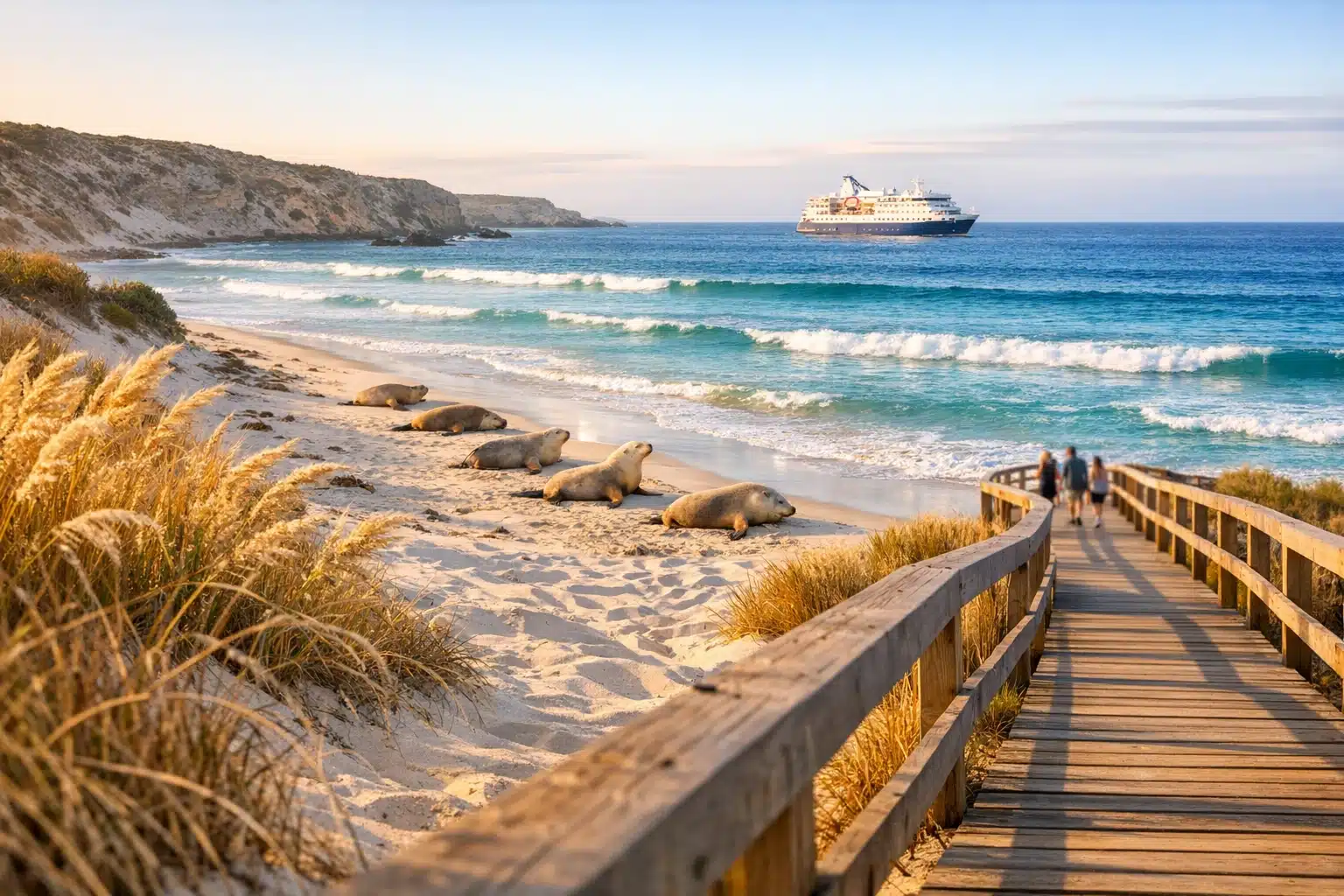
If your ideal long weekend starts with salty air and ends with sandy shoes in the car, Australia has no shortage of coastal contenders. Yet for a 3-night escape, the strongest options are not always the most remote islands or headline-making luxury resorts. More often, the winners are places that deliver a beach holiday feel quickly and with minimal effort. Byron Bay, Noosa, and the Mornington Peninsula each do that in a different way, and comparing them reveals how varied an Australian seaside break can be.
Byron Bay is the classic east coast mood-lifter. For travellers flying into Ballina Byron Gateway Airport, the transfer is usually around 30 minutes, which makes it surprisingly efficient for a short stay. Byron suits people who want a little of everything: surf beaches, early lighthouse walks, wellness studios, casual dining, and nightlife that can be lively without needing a major-city plan. There is a cinematic quality to mornings there, with joggers tracing the coastline and the light turning the water silver. The trade-off is popularity. Byron is rarely a secret, and accommodation prices can climb quickly on weekends and school holidays. It works best for couples, friend groups, and travellers happy to pay more for atmosphere and convenience.
Noosa offers a more polished version of the beach break. From Brisbane, the drive is typically around two hours, which makes it highly accessible for south-east Queensland locals and straightforward for interstate visitors arriving by air. The appeal lies in its range. You get Main Beach for easy swimming, the Noosa National Park coastal track for scenic walks, and the river for boating, stand-up paddleboarding, and family-friendly downtime. Compared with Byron, Noosa often feels more orderly and a touch more resort-like. It is excellent for families, mixed-age groups, and travellers who want good restaurants and natural beauty without much friction. The downside is similar: peak-season prices are real, and last-minute bookings are rarely kind to the budget.
The Mornington Peninsula plays a different game. It is less about surf-town identity and more about variety within easy reach of Melbourne, often around 90 minutes by car depending on traffic and where you stay. Ocean beaches, sheltered bay beaches, hot springs, coastal villages, wineries, and produce-driven restaurants give it an all-rounder quality. It may not have Byron’s laid-back celebrity glow or Noosa’s subtropical sheen, but it is exceptionally good for travellers who want their weekend to include more than one mood. You can do a morning walk, a long lunch, an afternoon soak, and still be back at your accommodation before dark.
In simple comparison:
• choose Byron Bay for energy, surf culture, and a social scene
• choose Noosa for family appeal, scenic walking, and easy comfort
• choose the Mornington Peninsula for variety, accessibility from Melbourne, and a blend of coast and countryside
For three nights, that final point matters. The best beach getaway is not only the prettiest destination; it is the one that wastes the least time and matches the pace you actually want. If your goal is to feel lighter by Monday, the right coastal town can do more than a bigger trip that asks too much of a short calendar window.
Food, Wine, and Slow Afternoons: Margaret River, Barossa Valley, and Yarra Valley
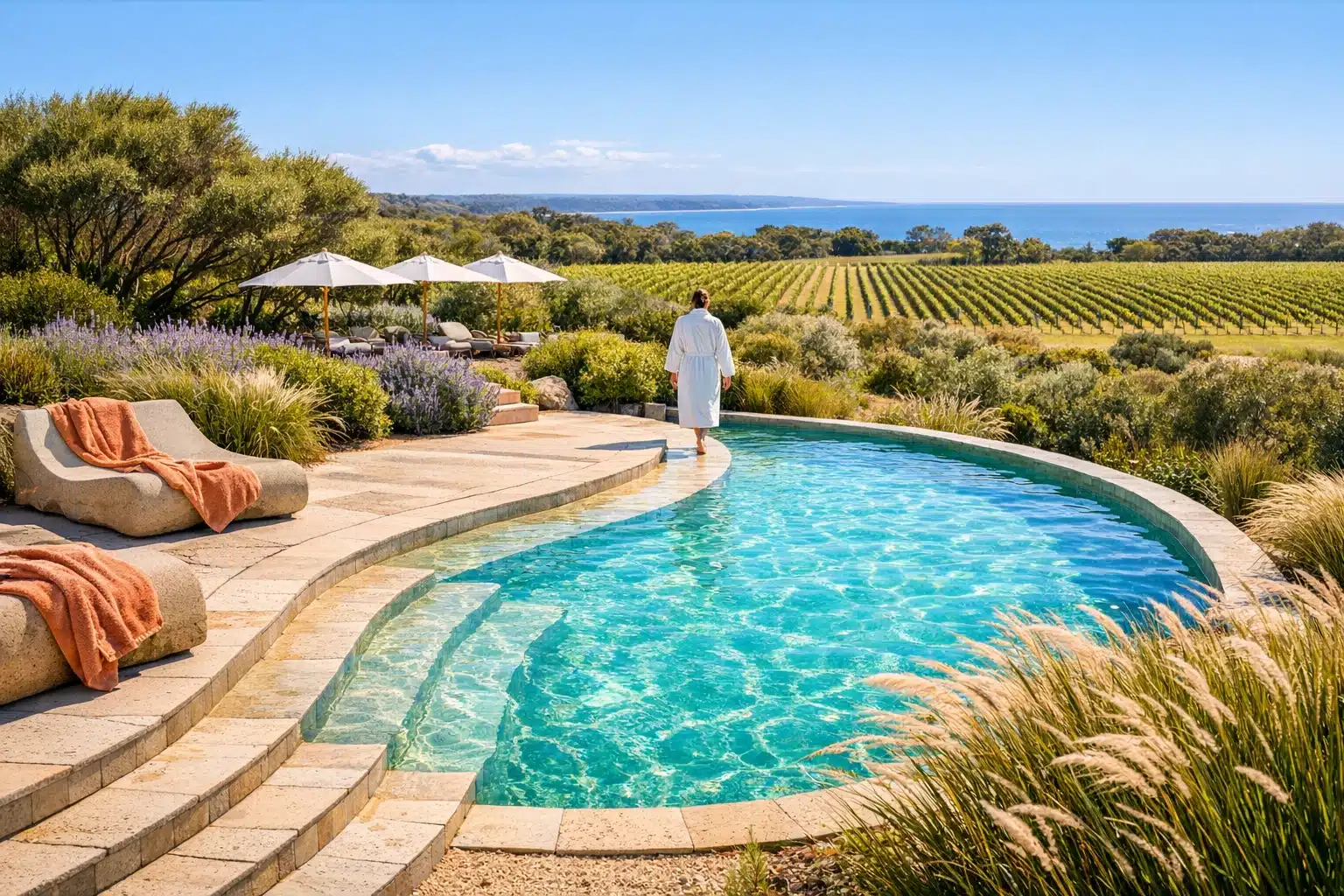
Some long weekends are not about ticking off landmarks. They are about loosening the shoulders, ordering one more shared plate, and letting the day stretch out between cellar doors, farm shops, and scenic drives. Australia’s wine regions are especially well suited to 3-night breaks because they combine clear identity with manageable geography. Among the standouts, Margaret River, the Barossa Valley, and the Yarra Valley each offer a distinct version of indulgence, and the differences are useful when you are choosing where to spend limited time.
Margaret River, about a three-hour drive south of Perth, is arguably the most multi-dimensional of the three. Yes, it is a premium wine region, but it is also a place of forests, surf beaches, caves, and dramatic coastline. That gives it a rare advantage on a short trip: even if one person wants tastings and another wants ocean views or a hike, the itinerary can still feel balanced. Cabernet sauvignon and chardonnay are major drawcards in the region, and the food scene is strong, with plenty of venues focused on local produce. The catch is the driving time from Perth, which is easy enough for a long weekend but still substantial. It suits travellers who want a self-drive escape with a strong sense of place and enough variety to justify leaving the city behind.
The Barossa Valley is a different pleasure. Roughly an hour from Adelaide by car, it is one of the most efficient gourmet getaways in the country. The region is famous for shiraz, heritage cellar doors, and a food culture shaped by generations of farming and European influence. Towns like Tanunda, Angaston, and Nuriootpa offer a compact network of tasting rooms, bakeries, small producers, and country hospitality. The Barossa often feels more rooted in history than Margaret River, and that gives it warmth. You are not simply moving between scenic stops; you are travelling through a long-established agricultural landscape. For a three-night trip, its closeness to Adelaide is a huge advantage because you can start the weekend properly rather than spending half of it in transit.
The Yarra Valley, around an hour from Melbourne, is perhaps the easiest gourmet escape for travellers based in Victoria. It is known for cool-climate wines, especially pinot noir, chardonnay, and sparkling styles, but it also appeals through gardens, artisan produce, distilleries, and stylish accommodation. Compared with the Barossa, the Yarra Valley often feels greener and softer; compared with Margaret River, it is less dramatic but more convenient. It is ideal when you want a quick reset without a big logistical build-up.
A few smart planning rules make these trips better:
• book tastings and standout restaurants ahead, especially on weekends
• keep each day to a handful of stops rather than trying to “cover” the whole region
• arrange a driver, tour, or shared transport if wine is the focus
• leave room for one non-wine activity so the trip feels rounded
In comparison, Margaret River is best for travellers wanting wine plus beaches and scenery, the Barossa is best for classic regional food-and-wine depth with very easy access, and the Yarra Valley is best for a stylish, low-effort escape from Melbourne. All three work beautifully over three nights because they reward slowing down, and that is exactly what many short breaks fail to do.
Nature and Fresh Air: Blue Mountains, Hobart as a Nature Base, and the Grampians
Not every traveller wants a beach towel or a tasting paddle. Sometimes the best weekend away is the one that gives you trees, changing light, cooler air, and a horizon that does not involve office towers. Australia’s short nature breaks can be remarkably effective because they deliver contrast fast. The Blue Mountains, Hobart with nearby wild scenery, and the Grampians each prove that a 3-night trip can still feel expansive if the landscape does enough of the work.
The Blue Mountains are the easiest wilderness-style reset for Sydney-based travellers. Depending on where you start, the trip can take around 90 minutes to two hours by car, and rail options also make it practical for those who do not want to drive. What makes the region ideal for a long weekend is the density of experiences. You have lookouts over the Jamison Valley, short waterfall walks, more serious hiking tracks, heritage guesthouses, and villages such as Leura and Katoomba that support a cosy, cool-climate rhythm. Mornings there can feel almost theatrical, with mist lifting off the escarpment and cockatoos cutting through the silence. It suits couples, solo travellers, and anyone who wants nature without losing access to cafes, bookshops, and a comfortable bed.
Hobart is slightly different because the city itself becomes your base while nature sits close around it. Direct flights from Melbourne and Sydney are generally quick, often around an hour or two depending on origin, and once you land, the combination of kunanyi Mount Wellington, the waterfront, nearby walking areas, and day-trip options such as Bruny Island creates a satisfying short itinerary. Hobart works particularly well for travellers who want wilderness flavour without committing every hour to outdoor activity. One moment you are looking across dark, wind-shaped hills, and the next you are in a gallery, a market, or a small restaurant focused on Tasmanian produce. That flexibility makes it one of the smartest 3-night options in the country.
The Grampians, or Gariwerd, about three hours from Melbourne by car, appeal to people who want something more rugged. This region is excellent for walking, lookouts, native wildlife, and a sense of inland scale that feels very different from coastal Victoria. Halls Gap provides a practical base, and the area can be as gentle or as active as you like, from scenic drives and easy viewpoints to longer hikes. Compared with the Blue Mountains, the Grampians often feel less polished but more spacious. Compared with Hobart, they are more purely landscape-driven.
When choosing between them, think about your energy level:
• choose the Blue Mountains for maximum convenience and a soft landing into nature
• choose Hobart for a hybrid trip with scenery, food, culture, and easy day excursions
• choose the Grampians for walkers, photographers, and travellers who want a stronger sense of remoteness without going too far
Weather matters in all three places. Cooler months can be beautiful, but conditions shift quickly, tracks can be affected, and daylight hours are shorter. For a 3-night getaway, that means checking local advice, avoiding an overpacked itinerary, and treating the landscape with respect. The reward is worth it: these are the trips that leave your lungs feeling clearer and your thoughts less crowded.
How to Choose the Right 3-Night Getaway for You
By the time people search for a weekend getaway, they often already know what they are tired of. The real question is what kind of relief they want. Do you want stimulation, quiet, good food, movement, or a room with a view and permission to do very little? Choosing well matters more on a short trip because there is no extra day to recover from a bad fit. The most useful way to narrow the options is to think in terms of travel style, season, and budget rather than chasing whichever destination is currently fashionable.
For couples, food-and-wine regions often offer the best balance of romance and ease. The Yarra Valley and Barossa are especially good because travel time is short, accommodation ranges from boutique to practical, and the pace naturally slows down. Margaret River suits couples too, particularly those who want dramatic scenery folded into the weekend, but it asks for more driving. For groups of friends, Byron Bay and Noosa tend to work well because they allow everyone to find their own rhythm, whether that means coffee, shopping, beach time, or dinner out. For solo travellers, the Blue Mountains and Hobart are strong picks: both are easy to navigate, visually rewarding, and rich in low-pressure activities.
Budget is where realism helps. Australian long weekends can get expensive quickly, especially when accommodation demand surges. As a rough guide, sought-after coastal stays can move well above A$250 to A$400 per night in peak periods, while shoulder-season country breaks often provide better value. Flights may be cheap on sale, but airport transfers, car hire, and peak dining costs can quietly shift the total. If value matters most, consider:
• travelling in shoulder season rather than school holidays
• choosing one base instead of changing accommodation
• prioritising destinations within driving distance
• booking one special meal instead of trying to make every booking a splurge
Season also changes the character of each getaway. Noosa shines when warm weather supports beach time and coastal walks, though it remains attractive year-round. The Mornington Peninsula and Yarra Valley can be lovely across multiple seasons, but winter adds a cosy charm, especially when hot springs or fireside stays are involved. The Blue Mountains, Hobart, and the Grampians often feel most dramatic in cooler months, though travellers should plan for conditions rather than idealised photos. Margaret River and the Barossa reward shoulder-season visits when crowds ease and the experience feels less rushed.
For readers trying to make a quick decision, the simplest summary looks like this:
• easiest gourmet escape: Yarra Valley or Barossa Valley
• best beach mood: Byron Bay
• best polished coastal break: Noosa
• best Melbourne road trip mix: Mornington Peninsula
• best all-rounder from Perth: Margaret River
• best nature reset from Sydney: Blue Mountains
• best city-plus-nature combination: Hobart
• best inland hiking weekend from Melbourne: Grampians
For busy travellers, that final distinction is the point. A successful 3-night getaway is not about cramming in the maximum number of attractions; it is about choosing a place that gives you a new rhythm fast. If you want easy pleasure, pick a wine region. If you want salt and sunlight, go coastal. If you want your mind to unclench, head somewhere with walking tracks and big skies. Australia is vast, but that does not mean a short break has to feel small. With the right destination, three nights can be enough to come home lighter, clearer, and already thinking about the next one.