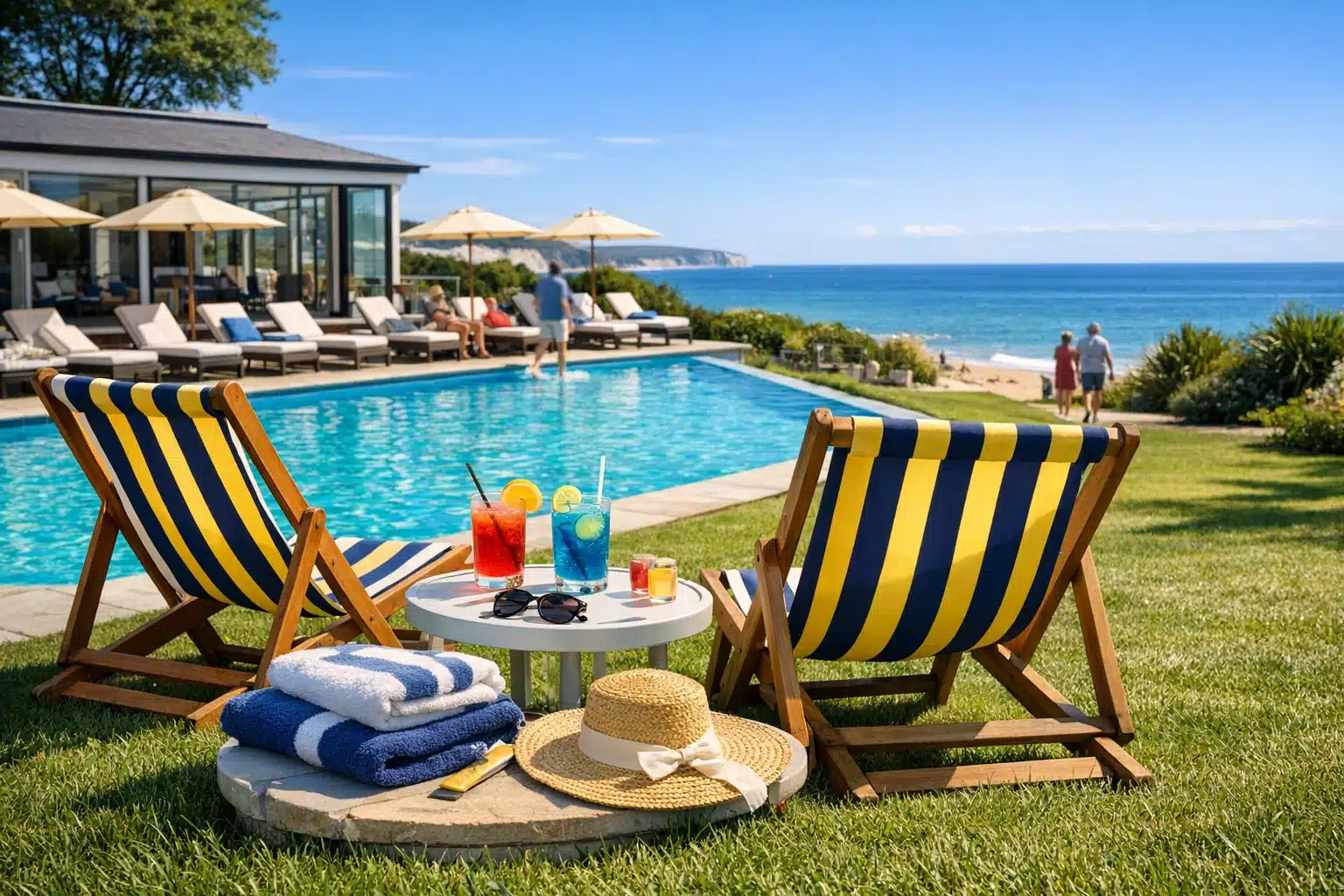
4-Night All-Inclusive Resort Stay in the Isle of Wight
Few short breaks in southern England feel as neatly balanced as a four-night stay on the Isle of Wight. The island combines coastal scenery, compact travel distances, Victorian charm, and enough dining and leisure options to make an all-inclusive package genuinely convenient rather than restrictive. For couples, families, and tired professionals who want costs to stay predictable, this format removes much of the planning friction while still leaving room for cliff walks, beach time, and slow evenings by the sea.
Outline and Why a Four-Night Island Break Works So Well
Before getting into hotel types, meal plans, and pricing, it helps to map the article clearly. A four-night resort stay sounds simple, yet the Isle of Wight has its own travel logic. It is an island of around 147 square miles, with roughly 57 miles of coastline, so visitors can cover a lot without feeling rushed. That compact scale is exactly why four nights works better here than a fleeting overnight visit and often more efficiently than a full week for people with limited annual leave.
- What “all-inclusive” usually means on the Isle of Wight
- How resort-style stays compare with classic overseas packages
- Which areas suit families, couples, walkers, and first-time visitors
- What to expect on food, drinks, entertainment, and facilities
- How to judge value once ferry costs and seasonality are added in
The relevance of this topic has grown as more UK travelers look closer to home for shorter, easier breaks. Overseas resort holidays still dominate the all-inclusive market, but domestic travel has become more appealing for those who want less airport stress, shorter travel times, and greater flexibility. The Isle of Wight fits that demand unusually well. Reaching it by ferry or hovercraft adds a sense of occasion, yet once you arrive, the distances remain manageable. That means more time enjoying the stay and less time sitting in transit.
A four-night format also hits a practical sweet spot. The first day is often shaped by travel and check-in, while the last day is reserved for departure. With only two nights, the stay can feel abbreviated. With four, you still get three full days to settle into a routine. That gives enough breathing room for one lazy resort day, one sightseeing day, and one mixed day with both activity and rest. In creative terms, the island starts to behave like a well-paced novel rather than a brochure glimpsed from a train window.
There is another reason this length works: budget visibility. When meals, selected drinks, entertainment, or family-friendly extras are bundled, the break becomes easier to manage financially. That matters on an island where spontaneous dining and transport choices can quickly add up. A good four-night package turns uncertainty into structure without making the holiday feel rigid.
What “All-Inclusive” Usually Means on the Isle of Wight
One of the most important points for travelers is this: an all-inclusive stay on the Isle of Wight rarely mirrors the classic model many people associate with large Mediterranean or Caribbean resorts. In those destinations, travelers often expect unlimited food across multiple restaurants, branded drinks, daily entertainment teams, expansive pools, kids’ clubs, and extensive sports facilities. On the Isle of Wight, the term is more modest and sometimes closer to full-board-plus than to the broader international version.
That is not a drawback if expectations are set correctly. In fact, many visitors prefer the island’s gentler approach. A resort-style package may include breakfast, dinner, selected lunch options, tea and coffee, limited alcoholic drinks during defined hours, and access to amenities such as a spa area, indoor pool, lounge entertainment, or family recreation spaces. Some packages also bundle ferry crossings, which can substantially change the overall value. Others include parking, children’s activities, or discounts on local attractions rather than a fully unlimited food-and-drink model.
When comparing offers, it helps to think in tiers:
-
Half-board: usually breakfast and evening meal, with drinks paid separately.
-
Full-board: breakfast, lunch, and dinner, but often not many drinks.
-
All-inclusive or resort package: meals plus selected drinks and added on-site benefits.
-
Holiday package with ferry: accommodation and crossing bundled, sometimes with dining upgrades.
Because the terminology can be flexible, reading the package details matters more than the headline. Ask practical questions. Are soft drinks included all day or only with meals? Does the rate cover children’s dining? Are premium drinks excluded? Is the ferry for foot passengers only, or does it include a car? Is housekeeping daily? If the hotel offers evening entertainment, is it every night or only on weekends?
There is also a seasonal dimension. Summer stays naturally lean toward outdoor facilities, beach access, and family activity programs. Spring and autumn breaks may emphasize indoor comfort, scenic walking, and dining value instead. That can actually make an all-inclusive stay more attractive in cooler months, when guests spend more time on site and notice bundled extras more clearly. In short, the Isle of Wight version of all-inclusive is best understood as convenience-led, not extravagance-led. Once that distinction is clear, the right package becomes much easier to spot.
Choosing the Right Area and Shaping a Memorable Four-Night Rhythm
The success of a four-night stay depends heavily on where you base yourself. The Isle of Wight is compact, but different corners of the island create noticeably different holiday moods. Choosing the right area is less about finding the “best” town in general and more about matching the setting to your pace, interests, and company.
Shanklin and Sandown are often the most straightforward choices for traditional seaside appeal. These areas tend to suit families and first-time visitors because they offer broad beaches, promenades, casual dining, and a classic British holiday atmosphere. If your vision of a resort stay includes easy beach access, arcades for children, and evening strolls with ice cream in hand, this part of the island feels familiar and practical. It also makes short-stay logistics easier because you do not need to drive far to find activity.
Ventnor offers a different mood altogether. Sheltered by the downs, it feels more layered, with a slightly more grown-up tone, a creative local food scene, and dramatic coastal scenery. Couples often like Ventnor because it can feel quieter and more characterful, especially outside peak school holiday weeks. A resort or hotel here works well if you want your four nights to lean toward sea views, local restaurants, botanical gardens, and slower evenings rather than nonstop family entertainment.
Ryde and nearby eastern locations are useful for visitors prioritizing access. Ryde connects well for foot passengers, especially via hovercraft from Southsea or ferry links from Portsmouth. That matters if you want a smoother arrival without bringing a car. Yarmouth and the west side, by contrast, tend to suit travelers who want walking routes, coastal drama, and a calmer base with a more tucked-away feel.
A balanced four-night rhythm might look like this:
-
Night 1: arrive, settle in, use the included dinner, and avoid overplanning.
-
Day 2: enjoy a resort-focused day with breakfast, a pool or spa session, and a short beach outing.
-
Day 3: take a wider island day trip to places such as The Needles, Osborne, or a coastal walking route.
-
Day 4: keep the pace lighter with a local town visit, cream tea, or a scenic garden stop before your final evening.
-
Night 4: treat the last dinner as the emotional full stop of the trip rather than another stop on a checklist.
That pacing matters. Travelers sometimes make the mistake of trying to “complete” the island in a short break. The better approach is selective. A four-night resort stay works best when the hotel anchors the experience and the sightseeing supports it, not the other way around. The island rewards unhurried attention: a cliff path after breakfast, sea air through an open window, and the small pleasure of not having to decide where every meal will come from.
Cost, Value, and How to Compare Packages Without Guesswork
Value is where a four-night all-inclusive stay on the Isle of Wight becomes either a smart booking or an expensive misunderstanding. On paper, a room-only deal can look cheaper. In practice, once you add ferry fares, parking, meals, drinks, and a few rainy-day extras, the total can drift upward quickly. That is why package comparison matters more here than headline pricing.
The first cost variable is season. Peak summer, school holidays, and popular event periods usually bring the highest rates. Shoulder seasons such as late spring and early autumn often deliver a better balance between price, weather, and crowd levels. Winter can also be appealing for spa-style or quieter hotel breaks, though outdoor beach use becomes less central. For many travelers, the best-value window is not necessarily the warmest week, but the week where facilities are accessible and the island still feels breathable.
The second major variable is transport. Ferry pricing can materially change the real cost of the holiday, especially for families taking a car. A package that includes the crossing may prove better value than a hotel that looks cheaper before transport is added. Foot-passenger travelers sometimes save money, but convenience depends on where the hotel is located and whether onward transport is simple. The island is navigable by bus, yet a car can still increase flexibility for beaches, walking areas, and attraction-hopping.
When assessing an offer, compare what is actually bundled:
-
Meals included per day
-
Type and timing of drinks inclusion
-
Ferry or hover travel allowance
-
Parking and Wi-Fi
-
Pool, spa, or entertainment access
-
Family features such as child meal policies or activity rooms
There is also the question of opportunity cost. Self-catering can be excellent for larger groups, but it demands planning, shopping, and cleanup. A bed-and-breakfast offers charm, though lunches and dinners remain open expenses. A well-priced all-inclusive stay reduces decision fatigue, which has its own value. For many people, especially those taking a short restorative break, not having to research every meal is part of what they are buying.
As a rule, the strongest Isle of Wight packages are not always the ones promising the most. They are the ones that match your style precisely. If you want beach proximity and family convenience, prioritize location and child-friendly dining. If you want a quieter adult-led trip, focus on room quality, evening atmosphere, and food standards. Price matters, but fit matters more.
Conclusion: Who This Kind of Stay Suits Best and How to Make It Pay Off
A four-night all-inclusive resort stay on the Isle of Wight suits travelers who want a short break with fewer decisions and more usable holiday time. It works particularly well for couples seeking a coastal reset, families who want meal costs kept under control, and busy professionals who do not want an airport-heavy itinerary for a trip of less than a week. It can also suit older travelers who prefer a stable base, easy dining, and the option to explore at a comfortable pace. The island’s size, scenic range, and familiar yet distinctive atmosphere make it unusually effective for this format.
The key is to book with a realistic understanding of what domestic all-inclusive means. On the Isle of Wight, you are usually buying convenience, predictability, and a resort-style rhythm rather than a giant international complex with endless dining venues. That is a strength when approached correctly. Instead of chasing scale, focus on substance: a good room, a practical location, enjoyable meals, smooth transport, and enough on-site comfort to make downtime feel intentional rather than accidental.
If you are the kind of traveler who likes to spend every day differently, this type of break still leaves room for variety. If you are the kind who wants to arrive, unpack once, and exhale, it may be even better. The island can hold both moods. One morning can begin with a cooked breakfast and a sea-facing lounge, while the afternoon leads to a cliff walk, a heritage house, or a sheltered beach. By evening, the simplicity of returning to an included dinner feels less like a package mechanic and more like a quiet luxury.
For the target audience, the smartest approach is simple:
-
Choose area before hotel if atmosphere matters most.
-
Choose inclusions before room grade if budget control matters most.
-
Choose shoulder season if value and comfort matter equally.
-
Choose ferry-inclusive deals if transport costs are likely to inflate the total.
Done well, a four-night stay on the Isle of Wight is not just a shorter holiday. It is a more concentrated one, where travel is manageable, scenery arrives quickly, and the planning burden stays light. For many UK travelers, that combination is exactly the point.