2-Night Mini Cruise from Hull to Amsterdam: What to Expect
For travellers in northern England, a 2-night mini cruise from Hull to Amsterdam offers something increasingly valuable: a short overseas break that feels special without the stress of airports, baggage rules, and long transfer chains. In one compact booking, you get sea travel, overnight accommodation, and time in one of Europe’s most recognisable cities. That makes the route especially relevant for couples, friends, and first-time ferry passengers who want simplicity with a strong sense of occasion.
Outline: this article first explains how the journey is structured, then looks at life on board, what you can realistically fit into a day in Amsterdam, how the costs compare with other short breaks, and finally who the trip suits best with practical booking advice.
1. How the 2-Night Mini Cruise Works From Hull to Amsterdam
The biggest point to understand is that this is not a traditional cruise in the floating resort sense. It is an overnight ferry trip packaged as a short break, with Amsterdam as the headline destination. Most sailings leave Hull in the evening, cross the North Sea overnight, and arrive the next morning at Europoort near Rotterdam rather than directly in Amsterdam itself. From there, passengers usually continue by coach transfer into the Dutch capital. After several hours in the city, the coach returns to the port for the overnight sailing back to Hull, where the trip ends the following morning. In simple terms, it is one outward night on board, one full day ashore, and one return night on board.
That structure explains why the trip appeals to people who want a manageable taste of Europe without a long planning process. Compared with flying, the ferry is slower, but the journey itself becomes part of the experience. Compared with a longer Amsterdam holiday, the mini cruise is far more compressed, so expectations matter. You are not booking a deep, museum-heavy exploration of the city. You are booking a convenient sampler: enough time for canals, cafés, landmarks, shopping, and perhaps one major attraction if you plan carefully. For many travellers, that balance works well because it removes the need to book separate flights, hotel nights, and airport transfers.
There are practical advantages too. Hull is an easier departure point for many people in Yorkshire, Lincolnshire, the North East, and parts of the Midlands than London airports or international rail links. Boarding is usually straightforward, though timing still matters. Passengers normally need to arrive in advance for check-in, and exact cut-off times vary by operator, so official travel documents should always be checked before departure. Since UK travellers generally need a valid passport for entry into the Netherlands, this is not a trip where last-minute document errors can be brushed aside. Travel requirements also evolve, so checking current government and ferry guidance before leaving is essential.
There is also an emotional side to the format that is easy to underestimate. When the ship pulls away from Hull and the shoreline fades into evening light, the break begins long before you see Amsterdam. That sense of departure is part of the value. Flying may be faster, but ferries give a clearer feeling of movement from one place to another. For travellers who enjoy transitions, sea views, and the quiet thrill of waking up in another country, the route offers a distinctive rhythm that ordinary transport rarely provides.
2. Life On Board: Cabins, Food, Facilities, and the Overall Atmosphere
On a route like this, the ship is not just transport. It is your hotel for two nights, your dining venue, and your evening entertainment, all in one. That makes cabin choice more important than some first-time bookers expect. Overnight ferry packages usually include a cabin because sleeping in public lounge areas is not the standard arrangement on these crossings. Inside cabins are generally the budget-friendly option and work perfectly well for travellers who mainly want a clean, private place to shower and sleep. Sea-view cabins offer natural light and a more open feel, which many people appreciate on the return morning. Premium or upgraded rooms may add more space, better bedding, or extra amenities, but whether that upgrade feels worthwhile depends on how much time you expect to spend in the cabin.
The atmosphere on board sits somewhere between a practical crossing and a relaxed weekend away. You will usually find restaurants, bars, a café or casual dining area, a shop, and lounge spaces where people gather before heading to bed. Some sailings also include entertainment such as live music or a themed bar atmosphere, though this varies by ship and season. Families, couples, coach groups, and groups of friends often share the same sailing, so the mood can shift from quiet corners to lively social spaces within a few decks. If you want a peaceful evening, it is easy enough to find one. If you want to make the journey part of the event, you can do that too.
Food is one of the details that shapes the crossing more than people expect. Pre-booked meal packages can make budgeting easier and reduce the friction of deciding everything on the spot. Buying food as you go can work, but onboard prices may feel higher than a normal high street meal because ferry catering has the same convenience premium seen in many travel settings. A sensible approach is to think about the crossing in layers:
• a proper evening meal after boarding
• breakfast before arrival
• snacks or coffee for the quieter parts of the voyage
This keeps spending clear and helps avoid the common mistake of arriving in Amsterdam already tired and underfed.
Travellers who are unsure about sea conditions should remember that the North Sea can be calm or choppy depending on weather. Modern ferries are built for these routes, but motion is still possible, especially for sensitive passengers. Bringing basic remedies for travel sickness is wise if you know you are prone to it. Comfortable shoes, a light jacket for outer decks, and a small overnight bag packed separately from heavier luggage also make life easier. The deck itself is often worth a few minutes before bed or after dawn. The wind can be sharp, but the view has a way of simplifying the trip: sea, sky, lights, and the satisfying knowledge that the journey is already under way.
3. What You Can Realistically Do During Your Day in Amsterdam
Amsterdam is one of those cities that feels famous even before you arrive, yet a day there still demands choices. The mini cruise gives you enough time for a rewarding visit, but not enough time for everything. That distinction matters. If you treat the stop like a long city break, you may end up frustrated. If you treat it like a well-planned day trip in a compact, walkable capital, it becomes much more enjoyable. Once the coach transfer brings you into the city, your best strategy is usually to focus on one district, one major attraction, and one slower experience such as a canal walk, lunch stop, or boat ride.
For first-time visitors, the classic central route works for a reason. Starting near the central area gives you access to Dam Square, the Royal Palace exterior, the canal belt, and the lively streets that fan out into shops, bakeries, and historic lanes. A simple itinerary can carry plenty of atmosphere:
• begin with a canal-side walk while the city is still waking up
• stop for coffee and a pastry rather than rushing into a museum queue
• choose one headline attraction instead of attempting three
• leave time to wander without staring at a map every five minutes
This approach creates a better day than overfilling the schedule and spending half of it commuting between places.
If museums are your priority, advance planning becomes crucial. Amsterdam’s busiest cultural sites, including major art museums and the Anne Frank House, often require timed entry and can sell out well ahead of the visit date. That means spontaneous travellers may need to be flexible and choose alternatives. Fortunately, the city rewards flexibility. The Jordaan district offers lovely streets and local character. Museumplein is ideal for those who want a stronger cultural focus. The Nine Streets area is good for independent shopping and browsing. Even a simple canal cruise can be a smart use of limited time because it lets you rest your feet while seeing a large portion of the historic centre from a different angle.
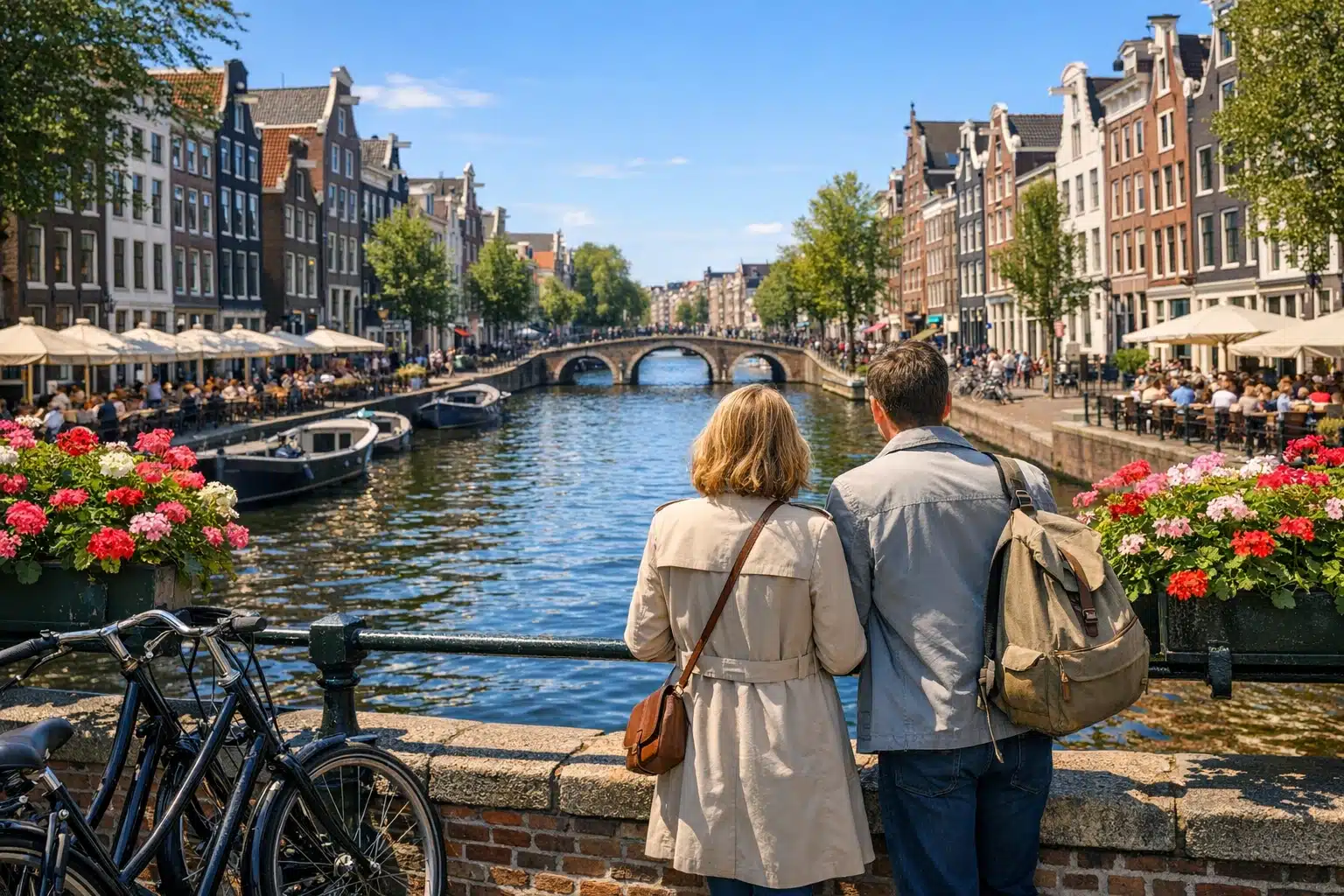
The city also works well for people who prefer atmosphere over checklists. You can enjoy lunch by the water, photograph narrow canal houses leaning at improbable angles, and watch bicycles flow past with a confidence that seems choreographed. That said, visitors should stay aware of local etiquette. Cycle lanes are serious business, not decorative paving, and stepping into one absent-mindedly can create real problems. Amsterdam is easy to enjoy, but it rewards alert walking, light planning, and realistic ambition. The best day is often not the one packed with the most locations. It is the one that leaves enough room to notice the city’s details: houseboats, bridges, quiet courtyards, and that distinctive mix of order and easygoing charm.
4. Costs, Inclusions, and How the Mini Cruise Compares With Other Short Breaks
Value is one of the main reasons people consider this route, but it is also where expectations need the most careful framing. Promotional fares for mini cruises can look very attractive at first glance, yet the final total depends on several moving parts: date of travel, cabin type, number of passengers, meal packages, transport to Hull, onboard spending, and what you choose to do in Amsterdam. The crossing itself may represent good headline value because accommodation is built into the fare, but the trip is rarely just one flat number. Travellers who budget properly tend to rate the experience well; those who focus only on the initial deal price can be surprised by the extras.
It helps to break the spend into clear categories. Typical cost areas include:
• the cruise package and cabin grade
• meals or dining upgrades on board
• parking or rail travel to reach Hull
• drinks, snacks, and small onboard purchases
• attraction tickets in Amsterdam
• local spending on food, coffee, and shopping
When viewed this way, the trip remains competitive, especially on off-peak dates or when booked as a simple, low-fuss getaway. Midweek travel or shoulder-season departures often offer stronger value than school holidays, bank holiday weekends, or peak summer sailings.
Compared with budget flights, the ferry has both strengths and trade-offs. Flying can be faster door to door if you live close to a well-served airport and travel very light. However, once baggage fees, airport meals, transfers, and a city hotel are added, the cost advantage can narrow quickly. The ferry packages transport and accommodation together, which is useful at times when hotel rates in Amsterdam are high. There is also a convenience premium in not needing to repack for multiple stages of the journey. You board once, sleep on board, and return the same way. For travellers who dislike airport queues, late-night hotel check-ins, or rigid baggage rules, that convenience has real value even if the crossing takes longer.
Where the mini cruise is less competitive is depth. If your goal is to spend two or three full days in museums, nightlife, or specialist neighborhoods, a longer city break may offer better value per hour in the destination. The same applies if you are travelling from far outside Hull’s natural catchment area. A long domestic journey to the port can erode both savings and convenience. The best financial case for the trip is usually this: you want a short, self-contained escape, you like the idea of sea travel, and you are happy with one well-used day in Amsterdam rather than a full-scale Dutch holiday. For that audience, the numbers often stack up more convincingly than they first appear.
5. Final Advice: Who This Trip Suits Best and How to Make It Work Smoothly
This kind of break suits a very specific traveller, and that is not a criticism. In fact, it is one of the trip’s strengths. A 2-night sailing from Hull works especially well for couples wanting an easy escape, friends celebrating a birthday or reunion, retirees who prefer a gentler pace than air travel, and first-time continental travellers who want a contained introduction to going abroad. It can also be a smart gift-style trip because the format feels memorable without requiring a week of annual leave. Where it is less ideal is for people who dislike tight schedules, need a long stay in the destination, or want total freedom over arrival and departure times. The mini cruise is structured travel, and enjoying it means leaning into that structure rather than fighting it.
The practical side of a smooth trip is straightforward. Arrive in Hull with time to spare rather than treating check-in like a last-minute sprint. Pack a small bag for the cabin so you are not rummaging through larger luggage at night. Keep travel documents, medicines, chargers, and any Amsterdam tickets easy to reach. Dress in layers, because ferry decks can be windy even when the city forecast looks mild. If you are planning a museum, book ahead. If you are planning a relaxed day, mark one or two neighbourhoods on your map and let the rest happen naturally. A little preparation pays off on this itinerary because the day ashore is limited, and small delays can eat into it quickly.
It is also worth being honest about energy levels. You are travelling overnight, exploring a capital city, and then returning to the ship the same evening. That rhythm can feel pleasantly full or slightly tiring depending on your habits. Travellers who do best are usually those who pace themselves. A heavy late night on board followed by an overambitious morning in Amsterdam can blunt the enjoyment. By contrast, a good meal, a decent sleep, and a sensible city plan make the trip feel surprisingly comfortable. Spending less time trying to do everything often leads to a better experience than chasing every landmark for the sake of a photo.
In summary, this break is best for travellers who value ease, atmosphere, and novelty over maximum time in the destination. If you like the idea of watching Hull slip away at dusk, sleeping at sea, and stepping into Amsterdam the next morning with a whole day ahead of you, the trip delivers a distinctive kind of short escape. It is not a substitute for a longer Netherlands holiday, and it does not pretend to be. Instead, it offers something more focused: a compact, enjoyable, and often very practical way to turn a free couple of days into a genuine change of scene.