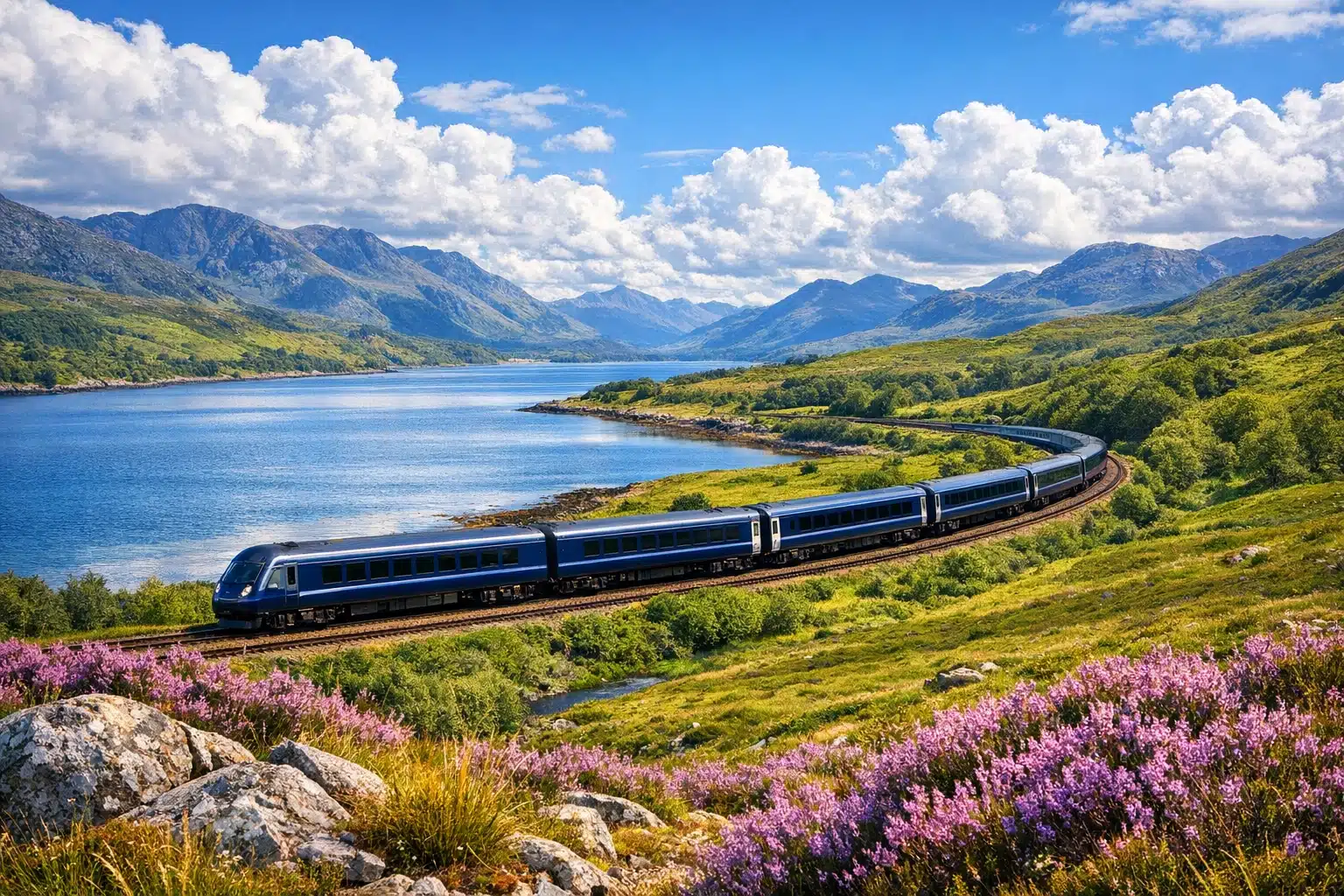
4-Day Rail Tour from London to the Scottish Highlands
A 4-day rail tour from London to the Scottish Highlands is one of the most rewarding short breaks in Britain, carrying travelers from the capital’s fast rhythm to lochs, glens, and mountain-framed stations without the fatigue of driving. It matters because many visitors want scenery, culture, and efficiency in one trip. With thoughtful timing, the train becomes more than transport; it turns the journey itself into a central part of the Highland experience.
Article outline:
- Why rail is a strong choice for a short Highland trip and how to structure the route
- Day 1 from London to Edinburgh, including the advantages of an overnight stop
- Day 2 onward to Inverness and the logic of choosing a Highland base
- Day 3 scenic day-trip options, with comparisons for different travel styles
- Day 4 return planning, budgeting, and a conclusion for the travelers most likely to enjoy this itinerary
Planning the Route: Why Rail Works So Well for a Four-Day Highland Escape
The great strength of a rail-based Highland trip is efficiency. Britain’s long-distance rail network links London to Scotland quickly enough to make a short itinerary feel worthwhile, yet slowly enough for the scenery to become part of the story. In practical terms, that matters. A self-drive holiday gives freedom in remote areas, but on a four-day schedule it also adds real burdens: collecting a rental car, navigating unfamiliar roads, dealing with city traffic at either end, and staying alert on narrow Highland routes that can be tiring in poor weather. Rail removes those pressures and replaces them with reading time, window time, and the simple pleasure of arriving in the middle of a city or town rather than in a car park on the outskirts.
For most travelers, the strongest structure is this: London to Edinburgh on Day 1, Edinburgh to Inverness on Day 2, a Highland day trip on Day 3, and the journey back south on Day 4. That pattern works because it balances motion and stillness. You cover a lot of ground, but you are not dragging luggage into a new hotel every few hours. It also lets you experience two very different Scottish identities in one short break: Edinburgh’s historic, walkable capital atmosphere and the broader, wilder mood of the Highlands.
There is another good reason this route works: frequency. Trains between London and Edinburgh are generally more frequent and faster than routes that push immediately toward the western Highlands. If you tried to build a 4-day trip around Fort William from the start, you would get unforgettable mountain scenery, but you would also face fewer onward departures and a more stretched timetable. Inverness is often the better base for a first-time visitor on limited time because it has strong rail connections, a compact center, and several realistic day-trip options.
Before you book, a few planning principles make a noticeable difference:
- Advance tickets are usually cheaper than fully flexible fares, especially on the London-Scotland legs.
- Seat reservations are worth having on long-distance services, even when not strictly required.
- A connection buffer of 20 to 30 minutes can reduce stress if you are changing trains.
- Traveling with one manageable bag is far easier than wrestling with large suitcases on platforms and station stairs.
In short, rail is not just a transport choice here; it is a design choice. It shapes the trip into something smoother, more scenic, and more realistic for people who want depth from a short holiday rather than a frantic checklist.
Day 1: London to Edinburgh and the Smart Case for Breaking the Journey
Starting at London King’s Cross, the east coast route to Edinburgh gives a remarkably strong return on time. Typical journey times are around four and a half hours, which means you can leave London in the morning and still have a meaningful afternoon and evening in Scotland’s capital. That first leg matters more than it might seem. Instead of treating Edinburgh as a stopover you merely tolerate, it helps to think of it as an essential transition point between metropolitan England and Highland Scotland. The city gives the itinerary texture, and it breaks up what would otherwise be a very long first day if you tried to continue straight north.
The route itself is part of the appeal. South of York, the landscape opens gradually; farther north, passengers are treated to stretches of coast and wide skies that make the train window feel almost cinematic. Durham’s cathedral skyline, the bridges around Newcastle, and the sea views near Berwick-upon-Tweed are reminders that this is one of Britain’s most attractive intercity lines. There is a particular pleasure in watching the urban edges fade and the journey acquire a looser, lighter mood. By the time the train curves into Edinburgh Waverley, tucked dramatically beneath the city’s historic heights, the trip already feels substantial.
Edinburgh also earns its place through convenience. Waverley station sits right in the center, so many hotels, guesthouses, and restaurants are walkable. On a short itinerary, location saves energy. Instead of spending an hour transferring to distant accommodation, you can drop your bag and step straight into the city. A practical first afternoon might include:
- A walk up the Royal Mile for a sense of the Old Town’s layered history
- Views from Calton Hill, especially if the weather is clear
- Dinner near Grassmarket or New Town, depending on your preferred pace
Could you skip Edinburgh and go directly to the Highlands? Yes, but the trade-off is important. A direct daytime journey from London to Inverness is much longer, and while the overnight sleeper can be appealing, it changes the rhythm of the trip and is not always ideal for travelers who want daytime scenery. For many people, especially first-time visitors, Edinburgh is the smarter bridge. It turns a long transfer into a rewarding day of travel and exploration, and it allows you to begin Day 2 fresh rather than already slightly worn out.
By evening, you have not only changed countries within the United Kingdom in a cultural sense; you have also reset the pace of the journey. London feels far away, yet the Highlands are still ahead, which is exactly what makes this first day so satisfying.
Day 2: Edinburgh to Inverness Through the Highland Main Line
Day 2 is where the itinerary truly becomes a Highland journey. From Edinburgh, trains to Inverness usually take around three and a half hours, and the line north is one of the quiet pleasures of Scottish rail travel. It is less famous internationally than some western routes, yet it is deeply rewarding because the scenery changes in stages. The line runs through Perth and then into increasingly open country, passing places such as Pitlochry, Blair Atholl, and Aviemore before reaching Inverness. Each name sounds like a doorway, and on the train they genuinely feel that way.
The Highland Main Line works well for a four-day tour because it is scenic without being logistically awkward. You do not need a complicated set of changes, and you arrive in a town that functions well as a base. Inverness is not the largest city in Scotland, but it is one of the most practical for short Highland stays. The station is central, the city center is compact, and accommodation options are broad enough to suit different budgets. For a brief trip, that practicality matters just as much as beauty. A stunning place that is hard to move around can waste precious hours; Inverness tends to do the opposite.
There is also a strategic reason to choose Inverness over Fort William on a limited schedule. Fort William offers more dramatic mountain immediacy and closer access to the West Highland atmosphere, but rail frequency is lower and onward choices are narrower. Inverness, by contrast, gives you multiple possibilities for Day 3, including westward scenic travel, southward Cairngorm access, or a slower day focused on local history and river walks. In other words, it keeps your options open even if the weather turns or you decide to travel more lightly than planned.
Once you arrive, the afternoon can be used in several low-stress ways. You might stroll beside the River Ness, cross to the Ness Islands if time allows, browse local shops in the center, or visit nearby historical sites with a short onward bus or taxi ride. Culloden Battlefield, for example, is not at the station doorstep, but it is close enough to fit into a short Highland stay if military and Jacobite history interest you. If you prefer a gentler evening, simply walking the riverside in changing light often delivers what people come north for: calm space, cooler air, and a sense that the country has widened around them.
This day is not only about arrival. It is about reorientation. Edinburgh still feels urban and theatrical; Inverness feels more open, more weather-shaped, and more connected to landscape than monument. By the end of Day 2, the tour has moved beyond transit and into immersion.
Day 3: Scenic Highland Day Trips by Rail and Which Option Suits You Best
The third day is the heart of the tour because it lets you decide what kind of Highland memory you want to bring home. From Inverness, several rail-based day trips are realistic, and each creates a different mood. The strongest option for sheer scenic drama is usually the line to Kyle of Lochalsh, often praised as one of Britain’s most beautiful rail journeys. It threads west through increasingly remote landscapes, passing moorland, small settlements, and expansive views that feel almost painted in layers of grey, green, and silver. If the weather cooperates, the final approach toward the west coast can be unforgettable.
That said, the Kyle line is not the only sensible choice. Travelers who prefer shorter journeys or want more walking time may find Aviemore a better fit. South of Inverness, Aviemore sits at the edge of the Cairngorms and offers a very different Highland expression: forest, outdoor space, and a livelier activity base. It is a good option for people who want a scenic rail leg but do not want to spend most of the day seated. The rail trip is shorter, so you can devote more time to trails, cafés, or simply enjoying the mountain air without feeling rushed.
A third option is to stay close to Inverness and keep the day flexible. That can sound less ambitious, but it is often the right call for travelers who value atmosphere over distance. A short excursion combined with time in the city, a riverside walk, and a historical visit can produce a richer day than forcing an overly long outing just to say you went farther. Good itineraries are not measured only in miles.
Here is a simple comparison for Day 3:
- Best for photographers and lovers of long scenic rail journeys: Kyle of Lochalsh line or a partial trip toward Plockton
- Best for walkers and travelers wanting time outdoors: Aviemore and the Cairngorms area
- Best for a slower pace or uncertain weather: a lighter Inverness-based day with short local travel
If you are tempted by the famous West Highland line instead, it is worth noting the trade-off. That route is extraordinary, but it is generally better built into an itinerary centered on Glasgow or Fort William rather than an Inverness base. Trying to include everything in four days can dilute the experience. Choosing one branch line well is usually more rewarding than skimming several iconic names too quickly.
There is a deeper lesson in Day 3: the Highlands do not need exaggeration. A good rail journey, a station in a small town, a patch of sunlight on wet hills, and a quiet platform where the wind carries the smell of rain can be enough. The magic lies in attention, not in packing the timetable beyond reason.
Day 4: Returning South, Managing Costs, and Who This Tour Suits Best
The final day is about making the long return feel purposeful rather than anticlimactic. From Inverness, some travelers may find direct services to London on selected schedules, while many others will return via Edinburgh to gain more departure choices. In timing terms, either approach creates a substantial travel day, so the key question is less speed than comfort and reliability. If you prefer a simpler experience, one direct train can be appealing. If you want schedule flexibility, a connection in Edinburgh is often the safer bet. Checking current timetables before booking is especially important here because seasonal adjustments and engineering work can affect options.
Budget planning also shapes the success of the trip. On British rail, the difference between booking early and booking late can be significant. Advance fares on fixed trains are often much cheaper than fully flexible tickets bought close to departure. Railcards, where eligible, can reduce many fares by about one third, which is meaningful on a journey involving several long legs. It is also worth comparing point-to-point tickets with any pass options available to your nationality or travel profile, though on a tightly defined four-day route, simple advance bookings often come out well on value.
Small practical choices help on this last stretch:
- Pack a refillable water bottle and simple snacks for the long southbound run
- Choose a seat reservation if available, especially on the London-bound portion
- Keep a light waterproof layer close at hand rather than buried in your bag
- Download tickets, platform apps, or route details before reaching areas with weaker signal
For whom is this itinerary best? It is especially well suited to first-time visitors to Scotland, solo travelers, couples, rail enthusiasts, photographers, and anyone who wants a strong sense of place without driving. It also works for people with limited annual leave who still want a trip that feels genuinely expansive. What it is not ideal for is the traveler determined to “do all of Scotland” in one long weekend. The strength of this route lies in focus. It gives you a capital city, a Highland base, and one memorable scenic excursion, all connected by trains that allow you to look outward instead of concentrating on the road.
For the short-break traveler, that is the central promise of a 4-day rail tour from London to the Scottish Highlands: not total coverage, but meaningful contrast. You leave London in a hurry, settle into Scotland’s rhythm, and return with a clearer sense of how distance, landscape, and history shape the journey. In a crowded travel calendar, that kind of clarity is worth a great deal.