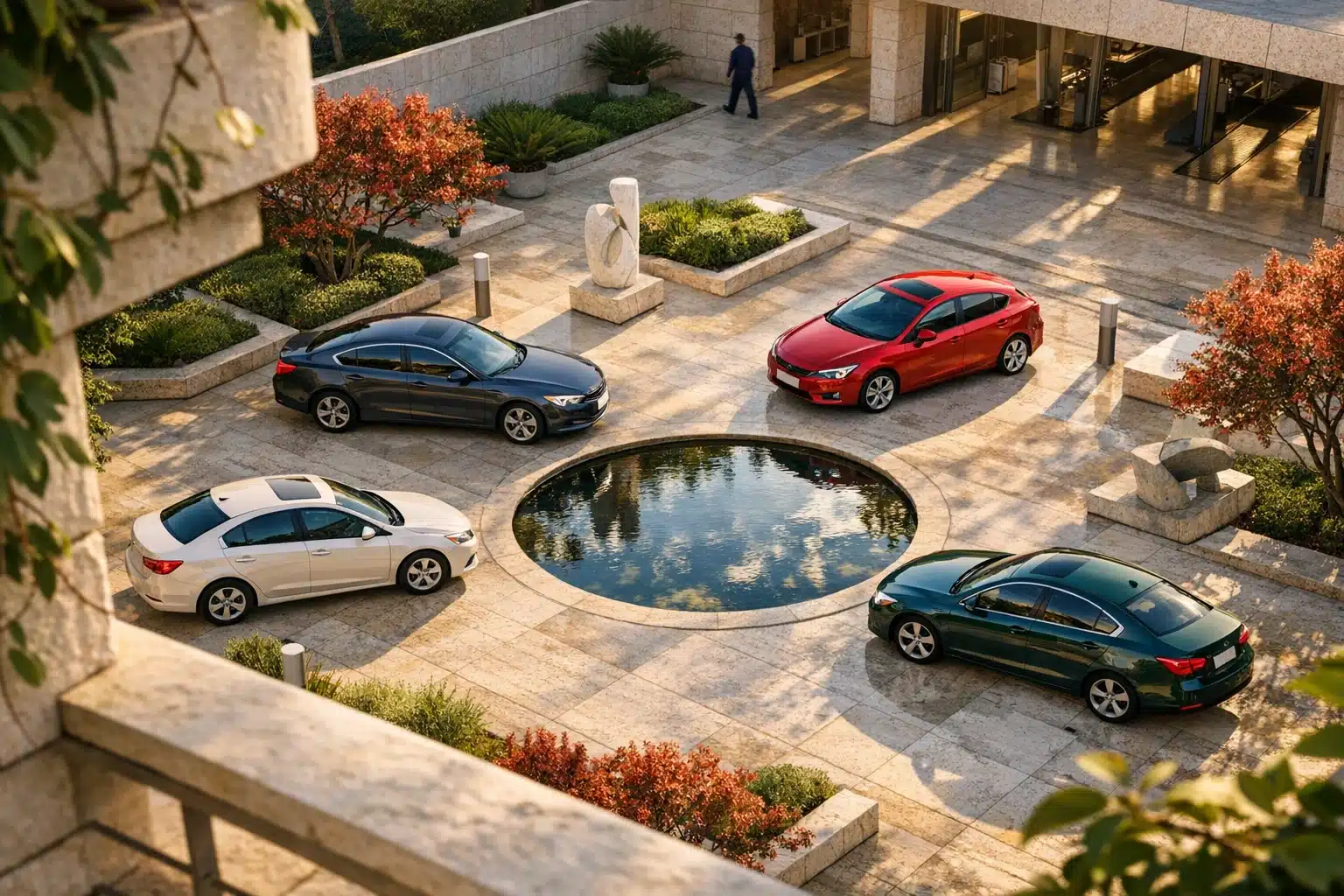
4 Cars Recommended by Mechanics
Why Mechanics Matter and How This Guide Is Organized
When a mechanic says, “That one is usually solid,” the comment carries more weight than a glossy brochure or a dramatic commercial. Technicians see what breaks early, what survives neglect, and which models keep returning for minor service instead of wallet-draining repairs. That shop-floor perspective is exactly why these recommendations matter. The four cars below are not perfect, yet they have built strong reputations for durability, sensible engineering, and manageable ownership costs.
Drivers often shop with horsepower, touchscreen size, or badge prestige in mind. Mechanics usually look at something far less glamorous and far more useful: how a car behaves after 80,000, 120,000, or even 200,000 miles. They pay attention to recurring oil leaks, transmission troubles, electrical gremlins, and whether basic maintenance is easy or annoyingly expensive. A car that is simple to service, built with widely available parts, and known for consistent longevity tends to win their respect. That does not make it exciting in the marketing sense, but it does make it easier to live with when real bills start arriving.
This article is organized around four vehicles that frequently appear on shortlists for dependable ownership. Rather than claiming they are universally perfect, the goal is to explain why many technicians recommend them, where their strengths show up in daily life, and which weaknesses buyers should still investigate before signing anything. Think of this as advice from the service bay translated into plain English.
- Toyota Corolla: a compact car prized for simplicity, efficiency, and predictability.
- Honda Accord: a midsize sedan that blends comfort, space, and strong long-term durability.
- Mazda3: a compact favorite for drivers who want dependable transportation with more personality.
- Toyota Camry: a proven family sedan known for longevity, comfort, and broad parts support.
Mechanics typically judge these cars by a few practical standards:
- Engine and transmission track record over high mileage
- Cost and availability of replacement parts
- Ease of routine service such as brakes, filters, fluids, and spark plugs
- Frequency of repeat repairs beyond normal wear items
- Real-world ownership value, especially in the used market
That last point matters more than people expect. A car can be reliable and still be a poor choice if repairs are unusually labor-intensive or parts are priced like rare jewelry. The best mechanic-approved vehicles are usually the ones that quietly do their jobs for years. They are the dependable shoes by the door, not the flashy pair you regret after a long walk. With that in mind, let us look at four models that continue to earn trust where it matters most: under the hood and on the lift.
Toyota Corolla: The Quiet Benchmark for Low-Stress Ownership
If mechanics had a hall of fame for sensible transportation, the Toyota Corolla would almost certainly have a plaque near the entrance. It is not famous for thrilling acceleration or dramatic styling, but it has spent decades building a reputation that many owners appreciate only after living with less dependable alternatives. The Corolla’s appeal lies in a simple promise: it usually asks for normal maintenance rather than constant attention. For buyers who want a car that behaves like a dependable appliance in the best possible sense, that matters a lot.
One reason mechanics recommend the Corolla is consistency. Across many generations, Toyota has favored conservative engineering choices, especially in mainstream trims. Naturally aspirated four-cylinder engines, straightforward drivetrains, and broad parts availability help keep repair experiences predictable. Fuel economy is also a strong point, with many modern Corollas delivering roughly 30 mpg or better in mixed driving, and some versions climbing well beyond that on the highway. When you combine that efficiency with solid resale value, the financial case becomes hard to ignore.
There are also practical service advantages. Many independent shops know this car well, which reduces guesswork and labor time. Owners benefit from:
- Widely available aftermarket and original-equipment parts
- Routine maintenance procedures that are familiar to most technicians
- Generally strong reliability records in owner surveys and repair histories
- Good fuel economy without needing premium fuel or exotic service items
That said, “recommended” does not mean “invincible.” Older examples can develop age-related issues such as suspension wear, minor oil seepage, water pump problems, failing coils, or worn engine mounts. Some earlier model years also deserve closer scrutiny for oil consumption or transmission behavior. This is why mechanics rarely recommend buying by badge alone. A poorly maintained Corolla can still become expensive, while a well-kept one can feel like it has years of honest service left.
Compared with some rivals, the Corolla often gives up a little cabin excitement in exchange for long-term calm. The steering is usually light, the ride is tuned more for daily use than entertainment, and interior materials may be durable rather than luxurious. Yet that restraint is part of the formula. Nothing feels overly complicated, and fewer complicated systems often means fewer expensive surprises. For students, commuters, retirees, and anyone building a budget around stability rather than drama, the Corolla remains one of the clearest examples of why mechanics value boring cars. In the used market, boring can be beautiful, especially when the check-engine light stays off.
Honda Accord: A Midsize Sedan That Balances Comfort With Staying Power
The Honda Accord has long occupied a sweet spot that mechanics respect: it offers more room, refinement, and highway comfort than many compact cars, but it usually avoids the heavy maintenance burden associated with luxury sedans. For drivers who need a practical family car, a commuter with real back-seat space, or a used sedan that does not feel stripped down, the Accord often makes a compelling case. It is the kind of car that quietly handles school runs, long road trips, and office parking lots without demanding applause.
Mechanics often speak well of the Accord because it has historically paired durable engines with solid chassis design and broad service familiarity. Four-cylinder versions, in particular, have built strong reputations for longevity when maintained properly. Oil changes, fluid service, brake work, and suspension repairs are routine jobs for most shops, and parts are widely available. That combination matters because reliability is not only about avoiding breakdowns; it is also about being affordable to keep in shape as the years add up.
The Accord also tends to offer a more mature driving experience than smaller economy cars. Depending on generation and engine choice, owners can expect:
- Comfortable highway manners and stable road behavior
- Useful trunk space and family-friendly rear seating
- Competitive fuel economy for a midsize sedan
- Strong market support for replacement parts and routine service
Still, mechanics usually add one important warning: shop carefully by model year, powertrain, and maintenance history. Some Accords have had more troublesome transmissions, turbo-related concerns, air-conditioning issues, or direct-injection maintenance considerations than others. That does not erase the model’s overall reputation, but it does mean buyers should never assume every Accord is equally safe to purchase. A pre-purchase inspection is money well spent, especially if the car has uneven service records or modifications.
Compared with the Corolla, the Accord typically feels more substantial and more spacious, but it can also cost more to buy and insure. Compared with the Camry, it often attracts drivers who want a slightly more engaging steering feel and a more driver-oriented character. Mechanics appreciate that it sits in a practical middle ground: not too basic, not too complicated, and generally worth repairing when issues do arise. There is a reason so many old Accords remain on the road. They tend to age like a cast-iron skillet: used hard, maintained sensibly, and still useful long after trendier products have been forgotten. For buyers who want comfort without wandering into luxury-car maintenance territory, the Accord remains a smart place to start.
Mazda3: The Mechanic-Friendly Compact for Drivers Who Still Enjoy the Road
The Mazda3 is often the surprise entry on lists like this. People expect mechanics to praise the usual ultra-practical names, and many do, but the Mazda3 earns its place by offering something slightly different: solid dependability wrapped in a car that feels more alive from behind the wheel. It is a reminder that choosing a sensible vehicle does not have to feel like picking office furniture. For drivers who want efficiency and everyday usability without erasing all personality, the Mazda3 often looks like the thoughtful compromise.
Mechanics tend to recommend the Mazda3 because many versions have proven durable, especially when owners keep up with fluids, tires, and routine maintenance. The company’s naturally aspirated Skyactiv engines have developed a reputation for good fuel economy and respectable longevity, while the car itself often feels more refined than its price suggests. Interior design is another strength. Even older examples can feel neatly assembled, and newer ones punch above their class in terms of cabin quality. That matters in ownership because a car that feels solid tends to be easier to keep and justify over time.
In practical terms, the Mazda3 stands out for several reasons:
- Fuel-efficient engines that do not demand unusually costly upkeep
- A more engaging steering and handling balance than many compact rivals
- Cabins that often feel more upscale than the car’s market position
- Availability in sedan and hatchback body styles for different needs
Of course, a mechanic’s recommendation still comes with caveats. Some older Mazda3 models had rust concerns in certain climates, and buyers should inspect the underbody, wheel arches, and door edges carefully on used examples. Road noise can also be more noticeable than in larger sedans, and some owners report quicker wear on tires or suspension components depending on driving style and road conditions. Technology issues, while usually not catastrophic, can appear in the form of infotainment glitches or small electrical annoyances.
Compared with the Corolla and Civic-like competitors in its segment, the Mazda3 often feels less like a bare-bones commuter and more like a compact car built by people who actually enjoy driving. That does not automatically make it the best choice for every buyer. If maximum rear-seat space or absolute lowest operating cost is the top priority, another option may fit better. But mechanics recognize an important truth here: a car that owners enjoy driving is often a car they maintain more faithfully. The Mazda3 rewards that attention. It brings together durability, efficiency, and driver satisfaction in a way that is rare at its price point. For solo commuters, couples, and hatchback fans who want common sense with a spark, it earns its recommendation honestly.
Toyota Camry and Final Advice for Everyday Buyers
The Toyota Camry is the kind of car mechanics recommend with a small nod and almost no drama, which is usually a compliment of the highest order. For decades, it has been a default answer for drivers who want a midsize sedan that simply gets on with the job. It may not stir the soul like a sports sedan, and it rarely tries to reinvent the wheel, but that steady temperament is exactly what gives it such broad appeal. Families, commuters, retirees, fleet operators, and first-time used-car buyers have all gravitated toward the Camry because it makes ownership feel less risky.
From a mechanical perspective, the Camry benefits from Toyota’s long-standing preference for proven engineering. Four-cylinder versions are especially popular recommendations because they balance efficiency, service familiarity, and strong longevity. V6 models can also be durable, though they may carry higher fuel and maintenance costs. Either way, the Camry has a deep support network in the real world. Independent shops know it well, replacement parts are easy to find, and routine jobs are usually straightforward. That combination lowers stress in ways a spec sheet cannot fully capture.
Mechanics usually like the Camry for a few specific reasons:
- Strong long-term reliability record across many generations
- Comfortable ride quality that works well for daily commuting and highway travel
- Good resale value, which helps offset purchase cost over time
- Broad availability of used examples with extensive maintenance history
It is not flawless. Some used Camrys will have the ordinary aging issues you would expect in any long-serving sedan: worn suspension components, tired brakes, minor leaks, interior wear, or neglected transmission service. A clean history matters more than brand mythology. Mechanics often stress that the best Camry is not necessarily the cheapest one on the lot, but the one with documented care, sensible mileage for its age, and a thorough inspection that does not reveal hidden neglect.
So which of these four cars makes the most sense? The answer depends on the buyer. The Corolla is ideal for shoppers chasing low running costs and compact simplicity. The Accord suits drivers who want extra room and a more refined daily experience. The Mazda3 works best for people who still care how a car feels on a back road after a long workday. The Camry is the steady all-rounder, especially for households that want comfort, predictability, and easy ownership.
For the target audience of this guide, the key lesson is simple: buy the best-kept example, not just the most famous name. A mechanic-approved model gives you a strong starting point, but maintenance history, inspection results, and realistic budgeting still decide whether a purchase becomes a win. If you want a car that makes life easier rather than noisier, these four are excellent places to begin your search.