A Complete Guide to Plumber Services
Article Outline and Why Plumbing Services Matter
Behind every hot shower, working toilet, and clean kitchen tap sits a plumbing system that quietly carries out one of a home’s hardest jobs. When a pipe bursts, a drain backs up, or the water heater turns cold, plumber services move from invisible to essential in minutes. Understanding what plumbers handle helps homeowners act faster, budget smarter, and prevent avoidable damage. This guide maps the field in plain English so the next repair feels manageable rather than mysterious.
This article is organized as a practical roadmap rather than a technical manual. It begins with the broad scope of plumber services, then moves into common problems and emergency situations, followed by advice on choosing a professional and understanding costs. It ends with preventive maintenance and smart upgrades that can reduce future headaches. In short, the outline covers:
• what plumbers do in homes, businesses, and renovation projects
• how repairs differ from replacements and installations
• which issues require urgent response and which can wait briefly
• how estimates, labor, materials, and location affect the final bill
• what maintenance steps help extend the life of your plumbing system
The relevance of plumber services is easy to underestimate until water starts appearing where it should not. A small leak under a sink can stain cabinetry, encourage mold growth, and raise water bills long before it becomes dramatic enough to demand attention. The U.S. Environmental Protection Agency has noted that household leaks can waste nearly 10,000 gallons of water per year in an average home, which shows that plumbing problems are not only messy but also expensive and wasteful. Beyond water supply, plumbing also affects sanitation, heating, appliance performance, and even property value. Buyers notice old piping, slow drains, and aging water heaters because these details hint at future expenses.
Good plumber services are therefore not just about repairing failures. They support renovations, improve efficiency, protect a building from structural damage, and help owners meet local code requirements. In a well-run home, plumbing is a silent partner: water arrives clean, waste leaves safely, pressure stays steady, and appliances work as expected. This guide is designed for homeowners, renters who want to understand the basics, and small property managers who need a clear overview without getting lost in jargon. Think of it as a flashlight for the hidden network behind the walls, floors, and fixtures that make everyday comfort possible.
What Plumber Services Include: Residential, Commercial, and Specialized Work
Plumber services cover much more than fixing a dripping faucet. At the most basic level, plumbers install, repair, and maintain systems that deliver clean water and remove wastewater. In residential settings, that includes faucets, sinks, toilets, showers, bathtubs, dishwashers, washing machine connections, garbage disposals, water heaters, sump pumps, and the pipes that connect everything together. In commercial buildings, the same principles apply, but the scale is larger and the stakes are often higher because restaurants, offices, retail spaces, schools, and apartment complexes rely on plumbing systems that serve many users every day.
A useful way to understand the field is to divide plumber services into categories:
• routine repairs, such as leaks, clogs, running toilets, and low water pressure
• installation work, such as new fixtures, dishwashers, water heaters, and filtration systems
• larger system projects, including repiping, sewer line replacement, and bathroom remodel plumbing
• inspection and maintenance services, such as camera drain inspections, shutoff valve testing, and water heater flushing
• emergency response, such as burst pipes, sewer backups, and major supply line failures
Residential plumbing often focuses on comfort, convenience, and protection from water damage. A homeowner may call a plumber to replace an old faucet, install a new shower valve, or diagnose why hot water takes too long to reach the upstairs bathroom. Commercial plumbing, by comparison, often involves more durable fixtures, stricter accessibility requirements, heavier usage, and closer attention to downtime. A clogged sink in a house is annoying; a blocked drain in a busy café can disrupt service and affect revenue.
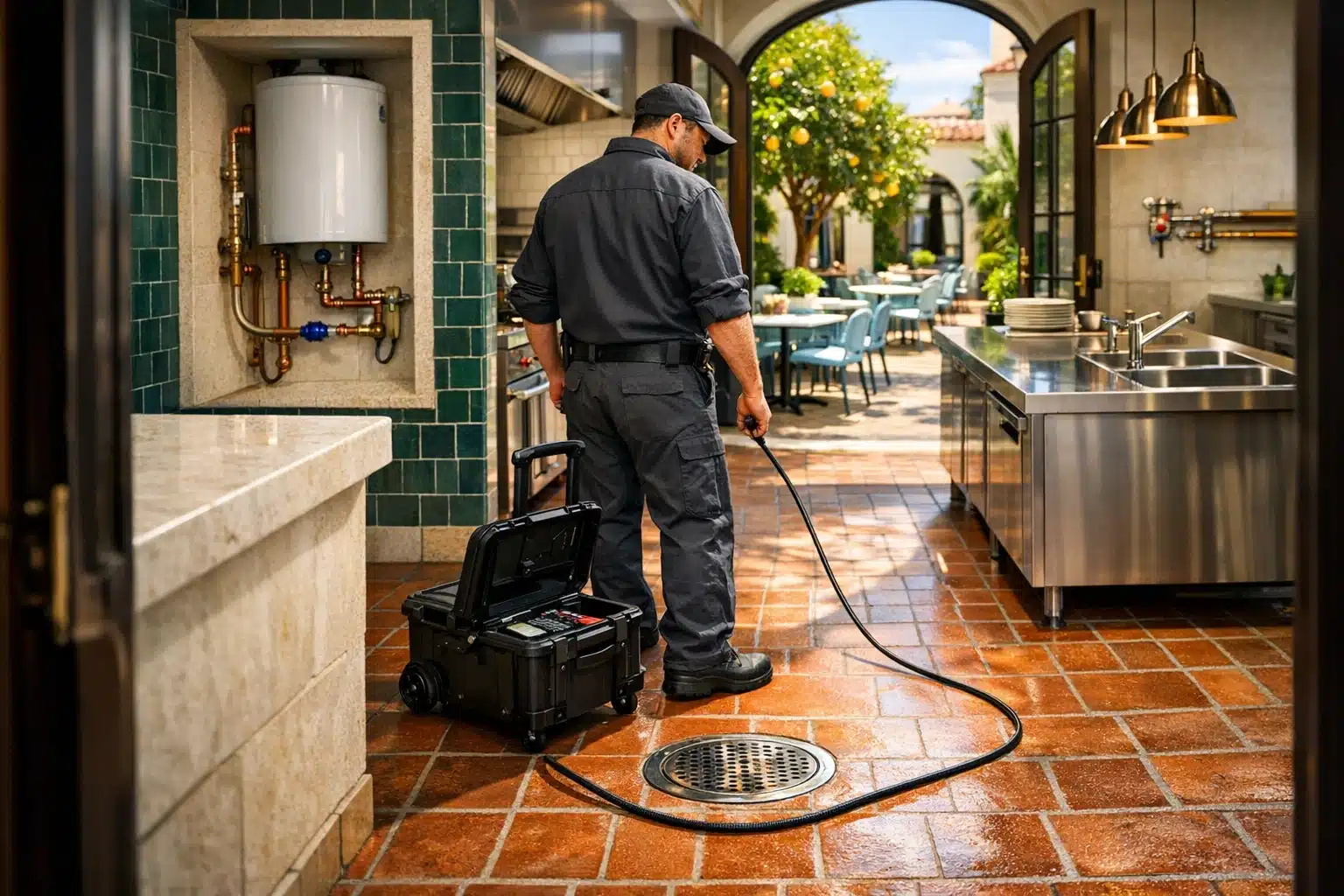
Specialized services are another important part of the profession. Some plumbers concentrate on sewer and drain work, using inspection cameras and hydro jetting equipment to clear and diagnose hidden line problems. Others specialize in water heater systems, including tankless units, gas lines, and recirculation loops. There are also plumbers who focus on new construction, remodels, leak detection, or backflow prevention for commercial properties. Materials knowledge matters too. For example, copper is valued for durability and heat tolerance, while PEX is popular for flexibility, speed of installation, and resistance to freezing damage in some applications. PVC and ABS are common for drain and vent systems, while cast iron still appears in older buildings because of its longevity and sound-dampening qualities.
Understanding this range helps customers ask better questions. If you know whether you need a general repair, a remodel specialist, or an emergency drain expert, you are already closer to getting the right help the first time. A skilled plumber is part technician, part problem-solver, and part detective, tracing the path of water through a structure with the patience of someone following a story written behind the walls.
Common Plumbing Problems, Emergency Response, and Repair Options
Most calls to plumbers come from a familiar set of issues, but the seriousness of those problems can vary widely. A dripping faucet may seem minor, while a burst pipe can damage flooring, drywall, insulation, furniture, and electrical systems in a short span of time. The most common plumbing complaints include clogged drains, leaking pipes, running toilets, weak water pressure, sewer odors, water heater failure, sump pump malfunction, and fixture wear. Many of these problems start small. A slow kitchen drain begins with grease and debris buildup. A toilet that runs continuously might only need a flapper replacement, yet over time it can waste large amounts of water. A faint stain on a ceiling can be the first visible clue that a hidden pipe joint has been leaking for weeks.
It helps to separate issues into two groups: urgent emergencies and important but scheduled repairs. Emergencies usually include:
• burst supply lines
• sewer backups
• no water in the building when utility service is otherwise available
• overflowing toilets that cannot be shut off
• major water heater leaks
• frozen pipes at risk of splitting
In these cases, rapid action matters because the main goal is limiting damage before the repair even begins. Homeowners should know where the main water shutoff valve is located and how to use it. That single step can save thousands in restoration costs.
Repair options depend on the source of the problem, not just the symptom. For drain clogs, a simple sink blockage may respond to professional snaking, while recurring line obstructions deeper in the system may need camera inspection and hydro jetting. Snaking is effective at punching through many clogs, but hydro jetting can clean pipe walls more thoroughly, especially where grease, sludge, or scale have built up. For leaking pipes, plumbers may tighten fittings, replace sections, patch isolated damage, or recommend repiping if the system is old and failures are appearing in multiple places. Spot repairs cost less upfront, but repeated leaks in aging galvanized or corroded piping often point to a broader problem.
Water heater issues provide another good comparison. If the unit is only a few years old and the problem is a thermostat, heating element, pilot assembly, or pressure relief valve, repair may make sense. If the tank is rusting, leaking from the base, or approaching the end of its typical lifespan, often around 8 to 12 years for many tank models, replacement is usually the more practical route. Tankless systems can last longer, but they also require descaling and proper sizing. A plumber will also consider fuel type, venting, household size, and local code requirements before recommending a solution.
The key lesson is that plumbing symptoms are clues, not conclusions. The sound of gurgling in a drain, the surprise of rusty water, or the sudden silence of a water heater tells part of the story, but diagnosis reveals the plot. A qualified plumber looks beyond the immediate inconvenience to identify why the issue happened, whether it is likely to return, and which repair gives the best balance of cost, durability, and safety.
How to Choose a Reliable Plumber, Compare Quotes, and Understand Costs
Hiring a plumber should feel less like guessing and more like evaluating a professional service. The right choice is not always the cheapest quote, and the most expensive option is not automatically the best. A reliable plumber combines technical knowledge, clear communication, proper licensing where required, insurance coverage, and a willingness to explain the work in understandable terms. Reviews can be useful, but they should be read with balance. Look for patterns rather than one dramatic comment. Repeated praise for punctuality, thoroughness, cleanliness, and accurate estimates means more than a single glowing line with no specifics.
When comparing providers, it helps to ask a core set of questions:
• Are you licensed or registered according to local requirements?
• Are you insured for liability and workers’ compensation?
• Do you provide written estimates?
• What does the quote include in labor, materials, permits, and disposal?
• Is this a repair, a temporary fix, or a long-term solution?
• Do you offer warranties on parts and workmanship?
• What is the expected timeline, and what could change it?
Plumbing costs vary because the work itself varies. A basic faucet replacement might be straightforward if shutoff valves function properly and connections are accessible. The same job becomes more expensive if corroded fittings break, cabinet access is tight, or the valve under the sink also needs replacement. Cost is usually influenced by four main factors: labor time, material quality, difficulty of access, and urgency. Emergency night calls or weekend service often cost more because they interrupt normal scheduling. Location matters too. Prices in large metropolitan areas are often higher than in smaller towns due to overhead, wages, permit fees, and market demand.
Some services are priced as flat-rate tasks, while others are billed hourly, especially when troubleshooting is involved. This is why honest diagnosis matters. A homeowner may ask for a “quick clog removal,” but if the true problem is a partially collapsed sewer line, the final scope will differ significantly. Good plumbers explain this before proceeding. They also distinguish between immediate work and recommended future work. That transparency helps customers prioritize. For example, a plumber might repair a leaking valve today, note that the water heater is aging, and suggest a future budget for replacement rather than pressuring the customer into unrelated work on the spot.
It is also wise to compare more than the final number on the estimate. Two quotes can differ because one includes higher-grade parts, permit handling, cleanup, haul-away, or longer warranty coverage. Think of plumbing estimates as maps, not just price tags. The cheapest map may leave out the rough terrain ahead. By contrast, a detailed quote gives you a clearer route, helping you decide whether you are paying for speed, durability, convenience, or all three. The best hiring outcome usually comes from a mix of credentials, clear scope, fair pricing, and confidence that the plumber sees your property as a system to protect, not just a ticket to close.
Preventive Maintenance, Smart Upgrades, and a Practical Conclusion for Homeowners
The most cost-effective plumbing service is often the one that prevents a crisis from happening. Preventive maintenance does not eliminate every surprise, but it greatly reduces the chance that a minor weakness becomes an expensive emergency. Many homeowners spend years reacting to plumbing issues one call at a time without building a basic maintenance routine. A smarter approach is to treat plumbing the way you would treat a roof, heating system, or vehicle: inspect it periodically, service important components, and replace parts before failure becomes destructive.
Useful maintenance habits include:
• checking exposed pipes, shutoff valves, and supply lines for corrosion or slow drips
• testing toilets for silent leaks
• cleaning strainers in sinks, tubs, and showers
• flushing water heaters based on manufacturer guidance and water conditions
• inspecting sump pumps before heavy rain seasons
• avoiding grease, wipes, and fibrous food waste in drains
• knowing the location of the main shutoff valve and labeling it clearly
Small upgrades can also improve performance and reduce long-term costs. Replacing old braided supply lines is inexpensive compared with repairing water damage after one ruptures. Installing pressure-reducing valves where water pressure is consistently high can protect fixtures and appliances. Swapping outdated toilets for efficient models can reduce water use, while touchless or ceramic-disk faucets often improve durability and convenience. If a house has aging galvanized piping, repeated repairs may be less economical than a planned repipe using modern materials chosen for the property and local code. Water heater upgrades deserve careful thought as well. Tank models remain practical for many households, while tankless systems can offer space savings and endless hot water when properly sized, though installation costs are often higher.
Maintenance also works best when paired with observation. Pay attention to changes in water color, pressure, noise, drainage speed, or utility bills. Plumbing usually whispers before it shouts. A banging sound in the wall, an unexplained damp smell, or a toilet that refills too often can all be early signals worth checking. Keeping a simple record of past repairs, installation dates, and warranty details makes future service calls more efficient and can even help when selling a property.
For homeowners, landlords, and small property managers, the practical conclusion is simple: plumber services are not just emergency help but a form of infrastructure care. Call early when symptoms appear, ask informed questions, compare solutions rather than just prices, and invest in preventive work that protects both comfort and property value. A well-maintained plumbing system rarely demands applause, yet it supports daily life with remarkable consistency. When you understand the services available and the logic behind them, you are far better equipped to make calm, confident decisions the next time a pipe rattles, a drain slows, or a water heater begins to hint that its best years are behind it.