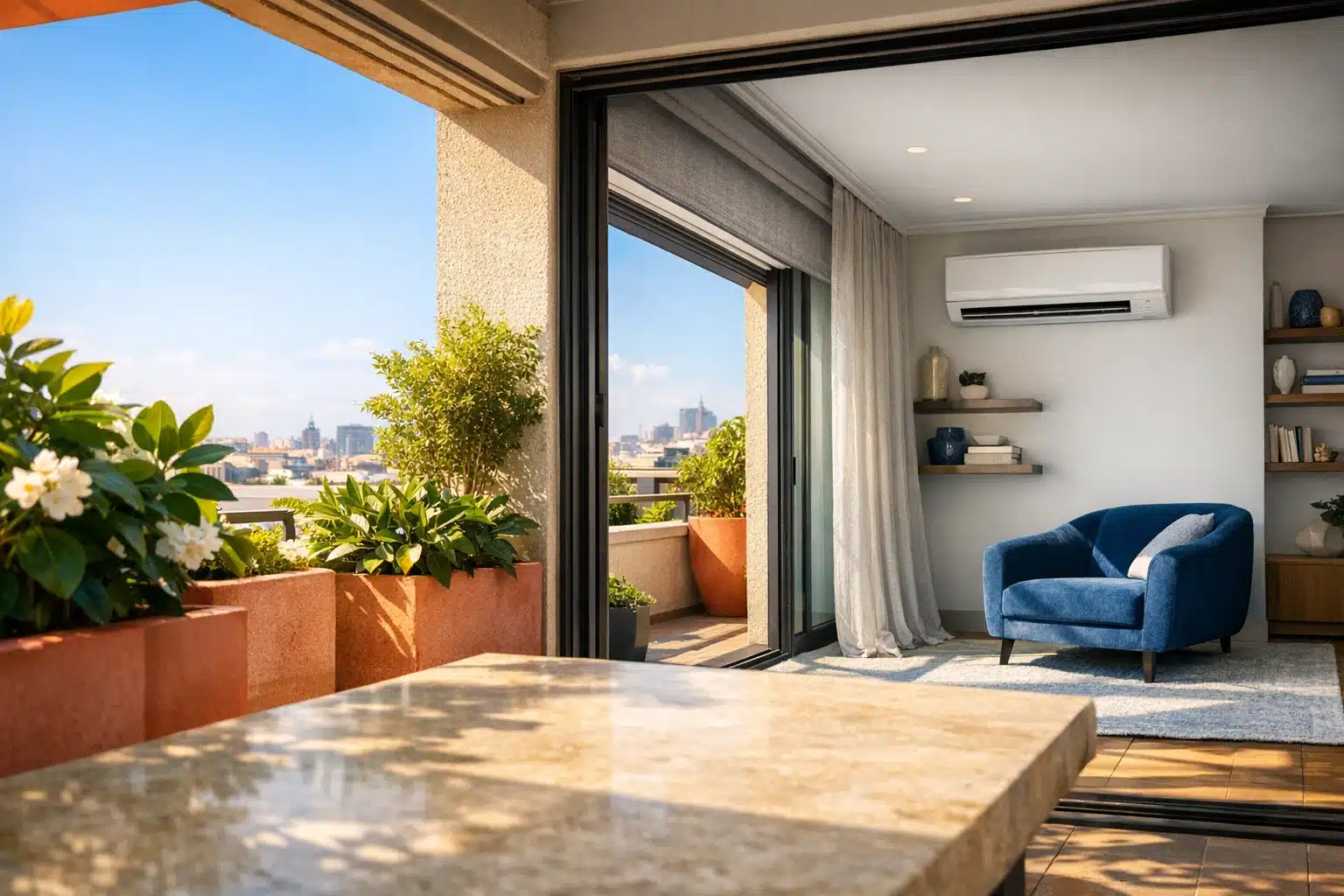
Are Cooling Systems Replacing Ceiling Fans in 2026?
Walk into a newly built apartment in 2026 and you are more likely to see a sleek wall unit, a hidden vent, or a smart thermostat than a spinning ceiling fan at the center of the room. That shift matters because cooling is no longer just about moving air; it is about efficiency, comfort, noise, indoor air quality, and climate resilience. Homeowners, renters, and builders are rethinking what good cooling really means. Ceiling fans still matter, but they are no longer the automatic default.
Outline: The Big Question Behind the Shift
Before diving into the details, it helps to map the terrain. The idea that cooling systems are replacing ceiling fans in 2026 is not a simple yes-or-no story. It is really about changing priorities in homes, offices, and apartments. In many buildings, ceiling fans are moving from “main cooling tool” to “supporting comfort accessory,” while modern HVAC systems are taking the lead. That change is happening because people want steadier temperatures, lower humidity, cleaner air, and more control from their phones or thermostats.
Here is the outline this article follows:
- Why cooling preferences are shifting in 2026
- Which technologies are gaining attention, from mini-splits to heat pumps
- How ceiling fans compare with newer systems on comfort, energy use, and cost
- Where fans still make sense and where they no longer lead
- What homeowners, renters, and builders should consider next
The old ceiling fan once ruled the living room like a polite mechanical chandelier. It was cheap to run, easy to install, and good enough for many climates. But fans do not actually lower the air temperature. They create a wind-chill effect on skin, which can make occupants feel cooler, yet the room itself stays warm. That distinction has become more important as summers grow hotter in many regions and as sealed, better-insulated homes behave differently from draftier houses of earlier decades.
Another key reason the discussion matters in 2026 is that cooling has become part of a broader conversation about energy performance. People are no longer only asking, “How do I feel less hot?” They are asking, “How do I cool one room without wasting electricity, how do I reduce humidity, and how do I keep the bedroom quiet at night?” Ceiling fans can help with one part of that puzzle, especially air movement. They cannot solve the whole picture on their own.
So the short answer is this: cooling systems are not fully replacing ceiling fans everywhere, but they are replacing the role ceiling fans used to play. In other words, fans are increasingly secondary, while integrated cooling systems are becoming the main infrastructure for comfort.
Why Modern Cooling Systems Are Gaining Ground in 2026
Several trends have pushed modern cooling systems forward, and none of them appeared overnight. Rising summer temperatures, longer heat waves, urban heat island effects, and changing expectations around indoor comfort have all raised the bar. In the past, a ceiling fan plus an open window might have been enough for much of the year. In 2026, that combination often feels like a partial fix rather than a complete solution, especially in dense cities, humid regions, or top-floor apartments that trap heat.
The biggest driver is performance. A ceiling fan can make a person feel cooler, but it cannot reduce humidity, filter air, or keep a room at a fixed temperature. Air-conditioning systems, especially modern inverter-driven models, can do all three. Variable-speed systems adjust output gradually instead of constantly switching on and off, which usually improves comfort and reduces energy waste. Ductless mini-splits, for example, can cool a single room efficiently, while central systems can handle larger homes through zoned control. Heat pumps add another layer of value because they can provide both cooling and heating, turning one appliance into a year-round comfort system.
There is also a design shift underway. New apartments and renovated homes increasingly favor clean ceilings, recessed lighting, and flexible furniture layouts. A ceiling fan can visually dominate a room, limit certain lighting choices, or be less practical in spaces with low ceilings. In contrast, wall-mounted units, concealed ducts, slim vents, and smart thermostats fit more naturally into contemporary layouts. For developers and builders, that matters because standardized HVAC solutions often align better with modern construction practices.
Energy standards are part of the story too. While ceiling fans use relatively little electricity, they are often being compared not to old, inefficient air conditioners, but to newer systems designed for better efficiency. A typical fan may use somewhere around 15 to 90 watts depending on size and speed, while cooling equipment uses much more power. Yet the equation is not that simple. If a high-efficiency mini-split cools only the occupied room, maintains set temperature accurately, and reduces moisture, many users judge the higher energy use worthwhile because the comfort is more complete.
Consumer behavior has changed as well. People now expect app control, scheduling, occupancy settings, and automated temperature routines. They want to cool the nursery before bedtime, lower noise in a home office, and keep pets comfortable during work hours. That kind of precision is easier with a smart cooling system than with a fan and a wall switch. As a result, the market is not merely replacing hardware; it is replacing assumptions about what cooling should do.
What “Cooling Systems” Means in 2026: Beyond the Basic Air Conditioner
When people say cooling systems are replacing ceiling fans, they are usually not talking about one single machine. They are talking about a broad family of technologies that work together more intelligently than older setups did. In 2026, cooling can include ductless mini-splits, central air with zoning, reversible heat pumps, smart thermostats, energy recovery ventilation, dehumidifiers, insulated building envelopes, and even automated blinds that reduce solar heat gain before a room overheats. The fan is still familiar, but it now shares the stage with a more coordinated cast.
Ductless mini-splits have become especially important because they solve a common problem: many existing homes do not have ducts, and installing them can be expensive and disruptive. A mini-split lets a homeowner cool a bedroom, office, or living room with targeted control. Because many models use inverter compressors, they can modulate output instead of blasting cold air in short cycles. That often leads to steadier comfort and less temperature swing. In practical terms, the room feels calmer. There is less of that “too cold, now too warm” rhythm that older systems created.
Heat pumps are another major force. They have gained attention not just for cooling performance but for their year-round utility. In warm months, they move heat out of the home. In cool months, they can bring heat in. That dual-purpose design makes them attractive in renovation projects and new builds alike. For households trying to reduce reliance on fossil-fuel heating, the heat pump is often a strategic upgrade rather than just another appliance.
Smart controls matter more than many people realize. A thermostat with occupancy sensing, scheduling, weather awareness, and remote access changes how cooling is used. Instead of cooling the whole house all day, users can cool only when and where needed. Some systems can integrate with window shades, ceiling fans, or energy tariffs, adjusting operation to save power or improve comfort. In that ecosystem, a ceiling fan often survives, but as a helper. It may circulate conditioned air more effectively, allowing a thermostat to be set a little higher while preserving comfort.
There are also less visible technologies shaping the picture:
- Better insulation and air sealing reduce heat gain and make any cooling system more effective.
- Low-emissivity windows can limit solar heat entering a room.
- Whole-home dehumidification can make a space feel cooler without dropping temperature as aggressively.
- Ventilation systems help maintain indoor air quality while controlling fresh-air exchange.
Put together, these tools explain why the conversation has shifted. In 2026, cooling is less about one spinning device in the middle of the ceiling and more about an integrated strategy that manages temperature, moisture, airflow, and energy use as a whole.
Ceiling Fans vs Modern Cooling: Comfort, Cost, and Everyday Reality
Ceiling fans and modern cooling systems are often treated like rivals, but in real homes they solve different problems. A fan moves air across the skin, which can make occupants feel several degrees cooler. That effect is useful, immediate, and inexpensive. It is one reason fans remain common in bedrooms, porches, and living rooms. However, the comfort they provide depends on someone being in the airflow. Once the room is empty, the fan delivers no real cooling benefit to the space itself. In contrast, an air conditioner or heat pump changes the air conditions inside the room whether a person is standing under it or not.
Cost is where fans still make a strong case. Purchase and operating costs are usually far lower than those of active cooling systems. A fan is often one of the cheapest comfort upgrades available, and in mild or dry climates it may be enough for much of the year. But low cost is not the same as full capability. If the temperature is very high, humidity is oppressive, or the building stores heat into the evening, a ceiling fan can start to feel like a polite suggestion instead of a serious solution.
Modern cooling systems win on precision. They can maintain a target temperature, reduce humidity, filter particles, and work in closed-window environments where outdoor noise, pollution, or pollen are concerns. For many households, that combination is the real reason fans are losing ground. A fan cannot dry sticky air after a thunderstorm. It cannot help with smoke drifting in from wildfire events. It cannot keep a nursery at a stable overnight temperature during a heat wave. A mini-split or central system can do all of that more effectively.
Still, it would be a mistake to declare ceiling fans obsolete. In fact, their best role in 2026 may be as partners to efficient cooling systems. When air movement improves comfort, people can sometimes raise the thermostat a little and still feel fine. That can lower cooling demand. Fans also help distribute conditioned air in spaces with high ceilings or awkward layouts. In that sense, the fan has not lost the plot; it has simply changed jobs.
A practical comparison looks like this:
-
Ceiling fans: low operating cost, simple installation in some homes, effective personal comfort, limited humidity and temperature control.
-
Mini-splits and heat pumps: higher upfront cost, strong room-by-room control, better humidity management, year-round use in many climates.
-
Central systems: broad whole-home coverage, clean aesthetics, integrated filtration, but potentially higher installation and maintenance costs.
So, are cooling systems replacing ceiling fans? In terms of primary comfort, often yes. In terms of total usefulness, not entirely. The more accurate picture is that fans are being repositioned from center stage to supporting role, especially where climate, design, and lifestyle demand more than moving air alone can offer.
What Homeowners, Renters, and Builders Should Do Next
If you are trying to make sense of this shift in 2026, the smartest approach is not to ask whether ceiling fans are “dead.” Ask what your space actually needs. A small shaded apartment in a mild climate may still do well with fans, window shading, and selective cooling. A sun-exposed top-floor unit in a humid city may need a mini-split or high-efficiency heat pump to stay comfortable and safe during peak summer weeks. The right answer depends on climate, building design, insulation quality, occupancy patterns, and budget.
Homeowners should start with the building envelope before buying more hardware. If a home leaks cool air, gains too much solar heat, or has poor attic insulation, even the best cooling system will be forced to work harder. Improvements such as sealing air leaks, upgrading insulation, and using exterior shading can reduce heat gain and lower the size or run time of mechanical cooling. Once that groundwork is in place, choosing between fans, mini-splits, or central air becomes easier and often more cost-effective.
Renters have a narrower set of options, but they still have leverage. Portable cooling devices, smart thermostats where allowed, blackout curtains, and efficient room-based systems can make a real difference. If a rental already has air-conditioning, adding a fan may still help circulate cool air and improve comfort at a slightly higher thermostat setting. If the unit lacks any active cooling, the question becomes one of habit and safety as much as comfort, especially during extreme heat events.
Builders and developers should pay attention to why buyers and tenants are changing their expectations. Quiet operation, air quality, zoning, and energy efficiency are no longer premium talking points alone; they are increasingly baseline expectations. In new construction, integrated cooling systems align better with modern building codes, tighter envelopes, and smart-home features. Ceiling fans may still be installed in select rooms, but fewer projects treat them as the primary answer.
For most readers, the conclusion is practical rather than dramatic:
- Keep ceiling fans if they work well for your climate and layout.
- Use fans as companions to efficient cooling, not always as substitutes for it.
- Consider humidity control and air quality, not just temperature.
- Evaluate room-by-room needs instead of applying one solution to the whole home.
- Think long term: comfort, operating cost, maintenance, and resilience all matter.
In the end, 2026 is not the year the ceiling fan disappears in a puff of nostalgia. It is the year its role becomes clearer. For today’s homeowner, renter, or builder, the most effective strategy is usually a layered one: a better building shell, smarter controls, efficient mechanical cooling, and fans where airflow adds value. That combination reflects how people actually live now, and it is why modern cooling systems are increasingly taking the lead.