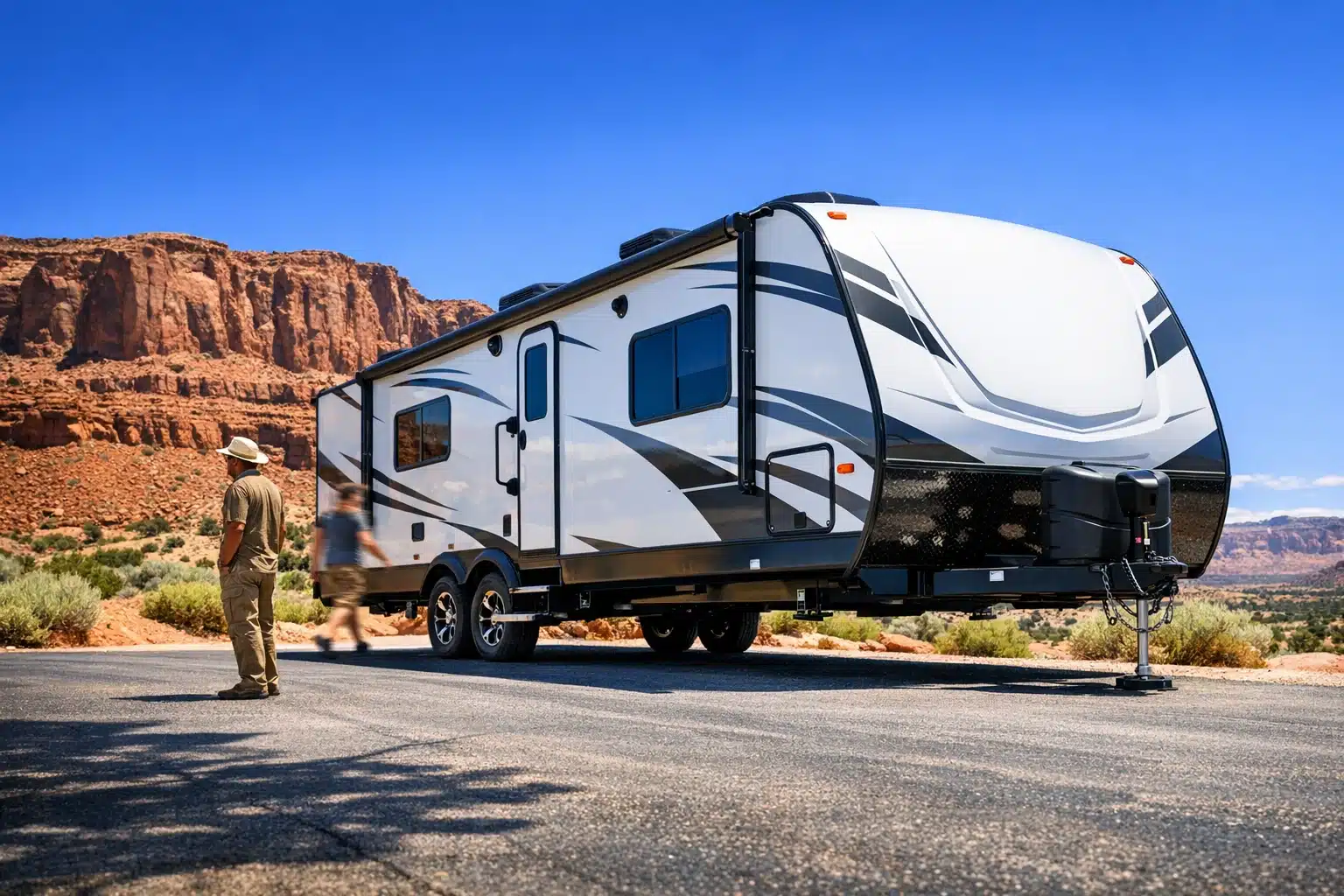
What to Check Before Buying a Used RV
Buying a used RV can feel like opening the door to freedom, only to wonder what might be hiding behind the next cabinet panel. A polished exterior and a fresh air freshener can distract from leaks, worn tires, or paperwork problems that turn road-trip dreams into repair bills. Knowing what to inspect helps you separate a well-kept traveler from an expensive project. This guide walks through the checks that matter most before money changes hands.
Outline
- Confirm ownership, VIN details, maintenance records, recalls, and realistic market value.
- Inspect the roof, walls, floor, frame, and slide-outs for water intrusion and structural trouble.
- Evaluate tires, brakes, suspension, engine or towing gear, and road behavior during a test drive.
- Test electrical, plumbing, propane, HVAC, appliances, and safety devices as though you were already camping.
- Finish with an independent inspection, a repair budget, and a negotiation plan that fits your travel goals.
1. Start with the Paper Trail: Ownership, History, and Fair Value
Before you inspect a single cabinet hinge or climb onto the roof, begin with the documents. A used RV purchase can go wrong long before the first campsite if the title is unclear, the VIN does not match, or the seller cannot explain the unit’s history. The paper trail tells you whether the RV has been maintained with care or passed along like a mystery box on wheels.
First, verify that the Vehicle Identification Number on the title matches the VIN plate on the RV. On a motorhome, also compare the chassis VIN and odometer reading. If the seller still has a loan on the RV, ask how the lien will be cleared and who will handle the payoff paperwork. A clean title is ideal, while salvage, rebuilt, flood, or theft-recovery branding deserves much closer scrutiny. Those labels do not always mean “never buy,” but they do mean “investigate everything twice.”
Service records matter because they show patterns, not just repairs. Look for evidence of regular oil changes on motorized RVs, roof resealing, bearing service on trailers, brake work, battery replacement, and appliance maintenance. If the generator is included, check its hours and ask for logs showing when it was exercised and serviced. Many generators last a long time when they are used correctly and maintained consistently, but neglected units often become expensive side projects.
Useful questions to ask include:
- How long have you owned the RV, and why are you selling it?
- Has it ever had water damage, delamination, or a roof leak?
- Have any recalls been completed?
- Was it stored indoors, under cover, or fully exposed?
- What major parts have been replaced in the last five years?
You should also compare the asking price against similar listings in your area. Use valuation tools, dealer listings, and private-sale ads to see whether the number is realistic. Condition, mileage, generator hours, maintenance history, and included accessories all affect value. A seller may price an RV based on emotional attachment, but your offer should reflect evidence. If a coach has brand-new tires, recent roof work, and complete records, a stronger price may be justified. If it has missing manuals, vague history, and visible neglect, the lower number should come from math, not hunches.
Think of this stage as reading the RV’s biography before agreeing to become part of the next chapter. The goal is not to uncover perfection. It is to confirm that the story makes sense, the records line up, and the price fits the condition you can actually verify.
2. Inspect the Exterior, Roof, Frame, and Floor for Hidden Damage
Water is one of the most costly enemies of any RV, and it often sneaks in quietly. A used RV can look clean from ten feet away yet hide serious damage behind wall panels, under window frames, or beneath the bathroom floor. Cosmetic wear is normal. Structural moisture problems are not. This is why the exterior inspection deserves patience, a flashlight, and a willingness to look in places that are not glamorous.
Begin with the roof, because many expensive repairs start there. Examine lap sealant around vents, antennas, skylights, roof edges, and air-conditioning units. Cracked, missing, or poorly patched sealant is a warning sign. Press carefully on accessible areas to feel for soft spots. If the roof feels spongy, the issue may extend beyond surface materials. Roof replacement or structural repairs can cost several thousand dollars, especially if water has spread into insulation and framing.
Move down the sidewalls and look for delamination, which appears as bubbling, waviness, or separation in laminated fiberglass panels. That can indicate past or current moisture intrusion. Check around windows, compartment doors, marker lights, slide-out openings, and the front and rear caps. These are common leak paths. Inside storage bays, sniff for musty odors and inspect corners for staining, swollen wood, rusted fasteners, or fresh caulk that seems to be hiding older trouble rather than preventing future trouble.
The floor matters just as much as the roof. Walk every inch of it, especially near the bathroom, kitchen sink, shower, exterior door, slide corners, and the area around the bed. Soft flooring, discoloration, or uneven dips suggest hidden deterioration. Bring a moisture meter if you can; many buyers do, and professional inspectors use them regularly. Elevated moisture readings do not automatically kill the deal, but they should definitely slow it down.
Pay close attention to these areas:
- Roof seams, vent openings, skylights, and ladder mounts
- Window frames, slide-out seals, and compartment doors
- Front cap, rear wall, and lower corners near the floor line
- Underbody, frame rails, hitch points, and leveling jack mounts
- Wallpaper bubbles, ceiling stains, or trim that has pulled away
Do not skip the chassis or frame underside. Surface rust can be normal, especially in humid regions or snowy climates, but heavy scaling, flaking metal, bent supports, or poorly repaired welds deserve expert review. Trailer buyers should examine the tongue, coupler, pin box, stabilizer mounts, and axle attachment points. Motorhome shoppers should look for fluid leaks, damaged undercarriage panels, and signs of impact.
An RV should feel solid, not theatrical. If cabinets line up poorly, walls ripple, and doors refuse to close squarely, the unit may be telling you a larger story. Listen carefully. A beautiful floor plan cannot outshine a wet roof and a tired frame for very long.
3. Check the Running Gear, Tires, Brakes, and Road Behavior
A used RV is not just a living space with wheels attached as an afterthought. It is a vehicle, and sometimes a very heavy one. That means safety starts with the components that carry, steer, stop, and stabilize the unit. Whether you are considering a motorhome or a towable trailer, this part of the inspection can save you from expensive repairs and nerve-racking travel days.
For motorhomes, begin with the engine compartment. Check fluid levels and condition, including oil, coolant, brake fluid, transmission fluid where applicable, and power steering fluid. Look for wet spots, seepage, cracked belts, swollen hoses, and corrosion at terminals. Ask whether the engine was started before you arrived. A cold start reveals more than a warmed-up one, especially when it comes to smoke, hard starting, rough idle, or warning lights. Blue smoke, persistent white smoke, or a strong fuel smell should prompt much deeper investigation.
For travel trailers and fifth-wheels, the focus shifts to axles, brakes, suspension parts, wheel bearings, and hitch hardware. Uneven tire wear may indicate alignment or suspension problems. Sagging springs, worn equalizers, damaged shackles, or leaking brake components are clear warnings. If the trailer has electric brakes, test the brake controller response and the breakaway switch. The hitch coupler or kingpin area should show solid construction, not cracked metal or improvised repairs.
Tires deserve special attention because tread depth alone does not tell the full story. Many RV tires age out before they wear out. Check the DOT date code on each tire; the last four digits show the week and year of manufacture. Many technicians recommend close evaluation after five years and replacement somewhere around six to seven years, depending on storage, load, and condition. Cracks in the sidewall, uneven wear, bulges, or mismatched load ratings are all reasons to pause.
During the test drive, aim for a mix of city streets, rough pavement, turns, and highway speeds. An RV can look like a cabin on wheels and still behave like a shopping cart in a crosswind. Watch for:
- Steering wander or excessive play
- Brake pull, vibration, or unusual stopping distance
- Transmission hesitation or harsh shifting
- Clunks over bumps or rattles from loose suspension parts
- Dashboard warning lights or temperature spikes
Listen for wheel bearing noise, driveline vibration, and wind intrusion around seals. Test cruise control, mirrors, camera systems, and leveling controls if equipped. On diesel pushers or larger gas coaches, maintenance costs can be significant, so documented service becomes even more valuable. No used RV will drive exactly like a passenger car, but it should feel predictable, controllable, and stable. If the unit leaves you tense after fifteen minutes, imagine how you will feel after three hundred miles in summer traffic. That answer matters.
4. Test the Interior Systems as if You Were Already at a Campsite
Once the structure and driving components look promising, shift your attention to the systems that make the RV livable. This is where buyers sometimes rush, charmed by upholstery, lighting, or a roomy dinette, while missing a weak air conditioner, a failing refrigerator, or plumbing leaks hiding behind access panels. The smartest approach is simple: pretend you have already bought the RV and arrived for a weekend trip. Now try to make everything work.
Start with electrical power. Plug the RV into shore power if possible and verify that the converter is charging the batteries. If the unit has an inverter, test its operation too. Turn on lights, fans, slide-outs, the awning, vent motors, and every outlet you can reach, including GFCI outlets in the kitchen and bathroom. Inspect the battery bank for age, swelling, corrosion, and secure cabling. Lead-acid batteries often last roughly three to five years depending on care, so very old batteries may soon need replacement even if they still function during a short visit.
Next, move to the plumbing system. Fill the fresh tank or connect city water and run every faucet. Check under sinks, around the toilet base, behind access doors, and near the water heater for leaks or drips. Flush the toilet several times and inspect the bowl seal. Turn on the water pump and listen for cycling when no fixtures are open; if it keeps pulsing, there may be a leak or pressure issue. Ask the seller to demonstrate tank valves if practical, because sticky or damaged valves can turn a future dump station stop into a memorable disaster for all the wrong reasons.
Appliances should be tested methodically, not casually. A good sequence includes:
- Refrigerator on electric power and propane mode if applicable
- Air conditioner after it has run long enough to cool properly
- Furnace startup and heat output
- Water heater on all available power sources
- Stove, oven, microwave, and range hood fan
- Generator under a real load, such as the air conditioner
Also inspect propane lines, regulator condition, and detector status. Confirm that smoke, carbon monoxide, and LP gas alarms are present and within service life. Safety devices are small compared with the price of the RV, yet they carry enormous importance. Windows should open and latch, entry steps should operate securely, and emergency exits should not be blocked by modifications or storage.
Finally, do not ignore fit and finish. Open every cabinet, inspect furniture bases, test bed platforms, and check slide-out flooring edges. A few scratches are normal in a used coach. What you do not want is evidence that systems were used heavily but maintained lightly. Comfort in an RV comes from reliability, not just décor. A sofa can be reupholstered. A neglected refrigerator cooling unit or a leaking shower wall is a very different conversation.
5. Conclusion: Finish with a Final Walk-Through, an Independent Inspection, and a Realistic Budget
By the time you reach the final stage, you should know much more than whether the RV “feels nice.” You should have a working picture of its ownership history, structural condition, roadworthiness, and day-to-day functionality. Now the task is to turn that information into a smart buying decision. This is where discipline matters most, because excitement often peaks right when caution is needed.
Before agreeing on a price, do one more complete walk-through with a checklist. Take photos of every concern, even small ones. Minor defects add up, and they also help you negotiate from specifics rather than impressions. If the seller claims something will be fixed before sale, get that promise in writing. Verbal assurances can disappear faster than a campsite sunset.
An independent RV inspection is one of the best investments a buyer can make, especially for first-time owners, high-value units, older motorhomes, or any RV showing even a hint of water damage. A qualified inspector can pressure-test systems, measure moisture, verify appliance operation, and spot structural or mechanical issues that buyers miss. If you are purchasing a motorhome, a separate chassis or engine inspection by a trusted mechanic is also wise. Two expert opinions may cost a few hundred dollars, but they can prevent a far more painful surprise later.
When it is time to negotiate, build your offer around evidence:
- Expected tire replacement if the date codes are old
- Roof resealing or water-damage repair estimates
- Battery, brake, bearing, or suspension work needed soon
- Appliance problems or missing safety equipment
- Comparable listings that better match true condition
Remember to budget beyond the purchase price. Registration, insurance, storage, campground fees, maintenance tools, hoses, surge protection, and routine service all affect the real cost of ownership. For many buyers, the first year is the most expensive because they are still building their setup and learning what their style of travel requires.
If you are a family planning weekend escapes, a retiree preparing for longer tours, or a solo traveler chasing quieter roads, the right used RV is the one that fits your needs without stretching your budget or your patience. Let condition guide emotion, not the other way around. A careful purchase may take longer, but it usually leads to better miles, fewer breakdowns, and far more enjoyable mornings with coffee outside the door. In the end, you are not buying a fantasy. You are buying a machine, a shelter, and a travel partner, and all three deserve a proper introduction.