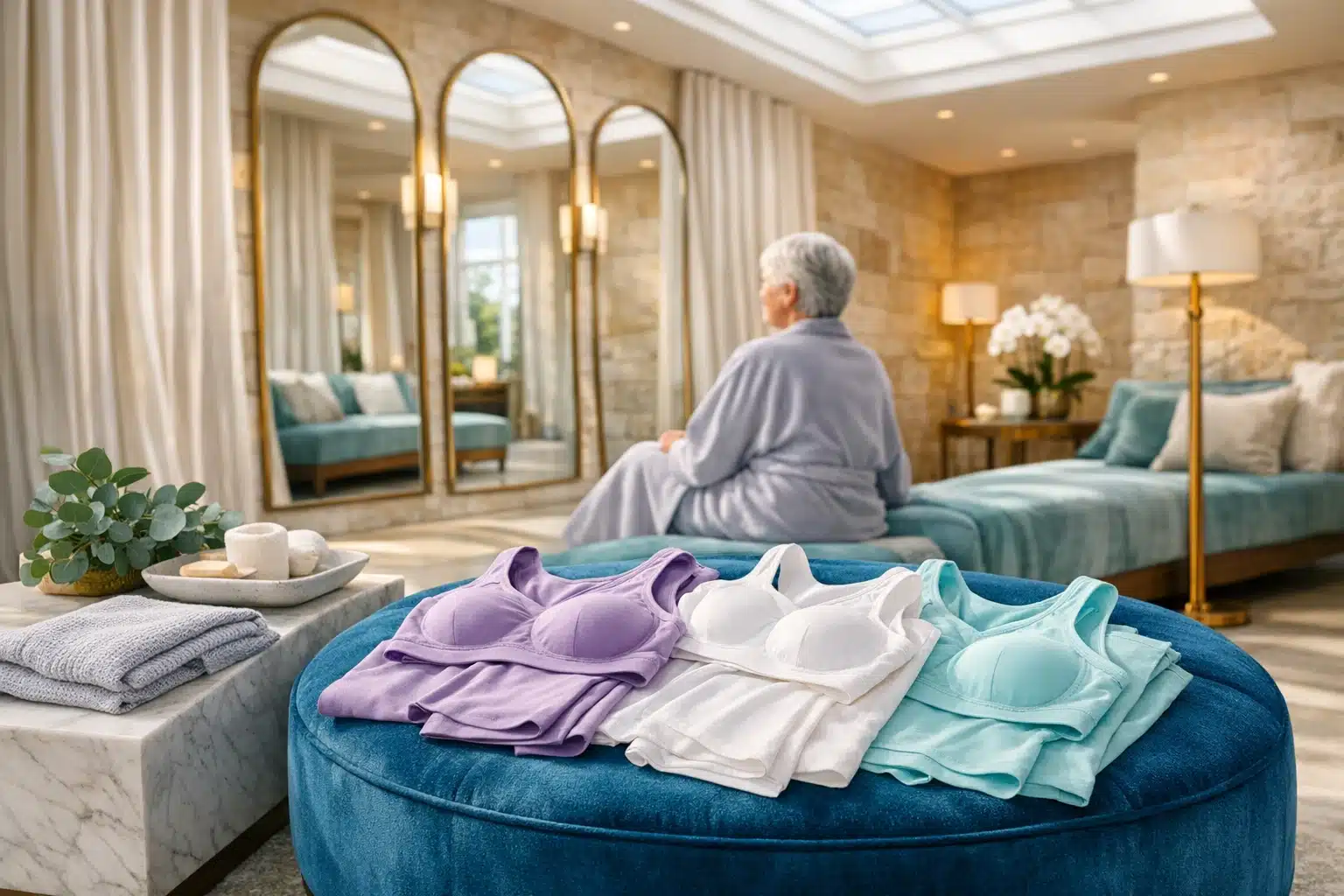
Comfort and Durability in Intimate Wear for Seniors
For many older adults, intimate wear is one of the most important pieces in the wardrobe because it touches the skin all day and affects comfort from morning to night. A waistband that pinches, a seam that rubs, or fabric that traps heat can turn a normal day into a tiring one. The right choice supports mobility, dignity, and confidence while also standing up to frequent washing. This guide looks at how seniors and caregivers can judge fit, materials, durability, and ease of care with a practical eye.
Outline: This article covers five core areas: why comfort needs often change with age, which fabrics protect sensitive skin while staying breathable, how garment construction influences durability, what fit and accessibility features support independence, and how to buy, wash, and replace intimate wear wisely for long-term value.
Why Comfort Becomes a Priority in Later Life
Comfort in intimate wear matters at every age, but it often becomes more important in later life because the body changes in quiet, practical ways. Skin may become thinner, drier, or easier to irritate. Some seniors spend more time seated, which puts extra pressure on waistbands, leg openings, and seams. Others deal with swelling, reduced flexibility, temperature sensitivity, or circulation concerns that make a once-acceptable garment feel unkind. Intimate wear is not just another layer. It is the layer that stays in constant conversation with the body, and that conversation should be calm rather than argumentative.
Daily routines also raise the stakes. A younger shopper might tolerate a fashionable but restrictive piece for a short event, while an older adult usually needs reliable comfort for a full day that may include walking, resting, appointments, errands, and perhaps changing clothes more than once. If a bra strap digs in, if briefs shift under trousers, or if a side seam creates pressure while sitting, the irritation tends to build rather than fade. This can affect mood, concentration, and willingness to stay active. Good intimate wear should almost disappear from attention. The best sign is often simple: by lunchtime, the wearer has forgotten it is there.
There is also a dignity factor that families sometimes overlook. Clothing that is easy to wear and gentle on the skin can help seniors maintain independence longer. A person who dresses without strain often starts the day with more confidence. This is especially relevant for people managing mild incontinence, arthritis, or mobility changes. In those cases, comfort is tied to practical function. A soft waistband is not a luxury detail; it can mean easier dressing. A full-coverage brief is not unfashionable by default; it may prevent bunching, slipping, or unnecessary exposure during movement.
Signs that comfort is genuinely working include:
- No red marks or chafing after several hours of wear.
- A waistband that stays in place without rolling or squeezing.
- Leg openings that do not ride up while walking or sitting.
- Fabric that feels breathable in warm rooms and cozy without overheating in cool ones.
- Enough stretch for movement, with enough structure to recover its shape afterward.
When these basics are met, intimate wear supports the day quietly, like good lighting in a room: rarely praised, always noticed when it fails.
Fabrics, Breathability, and Skin Protection
Fabric choice is where comfort and durability begin. For seniors, the right material should do several jobs at once: feel soft against the skin, allow airflow, manage moisture, and survive regular washing. Cotton remains popular because it is familiar, breathable, and generally easy on sensitive skin. It absorbs moisture well, which can feel pleasant in moderate conditions, but it also dries more slowly than many synthetic blends. That means pure cotton may not always be ideal for someone who perspires heavily or needs garments to dry quickly after laundering. Cotton blends often solve this by adding a small amount of elastane or polyester for recovery and faster drying.
Modal and similar regenerated fibers are often praised for their smooth feel and drape. Many people find them silkier than standard cotton, and that softness can be welcome when skin feels delicate. Microfiber blends are another common option, especially in products designed to stay light and dry. They tend to wick moisture well and dry faster than cotton, though some wearers prefer the more natural hand feel of cotton-based fabrics. Merino wool, used less often but very effectively in some premium garments, offers temperature regulation and odor resistance, yet it may be more expensive and may require a gentler care routine. The best choice depends on climate, activity, skin sensitivity, and how much maintenance the wearer or caregiver can realistically handle.
Construction details inside the fabric matter just as much as fiber type. Flat seams reduce rubbing. Tagless labels prevent scratching at the neck or waistband. A soft gusset lining in underwear adds comfort where friction is most noticeable. In bras or undershirts, brushed linings and wide underbands often feel steadier than narrow elastic strips. A fabric can sound impressive on a label and still fail in practice if the inner stitching is rough or the edges are poorly finished. That is why touch matters. If possible, run a hand along the inside, not just the outside.
A useful way to compare common materials is to think in trade-offs:
-
Cotton: breathable and familiar, but usually slower to dry.
-
Modal blends: very soft and smooth, but quality varies by brand.
-
Microfiber: light and quick-drying, though some people dislike the slick feel.
-
Wool blends: excellent temperature balance, usually higher in cost.
-
Elastane content: adds stretch and shape recovery, but too much can feel tight or trap heat.
For many seniors, the sweet spot is a balanced blend rather than an extreme. The goal is not a miracle fabric. It is a dependable one that feels good at 8 a.m., still feels good at 3 p.m., and does not surrender after a few trips through the wash.
Durability, Construction, and Real Value Over Time
Durability is sometimes treated like a secondary concern in intimate wear, but for seniors it is part of everyday comfort and budgeting. Garments that lose shape quickly do not simply look worn. They become less supportive, less predictable, and often less hygienic. A stretched waistband can slide down when standing up from a chair. Thinned fabric can become see-through or less absorbent. Loose threads can turn into split seams. In short, durability is not just about getting more months from a purchase. It is about keeping the fit and function stable over repeated use.
The first signs of quality are usually hidden in construction. Look for even stitching, reinforced stress points, and elastic that is enclosed or securely attached rather than loosely tacked on. Wide waistbands generally distribute pressure better than narrow ones and often last longer because the force is spread across more surface area. Double-layer panels in key areas can improve both comfort and lifespan. In bras, secure hook placements, substantial side panels, and straps that do not twist easily are all signs of better engineering. In briefs, the gusset, leg binding, and seam finish deserve close attention. These are the places where low-quality garments often fail first.
There is also a useful difference between price and value. A very cheap multipack may seem economical, but if the fabric pills, the elastic warps, or the seams distort after a handful of hot washes, the cost per wear rises quickly. A slightly more expensive garment that keeps its shape for a year or longer may be the better purchase. Imagine one pair that costs four units and lasts three months versus another that costs twelve units and lasts eighteen months. The second option feels costlier at the register, yet often proves cheaper over time, especially when it prevents the frustration of frequent replacement.
Durability clues worth checking before purchase include:
- Fabric that springs back after being gently stretched.
- Seams that lie flat and do not show loose thread ends.
- Elastic that feels firm without feeling brittle.
- A care label that does not demand unrealistic maintenance for daily wear.
- Reviews that mention shape retention after multiple washes, not just first impressions.
Good intimate wear should age gracefully. It should soften a little, not collapse. Like a dependable chair or a favorite mug, it earns trust by being ordinary in the best possible way.
Fit, Accessibility, and Everyday Independence
Fit is more than choosing the right size. For seniors, fit also includes how a garment works with posture, movement, dexterity, and daily routine. Bodies change over time in ways that standard size charts do not always capture. A person may carry weight differently around the waist, spend more time seated, or have swelling that changes across the day. Shoulder stiffness can make certain bras difficult to fasten. Arthritis may turn tiny hooks or narrow elastic edges into genuine obstacles. This is why fit should be judged in motion, not only in the fitting room mirror.
For underwear, rise matters a great deal. Higher-rise briefs often suit seniors because they sit more securely, reduce rolling, and provide fuller coverage during sitting and bending. Full briefs can be more stable than lower-cut styles for those who want predictability. On the other hand, some wearers prefer boxer-brief styles or longer-leg options because they reduce thigh friction. In bras, wire-free designs with wide straps are often preferred for daily comfort, while front-closure styles can help those with limited shoulder reach. A pullover bra may be simple for one person and impossible for another. Accessibility is personal, so the most practical design is the one the wearer can manage confidently without strain.
Adaptive features deserve more attention than they usually get. Side-fastening underwear, easy-grip tabs, front-opening camisoles, and soft closures can support both independent dressing and assisted care. These products are not only for advanced disability. They can help anyone who wants to reduce effort, preserve energy, or make dressing feel less like a puzzle. For caregivers, well-designed intimate wear can also make hygiene routines smoother and less intrusive. That matters because comfort is emotional as well as physical. A garment that allows privacy and control often improves the whole tone of the day.
When checking fit, it helps to ask practical questions:
- Can the wearer pull it on and off without twisting, hopping, or painful reaching?
- Does it stay comfortable while sitting for an hour, not just while standing for one minute?
- Do the straps, waist, or leg openings leave deep marks?
- Does the fabric bunch under trousers, skirts, or sleepwear?
- Will the style still work on days when swelling or fatigue is worse than usual?
A good fit supports independence quietly. It respects the body as it is now, not as a size chart assumes it should be.
Choosing, Caring for, and Replacing Intimate Wear: Final Advice for Seniors and Caregivers
Buying intimate wear wisely is often less about chasing brands and more about building a small, dependable rotation. For seniors, that usually means choosing enough pieces to allow regular washing without overusing the same favorites. A practical drawer may include several everyday pairs for daytime wear, a few softer options for sleep or recovery days, and one or two higher-support items for outings when more structure feels useful. Shopping with a short checklist can prevent expensive mistakes: check the inside seams, read the fiber blend, stretch the waistband gently, and imagine the garment after twenty washes rather than after one flattering try-on.
Care routines have a direct effect on durability. High heat is the quiet enemy of elastic. Harsh detergents can stiffen fibers or irritate sensitive skin if not rinsed well. A gentle cycle, moderate water temperature, and low-heat drying usually help garments keep their shape longer. Mesh laundry bags can protect bras and lighter underwear from snagging. Rotating several pieces instead of wearing the same few on repeat also reduces premature wear. These are modest habits, but they add up. Intimate wear lives a hardworking life, and small routines keep that life from becoming shorter than it needs to be.
It is also worth knowing when to replace items. Many people keep undergarments far beyond their useful life because they still look serviceable at a glance. Yet clear signs of decline include elastic that no longer recovers, fabric that has become thin or rough, seams that twist, odors that remain after washing, and support panels that have lost structure. Replacement is not vanity. It is maintenance. Just as worn shoes can affect balance, worn intimate wear can affect comfort, skin condition, and confidence throughout the day.
For seniors and caregivers, the best approach is practical and kind. Choose garments that respect sensitive skin, support easy movement, and hold up under real-world care. Give more weight to stable fit and soft construction than to trends or packaging claims. If a piece feels easy to put on, stays comfortable for hours, washes well, and keeps its shape, it is doing its job beautifully. In the end, the right intimate wear is not memorable because it is flashy. It is memorable because it makes ordinary life feel smoother, lighter, and more manageable, which is exactly what many older adults need from the clothes closest to the body.