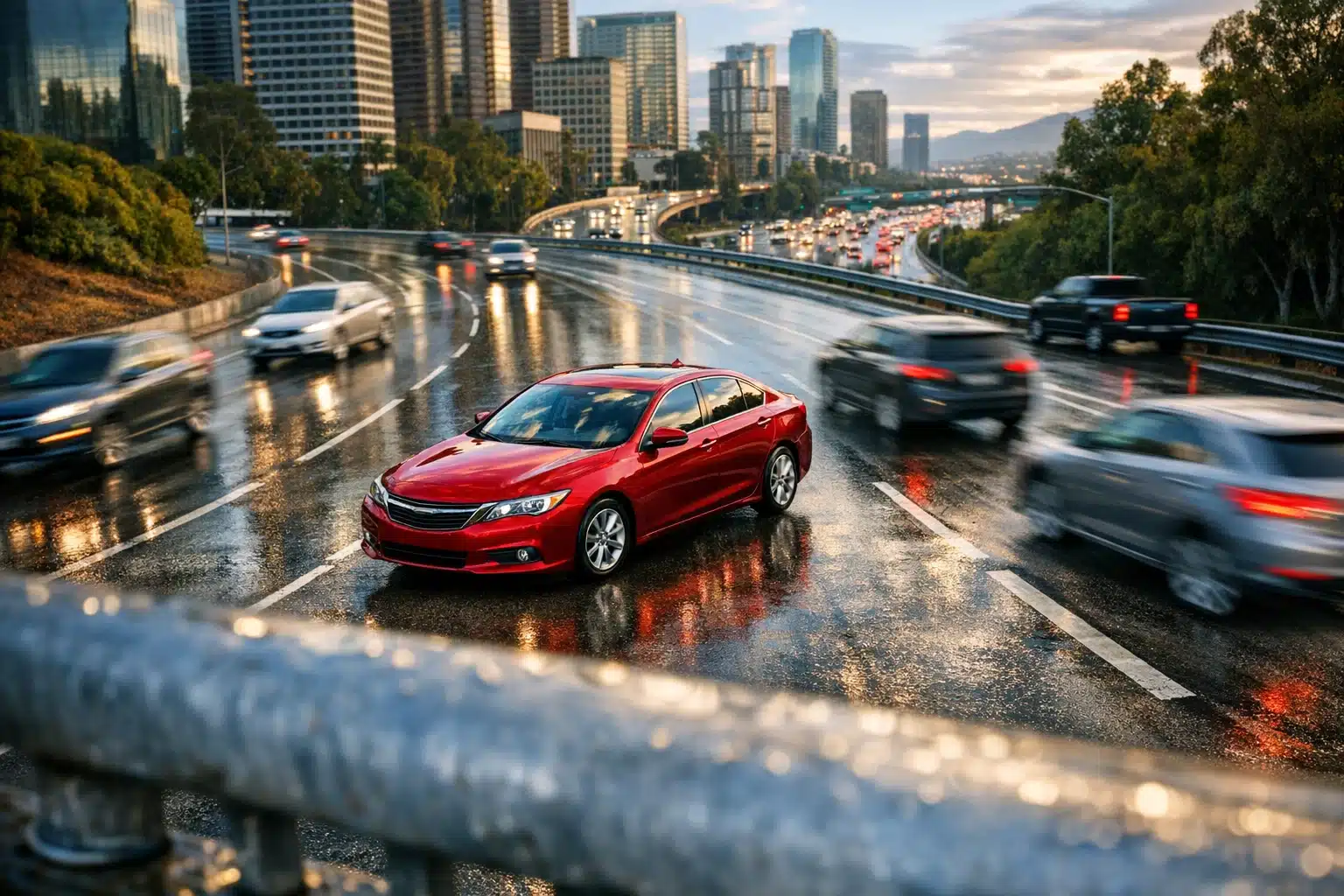
What Are the Most Reliable Cars in the USA?
Buying a car in the USA is rarely just about horsepower, giant screens, or the badge on the hood. For most people, the real test comes later, on dark winter mornings, in packed commuter traffic, and during the fifth year of ownership when warranties fade and repair bills start to speak louder. Reliability matters because breakdowns waste time, drain savings, and complicate daily life. Finding a dependable model is therefore less about marketing sparkle and more about choosing a machine that stays calm when life gets noisy.
This article follows a simple outline before diving deeper: how reliability is measured in the American market, which brands have built strong dependability reputations, which sedans and hybrids are safest bets, which SUVs and trucks deserve attention, and how buyers can match a reliable vehicle to budget, mileage, and ownership goals.
How Reliability Is Measured in the U.S. Market
When Americans ask which cars are the most reliable, they are often mixing together several different ideas. Some mean a vehicle that rarely needs unscheduled repairs. Others mean low annual maintenance costs, strong resale value, or a car that still feels tight and trustworthy at 150,000 miles. In practice, reliability is best understood as a combination of durability, repair frequency, repair severity, and the cost of keeping the vehicle on the road.
Several well-known sources shape the conversation in the United States. J.D. Power’s Vehicle Dependability Study looks at problems reported by owners of three-year-old vehicles and presents them as problems per 100 vehicles. Consumer Reports uses large-scale owner surveys and examines trouble areas such as engines, transmissions, electronics, climate systems, brakes, and suspension. RepairPal estimates ownership-related repair costs and frequency, while federal recall records from the National Highway Traffic Safety Administration show where manufacturers have had widespread safety or quality issues. None of these sources is perfect on its own, but together they form a useful picture.
A reliable car usually shares a few traits. It often uses proven components instead of brand-new, first-year engineering. Its engine and transmission combination has typically been on the market long enough for major bugs to be discovered and fixed. It also tends to avoid unnecessary complexity. That does not mean modern features are bad, but more software, more sensors, and more electronic hardware create more potential failure points. Sometimes the quiet hero of reliability is not the flashiest car in the showroom; it is the model that has been refined over several generations until it works like a favorite kitchen appliance with headlights.
Shoppers should also separate initial quality from long-term dependability. A car can feel impressive in its first year and still become troublesome later. By contrast, some vehicles have plain interiors or conservative styling yet perform superbly over time. That is why a test drive alone cannot answer the reliability question.
- Look at long-term owner survey data, not just launch reviews.
- Check recalls and technical service bulletins for recurring issues.
- Study the exact model year, engine, and transmission, because one trim can differ sharply from another.
- Consider maintenance access and parts availability, especially for used cars.
In short, reliability is not a slogan. It is a pattern. The most reliable cars in the USA are the ones that repeatedly perform well across surveys, ownership reports, and real-world mileage rather than simply winning attention in advertisements.
Brands That Consistently Earn a Strong Reliability Reputation
Although no manufacturer gets every model right, a handful of brands have repeatedly built strong reputations for reliability in the U.S. market. Toyota is the name most commonly associated with dependability, and not by accident. The company has long favored gradual engineering changes, proven powertrains, and conservative tuning over dramatic experimentation. That approach can make some vehicles feel less exciting on paper, but it often pays off after years of use. The Toyota Corolla, Camry, Prius, and RAV4 have all developed loyal followings because they tend to age with fewer unpleasant surprises than many rivals.
Lexus, Toyota’s luxury division, benefits from much of the same engineering discipline. Models such as the Lexus ES and RX are frequently praised for combining comfort with durability. In the premium market, that matters. Luxury cars can be wonderful when new, but the wrong one can become expensive once electronics, air suspension systems, or complicated turbocharged setups begin to age. Lexus has often stood out by delivering a quieter and more polished experience without straying too far from proven mechanical foundations.
Honda also belongs in the reliability conversation, especially with staples such as the Civic, Accord, and CR-V. Honda’s reputation rests on efficient engines, solid packaging, and decades of strong small-car engineering. That said, wise buyers still check specific years and powertrains, because even highly respected brands can produce weaker transmissions, oil-dilution concerns, or infotainment glitches in certain periods. Reliability is a family resemblance, not a blood oath.
Mazda has gained more attention in recent years for building vehicles that feel more refined than their price tags suggest while maintaining strong reliability scores. Models like the Mazda3 and CX-5 are often appreciated for avoiding overcomplicated engineering while delivering better-than-average driving manners. Subaru is another important name, especially in regions where all-wheel drive is valued, though buyers should still compare engines and model years carefully.
- Toyota and Lexus are widely seen as benchmark brands for long-term dependability.
- Honda remains a strong contender, especially in core commuter models.
- Mazda has become a favorite for buyers who want reliability with a more engaging drive.
- Subaru appeals to practical buyers, particularly where weather and terrain matter.
One useful rule is to trust patterns rather than mythology. A brand may have a sterling reputation overall, yet a newly redesigned model can still be riskier than an older, well-sorted version. Likewise, a less glamorous brand can sometimes offer an exceptionally dependable model. For American buyers, the best approach is to start with reliable brands, then narrow down to proven individual vehicles rather than assuming every car from a respected manufacturer is equally bulletproof.
Reliable Sedans, Hatchbacks, and Hybrids Worth Shortlisting
If the goal is simple, affordable, long-term transportation, sedans and hatchbacks still make an excellent case in the American market. They are often lighter than SUVs, usually return better fuel economy, and can be cheaper to maintain over time. Among compact and midsize cars, the Toyota Corolla remains one of the safest recommendations. It has built a long reputation for low running costs, predictable mechanical behavior, and broad parts availability. It is not the car that walks into a room demanding applause, but it often leaves ownership stories with fewer dramatic plot twists.
The Toyota Camry deserves equal attention for drivers who want more space and comfort without moving into an SUV. It has long been associated with strong resale value and durable powertrains. Camry hybrid versions are particularly interesting for high-mileage drivers, because Toyota’s hybrid system has developed one of the best reputations in the industry. The Prius, once treated as a niche fuel-economy machine, is now widely recognized as one of the most durable hybrid nameplates in America. Taxi fleets, rideshare drivers, and long-distance commuters have all helped prove that a well-maintained Prius can cover serious mileage.
Honda’s Civic and Accord also belong near the top of most reliability shortlists. The Civic offers excellent everyday practicality, and the Accord brings more interior room while maintaining strong efficiency. Mazda’s Mazda3 is another smart pick, especially for buyers who want a car that feels more polished behind the wheel. It often combines above-average dependability with a cabin and driving experience that feel a step more upscale than many mainstream competitors.
For those shopping with a bigger budget, the Lexus ES stands out as one of the most reliable luxury sedans sold in the USA. It is rarely the loudest or sportiest option, but it has earned a reputation for quiet comfort, smooth operation, and lower long-term risk than many European rivals. That matters when ownership extends beyond the warranty window.
- Toyota Corolla: excellent for low-cost commuting and long ownership.
- Toyota Camry: a dependable midsize option with broad appeal.
- Toyota Prius: one of the strongest long-term hybrid choices.
- Honda Civic and Accord: balanced, efficient, and widely trusted.
- Mazda3 and Lexus ES: strong alternatives for drivers wanting more refinement.
The common thread among these cars is not perfection but consistency. They tend to avoid catastrophic patterns, they are well supported in the service market, and they usually retain value because used-car buyers trust them. For many American households, that combination makes them the most reliable cars not just in theory, but in the day-to-day reality of ownership.
Reliable SUVs and Pickups for American Drivers
Even though the title asks about cars, the American market has shifted so strongly toward SUVs and trucks that any serious reliability discussion should include them. Many buyers today want a higher driving position, more cargo flexibility, or all-weather confidence. The challenge is that larger vehicles can be more expensive to repair, and some use more complicated drivetrains. That makes choosing carefully even more important.
The Toyota RAV4 is one of the strongest answers for shoppers who want reliability in a compact SUV. It has been consistently popular for years, and its reputation rests on the same formula that helps Toyota’s sedans: proven engineering, good fuel economy, and strong resale value. The RAV4 Hybrid is especially attractive because Toyota’s hybrid technology has matured impressively in the U.S. market. For many families, it offers a rare combination of practicality, efficiency, and long-term confidence.
Honda’s CR-V is another standout. It has long been one of America’s most sensible crossover choices, with a roomy cabin, strong visibility, and good packaging. Depending on model year and engine, some buyers may prefer one generation over another, but the CR-V remains a regular presence in dependability conversations. Mazda’s CX-5 is also worth considering, particularly for drivers who want an SUV that feels more composed and upscale than the segment average without stepping into luxury-brand repair risk.
Subaru’s Forester and Outback appeal to a different kind of buyer: people who prioritize traction, outdoor utility, and honest practicality. They are especially common in snowy states and among drivers who mix highway travel with rougher roads. Reliability can vary by generation, so careful model-year research matters, but these models remain highly relevant for buyers who need all-wheel-drive confidence as part of daily life.
In the luxury SUV space, the Lexus RX has become something close to a default recommendation for people who want comfort without courting constant service visits. It is not cheap, but compared with many premium rivals, it often presents a calmer ownership experience. Among pickups, the Toyota Tacoma and Honda Ridgeline are frequently cited as dependable options. Full-size domestic trucks can be excellent tools, but reliability often depends heavily on engine choice, towing history, and how hard the truck has been worked.
- Toyota RAV4 and RAV4 Hybrid: dependable all-around family choices.
- Honda CR-V: practical, efficient, and consistently competitive.
- Mazda CX-5: strong for buyers who value reliability and driving polish.
- Subaru Forester and Outback: especially appealing in snow and mixed terrain.
- Lexus RX, Toyota Tacoma, and Honda Ridgeline: smart picks in premium SUV and pickup categories.
For American drivers, the most reliable SUV or truck is usually the one that matches actual use. Buying more vehicle than necessary can mean more complexity, more fuel, and more cost. Reliability improves when the machine fits the job instead of trying to perform every job at once.
Conclusion: How to Choose a Reliable Car for Your Budget and Driving Life
For most buyers in the USA, the most reliable car is not automatically the newest, the most expensive, or the one with the highest social media buzz. It is the vehicle with a strong long-term record, a sensible maintenance profile, and a design that suits the owner’s real life. A commuter covering 80 miles a day may be best served by a Prius, Corolla, Civic, or Camry. A small family may get better value from a RAV4 or CR-V. A buyer with a larger budget who still hates surprise repair bills may find the Lexus ES or RX especially appealing.
The smartest way to shop is to combine model reputation with specific research. A dependable badge helps, but the exact year, engine, transmission, and maintenance history matter just as much. For used vehicles, service records are gold. A well-kept car from a decent model line is often a better bet than a neglected example from a famous reliability champion. Mileage matters, but maintenance discipline matters more than many shoppers realize.
- Favor models with strong multi-year reliability records.
- Be cautious with first-year redesigns and brand-new powertrains.
- Review recall history and common owner complaints before buying.
- Get a pre-purchase inspection for any used vehicle under consideration.
- Match the vehicle to your actual needs instead of buying on image alone.
There is also a financial angle that deserves emphasis. Reliable cars tend to cost less over the full ownership cycle, not just at the repair shop. They often hold value better, spend less time off the road, and create fewer emergency expenses. That stability can matter as much as sticker price. A slightly higher purchase price for a durable model may be cheaper in the long run than a bargain car that demands constant attention.
If you are deciding where to start, a practical shortlist would include Toyota, Lexus, Honda, and Mazda models first, with Subaru, select pickup options, and carefully researched alternatives close behind. Think of reliability as freedom: freedom from missed appointments, freedom from towing invoices, and freedom from that sinking feeling when an unfamiliar warning light appears. For shoppers who want confidence over drama, the most reliable cars in the USA are usually the ones built on proven engineering, owned with discipline, and chosen with patience rather than impulse.