What to Drink at Night to Support Healthy Blood Pressure
Blood pressure does not stay fixed; it rises and falls with stress, movement, sleep, meals, and even how much water you drank that afternoon. Because the body often shifts into a quieter rhythm at night, your evening beverage can either support that transition or push against it. A smart choice will not act like a magic switch, but it may help create conditions that favor healthier readings over time. That is why the question is less about a miracle drink and more about building a sensible habit you can repeat.
Outline
- Why evening beverage choices matter for blood pressure and nighttime recovery
- How plain water and hydration support healthier readings without hype
- Which caffeine-free drinks may help, including hibiscus tea, chamomile tea, and milk or fortified soy drinks
- What to avoid at night, from alcohol and caffeinated drinks to sugary beverages and high-sodium options
- How to build a practical bedtime routine that fits real life and supports long-term blood pressure goals
1. Why Your Nighttime Drink Matters More Than It Seems
Blood pressure follows a daily rhythm. In many healthy people, it drops during sleep, a pattern sometimes called “nocturnal dipping.” That gentle nighttime decline gives the cardiovascular system a chance to ease off the accelerator. When sleep is poor, stress is high, alcohol is involved, or stimulants linger in the bloodstream, that overnight drop may become less consistent. This is one reason evening habits deserve more attention than they usually get.
What you drink before bed influences several connected systems at once. Hydration affects blood volume and circulation. Caffeine can stimulate the nervous system for hours, even when you no longer feel obviously alert. Alcohol may seem relaxing at first, but it often fragments sleep later in the night. Large sugary drinks can nudge blood sugar and appetite upward, which is not ideal if weight management is part of the broader blood pressure plan. A late-night beverage is never just a beverage; it is a small signal sent into a very busy control room.
There is also a practical side to timing. Drinking too little during the evening may leave you mildly dehydrated, especially after exercise, hot weather, or a long day of coffee. Drinking too much right before lying down can interrupt sleep with repeated bathroom trips. The sweet spot is usually moderate: enough fluid to avoid thirst and dryness, not so much that sleep becomes a relay race between the bed and the hallway.
Several well-known blood pressure strategies support this idea. The DASH eating pattern emphasizes potassium, calcium, magnesium, lower sodium intake, and overall dietary quality. Sleep research also links short or disrupted sleep with higher blood pressure risk over time. So when people ask, “What should I drink at night?” the best answer is rarely a dramatic one. Instead, it sits inside a bigger picture:
- Choose drinks that do not overstimulate the body.
- Favor options without excess sugar or sodium.
- Use nighttime beverages to support relaxation and hydration.
- Match the choice to your health status, medications, and sleep needs.
Think of the evening drink as a quiet stagehand, not the lead actor. It helps set the scene, but it does not perform the whole play. If you already take blood pressure medication, have kidney disease, are on fluid restrictions, or have been told to limit potassium, the “best” drink may differ from the general advice. Still, for many adults, a thoughtful nighttime beverage can be one of those modest changes that feels small in the moment and meaningful over months.
2. The Most Reliable Starting Point: Water and Smart Hydration
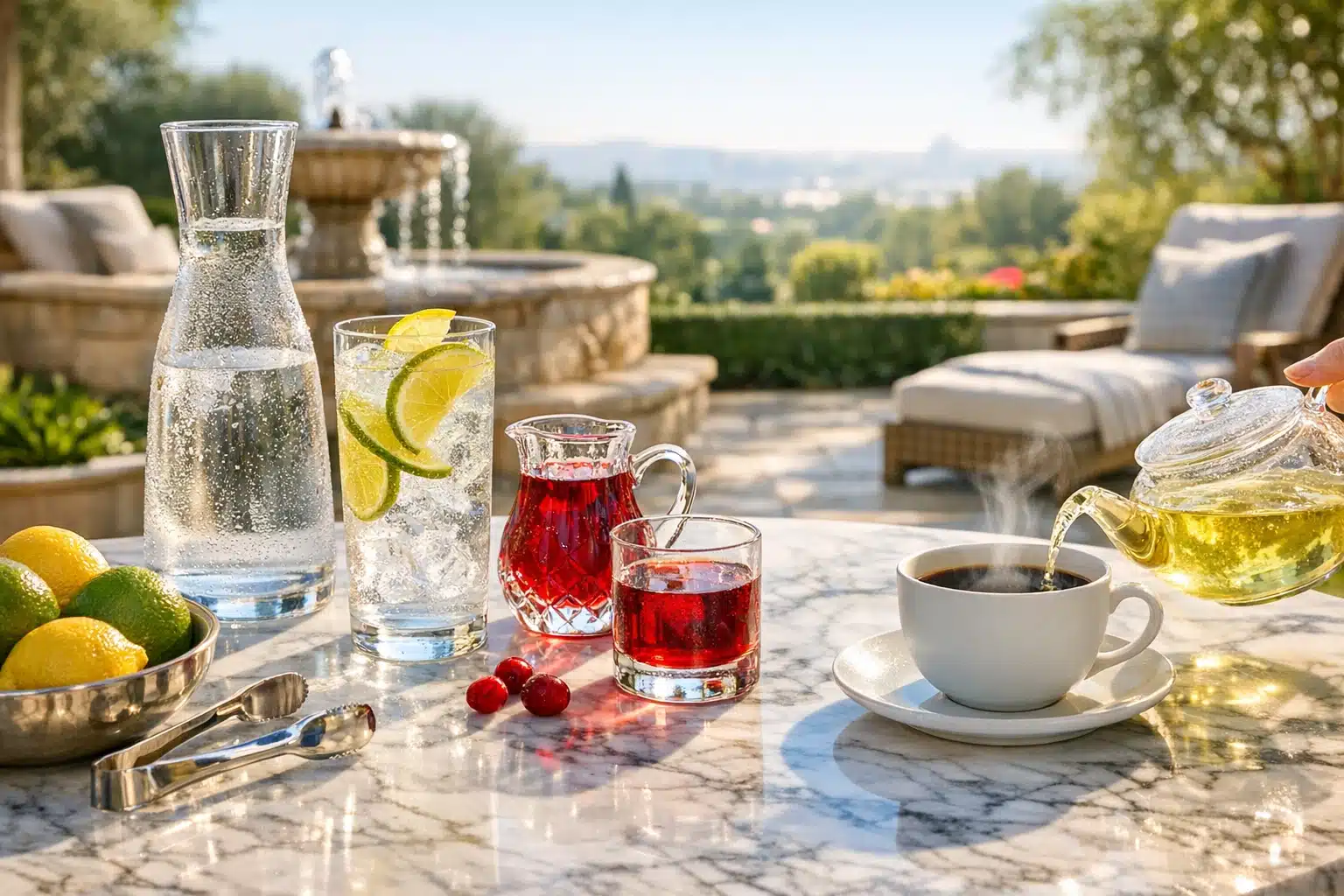
If there is one nighttime drink that deserves first place for consistency rather than glamour, it is plain water. It does not promise miracles, it does not need a marketing campaign, and it generally fits almost every healthy routine. Mild dehydration can make the body work harder to maintain balance, and in some people it may contribute to headaches, fatigue, and an overall sense that the system is running a little rough. Water helps restore baseline conditions, which is often exactly what the body needs before sleep.
That said, the message is not “drink as much as possible.” Overdoing fluids close to bedtime can interrupt sleep, and sleep quality matters for blood pressure regulation. A reasonable approach for many people is a small to moderate glass of water in the evening, especially if the day included exercise, warm weather, salty meals, or several caffeinated drinks. If you are thirsty, that is a simple clue worth respecting. If you are forcing down large amounts out of fear, that usually is not helpful.
Some people prefer mineral water in place of plain water. This can be fine, especially if it is low in sodium. Certain mineral waters contain magnesium or calcium, both of which are relevant to cardiovascular health. Still, the differences are usually modest, and they should not be treated like a shortcut around the basics of diet, activity, sleep, and prescribed treatment. In practical terms, the comparison looks like this:
-
Plain water: the most dependable choice, calorie-free, widely suitable, and easy to fit into any routine.
-
Low-sodium mineral water: a reasonable alternative if you enjoy it and the label is favorable.
-
Electrolyte drinks: usually unnecessary at bedtime unless you are replacing heavy sweat losses, and many versions contain added sugar or sodium.
For people who find water too plain, temperature can change the experience. Cool water can feel refreshing after a long day, while warm water may feel gentler and more calming. Neither has special blood pressure powers on its own, but comfort matters because repeated habits grow out of what feels easy, not what feels forced.
There are, however, exceptions worth noting. If you have heart failure, advanced kidney disease, significant swelling, or a clinician has given you fluid limits, do not assume generic hydration advice applies to you. In those situations, the right amount of fluid can be highly individualized. For everyone else, water remains the most sensible foundation: it supports the body without stimulating it, adds nothing unnecessary, and keeps the evening routine simple. In a health world crowded with dramatic claims, that kind of simplicity is refreshingly honest.
3. Helpful Alternatives: Hibiscus Tea, Chamomile, and Nutrient-Rich Evening Drinks
Once water has claimed its rightful place, the next question is which other nighttime drinks may genuinely support healthy blood pressure without drifting into folklore. Three options deserve a careful look: hibiscus tea, chamomile tea, and unsweetened milk or fortified soy drinks. They are not interchangeable, and each works in a different lane.
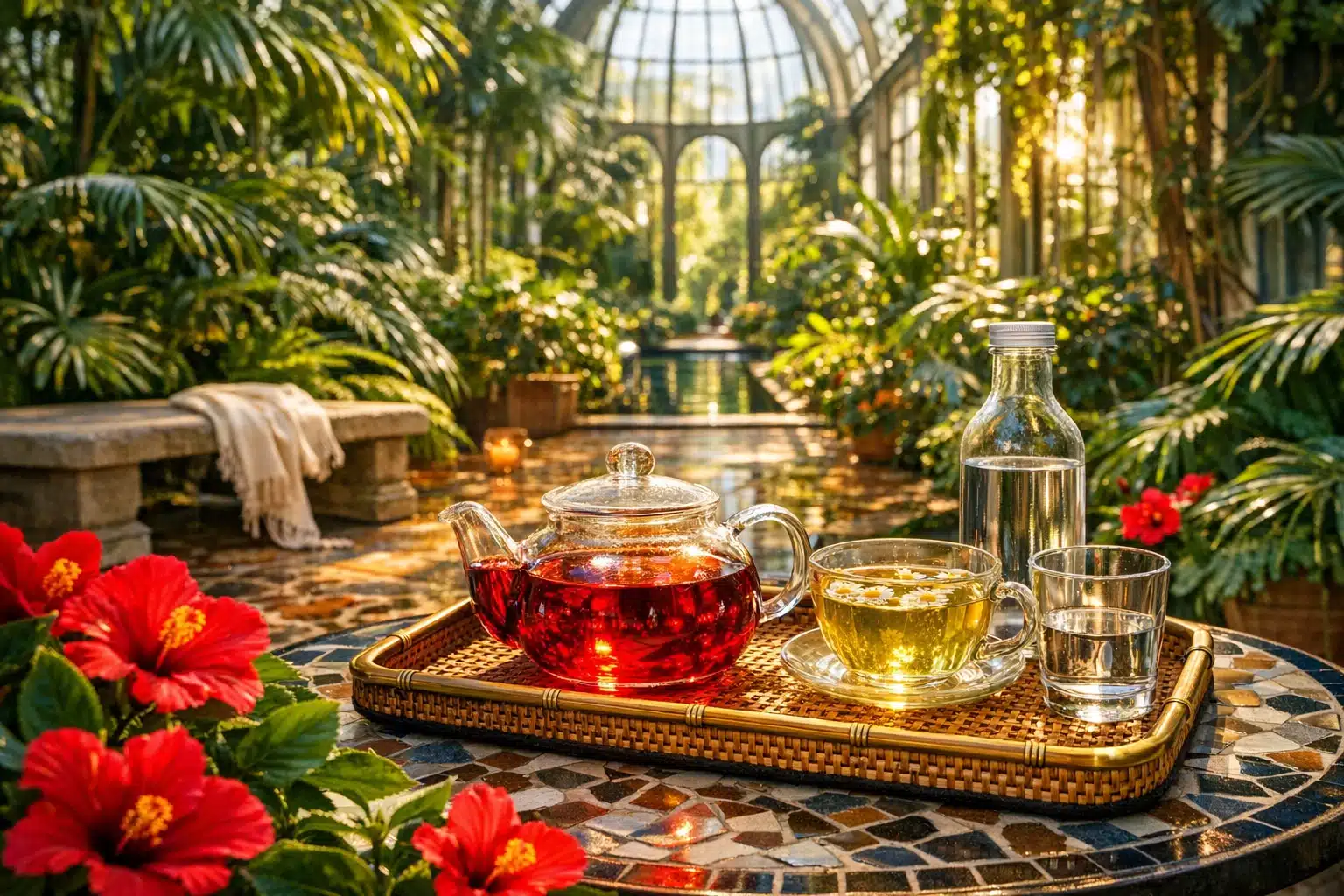
Hibiscus tea has the strongest blood-pressure-specific reputation of the group, and unlike many trendy remedies, it has some research behind it. Several studies have found that regular hibiscus tea intake may contribute to modest reductions in systolic and diastolic blood pressure in some adults, especially when used consistently over time rather than as a one-night fix. The tea is naturally caffeine-free, tart, and refreshing, almost like a gentler cousin of cranberry in flavor. That said, “may help” is the right phrasing. It is not a replacement for medication, and it may not be appropriate for everyone, particularly those on blood pressure drugs, diuretics, or with specific medical conditions. If your readings already run low, caution makes sense.
Chamomile tea works differently. It is not known for directly lowering blood pressure in the same way hibiscus is often discussed, but it may support relaxation and sleep quality. Since poor sleep can contribute to less favorable blood pressure patterns, chamomile can still be a useful evening ally. Its value is indirect but real: a calmer nervous system, a gentler transition into bedtime, and a ritual that tells the day to stop talking so loudly.
Milk and fortified unsweetened soy drinks sit in another category. They can provide calcium, potassium, and sometimes magnesium or protein, nutrients that matter within overall dietary patterns linked to cardiovascular health. Compared with dessert drinks, sweetened cocoa, or late-night milkshakes, these options are clearly more supportive. Still, portion size and sugar content matter. A lightly warmed cup can be soothing; a large sweet beverage is a different story.
A quick comparison makes the differences clearer:
-
Hibiscus tea: best known for possible direct blood pressure support over time; tart and caffeine-free.
-
Chamomile tea: better for relaxation and sleep support; useful when stress is part of the picture.
-
Unsweetened milk or fortified soy drink: contributes nutrients that fit a broader heart-healthy eating pattern.
One important warning deserves mention: avoid assuming that all herbal teas are harmless. Licorice root tea, for example, can raise blood pressure in some people because of glycyrrhizin. That single detail is a good reminder that “natural” does not automatically mean “ideal.” The best evening drink is the one that supports your body quietly, fits your health profile, and does not ask you to believe in magic.
4. What Not to Drink at Night if Blood Pressure Is a Concern
Knowing what can help is useful, but knowing what tends to get in the way is often even more practical. Many evening drinks are not dramatic enough to feel dangerous, yet they can steadily undermine sleep, hydration, weight goals, or blood pressure control. The common troublemakers are alcohol, caffeinated beverages, sugary drinks, and high-sodium liquid choices that seem harmless at first glance.
Alcohol is one of the most misunderstood bedtime drinks. A glass of wine or a nightcap may feel sedating in the short term, and that feeling tricks many people into thinking it improves sleep. In reality, alcohol often disrupts the second half of the night, reduces sleep quality, and can worsen snoring or sleep apnea symptoms. Over time, regular alcohol intake is also linked with higher blood pressure. If someone is trying to support healthier nighttime readings, alcohol is rarely the friend it pretends to be.
Caffeine is another obvious concern, but the timing surprises people. Coffee, strong black tea, certain sodas, matcha, pre-workout drinks, and energy drinks can remain active far longer than expected. In some adults, caffeine’s half-life stretches for several hours, meaning an evening serving may still be echoing through the system at midnight. Even if you can fall asleep, sleep depth can suffer. That matters because blood pressure regulation depends not only on sleep quantity but also on sleep quality.
Sugary drinks deserve attention as well. Sweetened iced tea, regular soda, flavored coffee beverages, and dessert-like shakes can add large amounts of sugar and calories without much satiety. Over time, this can contribute to weight gain and poorer metabolic health, both of which matter for hypertension risk. Some so-called wellness drinks also hide sodium, especially certain broths, canned vegetable juices, or sports drinks. These are not always terrible in every context, but as nighttime defaults they often miss the mark.
Here are sensible evening limits to remember:
-
Avoid energy drinks and highly caffeinated beverages late in the day.
-
Be cautious with alcohol, especially if sleep or snoring is already a problem.
-
Skip sugary drinks that turn bedtime into dessert in a cup.
-
Check labels on mineral, electrolyte, and canned beverages for sodium and added sugar.
-
Steer clear of licorice tea if blood pressure is a concern.
There is a simple test that works surprisingly well: ask whether the drink calms the body, hydrates it, and supports sleep. If the answer is no, it probably does not deserve a recurring place in the nighttime routine. Sometimes progress in health looks less like adding a miracle item and more like removing the quiet saboteurs.
5. Conclusion: A Realistic Night Routine for Readers Who Want Better Blood Pressure Habits
If you want a practical answer to the question in the title, here it is: start with water, consider caffeine-free options such as hibiscus or chamomile tea, and keep the whole routine modest, consistent, and grounded in reality. That is less exciting than a miracle cure, but it is far more useful. Healthy blood pressure is usually shaped by patterns, not one dramatic trick. The evening drink matters because it sits at the intersection of hydration, stress level, sleep quality, and overall dietary habits.
For most readers, the best approach is simple enough to remember without writing it on the fridge. Have a reasonable amount of fluid in the evening rather than a large volume right before bed. If you enjoy tea, choose a caffeine-free option and match it to your goal: hibiscus if you want a drink with some evidence behind blood pressure support, chamomile if you want help winding down. If you prefer something more substantial, an unsweetened milk or fortified soy drink can fit well, especially when it replaces sugary choices. Keep labels short, sugar low, sodium sensible, and expectations realistic.
A useful bedtime checklist can look like this:
-
Notice whether you are actually thirsty rather than drinking out of habit alone.
-
Choose a small or moderate serving that will not disrupt sleep.
-
Pick caffeine-free drinks in the later evening.
-
Treat alcohol as a sleep disruptor, not a sleep aid.
-
Look at the bigger picture: sodium intake, body weight, exercise, stress, and sleep all matter.
-
Monitor your readings over time instead of judging success by one night.
If you already have hypertension, take medication, or live with kidney, heart, or endocrine conditions, it is smart to personalize this advice with a clinician. The same is true if you experience swelling, dizziness, very low readings, or frequent nighttime urination. A tailored plan is always better than generic confidence.
The strongest takeaway for the target reader is this: do not search for a magical nighttime beverage that promises to normalize blood pressure by itself. Build a calmer evening pattern that your body can trust. A glass of water, a cup of hibiscus tea, or a warm mug of chamomile may seem ordinary, but ordinary habits, repeated with care, are often where lasting progress begins.