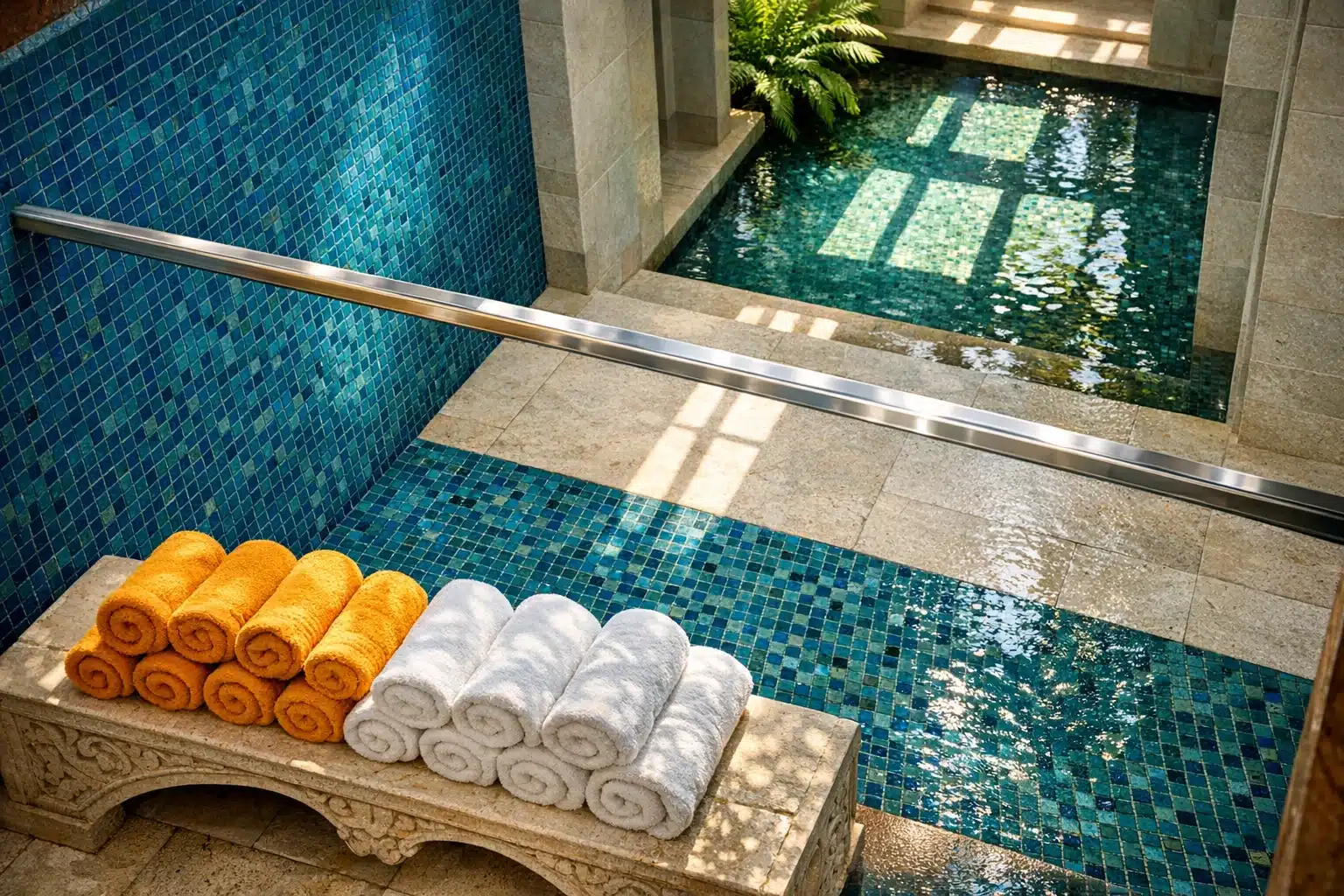
Stop Damaging Your Shower with the Wrong Grab Bars
A shower should feel sturdy, clean, and calm, not like a wall experiment gone wrong. Yet many bathrooms end up with cracked tile, loose hardware, hidden moisture, and ugly patch jobs because grab bars were chosen for convenience instead of construction. The problem is rarely the idea of adding support; it is the wrong bar, the wrong anchor, or the wrong location. Understanding that difference can save money, preserve waterproofing, and make the space safer at the same time.
Adding a grab bar is often associated with aging in place, injury recovery, and better daily comfort, but the topic matters to far more people than that. Wet surfaces reduce traction, hard finishes leave little margin for error, and a simple shift in balance can become a serious fall. A well-mounted grab bar can help, but only when it is treated as structural safety equipment rather than decorative bathroom hardware. This article looks at why some installations fail, how certain products damage shower assemblies, and what a smarter plan looks like for homeowners, landlords, remodelers, and families thinking ahead.
Outline
- How incorrect grab bars damage tile, grout, wall panels, and hidden waterproof layers
- Installation mistakes that lead to leaks, cracks, rust, and unstable support
- Material and mounting comparisons that separate true safety hardware from lookalikes
- Placement and planning methods for both new showers and retrofits
- A practical conclusion for readers who want safety without avoidable repairs
Why the Wrong Grab Bar Becomes a Shower Problem
At first glance, a grab bar seems simple: metal tube, two ends, a few screws, done. In reality, a shower wall is a layered system, and every layer matters. Tile or stone is only the visible skin. Behind it may be thinset mortar, cement board or foam board, a waterproof membrane, framing, insulation, plumbing lines, and sometimes a vapor control layer. When the wrong grab bar is installed, the damage does not stop at the surface. A poorly chosen product can crack tile, crush brittle backing, break the seal around penetrations, and turn a safe upgrade into a slow leak with a very expensive personality.
One of the most common misconceptions is that any bar-shaped bathroom accessory can serve as a grab bar. That is not true. Towel bars, shelf rails, and decorative handles are usually not engineered for body-weight loads. A real grab bar is designed to resist pulling, twisting, and sudden force when someone slips and instinctively grabs whatever is closest. Many rated grab bars are tested to withstand at least 250 pounds, and some go higher. That rating matters because in a fall, the load is dynamic, not gentle. The bar may experience a sharp yank rather than a steady lean.
Wrong products create damage in several ways:
- Suction-cup bars may loosen without warning, especially on textured tile, stone, grout joints, or surfaces with soap film.
- Decorative bars often have small mounting plates that concentrate force in a tiny area.
- Improper anchors can shift inside hollow spaces, allowing the flange to move and grind against tile.
- Corrosion-prone hardware can expand, stain, and weaken over time in a humid enclosure.
Movement is the hidden villain. A bar that flexes only a millimeter or two can still create trouble. Tile and grout are rigid materials; they dislike repeated stress. Tiny motions can form hairline cracks near the mounting points, and those cracks become doors for water. Once moisture gets behind the finish, the shower may begin to smell musty, grout may darken unevenly, and surrounding materials can soften or swell. What looked like a minor hardware choice becomes a chain reaction.
The comparison between shower types also matters. Tiled showers are vulnerable because drilling interrupts the surface and may pierce waterproofing if done incorrectly. Fiberglass and acrylic surrounds have a different weakness: they flex. If a bar is fastened only to the panel without reinforcement behind it, the enclosure can bow, craze, or crack around the fasteners. Picture leaning on a thin drum skin instead of a wall stud. It may hold for a moment, but it was never meant to carry you. The lesson is simple: a shower is not damaged by the idea of a grab bar. It is damaged when support equipment is treated like a quick accessory instead of a structural decision.
Common Installation Mistakes That Lead to Cracks, Leaks, and Loose Hardware
If the wrong grab bar is the first half of the problem, bad installation is the second half, and the two often travel together. A quality bar mounted the wrong way can still fail. In shower work, a drill bit is not just making a hole; it is opening a path through a waterproof system. That is why installation details matter so much more than they do in a dry hallway or beside a bed.
The biggest mistake is assuming the visible surface is strong enough on its own. Tile, stone, fiberglass, and acrylic are finishes, not framing. A grab bar should generally anchor into wall studs, solid blocking, or a manufacturer-approved reinforcement system. Standard stud spacing in many homes is 16 inches on center, though there are exceptions. If the chosen bar length and mounting positions do not align with solid support, installers sometimes reach for hollow-wall anchors as a shortcut. In a dry area, certain specialty anchors may be acceptable for some fixtures. In a wet enclosure that must resist body weight, shortcuts become risks.
Other frequent errors are less dramatic but equally damaging:
- Drilling through grout joints just because they look easier, without confirming support behind them
- Skipping sealant around fastener penetrations
- Overtightening screws until tile chips or the surround distorts
- Using ordinary steel screws that can rust in a wet environment
- Mounting too close to corners, niches, glass channels, or plumbing lines
- Installing before understanding the wall build-up and waterproofing method
Sealant deserves special attention. A properly fastened bar still needs moisture protection around each penetration. Installers commonly use high-quality silicone or another manufacturer-approved sealant to help keep water out at the flange and screw entry points. Skip that step, and water can follow the fastener into the wall cavity like a tiny guided tour. The leak may not show immediately. Instead, it develops quietly behind the scenes, where backer board, framing, and insulation are less forgiving than glossy tile suggests.
The contrast between tiled showers and prefabricated units is important here. In tile, the danger is often breached waterproofing, cracked finishes, or missed framing. In fiberglass or acrylic surrounds, the danger is flex. These panels often require backing plates or wood reinforcement behind the surface. Without reinforcement, the bar can feel solid during installation but loosen over time as the panel deflects. The failure is gradual, which makes it deceptive.
Another mistake is ignoring user behavior. A bar at an awkward angle or poor height invites twisting loads because people grab it sideways, from below, or while stepping over a curb. That repeated off-axis force can enlarge holes and stress fasteners. Good placement reduces that strain before it begins. In other words, installation is not just about where the screws go. It is about how a human body moves when wet, rushed, tired, or unsteady. The best installations anticipate that moment instead of reacting to the damage afterward.
Choosing the Right Grab Bar: Materials, Mounting Styles, and Design Trade-Offs
The good news is that safe and attractive grab bars are widely available. The bad news is that the market also includes plenty of products that look supportive without actually being appropriate for a shower. Choosing the right bar means looking past finish color and style photos. A bar is not successful because it matches the faucet; it is successful because it holds firm, resists corrosion, fits the user’s grip, and works with the wall structure behind it.
Start with the material. Stainless steel remains the most common and dependable choice for wet areas because it resists corrosion and holds up well under repeated cleaning. Powder-coated or painted bars can look softer and warmer, but finish quality matters; inferior coatings may chip over time. Aluminum bars are lighter and corrosion resistant, though product quality varies. If the bathroom is near a coastal environment with salty air, higher corrosion resistance becomes even more important. In practical terms, the bar should survive moisture, soap residue, cleaning chemicals, and years of use without pitting or flaking.
Grip matters just as much as metal type. Many accessibility guidelines and product standards favor diameters around 1.25 to 1.5 inches because that range is easier for many hands to hold securely. Bars that are too large can be awkward for users with limited hand strength, while very slim bars may feel less substantial. Surface texture also changes the experience. A knurled or peened texture can improve grip when hands are wet, though some people prefer smooth bars for easier cleaning. There is no universal winner; the right choice depends on who will use the shower and how often.
Mounting style affects both performance and appearance. Common options include:
- Straight bars, which are versatile and easy to position horizontally, vertically, or diagonally
- Angled bars, which can support both standing and rising movements
- Wave or ergonomic bars, designed to match natural hand movement
- Flip-up or fold-down bars, more common in larger accessible bathrooms and usually tied to specific layouts
Some bars use concealed flanges, hiding the screws behind snap-on covers for a cleaner look. That is fine as long as the structure underneath is sound. Appearance should never outrank load rating. A beautifully finished bar anchored poorly is just polished uncertainty.
One comparison deserves special emphasis: suction bars versus mechanically fastened grab bars. Suction products may be marketed as travel aids or temporary supports, and some users like them because no drilling is required. In a shower intended for regular balance support or fall protection, however, a mechanically fastened bar is the more reliable solution. Suction devices are sensitive to surface texture, cleanliness, temperature, and monitoring. They may have limited use in specific temporary scenarios, but they are not substitutes for a properly mounted safety bar when real support is needed.
Finally, do not confuse multi-purpose bathroom accessories with rated support hardware. Some toilet paper holders, shelves, and designer rails advertise “assist” features, yet not all are built for the same loads as true grab bars. Check the product documentation, weight rating, installation instructions, and intended use. If a product description is vague, that uncertainty is itself useful information. In shower design, clarity is safer than marketing poetry.
Placement, Planning, and Waterproofing: How to Add Support Without Harming the Shower
The smartest grab bar installation often begins before the tile is ever set. In a new shower or full remodel, adding wood blocking or another approved reinforcement method behind the wall is one of the best investments you can make. It gives future grab bars flexible mounting options, reduces guesswork, and protects the finished surface from desperate retrofits later. Even if no one in the home currently needs support, hidden reinforcement is cheap insurance. Think of it as planning for real life rather than planning for a showroom photo.
Placement should follow movement, not symmetry. People do not use showers like mannequins. They step over a curb, turn toward controls, lower themselves onto a bench, reach for soap, rinse one foot, and recover balance in odd moments. A well-placed bar supports those transitions. A badly placed bar becomes an expensive wall ornament. Many accessible design guidelines place certain horizontal grab bars around 33 to 36 inches above the finished floor, but ideal location still depends on user height, mobility, reach, and whether the shower is used standing, seated, or both.
Useful planning questions include:
- Where does the user first need support when entering the shower?
- Is there a curb, a bench, or a slippery turn near the controls?
- Will the bar be used for steadying, rising, transferring, or all three?
- Can the mounting points land on studs or preinstalled blocking?
- Are pipes, valves, wiring, niches, or glass hardware in the planned drill path?
For existing tiled showers, retrofitting requires patience. Stud finders can help, but tile, cement board, metal corner beads, and plumbing all complicate detection. Sometimes the better move is to inspect from the opposite side of the wall, use construction photos from the remodel, or consult the original installer if records exist. In some homes, opening a small area from the back side of the wall to add blocking is less invasive than risking the shower face. That approach can preserve tile and waterproofing while still creating solid support.
Waterproofing must remain central to the plan. Different shower systems use different methods: sheet membranes, liquid-applied membranes, foam boards with sealed seams, or traditional methods with moisture barriers behind cement board. The correct penetration and sealing details depend on that system and the grab bar manufacturer’s instructions. There is no universal “just drill and caulk it” rule that covers every assembly. A careful installer respects both the wall system and the hardware.
The comparison between proactive planning and reactive repair is stark. Planning means knowing the user’s needs, aligning with structure, protecting the membrane, and choosing a bar that suits the space. Repair means replacing cracked tile, drying wet cavities, reworking backing, and trying to make patched finishes disappear. One path feels like craftsmanship. The other feels like an apology written in grout dust. If the goal is safety without collateral damage, the best strategy is to design the support into the shower, not force it into the weakest available spot.
Conclusion for Homeowners and Remodelers: Build Safety In, Not Damage Around It
If you remember only one thing from this article, let it be this: a grab bar is safety equipment, not a casual accessory. That single mindset change helps prevent most of the problems that ruin showers. Homeowners often focus on finish, size, and convenience first, then discover too late that the wall behind the tile had no proper support. Landlords may want a quick solution for a tenant. Adult children may be trying to make a parent’s bathroom safer before or after surgery. Remodelers may be balancing looks, cost, and code expectations. For all of these readers, the answer is the same: choose a rated product, match it to the wall construction, and install it with the same care you would give any structural fixture.
A practical decision path looks like this:
- Identify who will use the bar and what movement it needs to support
- Confirm the shower wall type and the available framing or blocking
- Select a true grab bar with clear load information and wet-area suitability
- Plan the location around body movement, not just visual symmetry
- Seal penetrations correctly and follow the manufacturer’s instructions
- Call a qualified professional when wall conditions are uncertain
That last point is worth underlining. Some jobs really are suited to experienced DIYers, especially when blocking is already in place and the wall structure is well understood. Others are better handled by a contractor, carpenter, or accessibility specialist who can coordinate waterproofing, drilling technique, and reinforcement without guesswork. Paying for competent installation is often far cheaper than repairing hidden water damage months later.
The best shower upgrades do not announce themselves with drama. They simply work. The bar feels solid in the hand, the wall stays dry, the tile remains intact, and the room looks as though it was designed thoughtfully from the beginning. That is the target. A safer bathroom should not come with cracked finishes, mystery leaks, or flimsy hardware that inspires doubt every time someone reaches for it. When you stop treating grab bars as afterthoughts and start treating them as part of the shower’s structure, you protect both the people using the space and the space itself.