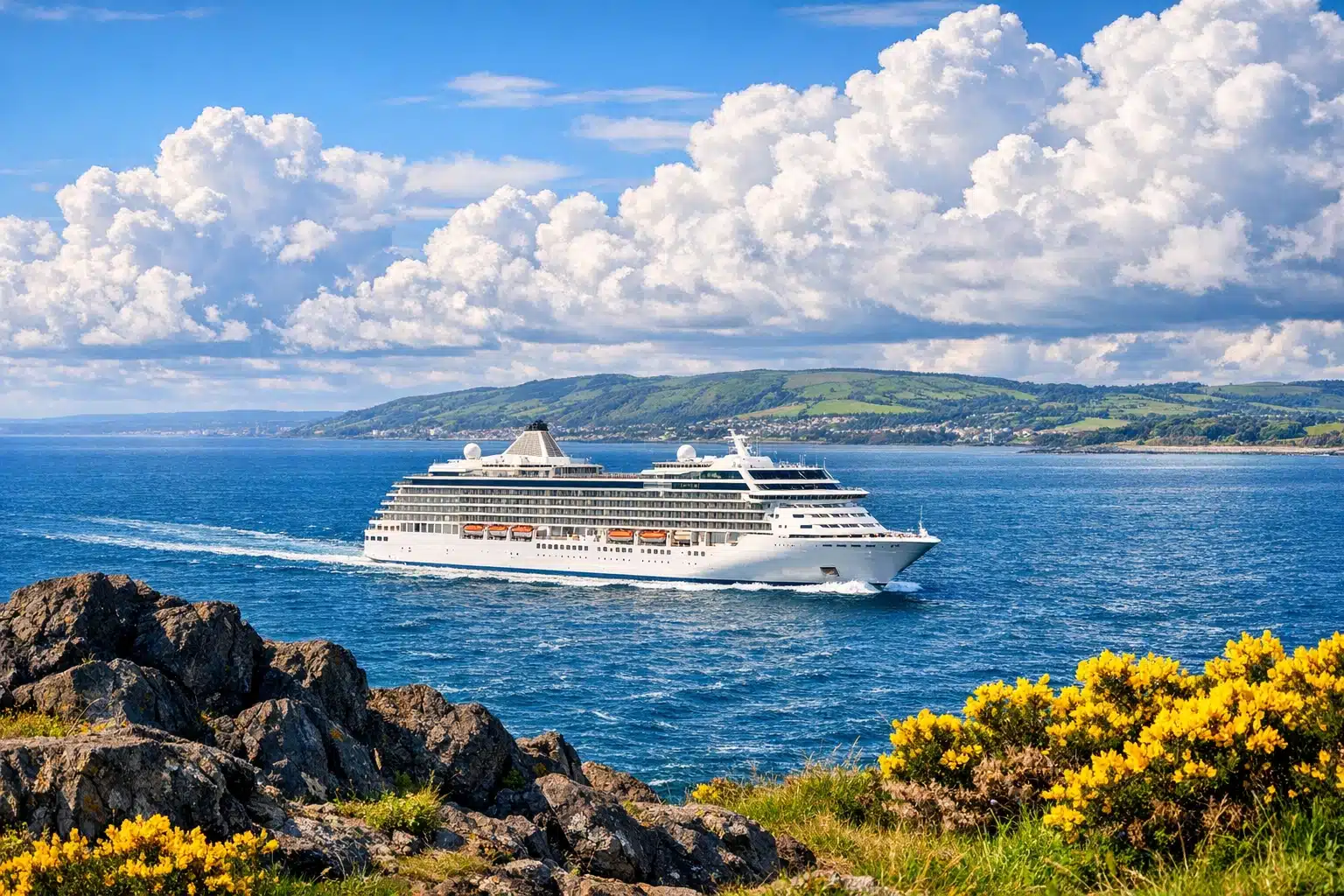
3-Night Cruises from Belfast: Destinations, Prices, and Travel Tips
Short cruises from Belfast have become an appealing option for travelers who want a sea break without using a full week of annual leave. In just three nights, passengers can sample life on board, visit a nearby port, and return home with minimal planning stress. That combination matters in a city with strong ferry and cruise links, where convenience often shapes travel decisions. For couples, friends, and first-time cruisers, the format offers variety, flexibility, and a clearer sense of value than many rushed weekend trips.
Article Outline
- Why a 3-night cruise from Belfast appeals to time-conscious travelers and first-time cruisers.
- The kinds of destinations and itinerary patterns usually found on short sailings from Belfast.
- How pricing works, what is commonly included, and where extra costs often appear.
- What passengers can expect on board, from cabins and dining to sea conditions and entertainment.
- Travel tips on booking, packing, port logistics, and deciding whether this type of trip matches your style.
1. Why 3-Night Cruises from Belfast Attract So Much Interest
A 3-night cruise from Belfast works because it solves a simple modern travel problem: many people want a proper break, but they do not always have the time, budget, or energy for a long holiday. A short sailing compresses the cruise experience into a manageable format. You unpack once, your meals are largely arranged, entertainment is built into the fare, and transport between places happens while you sleep or relax. That rhythm feels very different from a road trip or even a city break, where check-in times, restaurant bookings, and station transfers can quietly consume the day.
For Belfast-based travelers, the departure point matters just as much as the destination. Starting close to home can lower the friction that comes with travel. Instead of adding flights, overnight airport hotels, or long rail connections, many passengers can focus on reaching the port and boarding. That makes these mini-cruises especially attractive to people testing the waters for the first time. A longer cruise can feel like a big commitment if you are unsure about cabin space, sea motion, dress codes, or whether ship life suits your personality. Three nights offers a realistic trial rather than a leap in the dark.
These short itineraries also appeal to a wide range of travelers:
- First-time cruisers who want to learn the basics before booking a week-long voyage.
- Couples looking for an easy celebration trip with dining and entertainment in one place.
- Friends planning a social getaway that feels more special than a standard hotel weekend.
- Busy professionals who can travel over a long weekend without taking much leave.
There is also a psychological benefit to short cruises that is easy to overlook. A ship creates a sense of transition. Once Belfast fades behind the stern and the shoreline softens into distance, the usual routines begin to loosen. Even a brief voyage can feel restorative because it places a clear boundary between everyday obligations and leisure time. That is why 3-night cruises often punch above their duration. They are not trying to replace a grand summer holiday. They offer something else: a compact, efficient, and often surprisingly enjoyable change of pace.
2. Destinations and Itinerary Styles You Are Most Likely to See
One of the most important things to understand about 3-night cruises from Belfast is that the itinerary is often shaped as much by practicality as by geography. Short sailings usually focus on nearby ports in the British Isles or on routes that balance one destination visit with ample time on board. Because the cruise is brief, the ship cannot cover huge distances without turning the holiday into a blur of arrivals and departures. That is why these itineraries often feel curated rather than expansive.
Depending on the season and the cruise line, travelers may see routes that include cities such as Liverpool, Greenock for access to Glasgow, or Dublin-area calls where port scheduling allows. Some departures lean toward scenic coastal cruising or a sea-day emphasis instead of multiple port stops. Others are designed as mini sampler voyages, with one headline destination and the rest of the trip centered on the ship itself. The exact schedule can change year to year, so it is wise to read the day-by-day plan rather than rely on a route you saw in an older brochure or review.
Broadly speaking, these short cruises from Belfast tend to fall into a few recognizable patterns:
- Single-port city breaks, where the main goal is a short visit ashore combined with onboard leisure.
- Scenic or sea-focused sailings, where the ship experience is the main attraction.
- Repositioning or taster itineraries, often offered to introduce travelers to a line or ship style.
Each format suits a different kind of passenger. If you love museums, waterfront walks, and a clear excursion target, a single-port city itinerary may feel most rewarding. If your priority is relaxed dining, deck views, live music, and the novelty of being at sea, a ship-focused route can be a better fit. A common mistake is assuming that more stops always mean more value. On a 3-night cruise, too much rushing can reduce enjoyment. There is a lot to be said for one well-chosen port and enough time to enjoy the vessel.
Weather and sea conditions also influence the feel of these sailings. Belfast departures into the Irish Sea can be atmospheric in the best sense of the word: broad grey water, changing light, and the occasional dramatic cloudscape that makes the horizon look painted. In good conditions, deck time becomes part of the attraction. In rougher weather, the ship experience turns inward toward lounges, theatres, and dining rooms. That changing mood is part of the charm. A short cruise from Belfast is not only about where you go. It is also about how the journey unfolds between departure and return.
3. Prices, Value, and the Real Cost of a Belfast Mini-Cruise
Price is usually the first question travelers ask, and rightly so. The headline fare for a 3-night cruise from Belfast can look attractive, but the real value depends on what is included, when you book, and how you like to travel. In general, short cruises often start in the low hundreds of pounds per person for an entry-level inside cabin when demand is softer. Balcony cabins, premium lines, school-holiday dates, and late-availability sailings with limited stock can raise the cost noticeably. That means no single figure tells the whole story.
A useful way to judge value is to compare a cruise not with another cruise, but with a land-based break of similar duration. A hotel in a popular city, plus meals, entertainment, and transport, can quickly become expensive. A cruise bundles several of those costs into one base fare. On many standard cruise bookings, the ticket commonly includes accommodation, main dining room meals, buffet access, basic entertainment, and use of shared facilities such as pools, lounges, and theatres. For travelers who enjoy structure and predictable budgeting, that can be a significant advantage.
Still, the extras matter. Some costs are not always visible in the first advertised number. Travelers should check for the following:
- Port fees and taxes, if they are displayed separately in the booking flow.
- Drinks packages or individually priced beverages beyond water, tea, and some basic options.
- Specialty dining charges for restaurants outside the main included venues.
- Wi-Fi, which may be limited, package-based, or absent from the basic fare.
- Excursions, shuttle services, parking, and gratuity policies where applicable.
- Travel insurance, which is especially important for cruise travel.
Cabin choice is another major price driver. On a 3-night trip, some travelers sensibly choose an inside cabin and spend the savings on a better dining package or an excursion. Others feel a balcony adds meaning to the voyage, especially on scenic departures or summer evenings. Neither approach is inherently better; it depends on how much time you expect to spend in the room. A short cruise can actually sharpen this calculation, because every extra cost takes a larger share of the total budget.
Booking timing also changes the outcome. Early bookings may offer the widest cabin choice, while later deals can occasionally produce sharp discounts if a sailing needs to fill space. The trade-off is flexibility. If your dates are fixed, waiting can backfire. If you can travel on short notice and do not mind cabin limitations, last-minute fares may be worth watching. The smartest approach is to set a full-trip budget rather than chase the lowest sticker price. A cheap fare with expensive add-ons is not always the bargain it first appears to be.
4. What to Expect On Board: Cabins, Dining, Entertainment, and Sea Conditions
A 3-night cruise from Belfast may be short, but the onboard experience still shapes whether the trip feels restful, lively, or slightly chaotic. The good news is that mini-cruises usually give passengers a concentrated taste of cruise life. You can expect a clear embarkation process, a compact first afternoon of orientation, evening dining, and a schedule packed with entertainment because cruise lines know short-break guests want to feel the holiday begin quickly. There is less slow build and more immediate atmosphere.
Cabins are central to that experience, even if you do not spend much daylight in them. Inside cabins are often the best value and can be perfectly practical on a three-night sailing. Ocean-view cabins add natural light, which many people find more relaxing. Balcony cabins offer private outdoor space and can elevate the trip, especially if you enjoy watching departure from Belfast or waking to a new port. If you are prone to seasickness, a lower-deck, midship cabin is commonly recommended because movement is often less noticeable there than at the bow or higher exposed decks.
Dining on short cruises is usually part of the fun rather than just a convenience. Most ships include a main dining room and a buffet, while some also offer extra-charge specialty restaurants. On a brief voyage, passengers often prefer a simple rhythm:
- Breakfast at the buffet for flexibility.
- A relaxed lunch on deck or indoors depending on weather.
- A sit-down dinner that gives the evening a sense of occasion.
Entertainment tends to be front-loaded and social. Expect live music, quizzes, theatre-style productions, bars with late activity, and themed evenings depending on the ship. Because the sailing is short, there is often an easy buzz in public spaces, as though everyone knows there is no time to postpone enjoyment until tomorrow. That can be energizing for groups and couples, though travelers seeking deep quiet may want to choose lounges and deck corners carefully.
The Irish Sea deserves a realistic mention. Conditions can be calm, but they can also be lively, especially outside the warmest parts of the year. Sensible preparation helps. Bring any preferred motion-sickness remedies, avoid overpacking the first evening, and ease into rich food if you are unsure how your body reacts at sea. A little foresight can make a big difference. When the ship moves gently beneath your feet and the lights of the coast slip away into darkness, the atmosphere can feel cinematic. When it moves more firmly, practical choices matter. Either way, knowing what to expect makes the cruise more enjoyable.
5. Booking Tips, Port Planning, and Final Advice for the Right Traveler
The best 3-night cruise from Belfast is not always the cheapest or the one with the flashiest itinerary. It is the one that fits your travel style, budget, and expectations. Start by deciding what kind of short break you actually want. If you care most about seeing a destination ashore, focus on itineraries with a meaningful port call and enough time in that place to justify the stop. If you mainly want rest, food, sea views, and a change of setting, choose the ship experience first and treat any port as a bonus. Clarity at the start prevents disappointment later.
Booking well means looking beyond the brochure headline. Check embarkation time, final disembarkation time, dining arrangements, dress guidance, and whether drinks or gratuities are bundled. If you are traveling from outside Belfast, think through the entire journey to the port rather than only the sailing itself. A short cruise can lose some of its charm if the arrival day is rushed or stressful. Aim to reach the port area with comfortable spare time, especially during busy traffic periods or poor weather. Cruise boarding is usually smoother when travelers are early, organized, and carrying the documents they need.
Practical preparation matters more than many people expect on a short trip. A useful packing list often includes:
- Photo identification and booking documents.
- Layered clothing for variable coastal weather.
- Comfortable shoes for embarkation day and shore visits.
- Any medications, plus motion-sickness remedies if needed.
- A small day bag for the first few hours before luggage arrives at the cabin.
Weather is another reason Belfast mini-cruises reward flexibility. Summer sailings may offer longer daylight and better chances for deck time, while shoulder-season departures can feel calmer, moodier, and sometimes better priced. Neither is automatically superior. It depends on whether you want sunshine and outdoor lounging or a brisk maritime atmosphere with fewer peak-season pressures.
For the target audience, the conclusion is quite clear. A 3-night cruise from Belfast suits travelers who want a manageable introduction to cruising, a compact celebration break, or a convenient escape that feels more layered than an ordinary hotel weekend. It may be less ideal for people who dislike fixed schedules, feel frustrated by limited shore time, or want a deeply immersive destination holiday. For everyone else, it can be an efficient and enjoyable format: short enough to feel easy, structured enough to feel smooth, and distinctive enough to leave you standing on deck at dusk thinking that three nights, somehow, can carry a lot of travel magic.