1966 Chevrolet Chevelle SS for Sale: Buyer’s Guide
Outline and Why the 1966 Chevrolet Chevelle SS Still Matters
The 1966 Chevrolet Chevelle SS sits in that sweet spot where muscle-car charisma meets real-world collectability, which is why so many buyers keep an eye on current listings. Some cars are honest drivers, some are polished showpieces, and some wear shiny paint while hiding expensive problems underneath. Prices can vary wildly, even when two cars look nearly identical in photos. Knowing how to read the market, verify authenticity, and judge condition can save money, prevent regret, and turn a tempting ad into a genuinely smart purchase.
The 1966 model year matters because it marked a major redesign for the Chevelle and helped define the shape many enthusiasts now picture when they hear the phrase mid-size American muscle. Longer, cleaner body lines, a more muscular stance, and the arrival of serious big-block performance gave the SS identity real substance. When buyers search for a 1966 Chevrolet Chevelle SS for sale today, they are usually chasing more than transportation. They are looking for the blend of style, mechanical simplicity, V8 drama, and collector appeal that made the car a standout in its own era and still keeps it relevant now.
Before diving into photos, price tags, and seller descriptions, it helps to follow a clear plan. This article is organized around the questions most buyers actually need answered:
- What makes a 1966 Chevelle SS historically and mechanically significant
- How authentic SS cars differ from clones, tributes, and ordinary Chevelles with added badges
- What current sale listings usually reveal about value, rarity, and restoration quality
- Which inspection points matter most before purchase
- How to decide whether a specific car fits your budget, expectations, and ownership goals
This buyer’s guide is especially useful for three groups. First, there are first-time classic buyers who love the shape of the car but do not yet know how to decode what they are seeing. Second, there are enthusiasts stepping up from smaller projects into a higher-value collectible. Third, there are seasoned muscle-car shoppers who want a practical refresher before calling on a listing. A 1966 Chevelle SS can be a rewarding purchase, but only when the details line up. In the classic car world, excitement is easy to find. Clarity is the rarer commodity, and that is what this guide aims to provide.
What Defines a Real 1966 Chevelle SS and Why Collectors Care
To understand the market, it helps to understand the car itself. The 1966 Chevelle was part of Chevrolet’s mid-size A-body lineup, but the SS version pushed the model into more serious performance territory. For 1966, the Chevelle received a fresh redesign with smoother sheet metal, a more sculpted body, and proportions that looked athletic even at a standstill. It was a car that seemed ready to lunge forward before the engine ever fired. That visual confidence is a major reason demand remains strong decades later.
For buyers, the most important distinction is that the 1966 SS is usually discussed in relation to the SS396 package. This was not merely a cosmetic trim add-on in the modern sense. It signaled a genuine performance model associated with Chevrolet’s 396 cubic-inch big-block V8. Factory horsepower ratings for 1966 commonly included 325 horsepower as the base SS396 output, with stronger versions rated at 360 horsepower and the high-performance L78 version at 375 horsepower. Those numbers helped position the Chevelle SS as a serious rival in the emerging muscle-car wars of the 1960s.
Collectors care about authenticity because the market places real value on factory identity. A true SS396 car generally brings more interest than a standard Chevelle later dressed with SS emblems, even if the tribute car is visually appealing. That does not mean a clone or tribute has no value. Many tribute builds are attractive, drivable, and far less expensive. The issue is simply representation. A buyer should know exactly what is being offered.
Several features contribute to the car’s appeal:
- Its 1966 body style is widely admired for balanced, clean design
- Big-block performance gives it genuine muscle-car credentials
- Parts support remains relatively strong compared with more obscure classics
- The car works in multiple roles, from weekend cruiser to show-field participant
The best examples combine period-correct details, documented history, solid body integrity, and a drivetrain that matches the car’s story. Buyers should also remember that factory originality and practical enjoyment are not always the same thing. Some collectors want chalk marks, date-coded parts, and assembly-line accuracy. Others want upgraded brakes, electronic ignition, and a clean driver-quality finish they can enjoy without anxiety. Neither goal is wrong, but each leads to a different definition of value. When reading a 1966 Chevrolet Chevelle SS for sale listing, it is essential to decide whether the car is being judged as an investment-grade collectible, a faithful restored classic, or a fun and usable muscle car with some compromises. That single distinction often explains why one car seems expensive and another seems suspiciously cheap.
1966 Chevrolet Chevelle SS for Sale: Understanding Prices, Listings, and Value Drivers
One of the first surprises new buyers encounter is how broad the price spread can be. Two listings may show red paint, chrome wheels, bucket seats, and SS badging, yet the asking prices can be separated by tens of thousands of dollars. That gap usually comes down to five major value drivers: authenticity, drivetrain, body condition, restoration quality, and documentation. Once those are understood, the market becomes easier to read.
Authenticity sits at the top of the list. A genuine SS396 car with proper identification and strong paperwork will almost always command more money than a tribute. Documentation can include original paperwork, past registrations, protect-o-plate information, restoration photos, receipts, and verified drivetrain stampings. A seller who can support the car’s story usually earns stronger buyer confidence. In contrast, vague phrases such as “believed to be original” or “appears correct” should encourage more questions, not faster deposits.
Drivetrain also matters. In broad terms, more desirable engine combinations, manual transmissions, and numbers-matching components tend to support higher values. A driver-quality big-block Chevelle with a replacement engine can still be desirable, but it belongs in a different pricing conversation than a highly documented example retaining its original major components. The same is true of body style. Hardtops are popular, but convertibles often attract a premium when condition and authenticity are comparable.
Current listings and recent auction results often suggest these rough patterns, though exact pricing changes with region, timing, and presentation:
- Tribute or clone cars often trade below genuine SS396 examples
- Project cars can look inexpensive up front but become costly after body and drivetrain work
- Solid driver-quality authentic cars frequently sit in the mid-to-upper classic muscle price range
- Well-restored, highly documented, rare, or especially desirable examples can move far higher, sometimes into six-figure territory
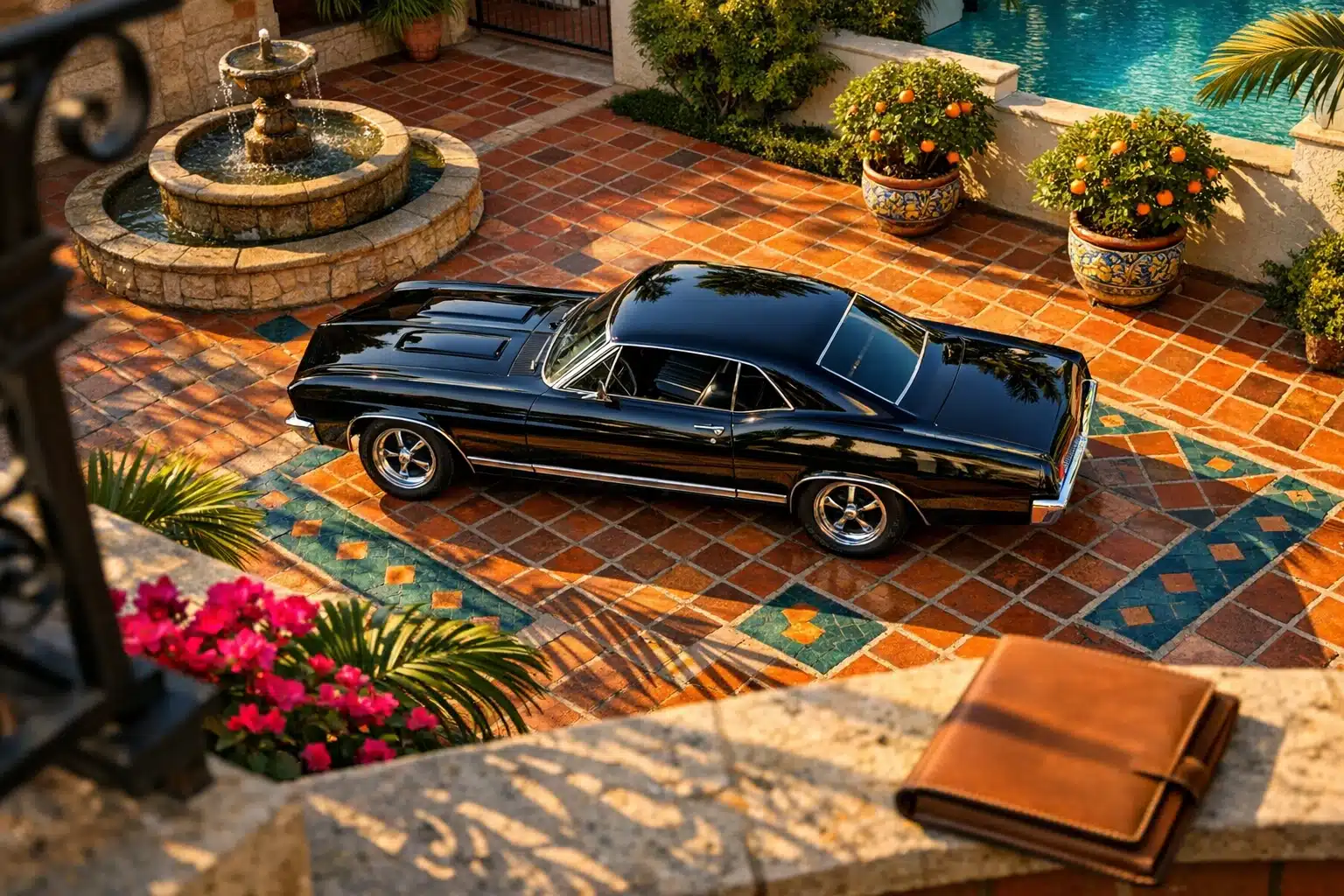
Condition deserves close attention because old metal is expensive. Rust repair, panel fit, paint correction, and missing trim can add up faster than many first-time buyers expect. A flashy online listing may devote twenty photos to reflections in the paint and only one blurry image to the underside. That is not accidental. Floors, trunk pans, frame areas, quarter panels, lower fenders, and body mounts tell the truth more reliably than glossy paint under sunset light.
The smartest buyers read listings like detectives. They compare the description to the photos, note what is missing, and look for language that signals honesty or evasion. A strong listing usually explains the car’s identity, restoration date, mechanical work, known flaws, and supporting paperwork. A weak listing tends to lean on emotion: “turn-key,” “show stopper,” and “must see” without giving hard information. In this market, details create value. Adjectives merely decorate it.
How to Inspect a 1966 Chevelle SS Before Buying
If a listing survives the first round of scrutiny, the next step is inspection. This is where enthusiasm needs a seatbelt. A 1966 Chevrolet Chevelle SS can be deeply satisfying to own, but restoration errors, hidden rust, or questionable identity can turn a dream purchase into a long invoice. Whether you inspect the car yourself or hire a professional, the goal is the same: confirm what the seller says, identify what the photos miss, and estimate what the car will need after it reaches your garage.
Start with identity and paperwork. On a 1966 SS396, VIN information is important, and buyers should learn what the number sequence is supposed to indicate. Original documentation and drivetrain stampings can strengthen the case for authenticity, while the absence of paperwork should lower certainty and often reduce value. It is also worth remembering that a trim tag alone does not fully prove engine originality. Many buyers new to classic Chevrolets assume every tag tells the whole story. It does not. The strongest verification usually comes from a combination of VIN data, engine and transmission codes, date consistency, historical paperwork, and knowledgeable inspection.
Then move to the body and structure. Rust is the silent budget killer of the classic car world. Areas that deserve special attention include:
- Lower front fenders and the bottoms of doors
- Quarter panels, especially behind the wheels
- Trunk floor and spare tire well
- Floor pans, body mounts, and inner rockers
- Frame condition and signs of collision repair
Mechanical inspection matters just as much. Listen for cold-start behavior, valve train noise, smoke, overheating tendencies, transmission shift quality, rear axle noises, and brake feel. A car can idle nicely for a video and still have weak oil pressure, poor cooling, or suspension wear that appears only on the road. If possible, conduct a compression test, inspect fluid condition, and look for evidence of recent leaks rather than just freshly cleaned surfaces. Underneath a classic car, cleanliness can be reassuring, but it can also be theatrical.
Interior condition tells its own story. Worn pedals, sagging seat foam, patched wiring, cracked dash components, and non-functioning gauges can hint at how the car has been used and maintained. Even if those items do not stop a purchase, they affect value and should influence negotiation. A professional pre-purchase inspection is often money well spent, especially for remote deals. One careful report can save far more than it costs. In a market where emotional buying is common, disciplined inspection remains one of the few real advantages a serious buyer can control.
Final Thoughts for Buyers: Choosing the Right Chevelle SS for Your Budget and Goals
For the right buyer, a 1966 Chevrolet Chevelle SS offers something few classics manage to balance so well: visual presence, historical significance, straightforward mechanical character, and enduring enthusiast support. It looks at home at a local cruise night, in a private collection, or rolling down a back road with the windows down and the big-block soundtrack echoing off storefront glass. Yet the right car depends entirely on what you want from ownership. A weekend driver, a period-correct restoration, and a long-term collectible are not the same purchase, even when they share the same badges.
If your goal is pure driving enjoyment, a well-sorted tribute or a genuine SS with sensible upgrades may be the smartest route. Better brakes, improved ignition, radial tires, and cooling upgrades can make the car easier to live with while preserving its character. If your goal is collectability, documentation and originality should move higher on the checklist than paint shine or aftermarket accessories. Buyers seeking resale confidence generally benefit from factory-correct details, verified identity, and a car with fewer unanswered questions.
Before committing, keep these practical closing principles in mind:
- Buy the best body you can afford, because metalwork is costly and often underestimated
- Treat documentation as part of the car’s value, not a bonus
- Do not confuse a high asking price with a high-quality example
- Budget for immediate post-purchase needs such as tires, fluids, weatherstripping, or brake work
- Use independent inspection and transport costs in your total purchase calculation
Negotiation should be calm and evidence-based. If the car has non-original components, visible rust repair, paint issues, or incomplete paperwork, those are not emotional talking points; they are measurable value factors. Sellers usually respond better to informed questions than dramatic reactions. Ask for underside photos, stampings, startup videos, and restoration receipts. If a seller resists basic transparency, that answer has value too.
In summary, the best 1966 Chevrolet Chevelle SS for sale is not always the rarest, shiniest, or most aggressively marketed example. It is the one whose condition, identity, price, and purpose align with your expectations. For first-time buyers, patience is often the smartest upgrade. For experienced collectors, discipline still matters as much as passion. This car has earned its reputation honestly, and that is exactly why it deserves an honest purchase process.