A Practical Guide to Buying Second-Hand Rims
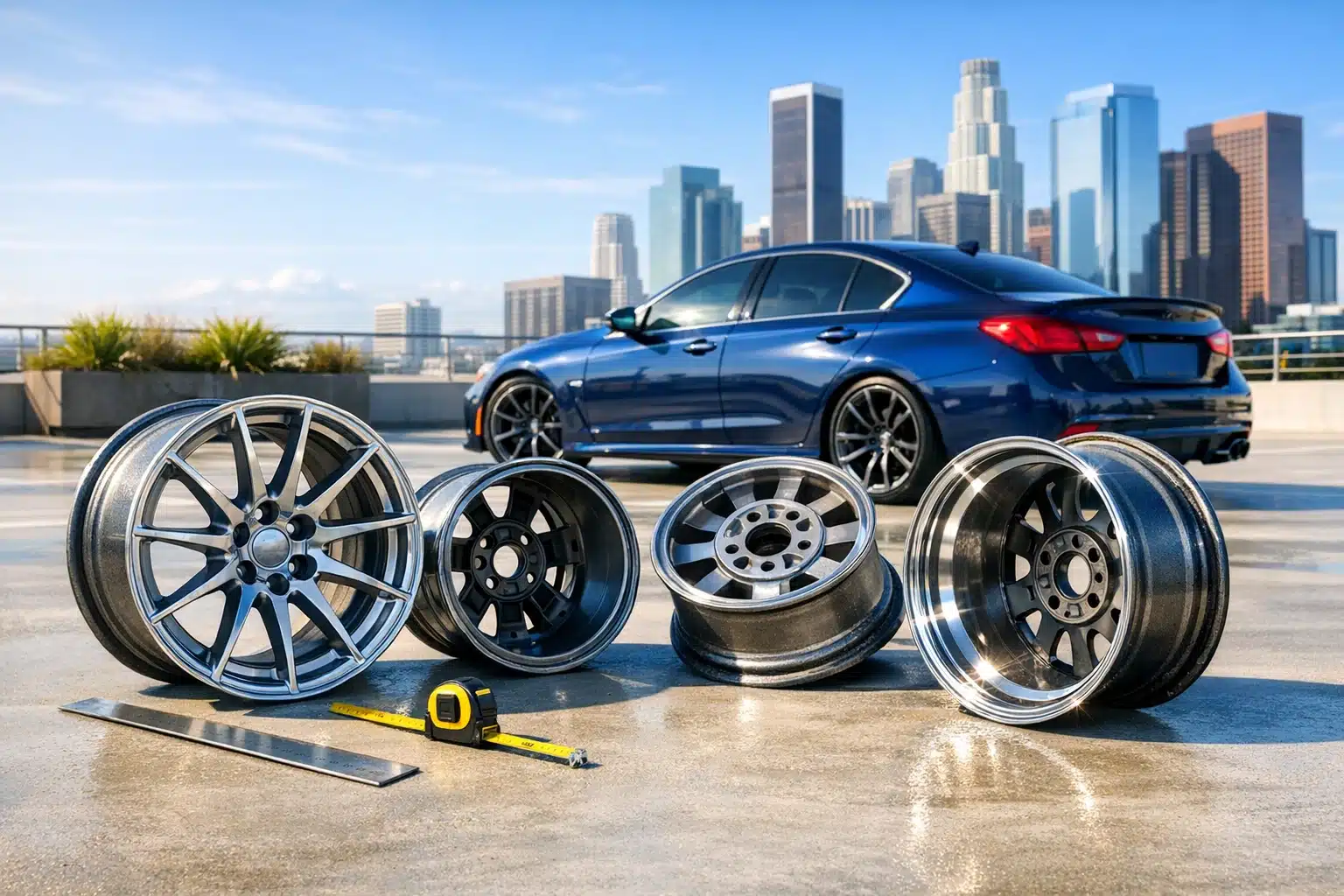
Buying second-hand rims sits at the crossroads of cost, safety, and style. A well-chosen used set can sharpen a car’s look, support winter tires, or replace damaged wheels without pushing the budget into painful territory. Yet rims are not decorative circles alone; they carry load, affect handling, and must match exact measurements. That is why an informed approach matters more than a lucky find on a classifieds page.
Outline
• Why drivers choose used rims and where the real value comes from
• The fitment details that determine whether a wheel works on your car
• How to inspect condition, repairs, corrosion, and hidden damage
• Where to buy, how to compare prices, and when a low price is suspicious
• What to do after purchase, from installation to long-term ownership decisions
Why Second-Hand Rims Attract So Many Buyers
Used rims appeal to a wide range of drivers for one simple reason: they can solve several problems at once. Someone replacing a single cracked wheel may want an exact factory match without paying dealership pricing. Another buyer may need a dedicated winter set so seasonal tire changes become quicker and cheaper. An enthusiast might be chasing a discontinued design that is no longer sold new. In all three cases, the second-hand market offers options that the new market often cannot match.
Cost is usually the first motivator, and for good reason. Depending on brand, material, finish, and condition, second-hand rims often sell for far less than comparable new wheels. OEM wheels removed from a higher trim model, for example, can sometimes cost less than brand-new aftermarket wheels of uncertain quality. That comparison matters because a used original wheel from a known manufacturer may be a better long-term choice than a bargain-basement new wheel with limited documentation. Cheap is not always economical; value lives where price, quality, and fit meet.
There is also a practical environmental argument. Reusing serviceable wheels reduces demand for fresh manufacturing and keeps usable metal out of the waste stream. It is not a dramatic miracle for the planet, but it is a sensible form of reuse. In a market where cars consume materials constantly, extending the life of durable parts makes sense.
Different wheel types serve different needs:
• Steel rims are usually heavier, simpler, and favored for winter duty because they tend to be inexpensive and easy to replace.
• Alloy rims are lighter and more visually appealing, and they can improve appearance and sometimes reduce unsprung weight.
• OEM rims are designed for factory fit and predictable load requirements.
• Aftermarket rims offer more styles, but specifications must be checked carefully.
The strongest reason to buy used, however, is flexibility. A careful shopper can find factory take-offs, refurbished wheels, or complete matched sets that suit a commuter, a family SUV, or a weekend project car. Think of the used wheel market as a large garage with every shelf labeled differently: messy at first glance, full of potential once you know what belongs where. That potential becomes real only when enthusiasm is paired with measurement, inspection, and patience.
Fitment Basics: The Measurements That Matter Most
If there is one area where buyers should slow down and double-check everything, it is fitment. A wheel can look perfect in photos and still be completely wrong for the vehicle. Proper fitment is not just about whether the bolt holes line up. It involves diameter, width, bolt pattern, offset, center bore, brake clearance, and load capacity. Missing even one of those details can lead to vibration, rubbing, unsafe stress, or a purchase that cannot be used at all.
Start with the visible sizing information. A wheel listed as 17×7.5 means 17-inch diameter and 7.5-inch width. That number must work with your tire size and your vehicle’s recommended range. Next comes bolt pattern, such as 5×114.3 or 5×112. That figure describes the number of lug holes and the circle they form. A mismatch here is a hard stop, not a minor inconvenience. Offset, often shown as ET35 or ET45, affects how far inward or outward the wheel sits. Even a small change can alter clearance near fenders, suspension parts, or brake calipers.
Center bore matters too. Some wheels are hub-centric, meaning the wheel centers on the hub itself. If the center bore is larger than the hub, hub rings may be needed for proper centering. If it is smaller, the wheel will not fit without machining, which is usually not worthwhile for an average buyer. Load rating is especially important for heavier vehicles such as SUVs, vans, and trucks. A stylish wheel that cannot safely support the vehicle is simply the wrong tool.
A useful fitment checklist includes:
• Wheel diameter and width
• Bolt pattern
• Offset
• Center bore
• Brake caliper clearance
• Load rating
• Tire compatibility
• Lug seat type, such as cone seat or ball seat
Do not rely only on seller descriptions like “fits many models.” That phrase is common and often incomplete. Use the vehicle manufacturer’s specifications, reputable wheel databases, or a trusted local tire shop to verify the details. If the seller can provide a part number stamped on the rear of the wheel, that is even better. Buying second-hand rims without confirming fitment is a bit like buying shoes in the dark: they may look sharp when the box opens, but comfort and function decide whether they were worth bringing home.
How to Inspect Used Rims for Damage, Wear, and Past Repairs
Condition is where bargains either shine or collapse. Many used rims carry harmless cosmetic flaws, while others hide structural problems under fresh paint or flattering camera angles. The goal is not to find perfection; it is to separate ordinary wear from damage that affects safety or future cost. A wheel with a little curb rash may be a perfectly acceptable buy. A wheel with a crack near a spoke is a different story entirely.
Begin with the overall shape. Ask whether the wheel spins true and whether it has been checked on a balancer. A bent rim can cause vibration, air loss, or balancing trouble. Inspect the inner barrel as well as the face, because the inside often tells the truth first. Pothole damage commonly appears there. Look closely at the bead seat where the tire seals against the wheel. Heavy corrosion, gouges, or deformation can create sealing issues and persistent pressure loss.
Cracks deserve zero optimism. Walk away from cracked wheels unless you are dealing with a highly specialized restoration process advised by a credible professional, and even then caution is wise. Weld repairs deserve scrutiny too. Some repairs may be professionally done, but many buyers are not equipped to judge their quality. If the seller cannot explain what was repaired, by whom, and why, assume the risk is yours. Fresh powder coating can make a damaged wheel look calm and clean, like a house staged for sale after the plumbing started complaining.
Use a practical inspection list:
• Check both front and rear faces for cracks
• Look for bends on the outer lip and inner barrel
• Examine corrosion around the bead seat and lug holes
• Compare finish and color across all wheels in the set
• Verify matching part numbers and sizes
• Ask whether the rims were straightened, welded, or refinished
• Confirm whether center caps, valves, and TPMS sensors are included
Cosmetic damage affects price more than function, while structural damage affects safety more than appearance. That distinction helps in negotiation. A scratched wheel can still serve for years on a winter setup. A bent or cracked wheel can become an expensive cycle of balancing, air leaks, and frustration. Whenever possible, inspect in person and have the wheels tested by a tire shop before final payment. A few minutes of verification can prevent months of vibration through the steering wheel.
Where to Buy, How to Compare Prices, and When to Walk Away
Second-hand rims are sold in several places, and the buying experience changes a lot depending on where you shop. Private sellers on marketplace apps or classified sites often offer the lowest prices, especially when they simply want garage space back. The trade-off is limited protection. You may get a good deal, but you are also relying on the seller’s honesty, knowledge, and photo quality. Salvage yards can be excellent for OEM wheels, particularly if you need one matching replacement. Specialized wheel refurbishers usually charge more, yet they may inspect, straighten, or refinish wheels before sale and sometimes offer a short warranty. Local tire shops occasionally sell take-offs from customers upgrading to aftermarket sets, which can be an underrated source of clean wheels with known history.
Pricing depends on several factors:
• Brand and manufacturer reputation
• OEM versus aftermarket status
• Size, finish, and rarity
• Cosmetic condition
• Structural condition and repair history
• Whether tires, sensors, caps, or lug hardware are included
• Local demand and shipping cost
Compare like with like before judging a listing. A scratched factory wheel from a premium trim level may still be worth more than a generic aftermarket wheel in shiny condition. Likewise, a complete set with center caps and functioning TPMS sensors may save money overall even if the initial asking price looks higher. Shipping changes the equation quickly, especially for larger wheels. A great online deal can lose its charm once freight charges and packaging risk enter the picture.
When speaking with sellers, ask precise questions. Has the set ever been welded, straightened, or repaired? Are all four wheels the same width and offset? Can they provide clear photos of the inner barrels and size stamps? Do the wheels hold air when mounted? Vague answers are useful answers, because they tell you to slow down.
Be especially careful with suspiciously cheap branded wheels. Some are damaged, some are misidentified, and some may imitate well-known designs without reliable manufacturing standards. Editorial discussion of brands is normal, but buyers should avoid anything presented in a way that obscures origin or authenticity. In short, buy the seller as much as the wheel. A fair price from a transparent source usually beats a tempting bargain wrapped in uncertainty.
Installation, Ownership Costs, and Final Advice for Smart Buyers
Buying the rims is only part of the story. The real test starts when the wheels are mounted, balanced, and driven. Before installing tires, it is wise to perform a dry test fit if possible. This helps confirm brake clearance, hub fitment, and spoke spacing without paying for mounting twice. Once tires are fitted, use the correct lug nuts or bolts for the wheel’s seat type. That detail is often overlooked, yet the wrong hardware can create improper seating and looseness. Torque should always follow the vehicle manufacturer’s specification, and re-torque after the first stretch of driving is a good habit.
Budget for the full ownership picture rather than the purchase alone. Costs may include tire mounting, balancing, new valve stems, TPMS service, hub rings, replacement center caps, refinishing, and possibly alignment checks if you are also changing tire sizes or replacing damaged suspension parts. A used set that looks inexpensive at pickup can become average-priced after preparation. That does not make it a bad buy; it simply means honest math matters.
To keep used rims in good shape:
• Clean brake dust and road salt regularly
• Repair curb damage before corrosion spreads
• Store off-season wheels in a dry place
• Mark each wheel’s original position if you rotate complete sets
• Inspect lips, barrels, and lug seats during every tire change
For daily drivers, the best used rim is usually the one that fits perfectly, needs no drama, and survives potholes with dignity. For enthusiasts, the equation may include weight, finish, brand history, or a particular design that transforms the whole personality of the car. For winter buyers, practicality usually wins over style. These priorities differ, but the buying method stays the same: verify fitment, inspect condition, compare total cost, and never let urgency bully you into ignoring warning signs.
If you remember one thing, let it be this: second-hand rims are a smart purchase only when the wheel is genuinely suitable for the vehicle and honestly represented by the seller. A tidy listing and a low number do not guarantee either. The target audience for this guide, from budget-minded commuters to careful hobbyists, does not need luck to buy well. It needs a tape measure, a sharp eye, a few direct questions, and the patience to walk away when the story around the wheel feels thinner than the metal itself.