Devon Luxury Holiday Resorts: An All-Inclusive Guide
Devon has a rare way of making luxury feel grounded: grand coastal views, polished spas, fine dining shaped by local produce, and family-friendly comforts that still reflect the landscape around them. For travellers weighing an all-inclusive resort stay, the county offers a useful middle ground between ease and authenticity. This guide explains what all-inclusive really means in Devon, which features deserve close attention, and how to select a stay that matches your pace, budget, and expectations.
Outline: How to Read Devon’s Luxury All-Inclusive Market
Before comparing properties, it helps to understand why Devon deserves its own approach. In classic resort destinations such as parts of Spain, Turkey, or the Caribbean, “all-inclusive” often signals a standardised model: large grounds, unlimited drinks, several restaurants, and tightly packaged entertainment. Devon works differently. Luxury stays here tend to be smaller in scale, more individual in character, and more connected to place. One resort may centre on a clifftop spa and tasting menus; another may focus on family suites, indoor pools, and easy beach access; a country estate may sell peace, gardens, and seasonal dining rather than around-the-clock activity schedules.
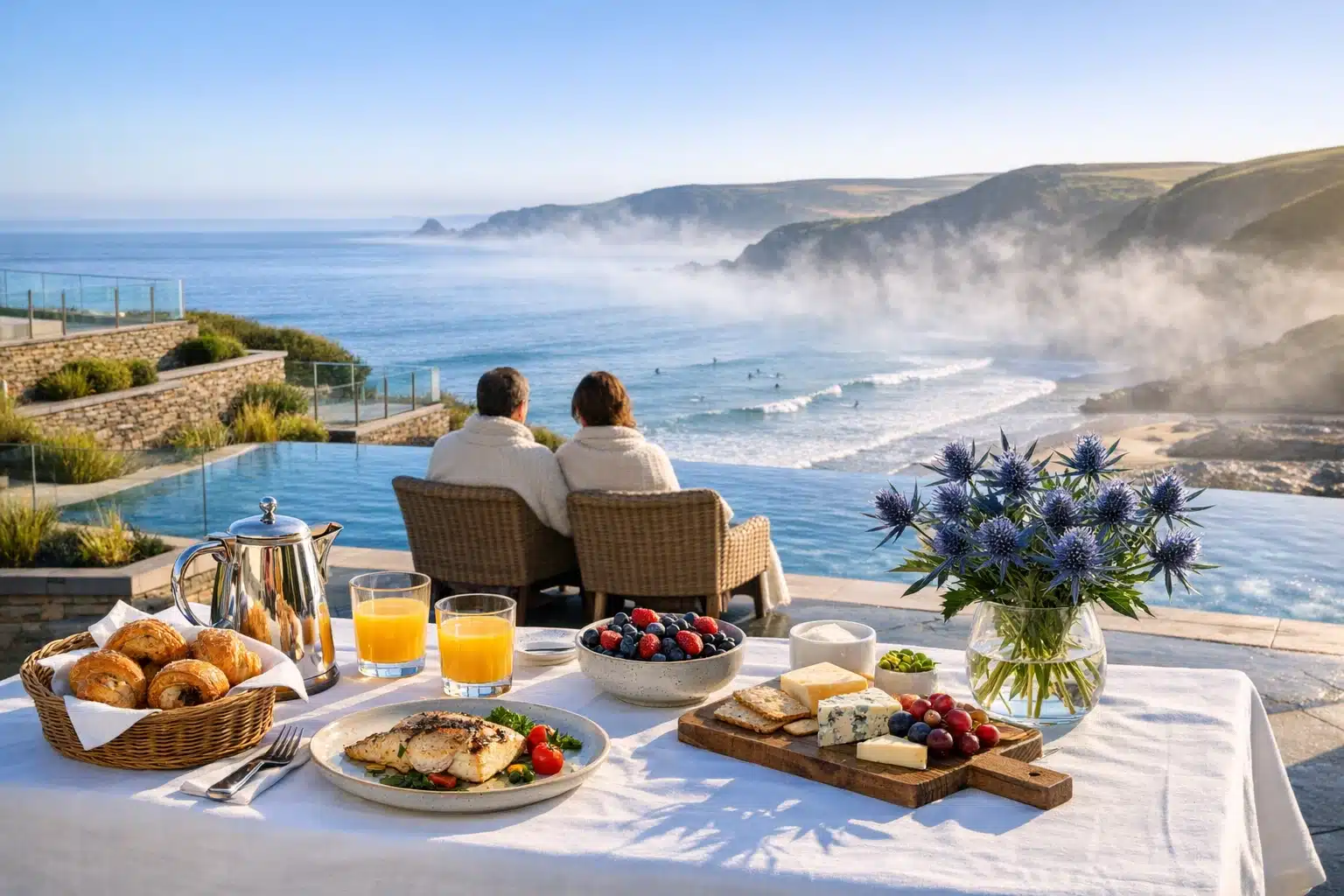
That difference is exactly what makes Devon attractive. You are not choosing between near-identical complexes wearing different logos. You are choosing between distinct holiday moods. One morning might begin with mist lifting over an estuary, another with surfers studying Atlantic swells, and another with a slow breakfast in a manor house where the loudest sound is cutlery and birdsong. Luxury in Devon is often quieter, less flashy, and more rooted in service, setting, and food quality.
This guide is organised around five practical questions that help travellers make a better booking decision:
– What does “all-inclusive” actually include in Devon?
– Which part of Devon fits your preferred scenery and travel style?
– Which facilities truly justify a luxury price?
– How do family, couple, and wellness-focused stays differ?
– How can you compare offers without being misled by headline rates?
These questions matter because Devon’s market mixes hotels, spa resorts, holiday villages with premium accommodation, golf-and-leisure properties, and upscale coastal retreats. Not all of them use the same pricing structure, and not all of them mean the same thing when they advertise convenience or inclusions. A package that looks expensive at first glance may prove strong value once dining, children’s activities, parking, spa access, and local transport are considered. On the other hand, a tempting lead price can rise quickly if premium restaurants, treatments, drinks, or school-holiday extras sit outside the package.
Seen this way, the smart traveller does not ask only, “Is it luxurious?” A better question is, “Does this version of luxury fit the holiday I actually want?” That is the lens for the rest of the article: not fantasy, not blanket rankings, but clear comparison grounded in how Devon resorts operate in real life.
What “All-Inclusive” Usually Means in Devon
The most important booking lesson is simple: in Devon, all-inclusive rarely means exactly the same thing as it does in large international beach resorts. True all-inclusive options do exist, but many high-end properties use alternatives such as full-board, half-board with extras, activity packages, spa-inclusive breaks, or premium room rates bundled with dining and selected experiences. For travellers, that is not a disadvantage in itself. In fact, it can lead to better food, better service, and less waste. The challenge is that you must read the offer carefully.
In practical terms, Devon luxury packages often fall into a few categories. Full-board usually covers breakfast, lunch, and dinner, but drinks may be charged separately, especially alcohol and premium soft drinks. Resort packages may include breakfast, dinner, access to pools and thermal areas, and a limited activity schedule. Family-focused resorts may build in children’s clubs, sports courts, evening entertainment, and shuttle access to nearby beaches. Spa-led retreats sometimes include breakfast, a dining allowance, use of hydrotherapy facilities, and one treatment credit rather than unlimited treatment access.
That means the value of a Devon all-inclusive holiday depends less on the label and more on the detail. Ask whether the following are included:
– All meals or only breakfast and dinner
– Tea, coffee, and snacks between meals
– Alcoholic drinks, and if so, which brands or times
– Children’s clubs, supervised sessions, or equipment hire
– Spa access versus paid treatments
– Parking, Wi-Fi, robes, beach transfers, or local shuttles
– Access to premium restaurants rather than only a main dining room
There is also a quality difference worth noting. Many Devon luxury properties lean heavily on local sourcing, so dining may involve seafood landed nearby, West Country cheeses, seasonal vegetables, and thoughtful afternoon tea rather than endless buffet lines. For some guests, that is a major upgrade. You are paying for fewer but better choices. A three-course dinner with strong ingredients and attentive service may feel more indulgent than a larger but forgettable spread.
At the same time, travellers should watch for common exclusions. Spa treatments are frequently extra. Cocktails, room service, high-end wine, and selected restaurants may sit outside the bundle. Activities such as surf lessons, private childcare, golf tee times, or boat trips are often optional add-ons. None of this is unusual; it simply means the most accurate comparison is not between labels, but between total expected spend.
If you approach Devon with that mindset, all-inclusive becomes less about unlimited consumption and more about controlled ease. You know what your stay covers, you reduce on-site decision fatigue, and you can still enjoy a property with character. In a region where individuality is part of the appeal, that is often a better bargain than the formulaic version of luxury found elsewhere.
Comparing Devon’s Best Resort Settings: Coast, Estuary, Countryside, and Spa Estates
Location shapes the entire resort experience in Devon, perhaps more than many first-time visitors expect. The county has two coastlines and dramatically different moods within a relatively manageable driving distance. Choosing well is not only about scenery; it affects beach style, weather feel, family logistics, dining atmosphere, and how active or restful your stay becomes.
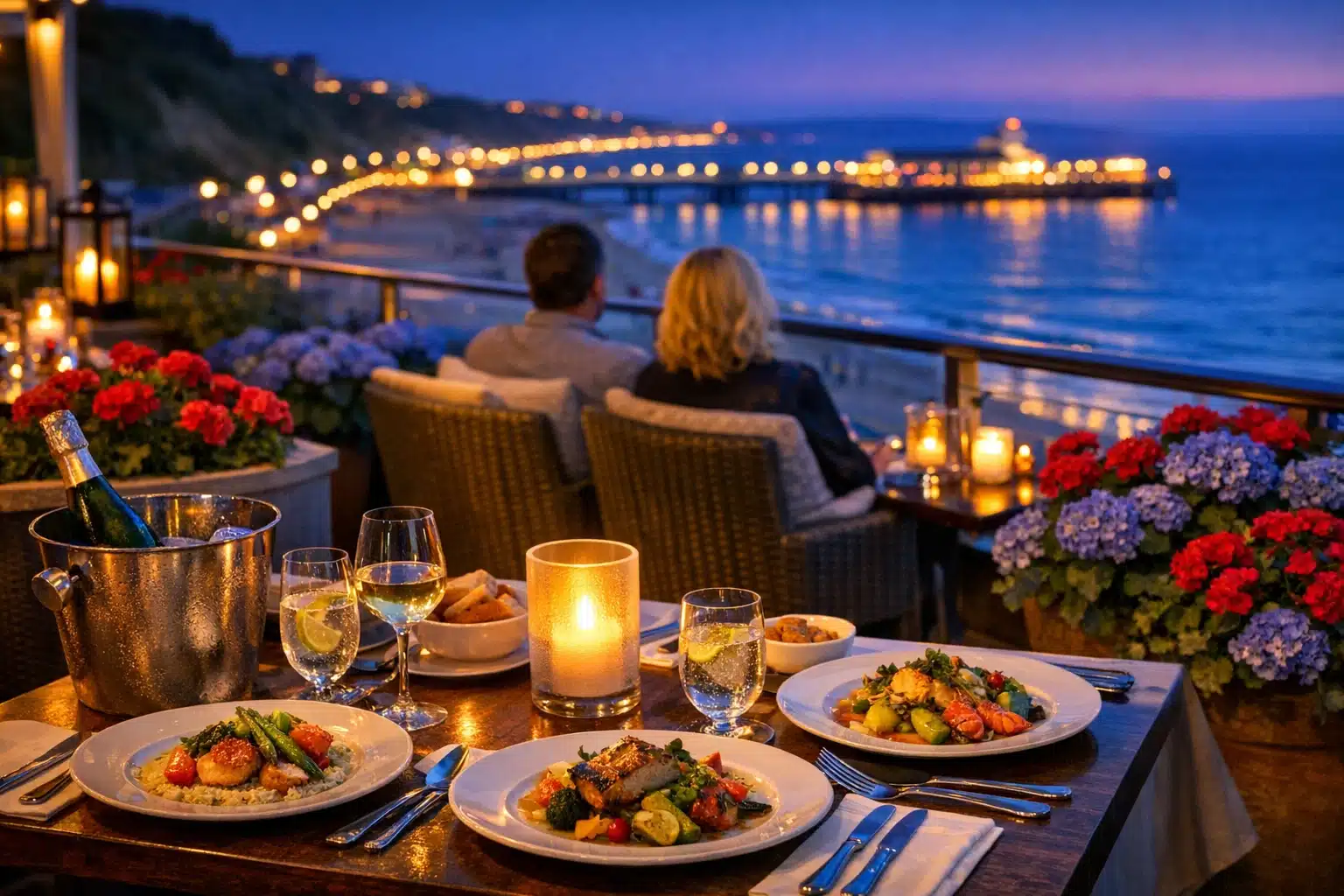
North Devon is the obvious choice for travellers drawn to big views and a stronger sense of Atlantic drama. This coast is known for broad sandy beaches, surfing culture, and a more rugged visual character. Luxury resorts here often appeal to active couples, families with older children, and guests who want the sea to feel alive rather than decorative. Expect striking cliff walks, exposed headlands, and sunsets that can make a terrace dinner feel cinematic. The trade-off is that the weather can feel brisker and the surf-oriented setting may be less suited to travellers seeking completely calm water.
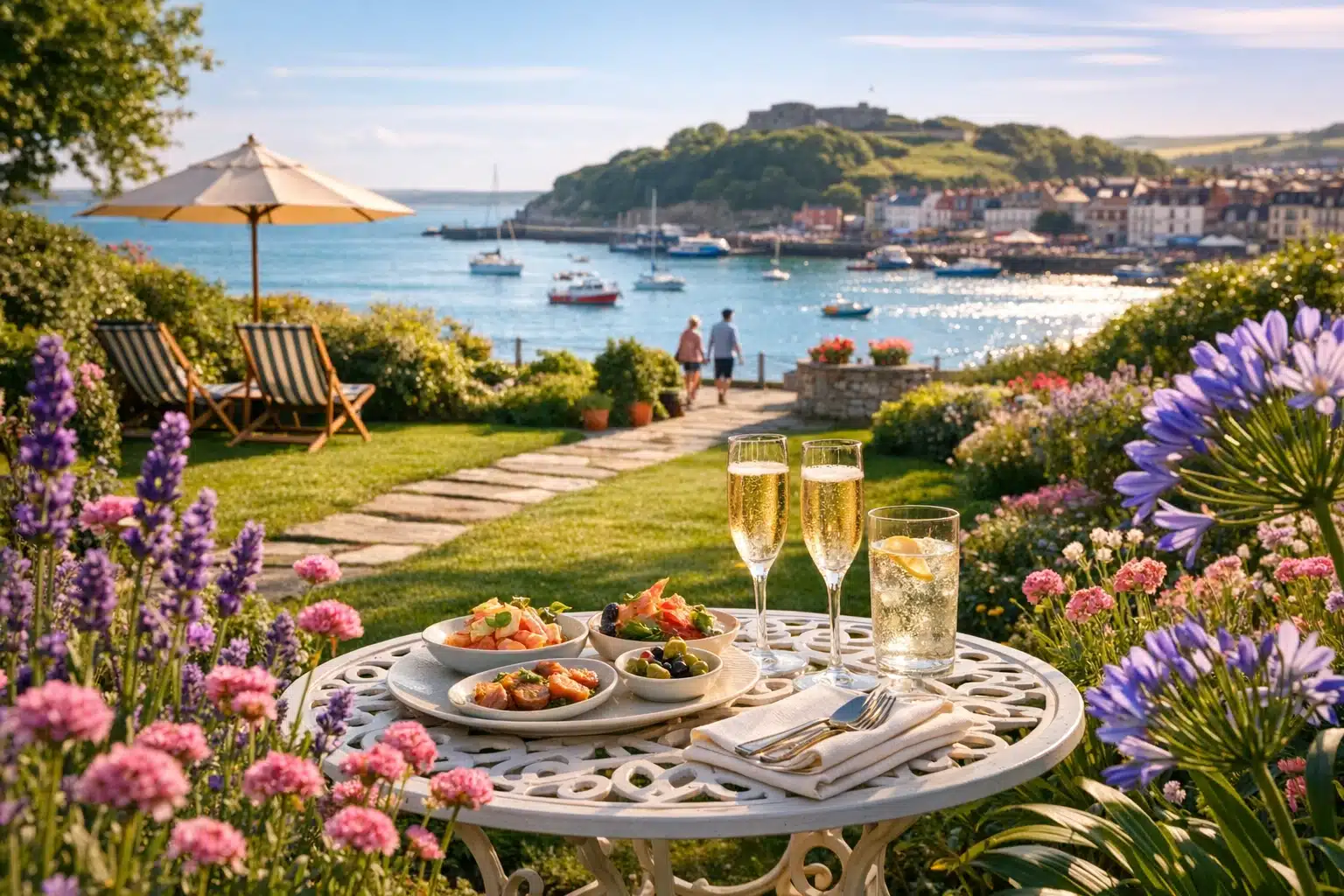
South Devon tends to feel softer and more sheltered. Estuaries, sailing towns, gentler waterfronts, and postcard harbours create a different rhythm. Luxury stays in this part of the county often attract couples looking for romance, multigenerational groups, and guests who like easy coastal exploration without the full force of Atlantic exposure. Dining can feel more polished and town access more convenient, especially if you enjoy combining resort comfort with boutique shopping, harbour walks, or boat excursions.
East Devon offers another appealing balance. The Jurassic Coast setting adds geological interest, and the area often suits travellers arriving for shorter breaks who want elegant accommodation, good transport links, and attractive walking routes. Resorts or upscale hotels in this part of Devon may feel particularly practical for two- or three-night luxury stays, especially for guests coming from London or the South East and trying to minimise onward travel friction.
Then there is inland Devon, where country-house resorts and spa estates offer a different version of indulgence. These properties trade beach immediacy for privacy, gardens, golf, woodland walks, and a slower pace. They can be excellent in cooler months, when a coastal stay may revolve more around weather luck. If your ideal break includes thermal circuits, long lunches, generous rooms, and the sort of silence that makes you lower your voice without thinking, an inland estate may outperform a sea-view property.
A simple comparison can help:
– North Devon: best for surf, dramatic coast, energetic scenery
– South Devon: best for sheltered beauty, harbours, relaxed elegance
– East Devon: best for shorter luxury escapes and scenic convenience
– Inland estates: best for spa-led rest, privacy, and year-round comfort
There is no universal winner. A family with beach gear, tired children, and a plan for daily swimming may value easy access and indoor facilities over pure visual drama. A couple celebrating an anniversary may prefer a smaller coastal retreat with refined dining and late check-out. A wellness-focused guest may choose countryside peace over sea spray. In Devon, the most successful bookings come from matching landscape to lifestyle, not from chasing the broadest marketing claim.
What Justifies the Price: Suites, Dining, Spa Access, Activities, and Service
Luxury is easiest to understand when you break it into parts. A higher nightly rate in Devon can be justified, but only when the property is strong in the areas that matter most to you. Too many travellers focus on star level or scenic photos and not enough on how the day will actually unfold. The right question is not “Is this resort expensive?” but “What does the stay deliver hour by hour?”
Accommodation is the first test. Premium resorts in Devon often distinguish themselves through space, layout, and views rather than extravagant decoration alone. A genuinely valuable room upgrade might mean a sea-facing terrace, a family suite with separate sleeping zones, a freestanding bath positioned near large windows, or a private hot tub sheltered from coastal wind. These details change the lived experience of the holiday. If you plan to spend very little time in the room, paying heavily for the top category may be unnecessary. If your trip is meant to feel cocooning and restorative, room quality can be central rather than secondary.
Dining is another major differentiator. In Devon, the strongest luxury properties usually lean into regional ingredients instead of trying to imitate global resort abundance. Fresh seafood, local meats, dairy, cider, and seasonal produce allow the best kitchens to offer a stronger sense of place. Compare not just how many meals are included, but how flexible and enjoyable they are. Does the package cover a proper dinner menu or only a fixed allowance? Are children’s menus thoughtful or perfunctory? Is breakfast leisurely and varied, or technically included but limited in quality? A resort that gets breakfast right often signals broader operational competence.
Spa facilities require especially close reading. One property may advertise a spa but offer only a small treatment corridor and a basic pool; another may include hydrotherapy, thermal rooms, relaxation lounges, fitness classes, and adult-only time slots. If wellness is one of your reasons for booking, the difference is enormous. Families should also check whether pool access is generous enough for children or tightly scheduled around spa programming.
Activities can add real value when they fit the setting. In Devon, useful inclusions may involve:
– Guided walks or mapped coastal routes
– Surf or paddleboard partnerships
– Kids’ clubs or supervised craft sessions
– Tennis, golf, or bike hire
– Shuttle transport to beaches or nearby towns
– Evening entertainment that is low-key but well produced
Finally, service is where luxury either feels convincing or hollow. A good Devon resort often succeeds through human detail: staff who know local walking routes, reception teams that help with restaurant reservations off-site, housekeeping that keeps family accommodation functioning smoothly, and dining staff who adapt without fuss to allergies or children’s needs. This is less glamorous than brochure photography, but it often determines whether a stay feels seamless.
When comparing options, assign weight to what you will actually use. Couples may place more value on spa calm, dinner quality, and privacy. Families may care most about indoor pools, practical meal coverage, and weather-proof activities. Guests on a short celebratory break may prioritise one standout dinner and an excellent room over a long list of inclusions. Luxury becomes easier to judge when you measure it against your behaviour, not against marketing adjectives.
Conclusion: Choosing the Right Devon Luxury Resort for Your Travel Style
For the right traveller, Devon is a deeply rewarding place to book a luxury all-inclusive or semi-inclusive holiday. It does not usually compete by offering the most extreme version of abundance. Instead, it succeeds through atmosphere, landscape, food, and a more tailored sense of comfort. That makes it especially well suited to people who want convenience without surrendering character.
If you are travelling as a couple, focus first on setting and service. A smaller coastal retreat or spa-led country estate may suit you better than a larger family-oriented property, even if the headline package looks less comprehensive. Look for dining quality, adult-friendly pool access, quiet room placement, and a location that gives the stay a distinct mood. Anniversary trips, minimoons, and restorative long weekends often benefit more from calm and finesse than from endless programming.
Families should reverse the lens. Ask practical questions before romantic ones. How easy is beach access? What happens in bad weather? Are meals genuinely simple with children, or does every day require extra spending and negotiation? The strongest family luxury resorts in Devon are those that reduce friction: generous breakfasts, useful indoor facilities, child-friendly scheduling, and enough space to avoid feeling boxed in by luggage, toys, and wet coats. A package with fewer glamorous extras may still be the better choice if it keeps the whole holiday running smoothly.
For multigenerational groups, flexibility matters most. Seek properties with room variety, lift access where needed, broad dining appeal, and a location that offers optional activity rather than compulsory movement. Estuary and south coast settings often work well because they blend scenery with easier pacing. Wellness-focused travellers, meanwhile, should read spa details with almost forensic care. The phrase “spa hotel” is not precise enough on its own. Look at treatment menus, thermal facilities, adult-only periods, and how much of the wellness offer is built into the price.
When it comes to booking strategy, a few habits help:
– Compare total expected spend, not just the room rate
– Check school-holiday pricing and minimum stay rules
– Confirm what children, drinks, and premium dining actually cost
– Consider shoulder season for better value and quieter facilities
– Read recent guest feedback for clues on service consistency
The ideal Devon luxury resort is not necessarily the grandest, the newest, or the most heavily advertised. It is the one that fits your version of rest. If you want Atlantic energy, choose the north coast. If you want gentler harbours and polished ease, look south. If you want spa quiet and year-round comfort, consider an inland estate. Book with clear eyes, ask detailed questions, and Devon can deliver a holiday that feels both indulgent and unmistakably rooted in place.