UK Countryside Resort Stays in Devon: A Practical Travel Guide
Devon has a rare way of slowing the day down without making a holiday feel empty. You can wake to birdsong, spend the afternoon on a moorland trail or a sandy beach, and still return to a resort with a warm pool, a good dinner, and a comfortable bed. For UK travellers looking for a countryside break that balances convenience with atmosphere, Devon remains one of the most flexible choices. This guide explores how to pick the right stay, where to base yourself, and how to make the most of the county in every season.
Outline
1. Why Devon is especially well suited to countryside resort stays. 2. How different resort styles compare, from spa hotels to lodge parks and farm-based retreats. 3. Which parts of Devon offer the strongest base for different interests and travel habits. 4. What to know about booking, budgeting, transport, dining, accessibility, and timing. 5. Which types of travellers benefit most from a Devon resort stay, with practical trip-planning ideas and a final summary.
Why Devon Works So Well for Countryside Resort Breaks
Devon stands out because it offers more than one version of the countryside. In some counties, a rural holiday means committing to a single mood: rolling fields, perhaps, or a walking base with limited extras. Devon is broader in character. It has Dartmoor’s open and dramatic uplands, wooded valleys in the south, gentler farmland in the east, and long stretches of coastline on two sides. That means a countryside resort stay here can feel peaceful without feeling cut off. A family can spend the morning in a resort pool and the afternoon rock pooling near the coast. A couple can book a spa treatment, then drive through narrow lanes lined with hedges and reach a pub garden or a historic town before dinner.
The county’s appeal is also practical. Exeter functions as a useful gateway for travellers arriving by train, while road access from the Midlands, South West, and South East makes self-drive breaks realistic for many UK visitors. Travel times vary, of course, but Devon can often be reached without the complexity of flying, changing regions, or dealing with city-centre logistics. That matters because countryside resort holidays are often short breaks rather than long annual trips. If a destination feels too complicated, people delay it. Devon tends to feel manageable.
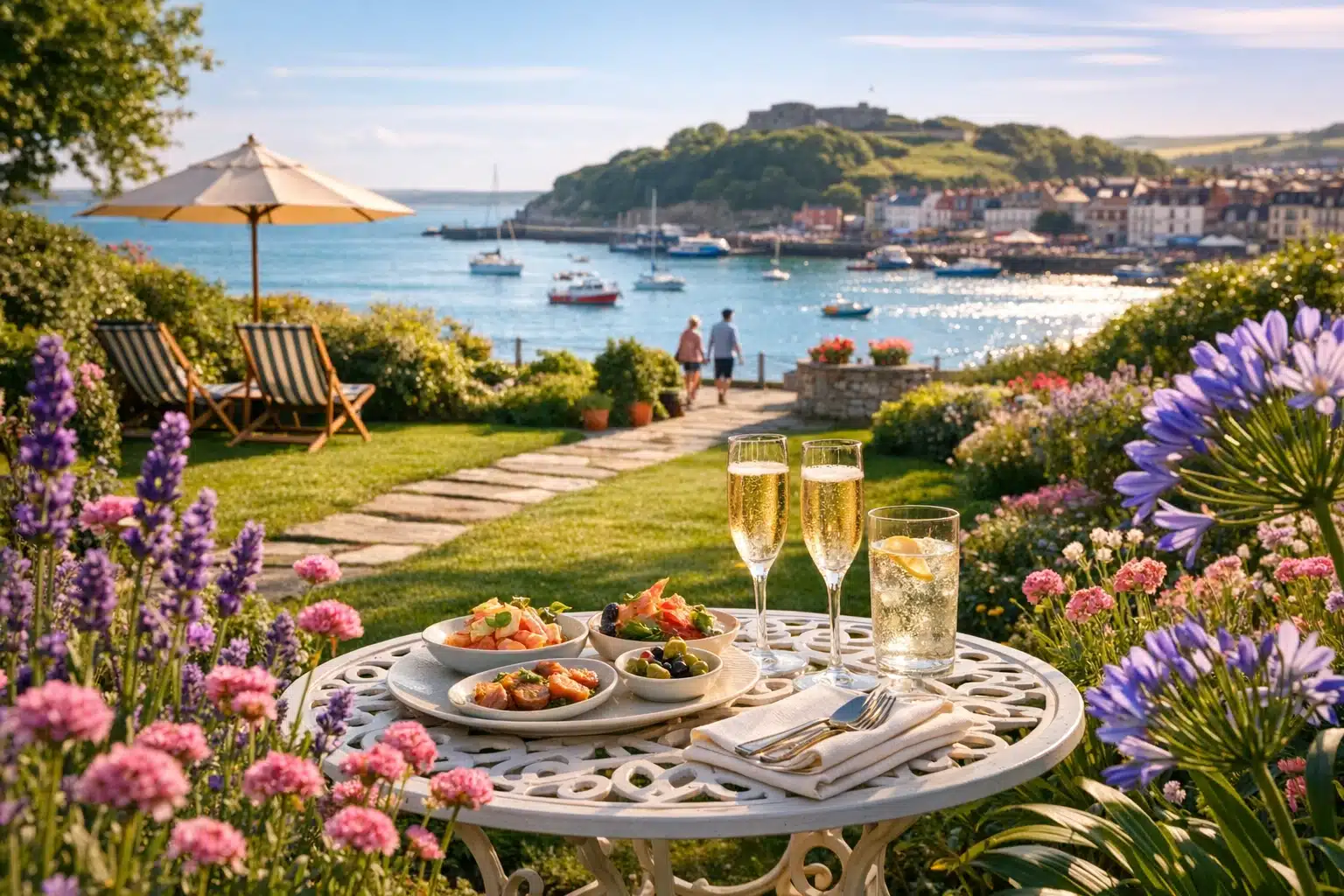
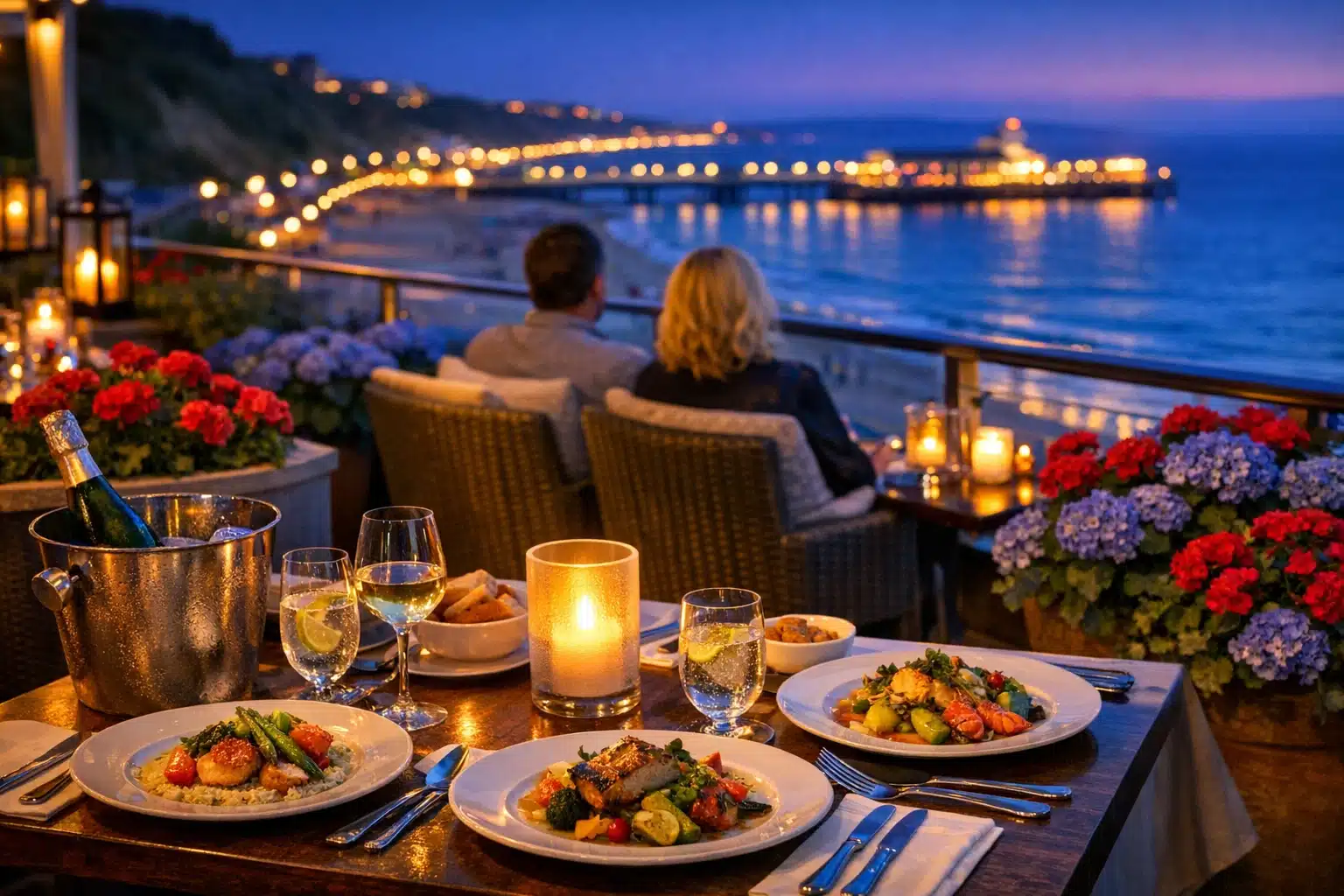
Another reason Devon works is seasonality. Summer brings obvious advantages: long evenings, beach access, garden terraces, and school-holiday energy. Yet countryside resort stays in Devon are not limited to peak season. In autumn, wooded areas around river valleys and estate grounds become richer in colour, while spa facilities and indoor leisure spaces feel especially worthwhile. Winter can be rewarding for travellers who value privacy, lower rates, and storm-watching rather than swimming. Spring is one of the county’s most underrated windows, with lambing season in nearby farmland, fresh green landscapes, and better availability than high summer.
There is also a strong balance between activity and comfort. Devon is not just scenic; it is usable. Visitors can build a holiday around: • walking on Dartmoor or coastal paths • visiting gardens, farm shops, and market towns • family-friendly attractions such as wildlife parks and heritage railways • slower pleasures like cream tea, local cider, and an afternoon with no real plan at all. That range is why resort stays in Devon suit so many travellers. The county does not demand that you become an extreme walker, an all-day beachgoer, or a luxury-only guest. It accommodates mixed preferences, and that flexibility is often what turns a pleasant break into a genuinely restorative one.
Comparing Resort Styles: Spa Hotels, Lodge Parks, Farm Retreats, and Family Resorts
Not every countryside resort in Devon offers the same holiday, and choosing the wrong format can shape the entire trip. Broadly speaking, most stays fall into a few recognisable categories: spa-led country hotels, self-catering lodge resorts, family activity resorts, and rural retreats linked to farms or estate grounds. Each one delivers comfort in a different way. The right choice depends less on price alone and more on how you want your days to flow.
Spa hotels are usually the strongest option for couples, solo travellers, and short-break visitors who want convenience built into the stay. These resorts often place emphasis on wellness facilities, restaurant dining, landscaped grounds, and rooms designed for slower mornings rather than early departures. If your idea of a countryside break includes a robe, a treatment menu, and a late breakfast overlooking fields or woodland, a spa-focused resort is probably the best fit. The advantage is simplicity: meals, leisure, and atmosphere are all on site. The trade-off is that costs can rise quickly, especially once treatments, upgraded rooms, and peak-night dining are added.
Self-catering lodge parks are popular with families and small groups because they combine space with flexibility. A lodge or cabin allows guests to cook some meals, manage children’s schedules more easily, and enjoy a private outdoor area. In Devon, these resorts are often set near lakes, woodland, or gentle countryside rather than directly in town centres. Many include leisure extras such as pools, bike hire, tennis courts, or small activity programmes. Compared with a hotel, a lodge stay often feels less formal and more practical for longer visits. However, quality varies significantly. Some lodge parks are quiet and high-spec, while others lean more toward large-scale holiday-park energy.
Farm retreats and estate-based stays appeal to travellers who want a stronger sense of place. These may include converted barns, boutique cottages, or small rural resorts embedded in working landscapes. The experience is often more personal and less standardised than a chain property. Instead of a long list of facilities, the draw may be atmosphere: dawn mist over fields, local produce in a welcome basket, and a nearby village rather than an entertainment block. These stays can be excellent for walkers, readers, and people craving quiet. They may be less ideal for guests who expect all-weather activities on site.
Family-oriented countryside resorts sit somewhere in the middle. They try to deliver a broad appeal through child-friendly dining, indoor play, leisure facilities, and access to attractions. For parents, that can make the difference between a restful break and a logistical marathon. A useful way to compare options is to prioritise what matters most:
• Do you need a kitchen?
• Do you want a pool or spa?
• Will you spend most of the day off site?
• Do you need child-friendly dining and flexible sleeping arrangements?
• Are you looking for privacy, activity, or service?
In Devon, no single resort style is universally better. The strongest stay is the one that matches your rhythm, not the one with the longest brochure.
Where to Stay in Devon: Best Areas for Different Travel Styles
Choosing the right part of Devon is often more important than choosing the fanciest room. The county is large enough that a “Devon break” can mean very different things depending on where you base yourself. South Devon tends to suit travellers who want pretty estuaries, easier access to polished coastal towns, and a softer landscape of river valleys, creeks, and rolling countryside. Areas around Totnes, Dartmouth, and the South Hams are especially appealing for couples and food-focused travellers, with strong options for scenic drives, waterside walks, and good restaurant lunches. The atmosphere here often feels gentler and more curated, with a blend of rural calm and stylish coastal access.
Dartmoor and its fringes are a different proposition entirely. Dartmoor National Park covers a vast upland landscape of tors, heather, granite, rivers, and open moor. Resort stays around Bovey Tracey, Chagford, Moretonhampstead, and the wider moorland edge are ideal for walkers, photographers, and travellers who want weather to be part of the experience rather than an inconvenience. On a bright day, Dartmoor feels expansive and energising; in mist, it becomes almost literary, as though the landscape has stepped out of an older century. Resorts in this area often focus on tranquillity, fine dining, gardens, and outdoor access rather than family entertainment. They are especially strong for short luxury escapes and active romantic breaks.
North Devon suits visitors who want a wilder, more surf-oriented atmosphere combined with inland countryside. Places near Woolacombe, Croyde, Braunton, and the edges of Exmoor work well for travellers who like variety: beaches, coastal path walking, market towns, and big sea views. Families often do well here because the area offers classic holiday appeal without losing its rural character. The road network can feel slower than expected, so staying close to your priority activities matters. If beach time is central to the trip, it makes sense to remain near the north coast rather than basing yourself too far inland.
East Devon is often overlooked, which is part of its charm. The countryside here can feel quieter and more understated, with attractive villages, easier links to Exeter, and access to the Jurassic Coast. Travellers who want a lower-key resort break with good walking, gardens, and heritage towns may find this side of the county especially rewarding. It tends to appeal to guests who prefer a thoughtful pace over a high-volume tourist scene.
A simple area guide can help:
• South Devon: best for estuary towns, food, and a polished coastal-rural mix
• Dartmoor: best for walking, seclusion, and atmospheric landscapes
• North Devon: best for beach-and-country combinations and active family stays
• East Devon: best for quieter breaks, easier access, and heritage scenery
Devon rewards travellers who match their base to their habits. If you choose the right pocket of the county, the journey between breakfast and your first outing can feel effortless.
Booking Smart: Budget, Transport, Dining, Weather, and Practical Comfort
A countryside resort break can look simple on paper, but the real value of the stay often depends on practical details that travellers only notice after arrival. Budget is the first of these. Devon resort pricing changes sharply with school holidays, summer weekends, and major seasonal events. Two-night stays in peak periods can sometimes feel disproportionately expensive compared with longer off-peak bookings. Midweek travel outside school holidays often gives better value, not only in room rates but also in availability for spa treatments, restaurant tables, and nearby attractions. If flexibility is possible, it is usually worth choosing quieter travel dates over the most obvious ones.
Self-catering stays may appear cheaper at first glance, but travellers should account for extras such as grocery shopping, restaurant visits, activity fees, and parking if they plan to explore widely. Hotel-based stays, by contrast, can be easier to budget if breakfast and some leisure facilities are included. The key is to compare the full trip cost, not just the nightly rate. A resort with a pool, restaurant, and grounds you genuinely use may offer better overall value than a cheaper property that sends you driving elsewhere for every meal and activity.
Transport matters more in Devon than many first-time visitors expect. While Exeter and a few larger towns are well connected by rail, many countryside resorts are easiest to reach by car or taxi. Distances that look short on a map can take longer because of narrow rural roads, slower coastal routes, and summer traffic. If you are travelling without a car, check these points before booking:
• nearest station and realistic transfer time
• availability and cost of taxis
• whether dining options exist on site or within walking distance
• whether local attractions are reachable by bus or pre-booked transport
This is especially important for guests planning a restorative break. Nothing disrupts a peaceful stay faster than realising every small outing requires a complicated journey.
Dining is another area where expectations should be set carefully. Some countryside resorts excel at breakfast and formal evening meals but have limited lunch options. Others are near excellent pubs, cafés, and farm shops, which makes the location more versatile. Devon is well known for local produce, seafood in coastal zones, dairy, and orchard-based drinks, but quality varies from place to place. Reading recent menus is often more useful than reading general descriptions.
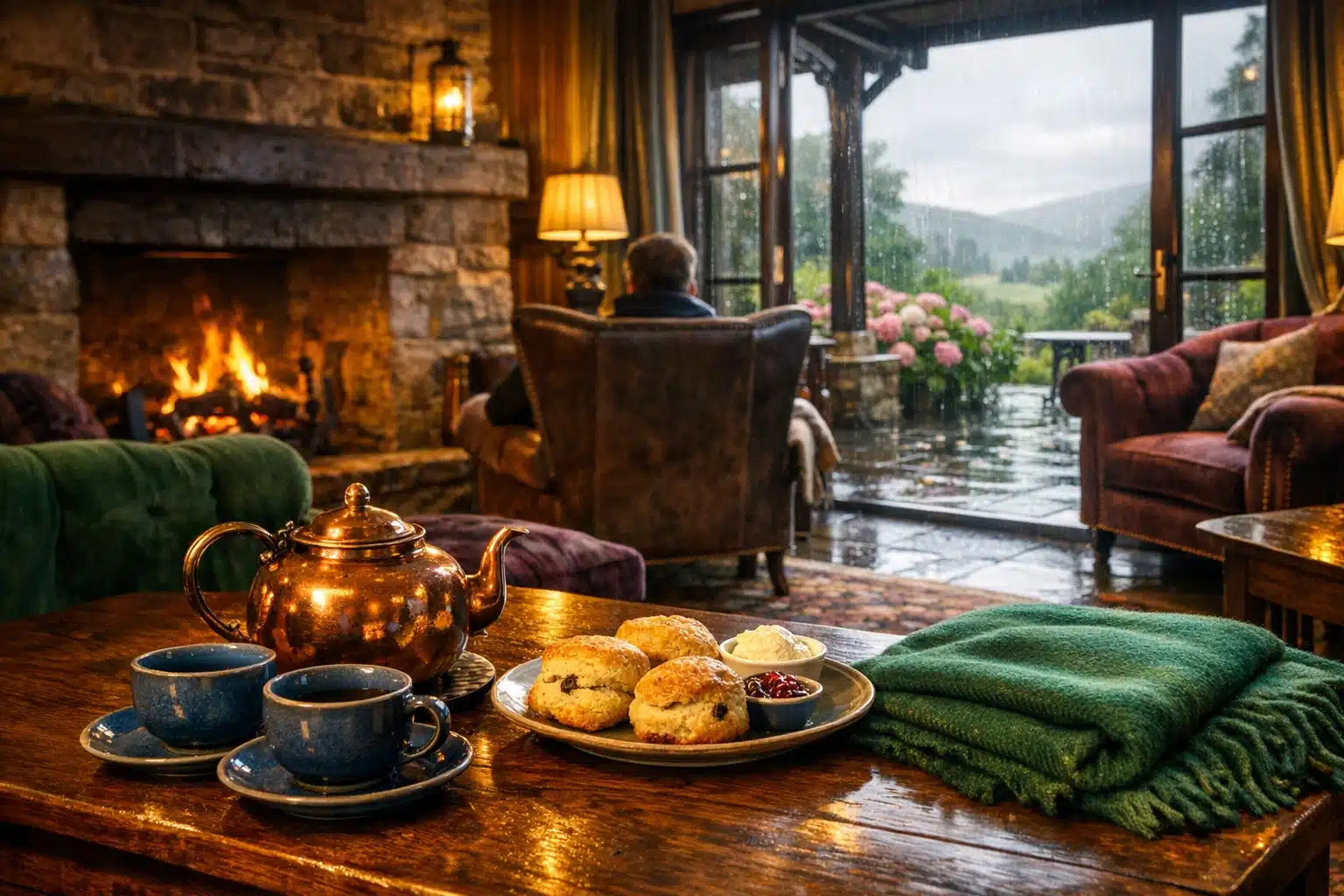
Finally, weather and comfort go together in Devon. A good resort stay should work even when the forecast changes. That means checking whether rooms have practical drying space for wet boots, whether there is an indoor lounge or leisure facility, and whether nearby activities still appeal in rain. The most successful Devon holidays are rarely the ones with nonstop sunshine; they are the ones designed with enough flexibility to remain enjoyable when the skies turn grey and the countryside smells of rain.
Who Devon Countryside Resort Stays Suit Best, with Final Planning Advice
Devon’s real strength is that it accommodates different kinds of travellers without forcing them into the same template. For couples, a countryside resort stay often works best when it combines privacy, scenic access, and one or two indulgent touches rather than an overpacked itinerary. A room with a view, a spa session, and a late lunch in a nearby village can do more for a short break than trying to “see all of Devon” in three days. Couples who prefer style and food may lean toward South Devon or the Dartmoor fringes, while those who want long beach walks and a looser pace may prefer North Devon.
Families usually benefit from being honest about what makes a trip easier. That may mean choosing a lodge with a kitchen, booking somewhere with a pool for wet-weather afternoons, or staying close to a small set of attractions instead of driving all over the county. Devon is rich in family possibilities, but children tend to remember the rhythm of a holiday more than the map coverage. A stay with enough space, manageable mealtimes, and one memorable outing each day is often more successful than a frantic schedule.
Solo travellers can find Devon especially rewarding if they want a break that feels restorative rather than isolating. A good countryside resort gives structure to the day without forcing social interaction: breakfast, perhaps a walk, time in a lounge or spa, then dinner and a quiet evening. For walkers and readers, that can be ideal. It is also a strong destination for multigenerational trips, since grandparents, parents, and children can often split their time between on-site comfort and nearby excursions.
If you are planning a first visit, a practical checklist helps:
• choose one main landscape focus, such as moorland, estuary, or coast
• decide whether you want hotel service or self-catering independence
• check transfer logistics before paying
• book dining and treatments early in peak months
• leave unstructured time in the schedule
That last point matters more than many travel guides admit. Devon is a county that reveals itself in pauses: a lane opening onto a valley, sheep moving across a field, cloud shadow drifting over the moor, the sound of cutlery and conversation in a warm country dining room after a wet walk.
For the target audience of this guide, the clearest conclusion is simple. Devon is one of the strongest UK choices for countryside resort stays because it blends rural scenery with practical comfort, varied accommodation, and enough geographic range to suit different travel styles. Whether you want a romantic spa weekend, a family lodge break, or a quieter rural base with room to breathe, the best results come from matching the resort type and location to your habits, not to generic marketing language. Choose thoughtfully, plan lightly, and Devon has a very good chance of feeling like the kind of break you meant to book all along.