Easy One-Pot Meals for Seniors
Cooking can feel more tiring with age, but dinner does not have to end with a crowded stove and a sink full of heavy dishes. One-pot meals make it easier to prepare nourishing food with fewer steps, less lifting, and simpler cleanup. For many seniors, that means more independence in the kitchen, better portion control, and a routine that feels manageable on busy or low-energy days. This article looks at practical ways to plan balanced one-pot meals that are comforting, flexible, budget-aware, and enjoyable to eat.
Outline of the Article and Why One-Pot Cooking Deserves Attention
Before diving into ingredients and recipes, it helps to see the road map. One-pot cooking is not just a convenient trend; it is a useful approach for seniors who want meals that are easier to prepare, simpler to clean up, and flexible enough to fit different appetites, budgets, and health needs. In many homes, the challenge is not a lack of interest in food. It is the effort required to shop, prep, cook, serve, store, and wash up. A one-pot meal trims several of those tasks at once, which is why it can support both nutrition and daily comfort.
This article is organized to move from the big picture to practical action. First, it explains why one-pot meals work especially well for older adults, including the benefits for safety, energy, and routine. Next, it looks at how to build a balanced meal in one pot by combining protein, fiber-rich carbohydrates, vegetables, and healthy fats. After that, it covers cooking techniques that make food easier to chew, easier to digest for some people, and more flavorful without requiring complicated steps. Finally, it brings everything together with meal ideas, planning tips, storage advice, and a focused conclusion for seniors who want cooking to feel less like a chore and more like a steady, reliable part of everyday life.
- Why one-pot meals often suit smaller households and changing energy levels
- How to create balanced nutrition in a single dish
- Ways to adjust texture, seasoning, and cooking methods
- Examples of soups, stews, skillets, porridges, and casseroles
- Planning, leftovers, food safety, and realistic weekly habits
Think of this outline as a well-set table before the meal arrives. Once the structure is clear, the rest becomes easier to follow. That matters because good food advice should not feel tangled or overwhelming. For seniors, simplicity is not a compromise. It is often the smartest design choice in the kitchen.
Why One-Pot Meals Work So Well for Seniors
One-pot meals fit naturally into the realities of later life. They reduce standing time, cut down on dishwashing, and simplify the cooking process from start to finish. Instead of boiling vegetables in one pan, browning meat in another, and preparing grains in a third, everything comes together in a single vessel. That matters more than it may seem. Less movement between burners means less strain on the back, shoulders, and wrists. Fewer dishes also mean less cleanup, which can be a deciding factor between cooking at home and relying on less nourishing convenience foods.
There is also a safety benefit. A calmer kitchen usually means fewer chances to forget a burner, spill hot liquid while carrying a pot, or get tired midway through a meal. For seniors with arthritis, reduced grip strength, or limited stamina, a one-pot approach can turn cooking into something realistic again. Slow cookers, Dutch ovens, and deep skillets are especially helpful because they allow food to cook gently with minimal active supervision. A pot quietly simmering on the stove can feel like a dependable companion rather than a demanding taskmaster.
One-pot meals can also support appetite changes. Many older adults prefer smaller portions, softer textures, or meals that feel comforting rather than heavy. Soups, stews, risottos, braises, and savory porridges are excellent in this regard because they combine moisture, aroma, and warmth. That makes them easier to eat than dry foods and easier to adapt when chewing becomes difficult. Compared with a plate of separate items, a one-pot meal often feels more cohesive and less fussy.
- Less lifting and fewer steps during cooking
- Reduced cleanup, which encourages home cooking
- Better control over portion size and leftovers
- Flexible textures for easier chewing and swallowing
- Simple ingredient swaps for budget, taste, or dietary needs
Another major advantage is economy. One-pot meals are often built from practical staples such as beans, lentils, rice, oats, potatoes, frozen vegetables, eggs, canned tomatoes, and broth. These ingredients store well, cost less than many ready-made meals, and can stretch into several servings. A chicken and vegetable stew, for example, may provide dinner tonight and lunch tomorrow without any extra effort. When compared with takeout or individually packaged frozen meals, homemade one-pot cooking often offers better value and more control over salt, texture, and ingredients.
Perhaps most importantly, one-pot meals restore a sense of ease. A kitchen does not need to produce restaurant-style plates to serve someone well. Sometimes the best dinner is the one that is warm, balanced, and possible to make without exhaustion. That is where one-pot cooking quietly shines.
Building Balanced Nutrition in a Single Pot
A good one-pot meal is more than convenient. It can also be nutritionally complete when built with a few simple principles in mind. For seniors, balanced eating often means paying close attention to protein, fiber, hydration, vitamins, and mineral-rich ingredients while keeping meals enjoyable and realistic. The easiest way to think about a one-pot meal is as a template rather than a strict recipe. Start with a protein, add vegetables, include a satisfying carbohydrate or legume, and finish with flavor from herbs, healthy fats, and gentle seasoning.
Protein deserves special attention because aging can make it harder to maintain muscle mass. Many dietitians note that older adults may benefit from spreading protein across the day instead of saving most of it for one meal. In practical terms, that means including foods such as chicken, turkey, fish, eggs, tofu, yogurt, beans, lentils, or cottage cheese in dishes that would otherwise be mostly starch. A lentil soup with added diced chicken, a bean and vegetable chili topped with Greek yogurt, or a soft rice skillet with eggs can all raise protein intake without making the meal complicated.
Vegetables matter just as much, but they do not need to be elaborate. Frozen vegetables are a strong option for seniors because they are already washed and cut, reduce waste, and keep their nutritional value well. Carrots, peas, spinach, green beans, and mixed vegetables can go straight into soups or casseroles. Compared with fresh produce that spoils quickly, frozen options are often easier to manage for a one- or two-person household. Canned vegetables can work too, especially if they are labeled low sodium or rinsed before use.
Carbohydrates often get an unfair reputation, yet they are useful in one-pot meals because they provide energy and help dishes feel satisfying. The key is choosing forms that also offer fiber or steady fuel when possible. Brown rice, barley, oats, beans, lentils, and sweet potatoes can do this well. White rice, pasta, or regular potatoes can still be part of a balanced meal, particularly when appetite is low or chewing needs are a factor. In other words, the right choice depends on the person, not on food trends.
- Protein: beans, lentils, poultry, fish, eggs, tofu, yogurt
- Vegetables: frozen spinach, carrots, peas, tomatoes, zucchini, squash
- Carbohydrates: rice, oats, pasta, potatoes, barley, quinoa
- Flavor boosters: olive oil, onion, garlic, lemon, parsley, dill, paprika
- Soft add-ins: cooked greens, mushrooms, avocado, shredded cheese
Sodium is another consideration. Many packaged soups and broths contain high levels of salt, which can be a concern for seniors managing blood pressure or heart conditions. A practical solution is to use low-sodium broth, dilute regular broth with water, or rely more on flavor from onion, celery, garlic, herbs, pepper, lemon juice, or a small spoonful of tomato paste. Rich taste does not have to come from the salt shaker alone.
Finally, hydration matters. One quiet advantage of soups and stews is that they include fluid in the meal itself. For seniors who do not always feel thirsty, that can be helpful. A bowl of chicken soup, vegetable stew, or bean chili supports nourishment in a gentle, familiar format. When one pot contains protein, color, warmth, and enough moisture, it is doing more than feeding hunger. It is making nutrition easier to reach.
Cooking Methods, Texture Adjustments, and Flavor Without Extra Effort
The method behind a one-pot meal can make all the difference. Two people may use the same ingredients and end up with very different results depending on heat, timing, and moisture. For seniors, the most useful cooking methods are usually the ones that produce tenderness and steady flavor with limited hands-on effort. Slow simmering, braising, pressure cooking, and gentle baking are particularly effective because they soften vegetables, break down tougher cuts of meat, and create a texture that is easier to chew.
Texture is not a small detail. It can determine whether a meal feels welcoming or tiring to eat. If chewing is difficult, dishes with broth, sauce, or natural moisture are often better choices than dry roasted foods or crisp items. A chicken thigh braised with carrots and rice usually becomes softer than a grilled chicken breast served with raw vegetables. Likewise, oatmeal cooked with milk and fruit may be easier to manage than toast and a hard apple. One-pot meals give cooks more control over softness because ingredients share heat and liquid as they cook.
There are several practical ways to adjust texture without losing appeal. Vegetables can be chopped smaller, grains can be cooked a bit longer, beans can be partly mashed into soups for a thicker body, and meats can be shredded rather than served in large pieces. If swallowing is a concern, a smoother consistency may be appropriate, but that should follow personal or medical guidance. The good news is that one-pot dishes adapt easily. A stew can become a thicker soup, a soup can become a puree, and a rice dish can be loosened with extra broth if needed.
- Use slow, moist heat for tenderness and easier chewing
- Cut vegetables evenly so they soften at the same rate
- Choose chicken thighs, ground turkey, lentils, or flaky fish for gentler texture
- Add broth, milk, or tomato sauce to prevent dryness
- Finish with herbs, lemon, or olive oil for freshness instead of extra salt
Flavor deserves its own attention because simple meals should still be enjoyable. Many seniors notice changes in taste or smell over time, which can make food seem dull. Stronger seasoning does not have to mean hotter spice or more sodium. Layered flavor can come from sautéed onion, garlic, celery, mushrooms, paprika, bay leaves, thyme, ginger, dill, black pepper, lemon zest, or a small sprinkle of cheese. A spoonful of pesto stirred into vegetable soup or a squeeze of lemon over a lentil skillet can brighten the whole dish.
Comparing one-pot styles can also help. Soups are usually best for hydration and softness. Stews offer thicker texture and heartier bites. Skillet meals cook faster and may retain more structure, which some people prefer. Casserole-style dishes are useful when you want something sliceable or easy to reheat in squares. None is universally better. The most practical choice depends on appetite, available cookware, and how much effort a person wants to spend on the meal.
In the end, successful one-pot cooking is less about culinary flair and more about thoughtful ease. A pot of food that smells inviting, tastes full, and goes down comfortably can bring more pleasure to the day than a complicated recipe ever could.
Meal Ideas, Weekly Planning, and Smart Ways to Use Leftovers
Once the basics are clear, the next step is turning them into repeatable meals. The best one-pot dishes for seniors are the ones that can be remembered, adjusted, and made again without stress. A weekly rotation helps. Instead of searching for brand-new recipes all the time, it is often easier to choose a few dependable formats and vary the ingredients. That keeps shopping simple and reduces waste.
Here are some strong one-pot formats worth keeping in regular rotation:
- Chicken and vegetable soup with noodles, rice, or barley
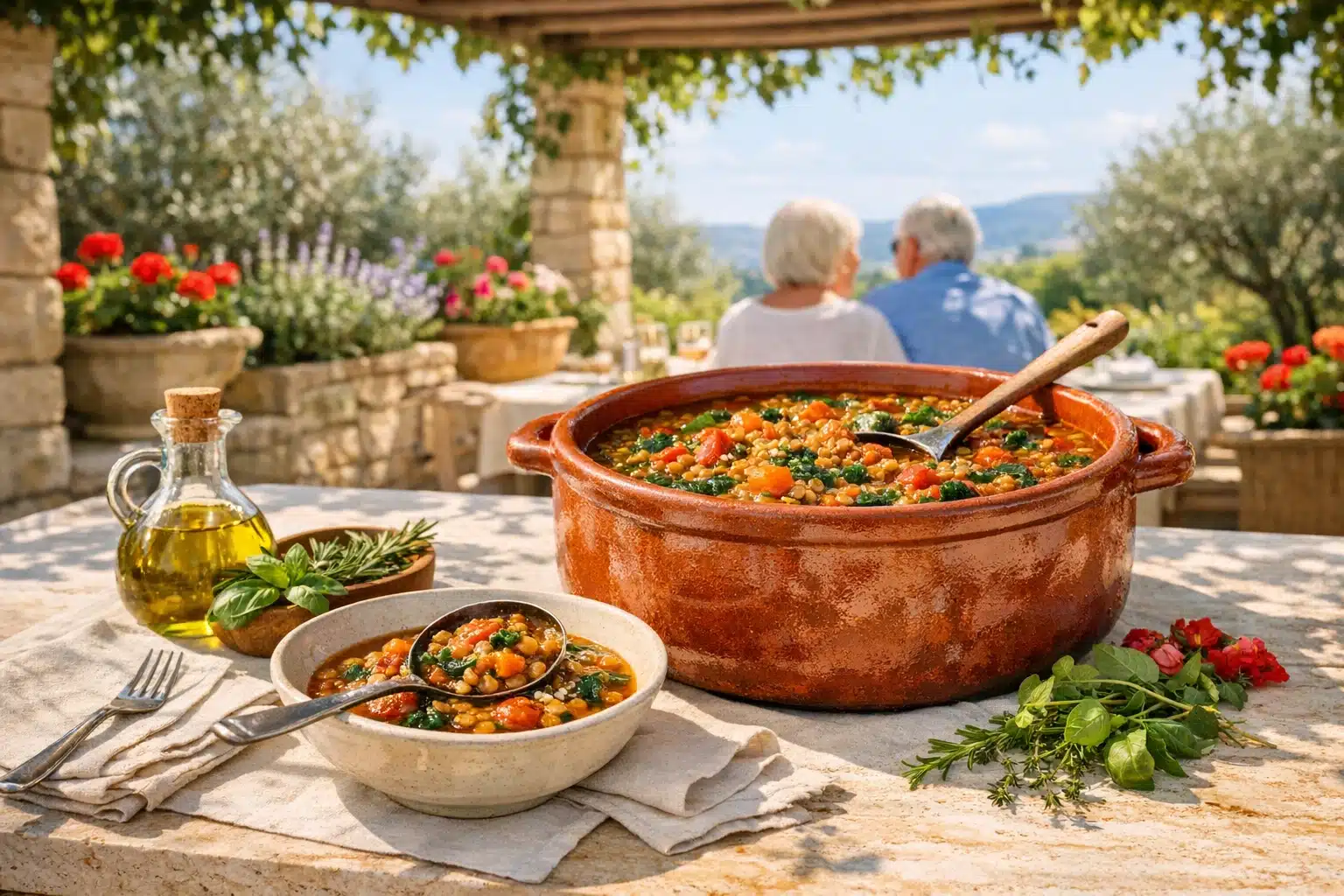
- Lentil stew with carrots, tomatoes, and spinach
- Turkey chili with beans and soft-cooked peppers
- Rice skillet with eggs, peas, mushrooms, and shredded chicken
- Oatmeal cooked with milk, cinnamon, fruit, and ground flax
- Soft pasta with white beans, zucchini, and tomato sauce
- Salmon chowder with potatoes, corn, and dill
These meals differ in flavor and texture, but they share the same strength: they are adaptable. If chewing is difficult, pasta can be cooked a little longer, vegetables can be diced small, and proteins can be shredded or flaked. If appetite is lower, the meal can be portioned into smaller bowls and paired with fruit or yogurt later in the day. If budget matters most that week, beans, oats, rice, eggs, and frozen vegetables can carry most of the load at a modest cost.
Planning becomes easier when you think in pairs. Cook one meal for dinner and save enough for lunch the next day. A pot of soup can often improve in flavor overnight as ingredients settle together. A skillet rice dish can become a quick lunch with an added splash of broth. A bean chili can be served on day one in a bowl, then used on day two over a baked potato or stirred into pasta. This is where one-pot cooking becomes not just a recipe style, but a system.
Storage and food safety matter, especially for seniors living alone. Leftovers should be cooled and refrigerated within two hours. Shallow containers help food chill faster than a deep pot tucked into the refrigerator. Labeling containers with the date can prevent guesswork, and reheating should bring food back to a safe, steaming temperature. Freezing extra portions is also practical because it creates future meals for days when energy is low.
A simple weekly plan might look like this:
- Monday: vegetable and bean soup
- Tuesday: chicken rice skillet
- Wednesday: leftover soup with toast and fruit
- Thursday: turkey chili
- Friday: soft pasta with peas and tuna
- Weekend: oatmeal, egg dishes, or a freezer portion from earlier in the week
There is something reassuring about a pot that asks for ordinary ingredients and returns a full meal. It does not demand perfect knife skills or a long attention span. It simply asks for a little planning and gives back warmth, nourishment, and a kitchen that still feels within reach.
Conclusion: A Simpler Way to Eat Well at Home
For seniors, one-pot meals are not just about saving time. They are about making home cooking feel practical, safe, and satisfying again. With one pan or one pot, it becomes easier to prepare balanced food, soften textures when needed, control portions, and keep cleanup from becoming a second task after dinner. That combination matters because the best meal plan is the one that can be followed comfortably week after week.
If you are cooking for yourself or for an older family member, start small. Choose one reliable pot, a short list of staple ingredients, and two or three meals that feel familiar. Build confidence through repetition, then adjust flavors, proteins, or vegetables as needed. There is no prize for complexity at the stove. What matters is having meals that are nourishing, pleasant to eat, and realistic to prepare on an ordinary day.
In many kitchens, the quietest solutions are the most useful. A single pot simmering on the stove can provide more than dinner. It can offer routine, comfort, and a welcome sense of control. That is a meaningful gift at any age, and especially valuable in later years.