Summer Volunteering Programs in Spain: A Practical Guide
A summer volunteering program in Spain can be many things at once: a way to support local projects, a practical route into Spanish culture, and a chance to test your independence far from home. From marine conservation on Mediterranean coasts to social support initiatives in major cities, the country presents unusual variety in a compact space. Choosing well matters, because a strong placement can be genuinely useful, while a weak one may feel costly, unclear, or poorly supervised.
Outline
- The first section explains what summer volunteering in Spain actually looks like, including common formats, host organizations, regional differences, and the reasons demand rises sharply between June and September.
- The second section compares the main project categories, from environmental work and heritage conservation to education and community support, so readers can see which placements fit their goals and skills.
- The third section covers the practical side: budget, housing, transport, health insurance, language expectations, climate, paperwork, and the difference between short-term volunteering and formal employment.
- The fourth section focuses on quality and ethics, showing how to evaluate organizations, spot red flags, and avoid programs that are vague, overpriced, or poorly connected to local needs.
- The fifth section serves as a conclusion aimed at students, gap-year travelers, career changers, and purpose-driven visitors who want their summer in Spain to be useful, realistic, and memorable.
The Summer Volunteering Landscape in Spain
Summer volunteering in Spain sits at the intersection of travel, education, and civic participation. For many people, it starts with a simple idea: spend several weeks doing something more meaningful than ordinary tourism. What makes Spain especially attractive is the breadth of settings available within one country. A volunteer can spend part of July restoring walking trails in a northern rural area, then look at another program in an urban neighborhood where migrants, children, or older residents need support. The contrast is striking. In the same nation, one placement may revolve around sea turtles, dunes, and coastal cleanups, while another is centered on food banks, after-school workshops, or community gardens.
The busiest months are usually June, July, and August, when students are free, weather conditions favor outdoor work, and seasonal events create extra demand for staff and volunteers. Spain is one of the most visited countries in the world, so summer also brings pressure on ecosystems, local services, and public spaces. That reality helps explain why environmental and community-based programs tend to expand during warmer months. Inland areas can become very hot, with temperatures above 35 degrees Celsius in some cities, while northern regions and some coastal zones may feel more manageable. Climate is not a minor detail here; it shapes the type of work you can do, the hours you keep, and the energy you will have at the end of the day.
Programs are hosted by a mix of organizations:
- Local nonprofits working on social inclusion, education, or neighborhood support
- Environmental groups focused on wildlife, coastlines, forests, and sustainable agriculture
- Municipal initiatives linked to festivals, cultural heritage, or youth activities
- Faith-based charities and community associations serving practical local needs
- International intermediaries that package placements with accommodation and orientation
Duration varies, but short stays of one to four weeks are common in summer, especially for first-time volunteers. Longer placements can run through the season and may suit people who want deeper immersion. The daily rhythm often reflects Spanish life itself: early starts for outdoor tasks, a slower middle of the day when heat peaks, and evenings that stretch later than many visitors expect. By noon you may be painting benches or sorting food donations; by night you may be sharing a simple meal while learning why local dinner schedules seem to ignore the clock you arrived with. That blend of work and cultural adjustment is part of the appeal, but it also means volunteers should arrive ready to adapt rather than simply consume an experience.
Comparing Program Types: Environment, Education, Social Projects, and Heritage
Not all summer volunteering programs in Spain ask for the same strengths, and this is where many applicants make either a smart match or an avoidable mistake. Broadly, the most common categories are environmental conservation, educational support, social assistance, cultural heritage, and agricultural or rural projects. Each one offers a different balance of physical effort, language demands, local interaction, and direct community impact.
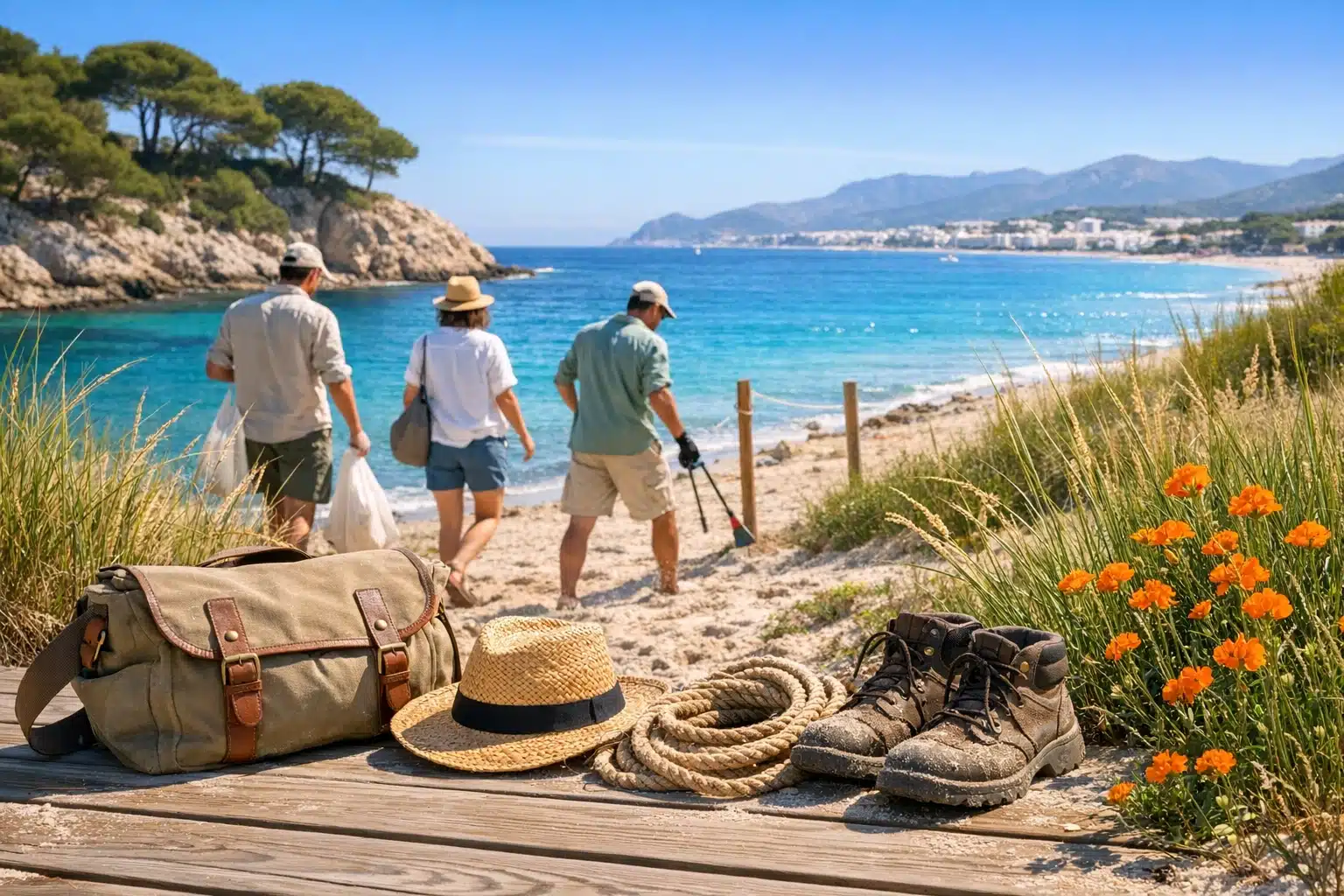
Environmental programs appeal to travelers who like outdoor work and visible results. These placements may involve beach cleanups, biodiversity monitoring, invasive plant removal, trail maintenance, reforestation support, or awareness campaigns in protected areas. They are usually well suited to volunteers who are comfortable working in heat, staying active, and following safety protocols. The advantage is clarity: the tasks are often easy to understand, and the purpose feels tangible. The challenge is that some work can be repetitive, weather dependent, and physically tiring.
Educational and youth-focused programs tend to be stronger choices for people who enjoy communication and patience. Activities might include helping at summer camps, assisting with English conversation, supporting creative workshops, or working in youth centers. These roles often provide richer social contact than environmental projects, but they may also require better Spanish, more emotional energy, and stricter safeguarding procedures. If you are hoping to improve your language skills rapidly, this category can be especially valuable because it creates frequent human interaction rather than isolated task work.
Social assistance programs are usually based in cities or large towns and may support migrants, older adults, low-income families, or people with disabilities. The work can include meal preparation, clothing distribution, administrative help, community events, or companionship activities approved by the host organization. These placements can be deeply rewarding, though they demand humility. Volunteers are entering real lives, not staged cultural encounters, so reliability matters more than enthusiasm alone.
Cultural heritage and rural restoration programs offer a different atmosphere. Imagine stone walls warmed by the afternoon sun, a village square that still sets the pace for local life, and a team helping preserve paths, communal buildings, or traditional practices. These projects may involve light restoration, event support, documentation, or tourism information during busy weeks. They often suit volunteers interested in history, architecture, local identity, and slower forms of travel.
A simple comparison can help:
- Choose environmental work if you want hands-on outdoor tasks and straightforward goals.
- Choose education if you like interaction, teaching support, and language practice.
- Choose social projects if you value service rooted in everyday community needs.
- Choose heritage or rural programs if you prefer smaller places and cultural depth.
The best choice depends less on what sounds noble and more on where your temperament fits. A volunteer who dislikes heat and routine may struggle on a coastline cleanup team. Someone who prefers structure may feel lost in a loosely organized cultural project. Spain has room for many kinds of service, but the right match begins with honest self-assessment.
Costs, Paperwork, Language, and Everyday Logistics
The practical side of volunteering in Spain deserves as much attention as the inspirational side, because logistics often determine whether a summer placement feels smooth or stressful. Budget is usually the first concern. Some local organizations accept volunteers directly and charge very little beyond accommodation or meals, while packaged international programs may cost from a few hundred to several thousand euros. The fee often reflects housing, airport pickup, orientation, translation support, staff coordination, and insurance arrangements, but price alone does not prove quality. An expensive program can still be vague, and a modestly priced one can be excellent if it is locally rooted and well run.
Typical costs may include:
- Program or coordination fees
- Flights or long-distance rail travel
- Local transport within Spain
- Accommodation, if not included
- Meals, or a food allowance for shared housing
- Travel insurance and health cover
- Basic work gear such as sturdy shoes, sun protection, or gloves
Accommodation formats vary widely. Volunteers may stay in shared apartments, hostels, volunteer houses, family homes, or simple rural lodgings. Urban placements often mean commuting by metro or bus, while smaller towns may require walking or cycling. Spain has an extensive rail network and reliable bus connections, but regional travel can still take time, especially when a program is based far from major airports. A placement that looks close on a map may involve several transfers in real life.
Language expectations differ by project. Some international summer programs operate comfortably in English, especially when volunteers come from several countries. However, many of the best local experiences become richer if you know at least basic Spanish. You do not need polished grammar to be useful, yet everyday phrases can change everything: asking for supplies, understanding a schedule change, greeting neighbors properly, or catching the nuance of instructions during a busy shift. Catalan, Basque, and Galician may also be present depending on region, though Spanish remains the main bridge language in most settings.
Paperwork is another area where assumptions can cause trouble. Citizens of EU and EEA countries generally have fewer barriers for short stays, while many non-EU nationals can enter the Schengen Area for up to 90 days for tourism, depending on nationality and current rules. Still, volunteering arrangements are not identical to employment, and requirements can vary based on duration, host type, insurance, and whether the organization provides benefits. Checking current immigration guidance before paying any fee is essential. Health coverage matters too, especially during summer, when dehydration, heat exhaustion, and minor injuries are common enough to plan for sensibly. A good program will explain what it covers, what it does not, and who to contact if something goes wrong.
How to Choose a Responsible Program and Avoid Common Mistakes
The most important decision is not the city, the beach, or the photo-friendly setting. It is the organization behind the placement. Responsible volunteering depends on real local need, clear supervision, and honest communication. Without those three elements, a summer project can drift into confusion or become a form of expensive activity dressed up as service. Spain has many credible nonprofits and community groups, but it also attracts commercial intermediaries that market emotion more effectively than substance. Learning how to tell the difference is one of the best investments a volunteer can make.
Start by asking what problem the project is trying to address and why volunteers are needed specifically in summer. A solid answer should be concrete. For example, a coastal conservation group might explain that visitor numbers rise sharply in July and August, increasing litter, trail erosion, and demand for public education. A youth center might need extra support because schools are closed and families require supervised activities. If the response is vague, overly sentimental, or focused mainly on how life-changing the trip will be for you, caution is sensible.
Ask detailed questions before committing:
- What will a normal day look like?
- How many volunteer hours are expected each week?
- Who supervises the work on site?
- What training is provided?
- How is the project connected to local residents or institutions?
- What happens if the listed tasks cannot be carried out?
- Where does the program fee go?
Several red flags appear again and again. Be careful if a program cannot describe tasks clearly, refuses to share past participant feedback, avoids explaining finances, or places volunteers in sensitive community roles without proper preparation. Another warning sign is when an organization treats Spanish language ability as completely unnecessary in a role built around vulnerable groups and daily community contact. That does not always make the project invalid, but it may suggest poor planning or excessive dependence on short-term foreign volunteers.
Ethics matter here as much as convenience. Volunteering should support local capacity, not replace jobs that ought to be paid. This is especially relevant in education, childcare, and social support. A short-term visitor should not be positioned as the central solution to complex community challenges. The better model is complementary service: volunteers assist with seasonal demand, practical tasks, outreach, maintenance, or supervised activities led by local professionals. Think of yourself as part of a working team, not the star of the story.
Finally, look for signs of maturity in how the organization communicates. Trustworthy groups usually discuss limitations openly. They admit that some days are routine, that weather may force changes, and that cultural adjustment can take effort. That kind of realism is reassuring. In volunteering, a measured promise is often more credible than a dramatic pitch.
Final Guidance for Students, Gap-Year Travelers, and Career Switchers
If you are considering a summer volunteering program in Spain, the best approach is to treat it as a serious commitment with travel woven into it, not as a holiday with occasional good deeds attached. For students, this kind of experience can sharpen language skills, add practical evidence of initiative, and expose you to social or environmental issues in a setting that feels immediate rather than theoretical. For gap-year travelers, it can create structure and purpose during a period that might otherwise blur into casual movement from one destination to the next. For career changers, it can be a low-risk way to test whether work in education, conservation, community development, or nonprofit operations genuinely fits your temperament.
The key is to be clear about what you want from the experience. If your priority is Spanish practice, choose a role with steady local interaction. If you want physically active days, an environmental placement may suit you better than an office-based community project. If your budget is tight, compare direct applications to local organizations with packaged programs that add convenience but often raise the total cost. If you need supervision and structure, do not romanticize loosely organized projects simply because they sound adventurous.
A few final principles are worth carrying with you:
- Read beyond promotional pages and look for independent reviews or direct references.
- Plan for heat, slower midday rhythms, and late evening schedules.
- Learn enough Spanish to greet, thank, ask, and understand basic instructions.
- Respect local routines instead of measuring everything against home habits.
- Remember that consistency and humility usually matter more than dramatic enthusiasm.
The reward of volunteering in Spain is rarely a single cinematic moment. More often, it arrives in smaller scenes: sorting supplies with a team that stops joking only long enough to work faster, learning the names of neighbors who first saw you as a stranger, or noticing that a place on the map has turned into a place with texture, responsibilities, and memory. Those details are what make the experience durable.
For the target audience of this guide, the conclusion is simple. Choose carefully, ask better questions than most applicants ask, and aim for service that fits both your abilities and the host community’s needs. Spain can provide a vivid, generous setting for summer volunteering, but the value comes from thoughtful participation rather than scenery alone. When preparation is solid and expectations are realistic, a short program can leave you with stronger skills, sharper judgment, and a fuller understanding of what useful travel really means.