Scholarships for Studying in Seoul: A Practical Guide for International Students
Seoul makes academic ambition feel visible in everyday life: a single subway ride can carry you from palace walls to research labs, startup offices, and late-night libraries filled with determined students. That energy attracts applicants from around the world, but enthusiasm alone does not pay tuition or rent. Scholarships matter because they turn an exciting idea into a workable plan, especially for students balancing strong goals with limited financial room.
Outline
- Why Seoul stands out as a study destination and why scholarships matter more here than many applicants first expect
- The main scholarship routes available to international students, from government funding to university-based awards
- How eligibility, documents, and application strategy differ across degree levels and programs
- What a realistic budget for Seoul looks like, including housing, transport, food, and everyday expenses
- A final roadmap to help students choose suitable scholarships and build a stronger study plan
Why Seoul Attracts Scholarship Applicants from Around the World
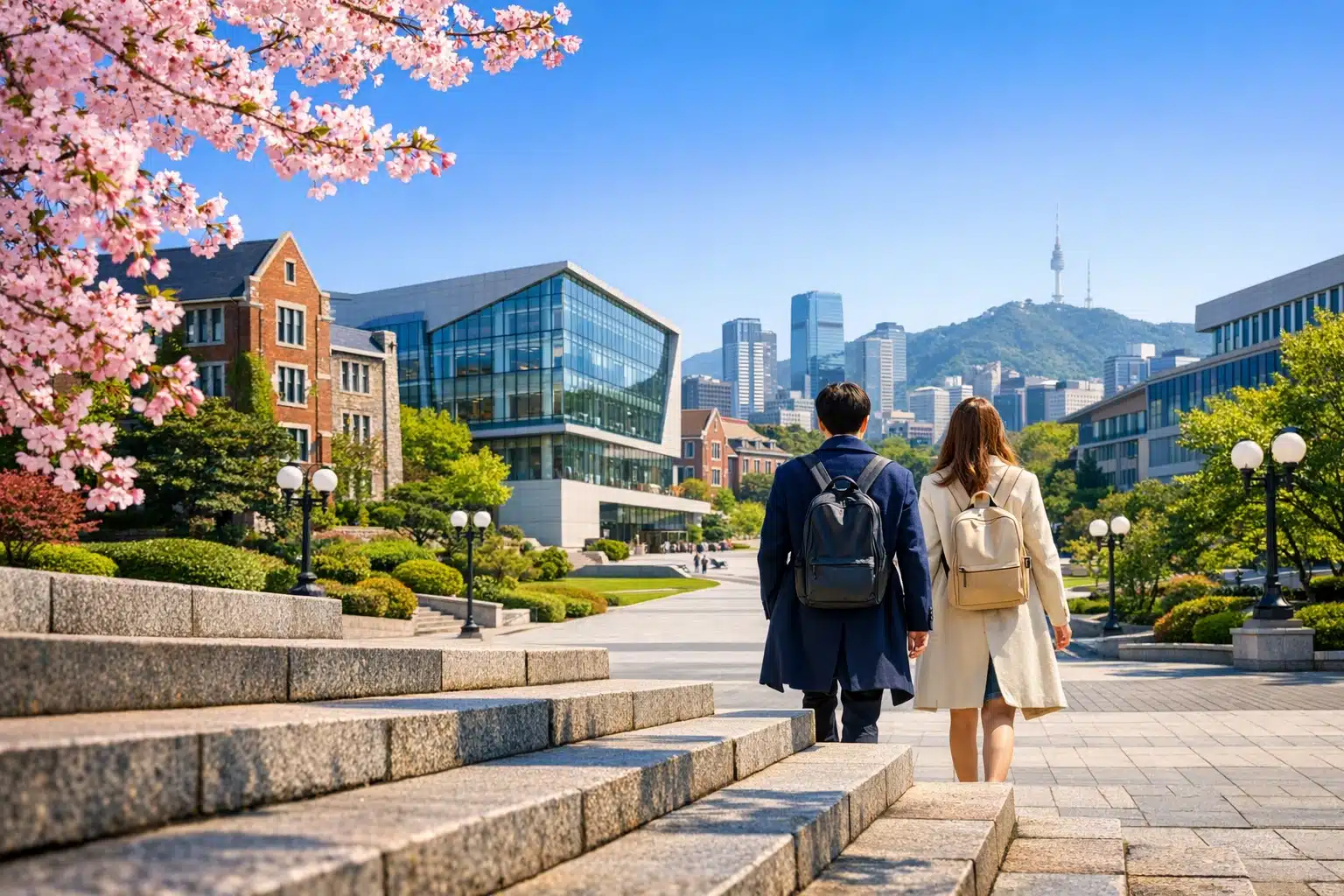
Seoul is not simply the capital of South Korea; for many students, it is the country’s densest academic crossroads. Major universities, research institutes, language centers, museums, multinational offices, and technology companies sit within reach of one another, which creates an environment that feels unusually connected. A student can spend the morning in class, the afternoon at a seminar, and the evening at a cultural event or networking session without crossing an entire country to do it. That concentration of opportunity is one reason Seoul appears so often on international shortlists.
The city also offers variety. Students interested in engineering, business, public policy, media, design, international relations, Korean language, and cultural studies can all find strong programs in or near Seoul. Institutions such as Seoul National University, Yonsei University, Korea University, Hanyang University, Ewha Womans University, and Hankuk University of Foreign Studies are widely recognized by international applicants, although each school has its own strengths, admissions culture, and scholarship structure. For graduate students, Seoul can be especially appealing because research groups, professors, labs, and industry partnerships are often easier to access in one metropolitan area than in smaller cities.
Scholarships matter here for a practical reason: while Seoul offers impressive academic and professional advantages, it is usually more expensive than many other student cities in Korea. Rent can rise quickly depending on neighborhood and housing type, and students who rely on part-time work alone may find the financial picture unstable. A solid scholarship can therefore do more than reduce tuition. It can shape the entire student experience by allowing more time for coursework, language study, internships, and adjustment to a new environment.
Compared with a smaller Korean city, Seoul often gives students broader internship access, a larger international community, and faster exposure to academic events. In exchange, applicants face stronger competition and higher living costs. That trade-off is important. A scholarship for Seoul is not just a bonus; in many cases, it is the bridge between being admitted and actually being able to study well once classes begin. For students who want both academic quality and urban opportunity, Seoul remains deeply attractive, but the smartest path is to treat funding as part of the admission strategy from the very beginning.
Main Scholarship Routes: Government, University, and Department Funding
When students first search for funding in Seoul, they often imagine a single scholarship database with clear answers. In reality, the system is more layered. The most familiar route is the Global Korea Scholarship, commonly called GKS, a government-supported program associated with study in South Korea. Depending on the degree level, entry route, and yearly notice, it may include support such as tuition coverage, a monthly stipend, settlement support, language training, and insurance-related benefits. It is attractive because it can be comprehensive, but it is also highly competitive and document-heavy. Applicants usually need to pay close attention to embassy and university tracks, official deadlines, and updated instructions for their intake year.
The second major route is university funding. Many Seoul universities offer scholarships specifically for international students, but the rules vary sharply. Some awards are automatic and based on admission strength, while others require a separate form, interview, or proof of language ability. Coverage can range from a modest tuition reduction to full tuition support for a semester or longer. Renewal conditions are also important. A scholarship that looks generous at admission may only continue if the student maintains a certain GPA or course load.
Graduate students should also look beyond public scholarship lists and study the funding culture of individual departments. In master’s and doctoral programs, support may come through research labs, teaching support, or professor-managed grants. This route is often less visible on general scholarship pages, yet it can be one of the most realistic options for applicants whose academic interests align strongly with a faculty member’s work. In that sense, graduate funding in Seoul can feel less like a prize and more like a professional match.
- Government scholarships tend to be broad in coverage but highly competitive and procedural.
- University scholarships are often easier to identify but differ greatly in scope and renewal rules.
- Department or lab funding can be excellent for graduate students, especially in research-based fields.
- External foundations and home-country sponsors may fill gaps when Korean funding is partial rather than complete.
A useful comparison is this: government programs often reward overall academic promise and national-level selection, university awards usually reward admission performance and institutional priorities, and department funding tends to reward subject fit. Undergraduates frequently rely more on government or university scholarships, while graduate students often succeed by combining university admission with faculty-level support. The best approach is not to chase the most famous scholarship first, but to build a funding map with multiple paths. A student who applies only to one prestigious award may end up with nothing, while a student who combines government, university, and department options often creates a far stronger chance of studying in Seoul on workable terms.
Eligibility, Documents, and Application Strategy That Actually Matter
Scholarship applications for Seoul can seem intimidating because they ask for more than grades. Academic results matter, of course, but selectors are usually trying to answer a broader question: can this student succeed in the program, adapt to the environment, and use the opportunity well? That means eligibility often combines several elements at once, including previous academic performance, degree history, nationality rules, language ability, health or visa-related forms, and the match between the applicant’s goals and the chosen program. Some government scholarships may also include age or degree-completion restrictions, so official notices must be checked carefully each year.
The document list is where many otherwise strong applicants lose momentum. A missing apostille, an incomplete translation, or a recommendation letter that arrives late can weaken an application before anyone reads the personal statement. Most students should expect to prepare a core packet that includes the following:
- Academic transcripts and graduation certificates
- A passport copy or proof of nationality
- Recommendation letters
- A personal statement or statement of purpose
- A study plan or research proposal
- Language test scores when required, such as TOPIK, IELTS, or TOEFL
- Portfolio material for design, arts, or media programs where applicable
- Certified translations, notarization, or apostille documentation if requested
Undergraduate and graduate applications are not read in exactly the same way. Undergraduate applicants are often assessed through grades, extracurricular depth, adaptability, and future potential. Graduate applicants, by contrast, are usually judged more heavily on academic direction. A vague essay about loving Korean culture may not carry much weight in a master’s application if it does not clearly explain research interests, academic preparation, and why the chosen university is the right fit. For research degrees, applicants should show that they understand the department, the field, and the kind of work they want to pursue.
A strong strategy starts early. Preparing nine to twelve months ahead is not excessive, especially if you need to take a language test, contact referees, or obtain legalized documents. It also helps to create a timeline that separates tasks into stages: target programs, eligibility checks, document collection, essay drafting, revision, and submission. The best essays are usually specific rather than dramatic. Instead of saying Seoul is a dream city, explain why a Seoul-based program supports your subject goals better than another option. Mention a course, research center, language environment, or faculty strength. In scholarship applications, clarity beats grand language almost every time. A polished, carefully documented application tells a committee that you are ready not just to arrive in Seoul, but to make serious use of the chance once you get there.
Budgeting for Seoul: What Scholarships Cover and What Students Still Need to Plan For
Winning a scholarship does not automatically solve every money question. One of the most important realities about studying in Seoul is that the phrase funded student can still describe very different financial situations. Some scholarships cover full tuition and provide a living stipend. Others reduce only a portion of tuition, leaving housing and daily costs to the student. Because Seoul is a major capital city, those differences matter. A partial scholarship that sounds impressive on paper may still leave a student under pressure if rent, deposits, and basic living costs were underestimated at the planning stage.
Housing is usually the largest variable. University dormitories are often the most manageable option for new students because they can be cheaper, closer to campus, and easier to arrange from abroad. Still, places may be limited, and room rules vary. Off-campus housing opens more choices but can introduce higher monthly rent and, in some cases, substantial deposits. Students often compare several living arrangements:
- Dormitories, which are structured and practical but may have curfews or limited privacy
- Goshiwon-style rooms, which can be compact and basic but sometimes include utilities or simple meals
- One-room apartments, which offer independence but may require larger upfront deposits
- Shared housing, which can lower costs but depends heavily on location and roommate compatibility
Daily expenses also deserve a realistic estimate. Food costs vary widely depending on whether a student uses campus cafeterias, cooks, or eats frequently in cafes and commercial districts. Public transport in Seoul is generally efficient and student-friendly compared with the cost of owning a car, which helps keep commuting predictable. Mobile plans, books, supplies, winter clothing, health-related costs, residence paperwork, and occasional social spending all add up, even when they seem minor in isolation.
Students should pay special attention to expenses that scholarships may not fully cover:
- Application fees and document certification before departure
- Airfare and arrival costs
- Dorm deposits or off-campus housing deposits
- Health insurance or medical costs not fully reimbursed
- Lab fees, equipment, or course materials for specialized programs
- Emergency savings for unexpected moves, travel, or personal needs
Compared with smaller Korean cities, Seoul often demands a tighter budget but rewards good planning. The city’s transport network, student discounts in some settings, and wide range of food options can help, yet housing remains the decisive factor for many students. If your scholarship includes a stipend, test it against likely housing scenarios before accepting an offer. If part-time work is part of your plan, check official visa and university rules rather than relying on online rumors. In short, a scholarship should be evaluated not only by its title but by how well it fits the real cost of living in the district, campus, and degree path you have chosen.
A Final Roadmap for International Students
For most international students, the smartest scholarship strategy for Seoul is not to chase the most famous program blindly. It is to build a plan that balances ambition, evidence, timing, and financial reality. That begins with a simple question: what kind of student are you on paper and in practice? A strong applicant knows whether their strengths lie in grades, research fit, language ability, leadership, artistic work, or long-term academic direction. Once that is clear, scholarship searching becomes less random and far more efficient.
A practical roadmap usually looks like this:
- Choose a small set of Seoul universities that match your field and budget assumptions.
- Read the official scholarship pages for each school and note whether awards are automatic, competitive, or renewable.
- Check government funding options such as GKS alongside university scholarships instead of treating them as separate worlds.
- Prepare documents early, especially if legalization, translation, or test scores are involved.
- Write application essays that connect your goals to a specific program rather than to a vague image of life in Korea.
- Create a backup plan in case your first-choice scholarship is not awarded.
It also helps to think beyond the admission letter. Ask what your first year in Seoul will actually feel like. Will your scholarship still be stable after the first semester? Can you meet the GPA requirement for renewal? Does the stipend align with dorm prices, or would off-campus housing create stress? Graduate students should also ask whether a supervisor, lab, or department environment is a genuine fit, because academic mismatch can matter more than the funding amount over time.
There is no single perfect scholarship route for every applicant. An undergraduate with excellent grades may do best with university merit aid or a government program, while a graduate student with a focused research agenda may find better support through departmental funding. Some students succeed by combining modest awards rather than landing one dramatic package. Others discover that a less famous university offers a more sustainable scholarship structure than a widely recognized name. That is not a compromise; it is often a wise decision.
If you are planning to study in Seoul, treat scholarships as part of your academic strategy, not as an afterthought. Read official sources closely, compare full costs rather than advertised benefits, and build an application that sounds like a real student making a serious plan. Seoul can reward curiosity, discipline, and adaptability in equal measure. For international students who prepare well, the city is not only a compelling destination on a map, but a realistic place to study, grow, and build the next stage of their education.