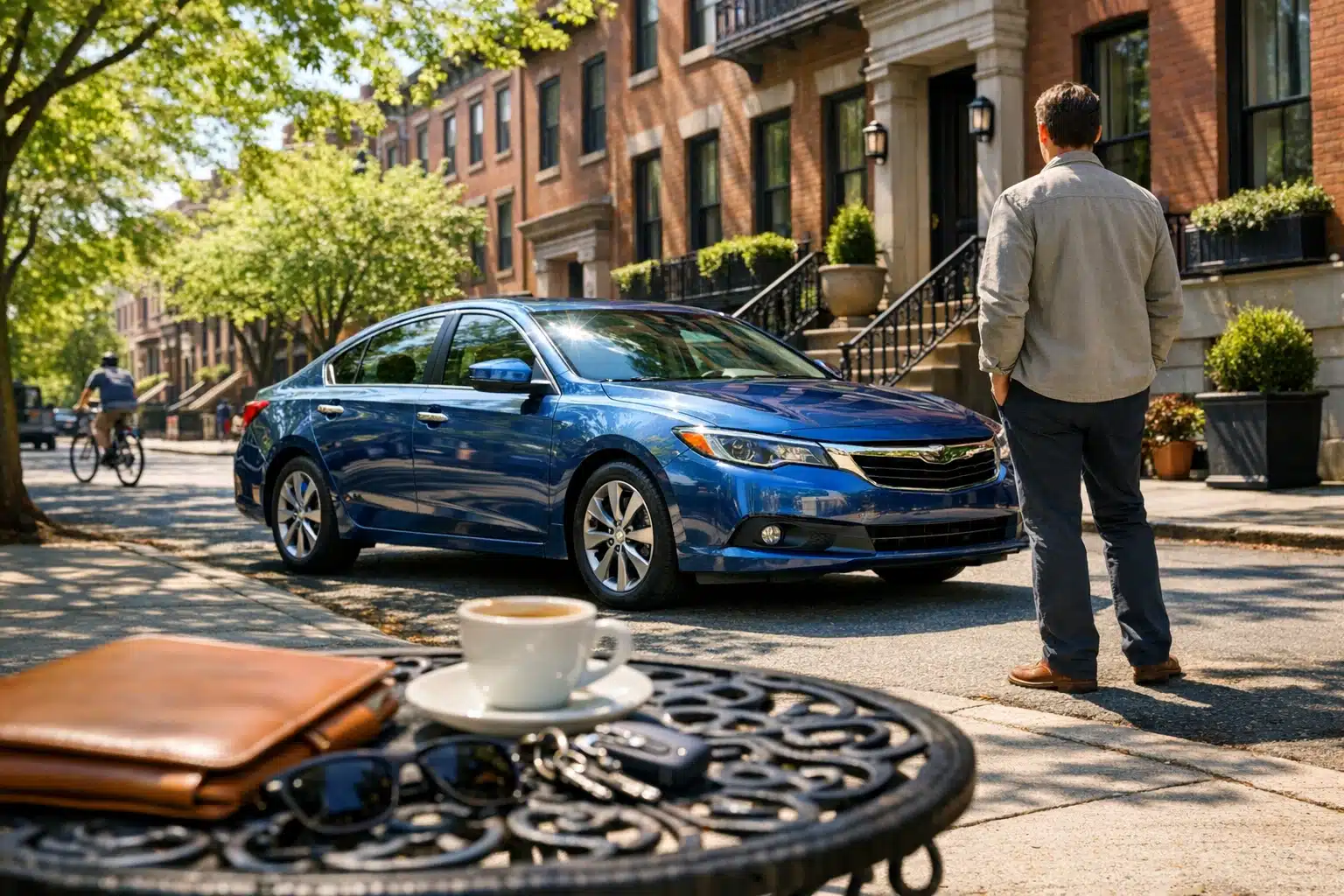
Monthly Payments for Used Cars: No Bank Required Options Explained
Introduction: Why No-Bank Used Car Payments Matter
Buying a used car without a bank loan can feel like taking a side road with fewer signs, yet for many shoppers it is the route that actually gets them moving. No-bank payment plans matter because credit history, self-employment income, or past financial mistakes can shut people out of traditional lenders. The good news is that dealership financing, buy here pay here lots, lease-to-own programs, and private seller arrangements all exist, but they do not work the same way. Learning the trade-offs before you sign can protect your budget, your transportation, and your peace of mind.
For a lot of households, a car is not a luxury purchase. It is the link between home and work, school and daycare, the grocery store and the doctor’s office. When a bank says no, life does not pause politely in the driveway. That is why alternative financing exists. Some dealerships finance the vehicle themselves, some work with specialized finance companies, and some sellers rely more on proof of income than on a high credit score. These programs can be useful, especially for buyers rebuilding credit or earning income outside a traditional payroll system, but convenience often comes with higher costs or stricter rules.
This article begins with a simple outline and then expands each point in detail. The roadmap is straightforward:
• why buyers look beyond banks
• how no-bank monthly payment arrangements are structured
• the main options and how they compare
• the true cost behind the advertised payment
• practical steps for choosing a deal that fits real-life finances
The goal is not to promise an easy approval or paint every alternative lender as a villain in a dark suit. Reality is more mixed than that. Some no-bank options are workable and transparent; others are expensive, rigid, or tied to cars that need more attention than their polished hoods suggest. A careful buyer can still find a sensible arrangement, but that takes more than asking, “What is the monthly payment?” It requires asking how long the term lasts, what happens if a payment is late, whether the vehicle has been inspected, and how much the car will really cost by the end of the contract. Once those questions are on the table, the picture becomes much clearer.
How No-Bank Monthly Payment Plans Usually Work
When a used-car ad says no bank required, it usually means the financing decision is being made outside a traditional bank loan process. The most common setup is in-house financing, where the dealership either lends the money directly or works with a specialized finance partner that has more flexible approval standards. Instead of focusing mainly on credit score, the seller may look at current income, length of employment, residence stability, down payment size, utility bills, and personal references. In plain language, they want to know whether you can keep making payments and whether they can reach you if trouble starts.
The payment structure can vary more than many first-time buyers expect. Some contracts are truly monthly. Others are biweekly or tied to the buyer’s paycheck schedule. A deal advertised as “easy monthly payments” may still require a large down payment, automatic withdrawals, or same-day late fees after a missed due date. At some lots, the lender may also install a GPS unit or a starter-interrupt device as a condition of the agreement. Those tools are legal in some places and tightly regulated in others, so state law matters. The key point is that convenience at the approval stage may be balanced by tighter control after the sale.
Typical paperwork often includes:
• a government-issued ID
• recent pay stubs or bank deposits
• proof of address such as a utility bill or lease
• proof of insurance
• trade-in information, if any
• references who can verify contact details
Here is a simple example. A buyer finds a used sedan priced at 11,000 dollars. A traditional bank declines the application because the applicant has a short credit history and variable freelance income. A dealership offers an alternative: 2,000 dollars down, a shorter approval process, and scheduled payments over several years. That sounds workable at first glance, but the real questions come next. What is the interest rate, if one is stated? Are there add-on fees? Is the vehicle sold as-is? Does the contract allow early payoff without penalty? If the answers are clear and reasonable, the arrangement may help the buyer. If the dealer only repeats the payment amount and avoids the total cost, that is a signal to slow down. In this market, a smooth sales pitch can glide like fresh wax, while the contract underneath may have more friction than the test drive revealed.
Comparing the Main No-Bank Options for Used Cars
Not all no-bank payment plans belong in the same bucket. The four most common models are buy here pay here dealerships, standard dealerships with in-house or non-bank finance partners, lease-to-own arrangements, and private-party installment sales. Each option solves a different problem, and each comes with its own blend of flexibility, price, and risk. If you compare them only by monthly payment, you may miss the factor that matters most: how the deal behaves after the first enthusiastic handshake.
Buy here pay here dealerships are often the best-known no-bank option. These lots typically sell older vehicles and finance them directly. Approval can be fast, and the credit requirements may be lighter than what a bank would demand. For buyers who need transportation quickly, that accessibility can be valuable. The trade-off is that rates and fees may be high, down payments can be substantial, and the inventory may not always be the strongest in terms of long-term reliability. Some buyers also find that payment schedules are stricter, with faster consequences after a missed installment.
Dealerships that arrange financing through specialized lenders sit somewhere in the middle. They may offer newer vehicles, more formal paperwork, and sometimes a broader range of terms. The advantage is that the customer may get a car in better condition and a contract that looks closer to conventional financing. The downside is that the deal can still be expensive for borrowers with weak credit, and extras such as service contracts, tire packages, or gap coverage may be added to the loan unless the buyer reviews the paperwork carefully.
Lease-to-own or rent-to-own plans are another path. These can appeal to shoppers who want lower entry barriers, but the structure deserves close attention. In some agreements, you are effectively renting the vehicle with an option to become the owner after all payments are made. That can mean limited equity early in the contract and less flexibility if you want to exit. Private-party installment sales, meanwhile, can offer lower prices because there is no dealership overhead, but they depend heavily on trust, proper documentation, title handling, and state law compliance.
A quick comparison looks like this:
• Buy here pay here: easy access, often higher cost, older inventory
• Dealer-arranged non-bank financing: broader selection, more paperwork, variable pricing
• Lease-to-own: lower entry hurdle, ownership may take longer, terms can be restrictive
• Private seller payments: potentially cheaper purchase price, more legal and practical risk if handled casually
The best option depends on the buyer’s priorities. If speed matters most, one path may stand out. If total cost, vehicle quality, and predictable rights are more important, another may make more sense. A good comparison is less like picking the shiniest key on the ring and more like checking which one actually opens the right door.
The Real Cost Behind the Payment: Rates, Fees, Vehicle Quality, and Risk
The monthly payment is the number most likely to be printed in large type, but it is rarely the most important number in the deal. A lower payment can simply mean a longer term, a larger down payment, or a contract that loads costs elsewhere. Buyers should focus on the full amount paid over time, including finance charges, taxes, registration, dealer fees, optional products, required insurance, and repair exposure. In used-car financing, the gap between the advertised payment and the real cost can be wide enough to drive a tow truck through.
Interest rate is one major variable, although some contracts may describe the price in less transparent ways. Buyers with damaged or limited credit often face double-digit APRs, and in some markets the cost can rise much higher depending on state rules and lender type. Even if the vehicle price seems fair, a long term at a high rate can make a modest car surprisingly expensive. For example, stretching payments over more months may shrink the monthly burden while sharply increasing the total amount paid. That matters even more with used vehicles, because a car can age faster than the loan balance falls.
Fees deserve the same attention as rates. Common extras include:
• documentation or processing fees
• late charges and returned-payment fees
• service contracts or extended warranties
• GPS or starter-interrupt related charges, where allowed
• repossession fees if the contract goes into default
• prepayment penalties in some agreements
Vehicle quality is the other half of the equation. A cheap payment on an unreliable car is not a bargain; it is a double bill. You may be paying the lender and the repair shop at the same time. That is why a pre-purchase inspection by an independent mechanic can be one of the best dollars a buyer spends. A vehicle history report, maintenance records, tire condition, transmission behavior, and signs of previous collision damage all matter. If a seller resists an inspection, that resistance says something all by itself.
Finally, understand the consequences of getting behind. Some no-bank lenders move quickly after missed payments, and repossession rules can vary by jurisdiction. Ask what the grace period is, whether partial payments are accepted, and how reinstatement works if the car is repossessed. A contract should not feel like a magic trick where the monthly payment is shown with one hand while the liabilities are hidden in the other. The strongest deal is not the one with the smallest first number; it is the one whose full cost and risks are visible before you sign.
Smart Steps Before You Sign: How to Choose, Negotiate, and Move Forward with Confidence
If you are shopping for a used car with no bank involved, the smartest move is to build your decision around your total transportation budget, not around the dealer’s opening offer. Start by figuring out what you can comfortably pay each month after insurance, fuel, maintenance, parking, and registration are included. Then work backward. That step sounds simple, but it changes the whole conversation. Instead of asking, “Can I get approved?” you begin asking, “Can I live with this deal three months from now if the tires need replacing or my work hours shift?” That is a much better question.
Before signing anything, compare at least two or three vehicles and more than one financing structure if possible. Bring a checklist. Ask for the out-the-door price, the payment schedule, the total amount paid over the full term, and the consequences of late payment. Read whether the car is sold as-is or with a limited warranty. Confirm when the title transfers and whether the lender reports payments to credit bureaus, because timely reporting can help some buyers rebuild credit while silence provides no such benefit. Also ask whether there is an early payoff discount or penalty.
Useful questions include:
• What is the full purchase price before and after financing?
• Which fees are mandatory and which are optional?
• Is a service contract included, and can it be declined?
• Has the car passed an inspection, and may I get my own mechanic to review it?
• What happens after one missed payment?
• Are payments weekly, biweekly, or monthly?
• Will successful payment history help my credit profile?
Negotiation matters even in alternative financing. The price of the vehicle, the amount of the down payment, the inclusion of add-ons, and sometimes the term length may all be open to discussion. If the seller will not lower the payment without extending the contract, ask instead whether the vehicle price can be reduced or optional products removed. Keep copies of everything. Never rely on verbal promises that do not appear in the agreement.
Conclusion: A Practical Path for Buyers Who Need Another Way In
For buyers who need a car but cannot or do not want to use a bank, no-bank payment plans can be a real bridge rather than a financial trap, but only when the terms are clear and the vehicle is worth owning. The right deal balances four things at once: a fair vehicle price, manageable payments, a contract you understand, and a car that is likely to stay on the road. If you are patient enough to inspect the vehicle, compare options, and question every fee, you can shop with much more control. In the end, the best no-bank arrangement is not the one that gets you into a car fastest; it is the one that lets you keep driving it without your budget constantly riding in the back seat, complaining at every turn.