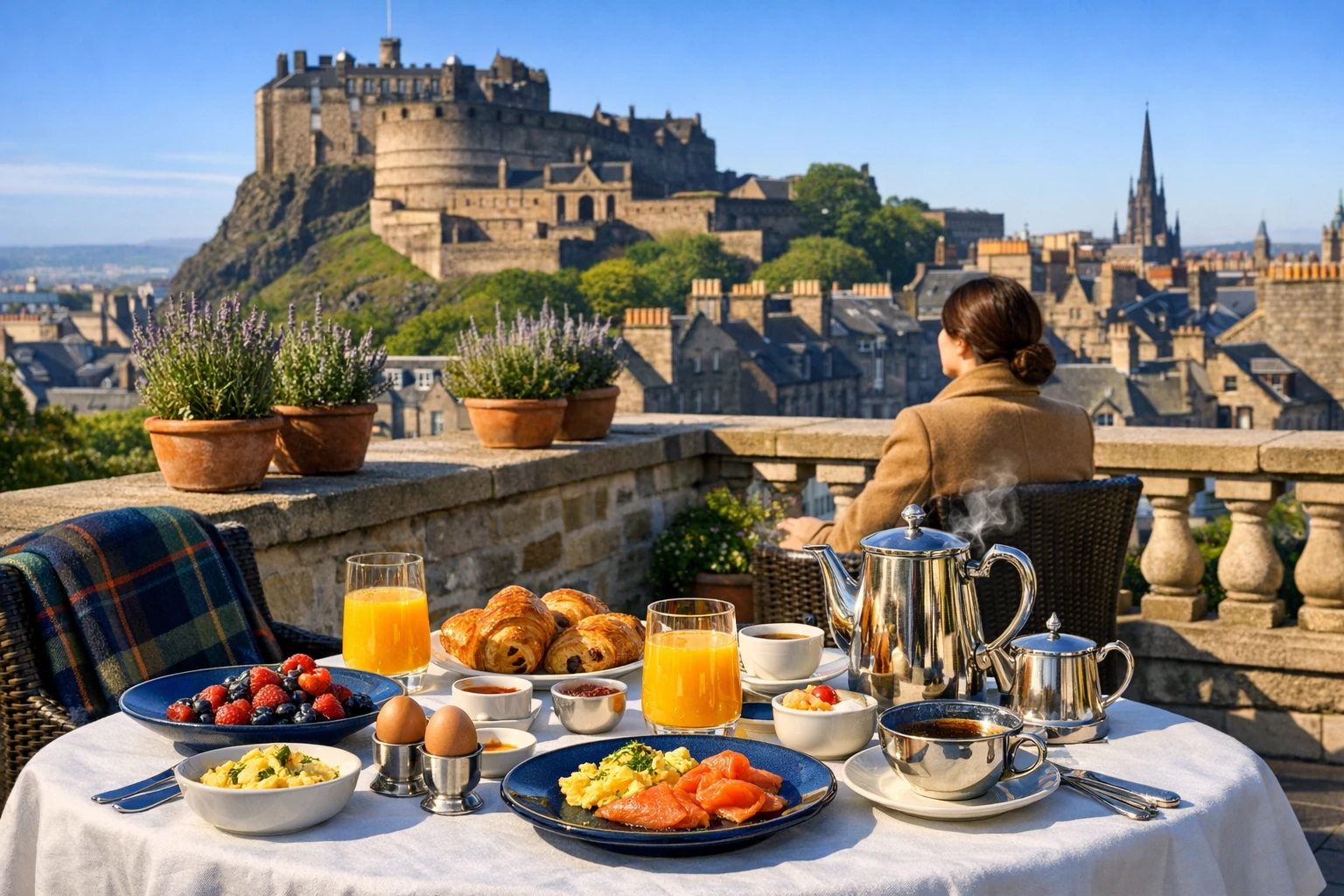
3-Night All-Inclusive Edinburgh City Break
A 3-night all-inclusive Edinburgh city break appeals to travelers who want the atmosphere of a grand European capital without the planning sprawl that often comes with longer holidays. In a compact center filled with medieval closes, Georgian streets, museums, and memorable dining rooms, three nights can be enough to see a great deal if the package is chosen wisely. The real value lies not only in price but in convenience, timing, and balance.
Outline and Basics: What a 3-Night All-Inclusive Edinburgh Break Really Means
Before diving into hotels, routes, and day plans, it helps to set out a clear outline of the trip. A short all-inclusive city break works best when travelers know exactly what is included, what is not, and how much can realistically fit into three nights. Edinburgh is especially suited to this format because its central districts are dense with sights yet easy to walk. The city’s Old Town and New Town together form a UNESCO World Heritage Site, and many first-time visitors are surprised by how close major landmarks sit to one another. The Royal Mile, for example, runs for roughly one Scottish mile between Edinburgh Castle and the Palace of Holyroodhouse, which makes the historic core feel both impressive and manageable.
A useful outline for this kind of trip usually includes the following elements:
- Choosing a package with transport, hotel, and at least some meals included
- Staying in or near the city center to reduce transfer time
- Using the first evening for light sightseeing rather than an overfilled schedule
- Keeping one full day for classic landmarks and another for neighborhoods, museums, or scenic viewpoints
- Reviewing seasonal pricing and package details before booking
The phrase all-inclusive can be slightly misleading in a city-break context, because it rarely matches the beach-resort model of unlimited food and drinks all day. In Edinburgh, packages marketed this way often include return flights or rail, three nights in a hotel, breakfast each morning, and sometimes dinner, drinks allowances, or attraction add-ons. Some deals also bundle airport transfers, while others leave them separate. This matters because Edinburgh Airport is well connected by tram and bus, with the tram often reaching the city center in around 35 minutes, but that still represents extra cost and planning if it is not included.
The importance of this topic lies in value and clarity. A short break can feel effortless when the package is sensible, but frustrating when the wording is vague. Travelers may assume every meal, every transfer, and every ticket is covered, only to discover that lunch, baggage, attraction entry, and evening drinks sit outside the price. Comparing an Edinburgh all-inclusive deal with a standard bed-and-breakfast booking is therefore not simply about headline cost. It is about whether the package reduces decision fatigue, saves time, and creates a smoother visit. In a city where weather can shift quickly and streets rise and dip like a dramatic theatre set, convenience is not a luxury. It is part of the experience. Done well, a 3-night stay delivers culture, comfort, and enough room for spontaneous moments, whether that means hearing a piper in the distance or stumbling upon a hidden courtyard that seems to have stepped out of another century.
How to Choose the Right Package: Location, Hotel Style, Meals, and Hidden Value
Not every all-inclusive Edinburgh package delivers the same kind of trip. Two deals can look similar on a booking page yet create very different experiences once you arrive. The biggest factor is usually location. Edinburgh is walkable, but it is not flat, and that matters more than many travelers expect. A hotel near the Royal Mile, Princes Street, Haymarket, or Waverley can place you within easy reach of major sights, rail links, and restaurants. A cheaper hotel on the outer edge of the city may still be perfectly comfortable, but the daily time spent on buses or taxis can quickly eat into a short stay.
Location choices often break down like this:
-
Old Town: best for medieval atmosphere, major landmarks, and dramatic character
-
New Town: ideal for shopping, elegant architecture, and easy walking routes
-
Haymarket: practical for transport and often slightly better hotel value
-
Leith: stronger dining scene in some areas, but less central for classic sightseeing
Hotel style also shapes the trip. A boutique hotel in a converted townhouse may add charm and a sense of place, while a reliable chain property may offer steadier standards, larger breakfast rooms, and fewer surprises. If dinner is part of the package, ask what form it takes. Some hotels provide a fixed three-course menu, some offer dining credit, and others include only breakfast while using all-inclusive language loosely in advertising. This is where careful comparison matters most. A flexible dinner credit can be more useful than a rigid menu if you plan to eat late after an evening walk. On the other hand, a fixed meal can be good value if the restaurant is well reviewed.
Seasonal timing affects price more than many first-time visitors realize. Edinburgh during August, when festivals transform the city, often sees accommodation rates rise sharply. December weekends can also be expensive thanks to holiday travel and winter events. By contrast, late spring and early autumn frequently offer a sweeter balance of milder weather, decent daylight, and more reasonable package pricing. Even when exact figures vary from year to year, the pattern is consistent: peak demand lifts costs, and central hotels feel that pressure first.
When comparing offers, it helps to look beyond the headline rate and check a short list of practical details:
- Is checked baggage included or extra?
- Are airport transfers covered?
- Does the package include attraction tickets?
- Are meals daily or only on selected nights?
- Can late arrivals still use included dining benefits?
- Is cancellation flexible?
The strongest package is not always the cheapest one. A slightly higher price for a central hotel with breakfast, one or two included dinners, and convenient transport can be a better use of money than a low-cost deal that generates daily friction. In a city break, lost time feels expensive. Good value is therefore measured not only in pounds, but in ease, rhythm, and how much of Edinburgh you can enjoy before your return journey begins.
Making the Most of Your First Evening and Full Day in the City
The smartest 3-night Edinburgh breaks do not begin at full sprint. Arrival day works better when treated as an introduction rather than a checklist marathon. If your hotel is central and your luggage is out of the way by late afternoon, the first evening can be used for a slow immersion into the city’s atmosphere. Edinburgh rewards exactly that kind of travel. The skyline is never just a backdrop here; it looms, shifts, and reappears between stone lanes as if the city enjoys making a theatrical entrance over and over again.
A gentle first-evening plan might include a walk through the Old Town, dinner at the hotel if included, and a short climb or viewpoint before dark. If your energy allows, the Castle Esplanade offers a memorable first look over the city. Princes Street Gardens provides another easy option, especially for travelers who want scenery without tackling steep climbs after a journey. The goal is not to do everything. It is to establish orientation and settle into the place.
By the next morning, you can devote your first full day to Edinburgh’s classic sights. A typical structure works well because the landmarks are close together and can be linked on foot. Edinburgh Castle is an obvious anchor point. Set on volcanic rock, it gives context to the city’s military history, monarchy, and skyline all at once. From there, moving down the Royal Mile creates a logical route through St Giles’ Cathedral, small museums, closes, independent shops, and historic courtyards. Some travelers continue all the way to Holyroodhouse and the Scottish Parliament, while others peel off toward the National Museum of Scotland, which is one of the city’s best rainy-day assets and offers a remarkable range of collections.
There are two broad ways to handle this day:
-
Guided approach: ideal for first-time visitors who want strong historical context and less planning
-
Self-guided approach: better for those who like to linger, photograph details, and set their own pace
Neither is automatically better. Guided tours can make the city’s layered history easier to understand, especially when explaining the contrast between medieval Old Town density and the ordered Georgian vision of New Town. Self-guided wandering, however, suits Edinburgh beautifully because so much of its charm lies in what is not on the main list: a hidden staircase, a sudden view, a narrow close where the afternoon light reaches only in slivers.
If meals are included, use them strategically. A substantial breakfast reduces the need for a large lunch, which means more sightseeing time and less overspending on central tourist streets. An included dinner can also make the evening feel restful after a long walking day. If dinner is not part of the package, consider using the evening to explore the New Town or nearby Stockbridge, where the atmosphere often feels calmer after the busier Old Town crowds. A short city break works best when each day has a clear rhythm: one major historic zone, one museum or indoor stop, one scenic moment, and one relaxed evening meal. That formula leaves room for surprise while keeping the trip coherent.
Day Three Options: Scenic Views, Neighborhood Character, Food, and Flexible Experiences
Your second full day is where an Edinburgh city break becomes personal. By this point, the headline landmarks are likely covered, so the schedule can shift away from obligation and toward preference. This is where Edinburgh begins to reveal its different moods. One traveler sees a city of literary history and museum halls; another sees coastal air in Leith, artisan bakeries in Stockbridge, or windswept paths leading up Arthur’s Seat. The beauty of a 3-night stay is that you can shape this day around your travel style without losing the sense of a complete visit.
For active travelers, Arthur’s Seat is one of the most rewarding morning options. Rising above Holyrood Park, it offers broad views across the city and beyond. The weather, of course, has the final say, and Edinburgh’s wind can turn a cheerful plan into a serious workout, but on a clear day the panorama is worth the effort. If you prefer something gentler, Calton Hill provides easier access and still delivers excellent views. Families and travelers who want a slower pace often choose the National Museum of Scotland, the Museum of Edinburgh, or camera-friendly walks through Dean Village and along the Water of Leith.
Another strong option is to spend part of the day in Leith. Once known primarily as the city’s port district, it has grown into one of Edinburgh’s most interesting areas for dining and waterfront atmosphere. The Royal Yacht Britannia, berthed in Leith, is a popular attraction for visitors who enjoy royal history and a different angle on Britain’s maritime story. Compared with the tightly packed Old Town, Leith feels more open and contemporary, which makes it a useful contrast within the same trip.
A flexible day might look like this:
-
Morning viewpoint or museum, depending on weather
-
Lunch in Stockbridge, New Town, or Leith
-
Afternoon neighborhood walk and shopping for books, wool goods, or local food items
-
Final evening meal included in the package or booked independently in a memorable setting
This is also the day to think about food beyond pure convenience. If your package includes dinner, check whether the restaurant reflects the city rather than simply offering a standard hotel menu. Edinburgh’s dining scene can include modern Scottish cooking, seafood, hearty pub meals, and inventive tasting menus, depending on budget. Local ingredients such as salmon, venison, oatcakes, and seasonal vegetables appear often, though the quality varies widely by venue. An all-inclusive deal is most rewarding when it gives access to meals you would choose anyway rather than obliging you to stay inside out of economy.
Comparisons matter here too. Couples may prefer a quieter evening with a view over the city lights. Friends on a social break might lean toward bars, live music, or late dining. Solo travelers often benefit from central hotels and flexible meal credits, which make it easier to move at their own pace. Older travelers may appreciate minimizing hill-heavy routes and prioritizing taxis for return journeys after dark. Edinburgh can accommodate all of these styles, but the best third day is the one that accepts the city on its own terms: dramatic weather, layered neighborhoods, and a constant conversation between history and modern life.
Final Thoughts: Budget, Best Seasons, and Who This Short Break Suits Most
A 3-night all-inclusive Edinburgh city break is most successful when expectations match the format. This is not a weeklong tour of Scotland, and it is not a resort holiday where every hour is designed around leisure facilities and unlimited dining. It is a compact urban escape that works best for travelers who want strong atmosphere, accessible history, and a practical structure that removes some of the usual planning burden. For that audience, Edinburgh performs exceptionally well.
Budgeting for the trip still requires attention, even with a package. The included elements often cover the most expensive basics, but smaller costs can accumulate quickly. Lunches, attraction entry, coffee stops, taxis on rainy evenings, checked baggage, and room upgrades may all sit outside the headline rate. That does not make the package poor value. It simply means that all-inclusive should be understood as mostly inclusive rather than universally inclusive. In many cases, that is still enough to create a predictable and comfortable budget.
Season affects the experience almost as much as price. Spring usually brings longer daylight and fresher air without the pressure of peak festival crowds. Summer offers the biggest event calendar, but also the busiest streets and the highest room rates, especially during August. Autumn can be an excellent compromise, with rich color in the parks and a slightly calmer pace. Winter, meanwhile, gives the city a cinematic mood, especially when lights, pubs, and old stone buildings take on a warm glow against the cold. The trade-off is shorter daylight and more changeable weather.
For most travelers, the best fit looks something like this:
-
First-time visitors who want the major landmarks without overcomplicating the trip
-
Couples looking for a romantic but practical long weekend
-
Friends who want culture, dining, and walkable nightlife in one place
-
Solo travelers who value central accommodation and a manageable schedule
It may be less ideal for visitors whose main goal is deep exploration of the Highlands, multi-city touring, or a fully luxury-driven experience where every premium detail is included. Edinburgh deserves more than three nights, certainly, but three nights are enough to understand why people return. You can stand below the castle walls, drift into a museum when the rain arrives, eat well, walk far, and still feel that the city has kept something back for next time.
For readers considering this kind of trip, the key is simple: choose clarity over flashy wording. A strong package should save time, reduce stress, and leave room for both famous sights and unplanned pleasures. If that sounds like your kind of travel, Edinburgh is an excellent short-break choice, and an all-inclusive format can make it easier to enjoy the city instead of constantly organizing it.