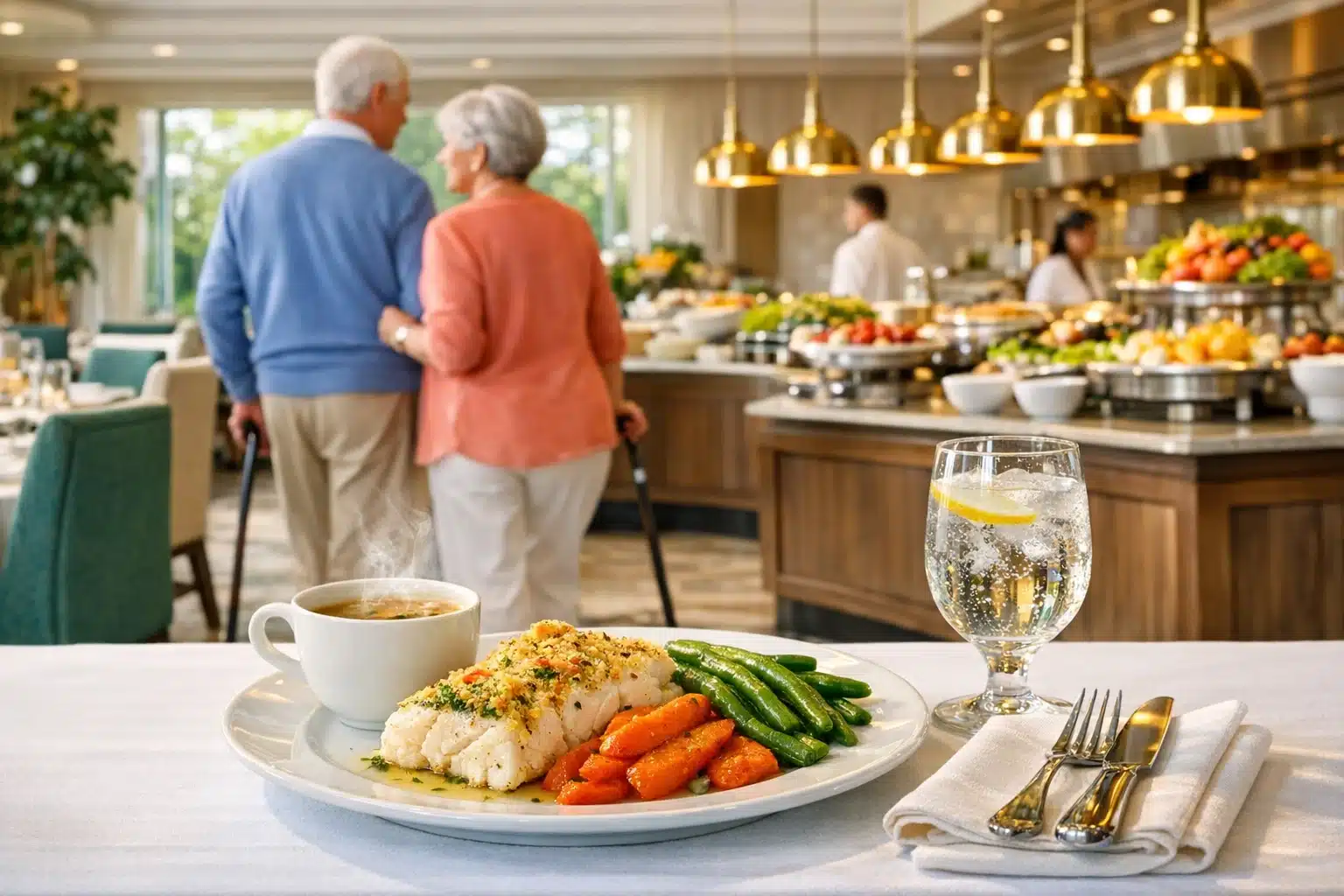
How to Find Buffet Restaurants for Seniors
Finding a buffet restaurant that suits older adults is about more than spotting a long serving line; it is about comfort, value, accessibility, and food that feels worth the trip. Seniors often weigh parking, noise, seating, restroom access, and clear pricing just as heavily as menu variety. This guide shows how to compare options, check discounts, and read reviews with a practical eye. By the end, choosing a buffet should feel less like guesswork and more like planning a pleasant outing.
Article outline:
• What makes a buffet genuinely suitable for older diners
• Where to search for reliable options online and offline
• How to compare price, quality, and senior discounts
• Which questions to ask before visiting
• A final checklist and summary for seniors and caregivers
1. What Makes a Buffet Restaurant Senior-Friendly
Not every buffet that looks appealing in a photo will feel practical in person. For seniors, the best choice is usually the place that balances food variety with comfort and ease of movement. A restaurant may offer fifty dishes, but if the parking lot is awkward, the floor is slippery, and the line snakes around the room, the experience can quickly turn from enjoyable to exhausting. The first step in finding a good buffet is understanding which features matter most.
Accessibility is often the deciding factor. Older diners may prefer locations with ground-level entrances, ramps, wide aisles, stable handrails, and seating that is easy to get in and out of. Restrooms should be close, clean, and simple to reach without crossing a crowded dining room. Lighting also matters more than many restaurant owners realize. Dim ambience may look stylish, but it can make signs, price boards, and buffet labels harder to read. A well-lit room with clear labels is often easier and safer to navigate.
Noise level is another overlooked point. Many seniors enjoy buffets because everyone can choose what they like, but a very loud environment can make conversation tiring. Weekday lunch service is often calmer than weekend dinner, and that alone can change the feel of the meal. Seating should be comfortable, not cramped, and tables should allow enough room for walkers, canes, or folded mobility aids. If a restaurant has booths only, that may not suit every guest.
Food style matters too. Seniors are not a single group with identical needs. Some want lighter choices, some want familiar comfort food, and some look for low-sodium, diabetic-friendly, or softer-textured meals. A useful buffet often includes:
• plainly cooked vegetables
• lean proteins such as fish, chicken, or beans
• soups and softer dishes that are easy to eat
• fruit, yogurt, or modest desserts alongside richer sweets
Service counts just as much as selection. A good buffet for seniors usually has staff who are willing to answer questions, refill drinks promptly, and help with seating requests. In many cases, the most suitable restaurant is not the biggest one in town. It is the one where the meal unfolds at a comfortable pace, the room feels welcoming, and getting a second plate does not feel like navigating a busy train station at rush hour.
2. Where to Search for Buffet Restaurants and How to Research Them Well
Once you know what to look for, the next challenge is knowing where to search. Most people begin with Google Maps, Apple Maps, Yelp, TripAdvisor, or local directory listings, and that is a sensible start. Search terms such as “buffet restaurants near me,” “senior discount buffet,” “weekday lunch buffet,” or “accessible buffet restaurant” can narrow the results quickly. Still, online discovery works best when paired with a little verification, because buffet hours, discount policies, and menu formats often change faster than old listings do.
Online reviews can be helpful if you read them strategically. Instead of focusing only on star ratings, scan for repeated comments about cleanliness, crowding, food freshness, or service. One complaint might be an outlier; twenty mentions of cold food or long lines usually mean something more reliable. Photos posted by customers are especially useful because they reveal practical details that promotional pictures may skip, such as aisle width, seating layout, dessert placement, or whether the buffet looks fresh during actual service. Review platforms also sometimes show “popular times,” which can help seniors avoid noisy peak periods.
Offline research remains surprisingly valuable. Senior centers, retirement communities, church groups, and local community newsletters often know which restaurants are comfortable for older adults. Group organizers tend to remember which places accommodate walkers, keep prices straightforward, and treat guests kindly. Hotel dining rooms, casino buffets where legal and appropriate, and family-style restaurants with buffet nights can also be worth checking, especially in suburban or travel-heavy areas. Independent restaurants may not dominate search rankings, yet they can offer the most relaxed experience.
When comparing options, build a short list rather than choosing the first result. A simple system can help:
• note location and travel time
• check posted hours and whether the buffet is daily or limited to certain meals
• confirm the price, beverage policy, and tax or gratuity details
• look for senior discounts, early-bird specials, or weekday deals
• read recent reviews from the last three to six months
• call if the listing seems incomplete or outdated
Social media can also help, though it should not be your only source. Local neighborhood groups often discuss restaurants in practical terms, mentioning parking, wait times, and whether a place feels rushed. A short phone call remains one of the strongest tools available. It may sound old-fashioned, but it often saves time, money, and an unnecessary drive. In a world full of glowing photos and outdated menus, a calm voice on the other end of the line can be the difference between a delightful lunch and a disappointing detour.
3. How to Compare Price, Value, and Senior Discounts Without Guesswork
The cheapest buffet is not always the best deal, and the most expensive one is not automatically better. Seniors often benefit from comparing total value rather than headline price alone. A buffet that costs a few dollars more may still be the smarter choice if it offers easier parking, fresher food, better seating, and a calmer dining room. On the other hand, a flashy venue with a giant dessert island can be poor value if drinks are extra, lines are long, and half the dishes feel like filler.
Senior discounts vary widely. Some chains and local restaurants offer them at age 55, while others begin at 60, 62, or 65. The discount may be a percentage off the bill, a reduced fixed buffet price, or a special rate during certain hours. In many cases, weekday lunch is already significantly less expensive than weekend dinner, sometimes by 20% to 40% depending on the restaurant. That means the best value may come not from a formal discount but from choosing the right day and time. Early-bird specials, loyalty cards, or community coupons can lower the total cost further.
It helps to compare a few categories side by side:
• Base buffet price
• Included or extra beverages
• Dessert and salad bar inclusion
• Taxes and expected tip
• Travel costs such as fuel, parking, or rideshare
• Portion needs and appetite at lunch versus dinner
Food quality should be weighed against personal preference. If someone mainly wants soup, salad, baked fish, and one dessert, a huge luxury buffet may be unnecessary. If the outing is social and the group includes varied tastes, a broader selection may be worth more. Value also includes waste avoidance. Paying for an enormous spread makes less sense if the diner is likely to eat lightly. Some seniors find that soup-and-salad buffets, breakfast buffets, or smaller regional buffets offer a better match for appetite and budget.
There is also the matter of predictability. Restaurants with clearly posted prices, transparent discount policies, and consistent service often create a better overall experience. Hidden charges or vague offers can sour the mood before the first plate is filled. When you compare options, think in terms of total outing cost, comfort, and satisfaction. A sensible buffet choice should feel like good stewardship of money, not a bargain that asks too much in return. The ideal meal leaves diners pleasantly full and quietly pleased, not puzzled by the receipt.
4. Questions to Ask Before You Go: Accessibility, Timing, and Food Quality
Calling ahead may seem unnecessary in an age of apps and online menus, but for buffet dining it is often the smartest step. Websites can lag behind reality, and a two-minute call can confirm details that matter greatly to seniors. Think of it as practical reconnaissance. Before leaving home, ask whether the buffet is being served that day, what time it ends, and whether the full selection is available throughout the service window. Some places scale back late in the shift, and arriving at the wrong time can mean limited choices and less fresh food.
A phone call is also the best moment to ask accessibility questions politely and directly. Staff can usually tell you whether there are stairs, automatic doors, roomy seating areas, or restrooms near the dining space. If someone in the group uses a walker or wheelchair, it helps to ask whether the buffet line is easy to navigate and whether a table can be arranged with enough clearance. These details are not fussy; they are practical. A meal should begin with anticipation, not uncertainty.
Useful questions include:
• Do you offer a senior discount, and on which days does it apply?
• Is the buffet available at lunch, dinner, or both?
• Are drinks included in the posted price?
• What time is least crowded?
• Do you have softer foods, soups, or lighter options?
• Can staff help carry plates if needed?
• Is parking close to the entrance?
Food quality deserves attention as well. A buffet works best when dishes are replenished regularly and held at proper temperatures. Diners can often judge this from reviews and from the restaurant’s appearance upon arrival. Fresh steam, clean serving utensils, tidy counters, and active staff are good signs. Seniors with dietary needs should ask about common concerns such as sodium content, added spice, allergens, and sugar-free dessert options. While buffet labels are not always comprehensive, helpful staff can often guide diners toward simpler preparations.
Timing can dramatically shape the experience. Mid-morning breakfast buffets and weekday lunches are often more relaxed than Friday nights or holiday weekends. For older adults who prefer a quieter pace, arriving shortly after opening can mean fresher food, shorter lines, and easier seating. This is especially helpful for groups. A buffet outing should feel social and easygoing, with conversation flowing more smoothly than the line for carved roast beef. Good planning does not take the spontaneity out of dining; it clears away the friction so the pleasant parts can shine.
5. Practical Conclusion for Seniors and Caregivers
Finding the right buffet restaurant for seniors is really about matching the restaurant to the person, not forcing the person to adapt to the restaurant. A pleasant buffet experience comes from a combination of sensible research, clear expectations, and a little planning. For some diners, the ideal choice will be a large venue with many options and generous weekday specials. For others, it will be a smaller local spot with dependable soup, simple entrees, easy parking, and a dining room where conversation does not have to compete with clattering plates.
Caregivers and family members can make the process easier by using a short checklist before choosing a place. Confirm the hours, ask about discounts, check how far the parking is from the door, and read recent reviews for clues about crowding and cleanliness. If the outing includes someone with mobility, vision, or hearing concerns, those points deserve equal weight with menu variety. A buffet should not be judged only by how much food it offers, but by how comfortably people can enjoy it.
A practical final checklist may look like this:
• Is the restaurant easy to reach and easy to enter?
• Does the room feel calm enough for a relaxed meal?
• Are prices clearly stated before arrival?
• Does the menu include lighter or familiar foods?
• Are the reviews recent and reasonably consistent?
• Would this place still feel like good value without a discount?
There is also something quietly special about getting this choice right. The right buffet can turn an ordinary afternoon into a cheerful outing, a birthday lunch into an easy celebration, or a weekly routine into a welcome ritual. It allows everyone to eat at their own pace, choose what suits them, and enjoy the social side of dining without the stress of a complicated menu. For seniors, that mix of independence and comfort can matter just as much as the food itself.
If you remember only one idea, make it this: choose for comfort first, then compare for value. A buffet that is accessible, fairly priced, and well reviewed will usually deliver a better experience than one chosen solely for size or novelty. With a short list, a few smart questions, and attention to timing, seniors and those who dine with them can find restaurants that feel welcoming from the first step inside to the last cup of coffee.