A Guide to Clothing-Optional Resorts and Spas
Clothing-optional resorts and spas sit at the intersection of travel, wellness, privacy, and personal comfort, which is exactly why they spark both curiosity and hesitation. For some travelers, they offer a calm escape from social pressure; for others, they raise practical questions about etiquette, safety, and value. This guide explains how these spaces work, how they differ from one another, and how to decide whether the experience fits your boundaries and expectations.
Outline
This article follows a practical route from definition to decision-making, beginning with the basic meaning of clothing-optional hospitality and moving into etiquette, booking choices, wellness culture, and final guidance for different kinds of travelers.
- Understanding what clothing-optional means in resorts and spas
- Learning the etiquette, privacy norms, and house rules that shape guest comfort
- Comparing property types, amenities, and traveler profiles before booking
- Exploring the wellness experience, social atmosphere, and common misconceptions
- Summarizing who may enjoy this style of travel and how to begin comfortably
Understanding What Clothing-Optional Really Means
The phrase clothing-optional sounds simple, yet it covers a wide range of experiences. In hospitality, it usually means guests may choose whether to wear clothing in designated areas, while still following property rules. That is different from a place where nudity is required in a sauna circuit, and it is also different from a standard adults-only hotel where swimwear remains mandatory. Reading that label correctly matters because many first-time visitors arrive with assumptions shaped by films, rumors, or vague online descriptions rather than the property’s actual policy.
A useful comparison is to think of clothing-optional venues as a spectrum rather than a single category. On one end, there are wellness spas that include nude sauna zones, thermal pools, and quiet relaxation spaces where the mood is structured and low-key. In the middle, there are beach or resort properties where guests may go without clothing at the pool, on private grounds, or in select recreation areas. On the other end, there are naturist communities or clubs built around social nudity as a broader lifestyle. Those differences affect everything from dress expectations at lunch to the kind of conversations you are likely to hear beside the water.
- A day spa often emphasizes treatments, hydrotherapy, and quiet etiquette
- A destination resort may combine lodging, dining, entertainment, and optional nude sunbathing
- A naturist property usually places stronger focus on community norms and shared social spaces
Regional culture shapes the experience as well. In parts of Central and Northern Europe, textile-free sauna customs are common and presented as routine wellness practice. In North America, policies are often more property-specific, and guests may see a mix of private resort settings, adults-only sections, or designated event days. Coastal destinations in the Caribbean and Mediterranean sometimes frame clothing-optional areas as part of a leisure holiday rather than a spa ritual. None of these approaches is inherently better; they simply reflect different histories of public bathing, privacy, and tourism.
The clearest argument for understanding terminology before booking is practical: accurate expectations reduce discomfort. A traveler looking for peaceful spa time may not enjoy a social resort with pool games and themed evenings, while a guest seeking an open, communal atmosphere may find a silent thermal spa too restrained. Good booking decisions begin with the right question: not “Is this a clothing-optional place?” but “What kind of clothing-optional place is it, and how does it match what I want from the trip?” That small distinction often turns uncertainty into confidence.
Etiquette, Privacy, and the Rules That Make Guests Comfortable
If clothing-optional travel works well, it is rarely because everyone arrives fearless and instantly relaxed. It works because most reputable properties rely on clear etiquette. Those rules are not decorative; they are the architecture of comfort. They tell guests how to share space respectfully, how to protect privacy, and how to keep the atmosphere focused on relaxation rather than awkwardness. For first-time visitors, understanding etiquette is often more important than deciding what to pack.
One of the most common expectations is simple hygiene paired with shared courtesy. Many spas require guests to place a towel on benches, loungers, or sauna seating. Resorts often ask for cover-ups or robes in restaurants, reception areas, or mixed-use corridors. Photography is frequently restricted or banned outright, especially in pool decks, sauna areas, and locker spaces. This is one of the strongest indicators of a professionally managed property because it shows that privacy is treated as a central operational issue rather than a casual suggestion.
Behavioral etiquette matters just as much. Respectful eye contact is normal; staring is not. Conversation is welcome in social areas, but comments about other people’s bodies are generally considered intrusive. Consent remains a basic standard in every setting, whether a guest is chatting at the bar, joining a yoga class, or moving through a spa circuit. In well-run spaces, the atmosphere tends to feel less like a performance and more like a quietly agreed social contract: relax, be considerate, and let others do the same.
- Read the property’s dress code for dining, fitness areas, and public pathways
- Check the phone and camera policy before entering shared spaces
- Bring sandals, a robe or cover-up, and at least one large towel
- Ask staff if you are unsure whether a zone is optional, required, or textile-only
There is also a safety dimension that experienced travelers learn to value. Reputable resorts and spas usually provide lockers, posted rules, trained staff, and clear signage separating treatment rooms from social areas. Professional spa treatments typically use draping techniques and direct communication, so the experience remains structured and predictable. The first walk from locker room to thermal pool can feel like stepping from backstage into bright daylight, but that feeling usually fades once the routine becomes clear. Familiarity grows fast when expectations are visible.
The strongest argument in favor of learning etiquette is that it gives guests control. People often assume comfort comes from boldness, when in fact it usually comes from clarity. Once you know the norms, you can decide whether the environment suits you, move through it without second-guessing every step, and focus on the reason you came in the first place: rest, warmth, quiet, and a break from constant self-consciousness.
How to Choose the Right Resort or Spa for Your Travel Style
Choosing a clothing-optional property is less about finding the most famous venue and more about matching the setting to your travel style. Two resorts may use similar language on their websites while offering entirely different experiences. One may be a serene spa retreat built around hydrotherapy, yoga, and early nights. Another may lean toward beach leisure, social events, and open-air dining. A third may feel more like a private club or naturist village with recurring guests who know one another well. The better your self-assessment, the better your booking decision.
Start with the purpose of the trip. Are you looking for wellness, social ease, sunshine, romance, or simple curiosity? A spa-focused traveler may care most about massage menus, thermal facilities, silence policies, and treatment professionalism. A vacationer planning a week away may prioritize room quality, food options, private outdoor space, and nearby activities. Someone testing the idea for the first time may be better served by a day pass or one-night stay rather than a long booking that turns uncertainty into pressure.
Budget and geography also shape the experience in ways travelers sometimes overlook. A luxury property may offer polished privacy features such as secluded terraces, reservation-based spa access, premium robes, and higher staff-to-guest support. A simpler resort may provide a more casual, community-driven atmosphere that some guests find warmer and less intimidating. Climate matters too. A clothing-optional beach holiday in a tropical setting feels very different from a mountain spa where guests move between saunas, plunge pools, and indoor lounges. The body notices weather long before the itinerary catches up.
- Is the property adults-only, mixed-age, or wellness-focused with limited social programming?
- Which areas are clothing-optional, and which require robes, swimwear, or full dress?
- Are there private rooms, secluded sunbathing areas, or quiet zones for guests who prefer more distance?
- What is the cancellation policy if the atmosphere turns out not to be a good fit?
- Do reviews describe the mood as peaceful, festive, communal, or highly structured?
Comparisons become especially useful here. Solo travelers often appreciate properties with strong staff presence, clear rules, and optional group activities such as guided wellness classes. Couples may prefer resorts with private cabanas, couples treatments, and spaces where quiet conversation is easy. Seasoned naturist travelers may enjoy community-style venues where social interaction is part of the appeal. There is no universally ideal choice, only a better match between the property and the person booking it.
The smartest approach is to read beyond glossy photos. Study the FAQ page, house rules, treatment descriptions, and recent guest comments. A trustworthy property usually explains its policies plainly. That transparency is not a minor detail; it is often the best predictor of whether your experience will feel comfortable, organized, and worth the expense.
Wellness Benefits, Social Atmosphere, and Common Misunderstandings
One reason clothing-optional resorts and spas remain relevant is that they offer more than novelty. At their best, they create an environment where guests can step away from dress codes, appearance signaling, and the low-level performance that often shadows ordinary travel. This does not mean the experience automatically transforms every visitor into a model of self-acceptance, and it should not be marketed that way. Still, many guests describe a distinct kind of relief when clothing stops being the main social script and the focus shifts toward water, heat, rest, and presence.
The wellness side is often easier to understand than the cultural side. Thermal bathing, massage, hydrotherapy, steam rooms, and sauna use have long been linked with relaxation and stress reduction when practiced safely and appropriately. The clothing-optional element does not create those benefits on its own, but it can support a more natural flow in facilities designed around heat and water. In many European spa traditions, for example, textile-free sauna use is framed less as provocation and more as standard hygiene and comfort. That cultural framing changes the mood dramatically.
Misunderstandings usually come from outsiders projecting drama onto environments that are, in reality, surprisingly ordinary. Many first-time guests expect tension, exhibitionism, or constant self-awareness. What they often find instead is a calm setting with posted rules, quiet voices, and people reading by the pool. A good property does not feel chaotic; it feels managed. It is closer to a wellness ritual or a private beach routine than to the fantasies critics or curious onlookers sometimes imagine.
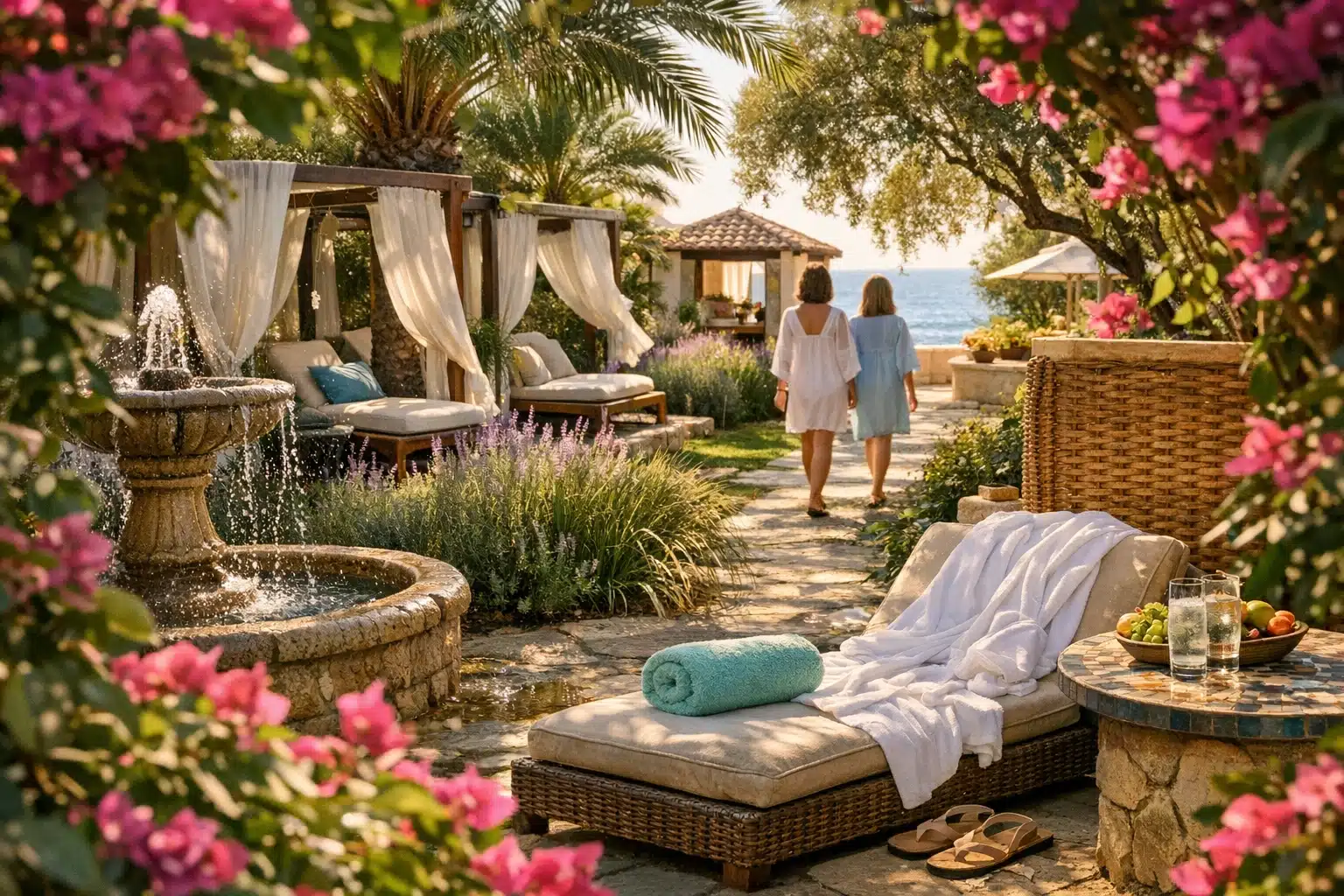
There are social differences between destinations, however. A Caribbean resort may emphasize sunshine, cocktails, and open-air relaxation. An alpine spa might revolve around sauna cycles, cold plunges, and silence rooms. A North American retreat may combine spa services with optional social events, wellness workshops, or low-key recreation. Picture the scene at dusk: steam lifts from the water, glasses clink softly somewhere beyond the terrace, and the loudest thing in the room is usually the fountain. That atmosphere, more than the dress code itself, is what many repeat guests return for.
The strongest practical takeaway is this: clothing-optional hospitality is not one experience but several overlapping ones. It can be restorative, social, body-neutral, luxurious, or simply interesting, depending on the property and the traveler. Understanding that complexity helps people move past clichés and evaluate these spaces with the same standards they would use for any other travel decision: professionalism, comfort, cleanliness, value, and emotional fit.
Conclusion: Who Should Try It and How to Start Comfortably
Clothing-optional resorts and spas are most rewarding for travelers who value personal freedom, clear boundaries, and a wellness setting that feels less performative than ordinary vacation life. They can suit experienced naturist guests, curious first-timers, couples looking for a different kind of retreat, and solo travelers who prefer quiet environments with straightforward rules. They are not mandatory experiences, personal growth tests, or proof of confidence. They are simply one style of hospitality, and like any style, they work best when expectations match the reality on the ground.
If you are the target audience for this topic, the most useful question is not whether you are “brave enough” to try it. A better question is whether you want the kind of environment these properties can offer: less emphasis on dress, more emphasis on comfort, and a social code built around respect rather than display. If that sounds appealing, start small. A day spa visit, a short stay, or an off-peak booking often gives newcomers enough space to learn the rhythm without feeling trapped by a long itinerary.
- Choose a property with detailed policies and recent, credible reviews
- Pack practical items such as sandals, sunscreen, a robe, and extra towels
- Arrive early so you can ask questions and understand the layout calmly
- Set your own pace; observing first is perfectly acceptable
- Leave if the environment does not suit you, and treat that as useful information, not failure
For many travelers, the value of a clothing-optional resort or spa lies in how ordinary it becomes once the initial curiosity settles. You check in, find your room, learn the rules, float for a while, and notice that the world has become pleasantly smaller. The decision then stops being about novelty and starts being about fit. Some people discover a new favorite form of travel. Others decide they prefer conventional resorts. Both outcomes are valid.
The best conclusion for most readers is refreshingly practical. Be informed, choose carefully, respect the house rules, and protect your own comfort level. When handled that way, a clothing-optional resort or spa is not a dare or a spectacle. It is simply another way to travel well, rest deeply, and return home knowing you made the decision on your own terms.