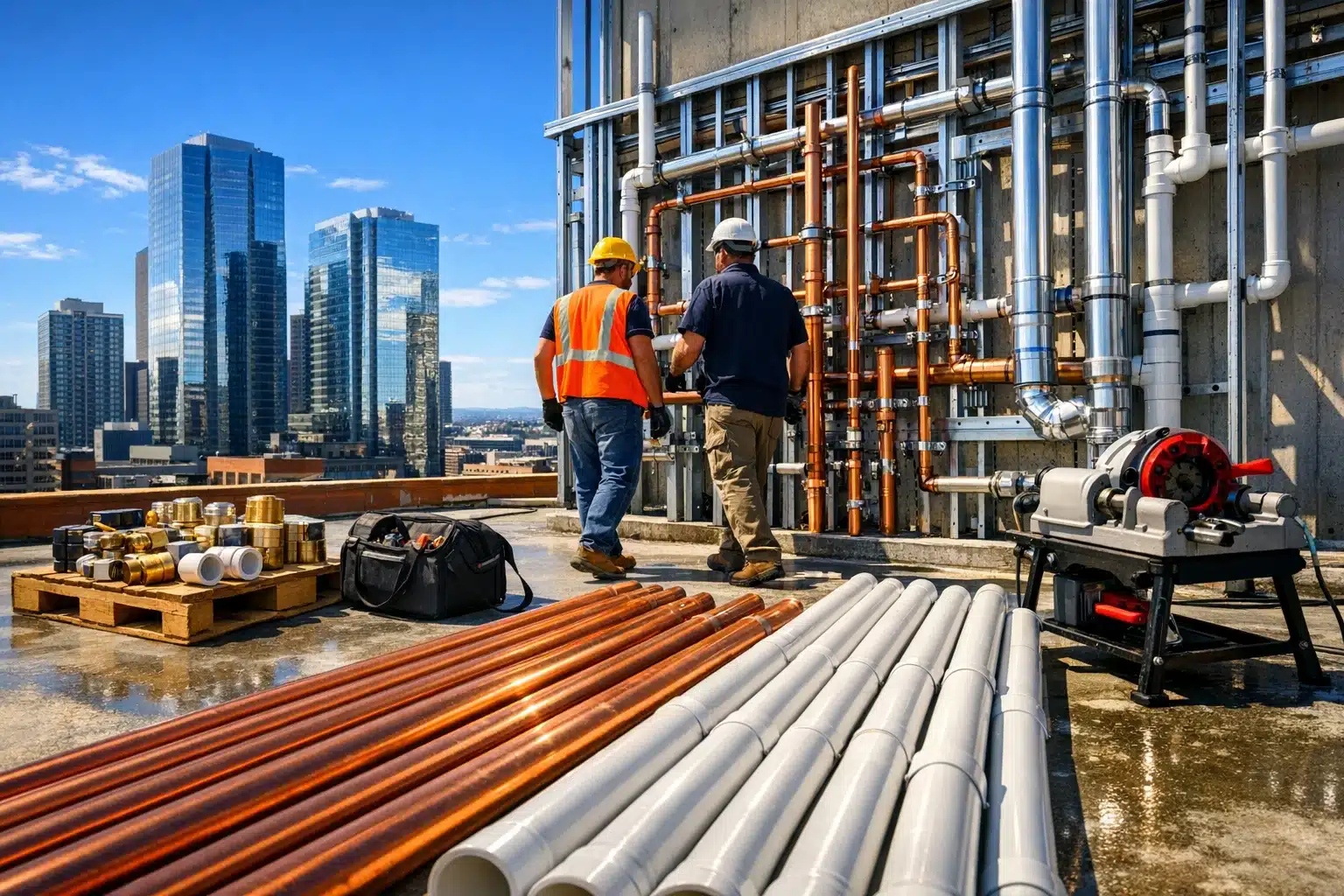
Plumber Training in 6 Months: What to Expect
Why Six Months of Plumbing Training Matters
Plumbing sits behind the quiet comfort of daily life, from safe drinking water to hot showers and reliable drainage, yet many people notice the trade only when a pipe bursts or a drain backs up. That hidden importance makes plumber training highly relevant for career changers, school leavers, and practical learners who want work with visible results. A six-month program will not make most beginners fully licensed plumbers, but it can build a strong base for entering the field with confidence. Understanding what this short training period can and cannot deliver helps students plan their next step with realistic expectations.
A six-month plumbing course appeals to people who want momentum without spending years in a classroom. In many regions, full professional status comes later through apprenticeships, supervised work hours, and licensing exams. Still, a short training window can be meaningful. It introduces the physical logic of water supply, drainage, venting, fittings, tools, safety rules, and code awareness. For someone starting from zero, that is a major leap. Instead of arriving on a jobsite unable to tell copper from PEX, a trained beginner can follow instructions, recognize common materials, and work with fewer costly mistakes.
This topic matters because the plumbing trade remains essential even when other sectors slow down. Homes age, commercial buildings need maintenance, and new construction continues to require skilled installation. In the United States, plumbers, pipefitters, and steamfitters have long been part of a well-established skilled trade category with wages that often compare favorably with many entry-level office or retail roles. Demand shifts by region, but the need for water, sanitation, heating connections, and repair work does not disappear. That gives plumbing a level of resilience that attracts people seeking a practical career path.
Before going deeper, it helps to see the structure of the article. The outline below maps the journey from curiosity to career planning.
- What a six-month plumbing program is designed to achieve
- The technical skills, tools, and safety habits students usually learn
- How training formats, schedules, and costs differ
- Which jobs this preparation may help you reach, and where its limits are
- How to decide whether this route suits your budget, goals, and learning style
Think of a six-month plumbing course like the opening chapter of a long, useful manual. It gives you the vocabulary, demonstrates the basic moves, and shows how the whole system fits together. The wrench is not yet an extension of your hand, and the field has not revealed all its surprises, but the door is open. For many learners, that first opening is exactly what turns interest into a career.
What You Actually Learn in a Six-Month Plumbing Program
A well-structured six-month program usually focuses on fundamentals rather than specialization. The goal is not to produce a master craftsperson in half a year. The goal is to create a capable entry-level trainee who understands core systems, respects safety rules, and can support experienced plumbers without slowing the job down. That distinction matters. Good training is practical, grounded, and honest about the next steps still required.
Most courses begin with plumbing theory and system identification. Students learn how potable water enters a building, how waste exits, why venting prevents dangerous pressure problems, and how fixtures connect into the wider system. Instructors often break the trade into clear categories: supply lines, drain-waste-vent systems, fixtures, valves, fittings, water heaters, and sometimes introductory gas line awareness, depending on local rules. Once that framework is clear, individual tasks make much more sense.
Hands-on training usually covers a range of essential skills:
- Measuring, cutting, and joining pipe
- Identifying materials such as copper, PVC, CPVC, PEX, cast iron, and galvanized steel
- Using hand and power tools safely
- Reading simple blueprints and layout drawings
- Installing sinks, toilets, faucets, and basic shutoff valves
- Understanding slope, drainage flow, and vent placement
- Spotting leaks, clogs, corrosion, and worn connections
Safety is a serious part of the curriculum, not a side note. Plumbing work can involve ladders, confined spaces, sharp materials, heated joints, contaminated water, and heavy fixtures. Many programs include instruction on personal protective equipment, tool handling, lifting technique, jobsite communication, and hazard recognition. Some schools also prepare students for basic workplace safety credentials such as OSHA-related training, which can improve employability.
Another valuable area is plumbing math. This is rarely advanced mathematics, but accuracy matters. Students may calculate pipe lengths, fitting allowances, angles, water pressure considerations, and material quantities. Small errors can create expensive problems. A pipe cut too short stays too short, and a drain installed with the wrong slope can become a callback waiting to happen.
Comparing a six-month course with a longer diploma or apprenticeship reveals the trade-off clearly. Short programs usually move fast through the essentials and rely on shop exercises, mock walls, and controlled installations. Longer programs often spend more time on code interpretation, advanced troubleshooting, heating systems, commercial applications, and deeper field exposure. That does not make the short option weak. It makes it focused. If the teaching is solid, six months can deliver a surprisingly strong launchpad, especially for students who pair training with immediate work experience afterward.
The best learning moments often happen when theory and touch meet in the same hour. A student reads about pipe support spacing, then walks into the lab and sees why an unsupported run sags. They hear about sealing surfaces, then feel the difference between a clean threaded connection and a poor one. In that moment, plumbing stops being abstract. It becomes a system of cause and effect, and that is when the trade starts to stick.
Training Formats, Schedule, Cost, and the Pace of Learning
Not all six-month plumbing programs look the same. Some are full-time and intensive, designed for people who can devote weekdays to training. Others are part-time or evening-based, built for adults balancing work, family responsibilities, or a career transition. There are also hybrid models that place theory online and reserve in-person time for labs. Choosing the right format can matter almost as much as choosing the right school.
A full-time program often compresses learning into a steady weekly rhythm. Students may attend classes and labs four or five days a week, sometimes for twenty to thirty hours total. This format suits people who want to move quickly, keep concepts fresh, and reach the job market sooner. The trade-off is intensity. Information arrives fast, and absences can create gaps that are hard to close. A part-time course moves slower, which can help retention, but it delays completion and may require more self-discipline between sessions.
Here is what a typical schedule might include:
- Classroom sessions on plumbing systems, codes, and terminology
- Lab time for cutting, joining, fitting, and installing materials
- Tool demonstrations and safety modules
- Short quizzes or practical assessments
- Occasional site visits, employer talks, or career preparation workshops
Cost varies widely by country, city, school type, and included equipment. A community college certificate may be priced differently from a private trade school. Tuition can also exclude tools, protective gear, books, exam fees, or transportation. That is why the sticker price rarely tells the whole story. A cheaper option is not automatically better if it offers limited lab access or outdated training stations. On the other hand, a higher fee does not guarantee quality either. Students should ask specific questions about instructor experience, shop hours, class size, completion rates, and employer connections.
When comparing formats, practical exposure deserves extra attention. Plumbing is tactile. Watching a video on fitting installation is useful, but it does not replace tightening, leveling, aligning, or correcting a leak under supervision. If two programs cost roughly the same and one offers significantly more lab practice, that difference may influence confidence on the first job more than any glossy brochure ever will.
Learning pace also matters because plumbing builds layer upon layer. You start with names and materials. Then come tools and handling. Then system logic. Then installation sequences. Then troubleshooting. A rushed course that jumps too quickly from theory to task can leave students memorizing steps without understanding the reason behind them. A stronger program creates repetition with variation. Students cut pipe more than once, install fittings more than once, and solve problems more than once, but each exercise adds a fresh wrinkle.
There is also the human side of schedule planning. If you are exhausted after a night shift, an evening class may sound convenient but perform poorly in reality. If you learn best by doing, a theory-heavy online format might frustrate you. If money is tight, a part-time route that lets you keep earning may be the smarter choice. Training is not only about curriculum. It is about fit. The best program is the one you can complete consistently, absorb fully, and use immediately.
What Six Months Can and Cannot Do for Your Career
This is the section many readers care about most: what does six months of plumber training actually qualify you to do? The honest answer is encouraging, but it has limits. In most places, six months is enough to prepare you for entry-level opportunities, not full independent practice. You may be ready to work as a plumber helper, trainee, pre-apprentice, maintenance assistant, or junior installer under supervision. You are usually not ready to operate as a licensed journeyman or master plumber, because those roles require substantial field experience and successful completion of local licensing requirements.
That distinction should not discourage anyone. Skilled trades often use staged progression rather than instant credentialing. A short program can help you start earning sooner while building toward the larger goal. Employers often value beginners who arrive with safety awareness, tool familiarity, and a working understanding of systems. That foundation saves time in onboarding and reduces the burden on senior staff. A new hire who can identify common fittings, follow installation directions, and respect jobsite procedures is easier to train than someone starting completely cold.
Typical outcomes after six months may include:
- Applying for apprentice or helper positions with more confidence
- Standing out in interviews by speaking the trade’s language clearly
- Handling basic supervised tasks such as material prep, fixture support, cleanup, and simple installations
- Understanding whether residential, commercial, service, or construction work feels like the better fit
- Building a pathway toward licensing through documented work hours
It is equally important to understand what this training usually does not cover in depth. Complex diagnostics, code-heavy design decisions, large commercial systems, advanced gas work, hydronic heating, and independent permit-based jobs generally sit beyond the six-month level. Real troubleshooting becomes sharper through repetition in lived settings: cramped cabinets, corroded shutoffs, mismatched old repairs, weather delays, impatient clients, and materials that never behave exactly as they did in the lab.
Licensing rules vary dramatically. Some states, provinces, or countries require apprenticeship registration, classroom hours, supervised experience, and one or more exams. Others separate residential and commercial scopes or use different titles for different stages of qualification. That means students should always research local regulations before enrolling. A good school will explain where its certificate fits in the legal pathway instead of implying that graduation alone unlocks full trade status.
There is also a wage reality worth noting. Entry-level plumbing roles may not begin at the highest rates associated with the trade. Pay typically rises with reliability, experience, problem-solving ability, and licensing progress. The stronger long-term value lies in advancement. Plumbing can reward patience. The first months may involve carrying materials, assisting with installs, learning job flow, and absorbing lessons from experienced crews. Later, those same early habits turn into efficiency, trust, and more responsibility.
In other words, six months can open the gate, but it does not mark the summit. That is not a flaw in the model. It is how serious trades protect quality and safety. Water systems affect health, property, and infrastructure. The path is structured because the work matters. If you see the course as the beginning of a professional ladder rather than the final rung, its value becomes much clearer.
How to Decide Whether a Six-Month Plumbing Course Is Right for You
A six-month plumbing course is not ideal for everyone, yet it can be an excellent move for the right person. The strongest candidates are often people who enjoy practical problem-solving, do not mind working with their hands, and prefer visible outcomes over abstract paperwork. Plumbing can be physically demanding, occasionally messy, and sometimes unpredictable. At the same time, it offers the satisfaction of restoring order when a system fails. Few jobs let a beginner see such a direct link between effort and result.
If you are deciding whether to enroll, start by asking why this path interests you. Are you looking for a faster route into paid work? Are you changing careers after discovering that office life feels too distant from real-world results? Do you want to test your fit for the trade before committing to a multi-year apprenticeship? Clear motivation helps you judge whether six months is a practical stepping stone or an unnecessary detour.
A useful self-check might include the following questions:
- Can I commit time consistently for six months without frequent interruptions?
- Do I learn well through demonstration and repetition?
- Am I comfortable taking instruction, especially at the beginner stage?
- Can I handle physical tasks such as standing, lifting, bending, and working in tight spaces?
- Have I researched local licensing rules and employment pathways?
- Does the school offer meaningful hands-on practice instead of mostly theory?
It also helps to compare plumbing with other trades before making a choice. Electrical work may appeal to those who like precision and system logic. HVAC may attract learners interested in climate systems, airflow, and equipment diagnostics. Carpentry often draws people who enjoy structure, form, and visible construction progress. Plumbing sits in its own lane. It combines installation, repair, troubleshooting, sanitation, code awareness, and an unusual mix of hidden infrastructure with daily human necessity. If that blend sounds interesting rather than intimidating, you may be looking in the right direction.
When evaluating schools, go beyond advertising language. Ask how many lab hours are included. Find out whether instructors have current field experience. Check whether graduates move into apprenticeships or entry-level jobs. Ask if tools are supplied, whether classes are capped at a reasonable size, and how absences are handled. Practical questions reveal practical programs. Flashy promises usually fade the moment a student meets the first stubborn fitting.
For the target audience, the main takeaway is simple. A six-month plumbing course works best as a launch platform. It is especially useful for beginners who want structure, vocabulary, shop confidence, and a credible entry point into the trade. It is less useful for someone expecting instant licensing or immediate top-tier pay. The value comes from what happens next: apprenticeship, supervised work, steady skill growth, and the quiet accumulation of competence.
Choose this path if you want a realistic start, not a shortcut disguised as a miracle. In plumbing, progress is built joint by joint, day by day, job by job. That may sound ordinary, but there is something powerful in learning a trade that keeps homes functioning and cities moving. If that idea sparks your interest, six focused months can be the beginning of a very solid career.