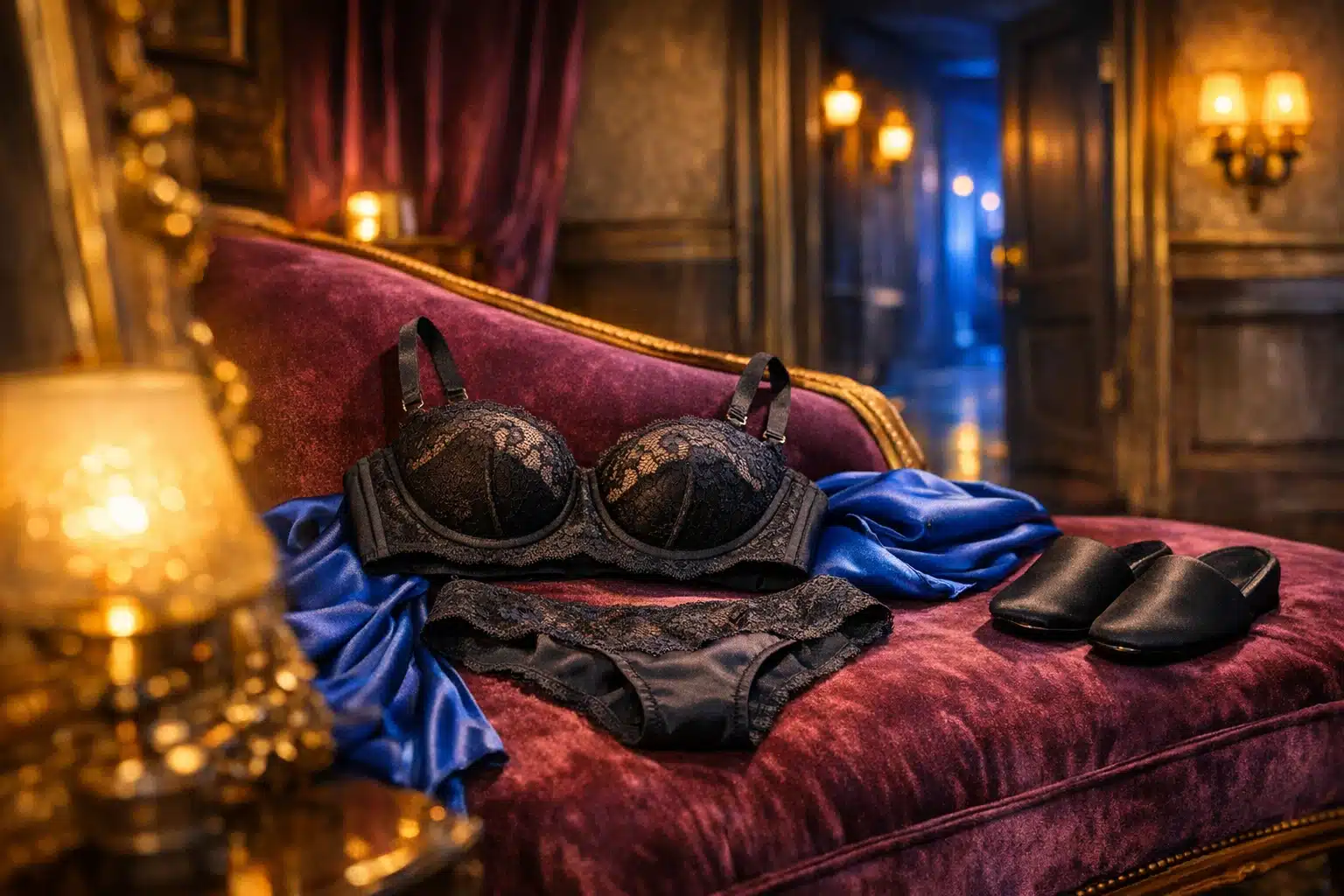
2026 Guide to the Best Women’s Lingerie Sets
Shopping for lingerie in 2026 is less about chasing a fantasy and more about finding a set that fits real life, real bodies, and real budgets. Fabrics are smarter, size tools are better, and more labels now design for comfort without flattening personal style. That makes a good guide genuinely useful, whether you want an everyday base layer, a giftable upgrade, or a special set that feels polished the moment it comes out of the drawer.
Article Outline
This article follows five core questions: what makes a lingerie set truly good in 2026; how bra and bottom styles compare in daily wear; which fabrics and construction details signal quality; how to choose the right set for different occasions and budgets; and how to shop, care for, and build a collection that serves you well over time.
1. What Makes a Lingerie Set “Best” in 2026?
The word best can be slippery in fashion, especially with lingerie. A set that feels perfect on one person may frustrate another within an hour. In 2026, the strongest lingerie sets are not simply the prettiest ones on a product page. They combine fit, comfort, durability, and design in a way that matches how people actually dress. That shift matters because lingerie has moved firmly into the category of practical personal style. It still carries emotion and visual appeal, but shoppers increasingly expect performance along with beauty.
Several market changes have shaped this standard. First, more brands now offer wider size ranges, including fuller bust options, small-band sizes, and more varied bottom cuts. Second, digital fitting tools and customer reviews have made shoppers more critical. People compare strap slippage, cup depth, fabric softness, and how a set behaves under real clothing. Third, comfort expectations have risen. The modern buyer rarely wants a set that looks glamorous but pinches, rolls, scratches, or shifts all day.
A strong lingerie set usually gets four basics right:
• the bra supports without digging in;
• the bottoms stay comfortable while sitting, walking, and layering;
• the fabric feels pleasant after hours of wear, not just during a quick try-on;
• the design fits your wardrobe, from T-shirts to dresses to sleepwear.
One of the clearest 2026 trends is the blending of categories. Many “best” sets are designed to do more than one job. A smooth balconette may work under office clothes and still feel elevated for an evening out. A lace-trimmed bralette can double as a soft lounge piece. A longline bra may provide shape while also looking polished enough to peek out intentionally beneath a blazer. The drawer is no longer split so sharply between functional basics and special pieces; the most useful sets live in the middle.
Price also deserves a sober look. Expensive does not always mean superior, and low-cost does not automatically mean disposable. The better question is value per wear. If a mid-range microfiber set survives dozens of washes, keeps its elasticity, and becomes a weekly favorite, it can outperform a more decorative set that only leaves the hanger twice a year. The best lingerie in 2026, then, is not about following a rigid ranking. It is about identifying the set that respects your shape, your schedule, and the clothes you really wear.
2. Comparing Bra and Bottom Styles for Real-Life Wear
Once you move past color and trim, lingerie shopping becomes a matter of architecture. Every bra style creates a different shape, and every bottom cut behaves differently under clothing. Understanding those comparisons saves money and frustration. It also prevents the common mistake of buying a beautiful matching set that works in theory but not in practice.
Among bras, bralettes remain popular because they feel relaxed and modern. They suit lighter support needs, casual outfits, and lounge-heavy wardrobes. Still, they are not universally “better” than wired styles. A plunge bra is often the practical answer for lower necklines. A balconette lifts from below and can create a rounded, open neckline effect that works well with square or wide-cut tops. A T-shirt bra is less romantic on the hanger, yet under clingy knits it often wins because it disappears visually. Longline styles distribute support across a wider area and can feel surprisingly stable, especially for those who dislike narrow bands.
Bottoms deserve the same attention. Thongs reduce visible panty lines under fitted trousers or dresses, but comfort varies depending on seam placement and fabric stretch. Briefs offer fuller coverage and can be extremely elegant when cut well. High-waist bottoms have become a dependable favorite because they pair easily with high-rise jeans, tailored skirts, and vintage-inspired looks. Brazilian cuts sit between a thong and a brief, which is why many shoppers see them as the compromise option that neither disappears completely nor feels too minimal.
A helpful way to compare styles is by use case rather than body myth. There is no universal rule that one body shape should only wear one cut. Instead, ask what the garment needs to do.
For example:
• under lightweight jersey, smooth cups and clean-edge bottoms often matter more than lace;
• under low necklines, plunge shapes usually behave better than full-coverage cups;
• for long workdays, wider straps and soft bands tend to outperform delicate elastic;
• for soft evening wear, stretch lace can feel dressier without sacrificing flexibility.
The best set is often the one that vanishes under your clothes while still making you feel put together before the outfit even goes on. That is the little secret of successful lingerie: the magic is not always dramatic. Sometimes it is simply the quiet confidence of a bra that stays in place and a bottom that does not require a mid-day adjustment. When comparing sets in 2026, focus less on idealized styling and more on the daily reality of motion, layering, and comfort.
3. Fabrics, Construction, and the Small Details That Signal Quality
If style is the first thing shoppers notice, fabric and construction are what determine whether a lingerie set becomes a favorite or a disappointment. The difference between “pretty but annoying” and “worth buying again” often comes down to details that are easy to miss on a screen. In 2026, informed shoppers are paying closer attention to fiber blends, stitching, panel design, and hardware, and that is a smart habit.
Start with materials. Microfiber blends, often made with nylon or polyester plus elastane, are common because they combine stretch, softness, and smoothness under clothing. Lace can be soft and flexible or stiff and scratchy depending on quality and finishing. Mesh adds breathability and visual lightness, while modal and cotton blends usually appeal to those who prioritize softness for long wear. Satin delivers shine, but buyers should check whether it is truly silky in feel or just glossy in appearance. A fabric can photograph beautifully and still feel disappointing against the skin.
Construction matters just as much as fabric choice. Look for wide enough bands, stable side wings, and straps that are adjustable in a useful range. In bras with more support, power mesh panels and firmer elastic often help keep the shape consistent through repeated wear. Underwires should sit comfortably around breast tissue rather than on it, and cup seams should look smooth rather than puckered. On bottoms, a cotton-lined gusset remains a practical detail many shoppers prefer, especially for everyday use.
Good signs of quality include:
• elastic that feels resilient rather than brittle;
• hardware that appears smooth and securely attached;
• lace edges that do not curl aggressively;
• stitching that lies flat and even;
• fabric recovery that snaps back after gentle stretching.
There is also the question of longevity. Stretch fibers naturally weaken over time, especially when exposed to heat, harsh detergent, and dryer cycles. That means a well-made set is not immortal, but it should age gracefully if treated properly. Many shoppers notice the difference first in the band. When the band loses recovery, support often goes with it. Paying a bit more for stronger elastics, better finishing, and stable construction can be worthwhile if you wear the set regularly.
Think of quality lingerie like good tailoring in miniature. The scale is smaller, yet the demands are high: softness, stretch, shape, and aesthetics must coexist in a few inches of fabric. In that tiny engineering challenge lies the reason some sets earn repeat wear while others remain drawer decoration. In 2026, the best lingerie sets are rarely about ornament alone; they are about how skillfully beauty has been built.
4. The Best Types of Lingerie Sets for Everyday Wear, Special Occasions, and Different Budgets
No single lingerie set can cover every need, so the smartest way to shop is by category. When people ask for the best women’s lingerie sets, they are often really asking a more practical question: best for what? The answer changes depending on whether the goal is daily comfort, a polished occasion look, soft lounging, or a higher-impact statement piece.
For everyday wear, smooth or lightly textured sets usually offer the strongest value. A T-shirt bra with matching briefs, bikini bottoms, or a clean-edge thong tends to work under the largest range of clothing. This category should prioritize soft fabric, stable straps, and a band that stays level across the back. In budget terms, affordable sets can perform very well here because the design goal is straightforward. If the fabric blend is decent and the fit is right, an entry-level everyday set may deliver excellent price-per-wear.
For special occasions, design often becomes more expressive. Lace, embroidery, satin panels, strappy details, and richer colors enter the picture. A plunge or balconette set can feel more dramatic while still being wearable. This is also where shoppers sometimes overspend on appearance alone. The better move is to ask whether the set still feels good after an hour. Occasion lingerie should not become a negotiation between style and endurance. If a piece digs, slips, or requires constant adjustment, it stops feeling luxurious very quickly.
Lounge-inspired sets have grown in popularity because so many wardrobes now value softness and flexibility. Bralette-and-brief combinations, stretch lace triangles, and modal-rich sets blur the line between underwear and off-duty comfort. These are often ideal for people who dislike heavy structure or who want something gentler for weekends and evenings at home.
Budget also shapes expectations:
• under roughly $40, focus on solid basics and fit rather than ornate detailing;
• in the mid-range, often around $40 to $90, shoppers typically see better fabrics, broader sizing, and more refined finishing;
• at premium prices, the advantage should be exceptional materials, craftsmanship, or unusually strong fit engineering, not just branding.
The best category for fuller bust support is usually not the daintiest one on the rack. Look for firmer bands, more considered cup shaping, and straps that do real work. Likewise, the best option for seamless clothing is often visually simpler than the fanciest matching set. In other words, “best” is contextual. Your ideal purchase might be a smooth nude set you wear twice a week, a dark lace set saved for evenings out, or a soft wireless duo that becomes a Sunday ritual. The goal is not a single winner. It is a smart rotation that reflects your life, your wardrobe, and your budget without wasting money on fantasy pieces that never leave the drawer.
5. Conclusion: How to Shop Smarter, Care Better, and Build a Lingerie Drawer That Works for You
If you have made it this far, the biggest takeaway is refreshingly simple: the best lingerie set is the one that earns repeat wear. That may sound less glamorous than a dramatic ranking, but it is far more useful. In 2026, smart lingerie shopping means knowing your priorities before the purchase. Do you want invisible support under workwear? A softer set for evenings at home? A special option that feels elevated without becoming high maintenance? Once that question is clear, the market becomes much easier to navigate.
Start with accurate sizing, even if you think you already know it. Band tension, cup depth, and bottom rise vary widely between labels. Read the size chart, compare garment notes, and pay attention to customer feedback about stretch, firmness, and whether a style runs shallow or generous. Online shopping is often convenient, but it rewards patience. Return policies, fabric composition, and close-up photos of seams matter more than polished campaign imagery.
Care is the quiet factor that protects value. Frequent heat exposure can shorten the life of elastics, so gentler washing usually helps lingerie last longer. Rotating sets also matters. Wearing the same favorite every other day without giving the elastic time to recover can speed up wear. A modest collection that rotates well is often more practical than a large drawer filled with pieces that do not fit quite right.
A useful collection often includes:
• one or two smooth everyday sets in versatile tones;
• one supportive option for outfits that need structure;
• one softer wireless or lounge-friendly set;
• one expressive set chosen for mood, texture, or occasion rather than pure utility.
For the reader shopping in 2026, the real goal is not perfection. It is alignment. You want lingerie that fits your body as it is, supports the clothing you actually wear, and feels worth owning after the first impression fades. The right set should not ask you to become a different person to justify it. It should meet you where you are, offer comfort without dullness, and add a small but real sense of confidence to the ordinary rhythm of getting dressed. That is what makes a lingerie set more than a purchase. It makes it part of a wardrobe that works.