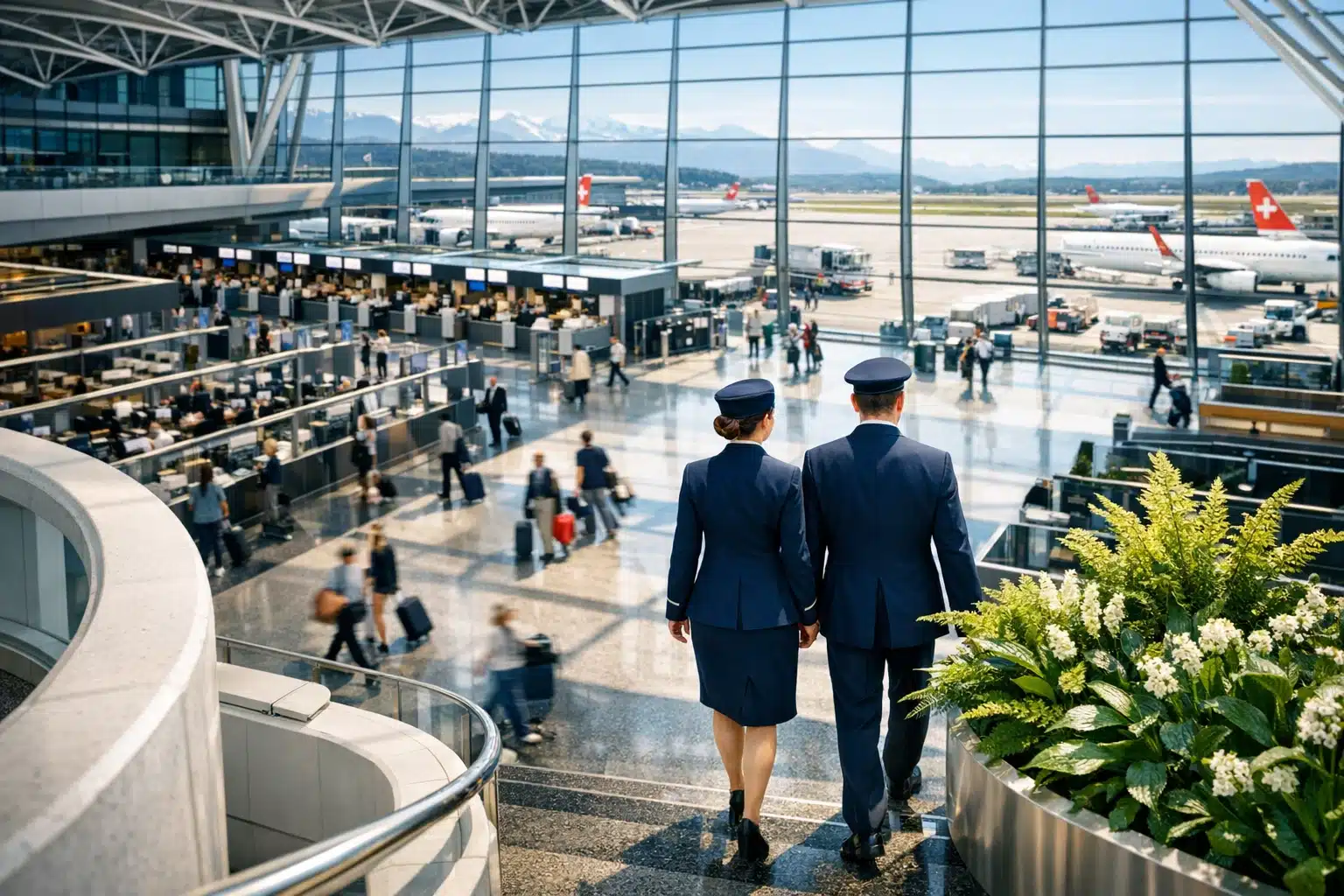
Airport Jobs in Switzerland: Roles, Requirements, and How to Apply
Swiss airports run like compact cities, with check-in desks, baggage systems, aircraft stands, retail corners, and security lanes all needing skilled staff to keep moving. That makes them one of the more varied employment settings in the country. Whether you prefer practical outdoor work or structured administrative tasks, aviation can open several entry points. Understanding the market first can save you time, sharpen your applications, and help you target the right employers.
Overview of Airport Jobs in Switzerland and Article Outline
Airport employment in Switzerland matters because the country depends heavily on international mobility, tourism, business travel, cargo links, and cross-border commuting. Even people who rarely fly still benefit from a functioning aviation system, since airports support trade, hospitality, transport services, and regional jobs. Zurich Airport is the largest aviation hub in the country, while Geneva Airport plays a central role for international organizations, tourism, and diplomatic travel. EuroAirport Basel Mulhouse Freiburg is especially interesting because it serves a tri-national region, which gives its labor market a cross-border flavor that you do not find everywhere.
What makes airport work attractive is its range. One person may spend a shift guiding passengers through check-in, while another loads baggage in all weather, and someone else monitors schedules in a control office behind the scenes. Unlike industries with only one obvious career ladder, aviation offers many entry points for school leavers, career changers, multilingual professionals, and technically trained workers. In Switzerland, this variety is reinforced by the country’s language regions, service standards, and strong expectation of punctuality. Airports are places where precision is not just appreciated; it is operationally necessary.
This article covers the subject in a practical order:
• where the main airport jobs are found
• which roles are most common
• what qualifications and language skills employers ask for
• how pay, schedules, and working conditions compare
• how to apply effectively and build a long-term career
It is also important to understand who actually hires. Airport operators employ some staff directly, but many vacancies come from airlines, security firms, ground-handling companies, cleaning contractors, cargo businesses, retailers, caterers, and public authorities. In other words, an “airport job” is not one employer category. It is an ecosystem. That distinction matters when you search for openings, because the same airport may host dozens of employers with different application systems, pay structures, and language expectations.
For job seekers, Switzerland offers both opportunity and competition. Airports often seek dependable people who can work shifts, communicate clearly, and pass background checks. At the same time, many applicants are drawn by the international setting and the relative stability of established transport employers. The result is a market where preparation counts. If you know which roles match your strengths and which airport environment suits your profile, the search becomes far less random and far more strategic.
Main Types of Airport Jobs and How They Differ
When people imagine airport work, they often think first of airline uniforms, boarding gates, and announcements over the speakers. In reality, the employment mix is much broader. Passenger-facing roles include check-in agents, gate agents, lounge staff, information desk workers, and special assistance teams who help travelers with reduced mobility. These positions require patience, clear communication, and calm decision-making, especially when flights are delayed or baggage goes missing. In a Swiss airport, language ability can be the quiet advantage that turns a difficult interaction into a smooth one.
Then there are airside and operational jobs, which keep aircraft and equipment moving safely. Ramp agents, baggage handlers, pushback drivers, de-icing teams, marshallers, and turnaround coordinators all play part in the short but intense period between arrival and departure. The pace here is physical, precise, and time-sensitive. A delay of a few minutes can ripple across the day. For people who like structured action more than desk work, these jobs can be a strong fit. They are less glamorous from the outside, perhaps, but they are essential in a very direct way.
Technical and specialist careers form another important group. Airports need aircraft maintenance staff, electricians, HVAC technicians, IT support teams, network specialists, safety officers, and infrastructure managers. Larger hubs also employ experts in cybersecurity, environmental management, and data analysis. As airports become more digital, technical roles are growing in importance. Self-service baggage systems, automated access points, and real-time operational software all need qualified people behind them.
Commercial and support functions are just as relevant. Retail staff, warehouse workers, cargo administrators, HR teams, finance departments, procurement specialists, facility managers, and marketing professionals all exist within the airport environment. Some people enter aviation through these business-side positions and later move closer to flight operations.
A simple way to compare airport jobs is this:
• customer service roles rely on communication and emotional control
• ramp and handling roles rely on stamina, safety discipline, and timing
• technical roles rely on certifications and troubleshooting skill
• office-based roles rely on planning, systems knowledge, and coordination
Finally, there is the difference between direct and indirect employment. Working for an airport operator can feel more institutional and infrastructure-focused. Working for an airline may place you closer to passengers and flight schedules. Working for a contractor can provide a faster route into the industry, though conditions and career paths may differ. Understanding that structure helps applicants choose not just a job title, but the type of employer culture they actually want.
Qualifications, Language Skills, and Entry Requirements
The good news for applicants is that not every airport job in Switzerland demands a university degree. The less simple news is that almost every role demands reliability. Airports are regulated, security-sensitive workplaces, so employers care deeply about punctuality, documentation, background checks, and professional behavior. For entry-level roles such as passenger service, retail, cleaning, or some ground operations jobs, employers may focus more on work ethic, language skills, customer handling, and shift flexibility than on advanced academic credentials. For specialized positions, however, formal training becomes central.
Language ability is one of the biggest differentiators in Switzerland. At Zurich, German and English are commonly valuable, while Geneva places obvious weight on French and English. Basel can involve German, French, and English depending on employer and function. In customer-facing positions, multilingual ability is often a genuine asset rather than a decorative line on a CV. Airports serve travelers who are tired, rushed, confused, or stressed; being able to switch languages smoothly can make a candidate stand out immediately.
Common requirements often include:
• valid work authorization for Switzerland
• willingness to work early mornings, nights, weekends, and holidays
• clean background record for security clearance processes
• ability to follow safety procedures precisely
• basic digital confidence for scheduling, scanning, or reporting systems
For some jobs, additional criteria apply. Ramp workers may need a driving license and physical fitness. Security staff typically require formal training or certification pathways defined by employers and regulators. Maintenance technicians need vocational qualifications or technical apprenticeships. Administrative roles may ask for experience in aviation systems, logistics, customer support software, or commercial operations. Cargo positions can favor candidates familiar with documentation, customs processes, or warehouse work.
Switzerland’s vocational education system can be a real advantage here. Candidates with apprenticeships in logistics, mechanics, electronics, hospitality, or administration may find that their training transfers well into airport settings. Career changers are also common, especially from hotels, transport, retail, emergency services, and customer support.
One issue that deserves special attention is work eligibility. Swiss citizens and many EU or EFTA nationals generally have clearer pathways into employment, while applicants from outside those groups may face stricter permit conditions depending on role and employer. Because regulations can change, it is smart to check official guidance rather than rely on forum advice. In airport hiring, missing one document can slow everything down. Precision begins before your first shift, and employers notice candidates who understand that early.
Pay, Schedules, Working Conditions, and Differences Between Airports
Airport jobs in Switzerland are often appealing because they combine structured operations with relatively steady demand, but the daily reality is not identical across roles or locations. Pay varies widely by employer, contract type, seniority, language requirements, and whether the role sits in operations, security, customer service, retail, maintenance, or management. As a broad rule, entry-level airport roles can fall in modest to solid Swiss salary bands, while technical specialists, supervisors, and highly regulated positions earn more. Night, weekend, and holiday supplements may also improve total compensation, particularly in shift-heavy functions.
It is wise to compare salary with cost of living, not in isolation. Zurich often offers access to the country’s largest pool of airport jobs, yet the surrounding area is also expensive. Geneva has similar pressure on living costs, especially for housing, though its international environment can create attractive opportunities for multilingual candidates. Basel is distinctive because some employees live across nearby borders and commute, although tax and social insurance situations can become more complex depending on personal circumstances and employer setup. A salary that looks strong on paper may feel different once rent, transport, insurance, and irregular hours are considered.
Working conditions also depend heavily on job family. Customer service roles involve prolonged standing, constant interaction, and occasional conflict management. Ramp and handling jobs demand physical effort, weather tolerance, and strict adherence to safety routines. Office and planning roles may be less physically intense but can carry serious pressure when disruptions affect flights, staffing, or cargo timing. In short, airport work can be exciting, but it is rarely passive.
Typical schedule realities include:
• shifts starting before sunrise
• late finishes linked to delayed flights
• weekend rotations
• public holiday work
• peak periods during summer and winter travel seasons
Some people love this rhythm because weekdays can remain free and no two shifts feel identical. Others find it demanding, especially if childcare, commuting distance, or sleep patterns become difficult. That is why applicants should ask practical interview questions about rosters, overtime policy, break patterns, and training support. A role may sound attractive until you realize the first train to the airport does not match your reporting time.
There are differences between airports beyond size. Zurich tends to provide the broadest diversity of positions and stronger internal mobility because the ecosystem is larger. Geneva often rewards strong service skills and international exposure. Basel’s cross-border context can create unusual opportunities in logistics and multilingual operations. Smaller regional airports may offer fewer vacancies, but they can appeal to candidates seeking a more contained environment. The best airport is not automatically the busiest one. It is the one where your skills, commute, and preferred work style align.
How to Apply, Stand Out, and Build a Long-Term Career
Applying for airport jobs in Switzerland is easier when you stop treating the airport as one employer and start mapping the ecosystem. Begin with the official websites of the main airports, then expand to airlines, ground-handling firms, security providers, cargo operators, travel retail companies, and catering businesses working on-site. Many vacancies never appear under the simple search term “airport jobs,” so broaden your keywords. Search for passenger service agent, ramp agent, baggage handler, security officer, cargo clerk, operations coordinator, maintenance technician, retail associate, and lounge staff. That one adjustment can instantly widen your options.
Your application should be practical, not theatrical. Recruiters want evidence that you can show up reliably, handle procedures, and fit a regulated environment. A concise CV works best when it highlights shift work, customer contact, language ability, safety awareness, driving permits, technical certifications, and any experience with logistics or high-pressure service. If you have worked in hotels, rail transport, warehouses, hospitals, or event operations, say so clearly. Those settings often build the same habits airports value: timing, accuracy, teamwork, and calm under pressure.
A smart application process often looks like this:
• identify the right employers at one or two target airports
• tailor your CV to each role type
• mention language skills with realistic levels
• prepare documents for background screening
• practice scenario-based interview answers
Interview questions frequently test behavior rather than theory. You may be asked how you would handle an upset passenger, a last-minute change, a safety concern, or a colleague who is not following procedure. Good answers sound grounded and specific. Airports do not need dramatic heroes; they need people who communicate, escalate correctly, and protect safety standards.
Long-term growth is one of the stronger reasons to enter the field. A person might start in passenger handling, move into operations control, and later train in quality, safety, or team leadership. Another may begin in retail and transition into airline service coordination. Technical staff can progress into supervisory or infrastructure roles. Aviation also rewards people who keep learning. Digital systems, sustainability targets, data use, and security protocols are evolving, and employers notice staff who adapt instead of resisting change.
Seasonality and timing matter too. Summer travel peaks and winter holiday periods can trigger hiring needs, while large employers may recruit in waves for training groups. If one application fails, that is not always a verdict on your suitability. It may simply reflect timing, language balance in the team, or clearance lead times. Persistence matters. In the airport world, momentum often begins with one solid entry point rather than one perfect first job.
Conclusion for Job Seekers Interested in Swiss Airport Careers
If you are considering airport jobs in Switzerland, the key is to match your profile to the right function rather than chase the broad aviation label. The sector offers genuine variety, from front-line passenger roles to technical, logistical, and administrative careers, but each path comes with its own language needs, schedule demands, and hiring standards. Candidates who research employers carefully, prepare documents early, and present relevant skills clearly tend to move faster through the process. For readers who want stable work in an international environment with room to grow, Swiss airports can be a serious and rewarding place to build a career.