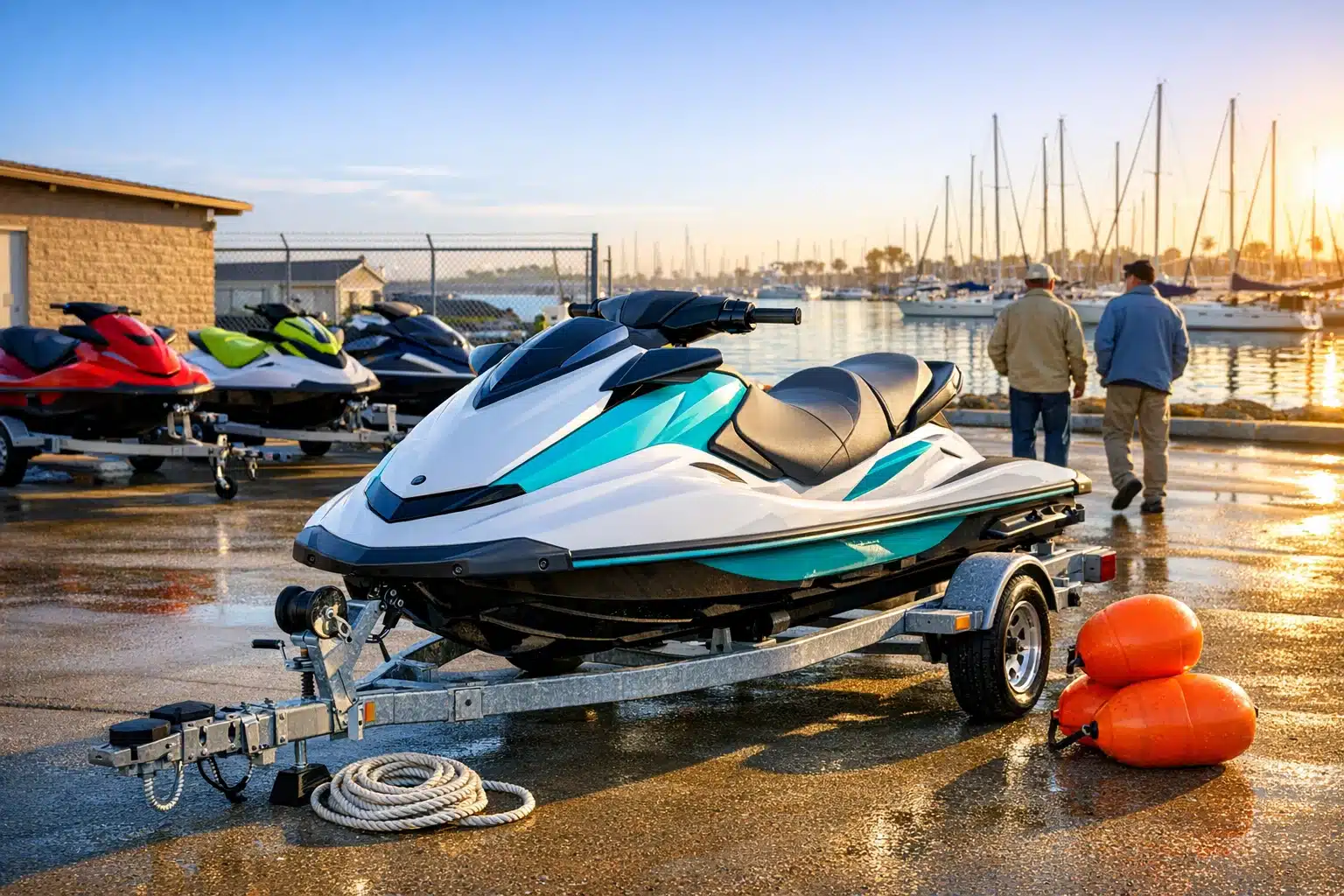
Police Impound Jet Ski Auctions: How They Work and What Buyers Should Know
Police impound jet ski auctions attract bargain hunters, mechanics, weekend riders, and curious first-time buyers because they offer the chance to purchase a personal watercraft below typical resale pricing. The catch is that these auctions are shaped by legal rules, storage history, and limited inspection windows, which means a cheap bid can turn into an expensive project very quickly. Learning how the process works gives buyers a better shot at separating genuine opportunity from a polished-looking headache.
Article Outline and Why Police Impound Jet Ski Auctions Matter
Before getting into bidding tactics and inspection advice, it helps to map the territory. Police impound jet ski auctions sit at an unusual intersection: part government process, part used-vehicle marketplace, and part treasure hunt. One moment you are reading a lot description with two grainy photos; the next, you are trying to decide whether a watercraft that has been sitting behind a chain-link fence for months is a hidden deal or a floating repair bill. That tension is exactly why the topic matters. Buyers who understand the structure of these auctions can make calm choices, while buyers who arrive unprepared often mistake uncertainty for value.
This article follows a practical outline designed for readers who want both the big picture and the nuts-and-bolts detail. It covers where these jet skis come from, how the auction process usually unfolds, what to inspect before bidding, how costs compare with other buying channels, and which strategies help buyers stay disciplined when the pace picks up. In many areas, impounded personal watercraft are sold only after notice periods, ownership checks, and legal requirements are satisfied. That means these sales are not random yard clear-outs; they are structured disposals of property that has become eligible for auction under local rules.
- How impound auctions are created and administered
- What “as-is” really means in practical buying terms
- Which mechanical, cosmetic, and paperwork checks matter most
- How fees, repairs, and transport affect the true purchase price
- When an auction buy is smarter than a dealer or private-party purchase
The relevance is broader than it first appears. Personal watercraft can be expensive to buy new, and even the used market remains strong in many boating regions. That pushes budget-minded shoppers toward alternatives such as municipal surplus events, contracted auction companies, towing lien sales, and law-enforcement impound auctions. Some buyers are looking for a summer toy, some want a rebuild project, and others hope to resell after repairs. Each of those goals requires a different tolerance for uncertainty. A mechanically skilled buyer may welcome a non-running unit with cosmetic damage, while a first-time rider who wants immediate weekend use should be much more cautious.
In short, these auctions matter because they can offer real value, but only to buyers who treat them as a research-driven purchase rather than a lucky dip. The sections that follow turn that idea into a step-by-step guide, so readers can move from curiosity to informed judgment without getting swept away by the sound of the auctioneer’s cadence.
How Police Impound Jet Ski Auctions Actually Work
Police impound jet ski auctions usually begin long before any bidder appears. A personal watercraft may end up in impound for several reasons: it could be abandoned, towed from unauthorized storage, recovered after theft, held during an investigation and later released for disposal, or left unclaimed after fees accumulate. Once the relevant legal conditions are met, the agency or contracted storage operator may be allowed to sell the unit. The exact path depends heavily on state and local law, which is why two auctions in different counties can look similar on the surface but differ on documentation, timelines, and buyer requirements.
In many jurisdictions, the selling authority must attempt to contact the registered owner and any lienholder before a sale takes place. There is often a statutory hold period, and there may also be public notice requirements. Only after those steps are completed can the jet ski be listed for auction. Some police departments handle sales through municipal surplus channels, while others use third-party auction companies that specialize in impounded property. Increasingly, these events happen online, though live yard auctions still exist in some regions.
The buyer’s experience often follows a familiar pattern:
- Registration: bidders provide identification and sometimes a deposit or credit card authorization.
- Preview period: buyers inspect the lot within a limited time window, often without operating the craft on water.
- Bidding: sales may be live, timed online, sealed, or hybrid.
- Payment: winning bidders usually face short deadlines, sometimes the same day or within 24 to 48 hours.
- Pickup: the buyer must arrange removal, transport, and occasionally proof of insurance or trailer compliance.
One of the most important details is the phrase “as-is, where-is.” In plain English, that means the seller is generally not promising that the jet ski runs, floats, includes all parts, has a clean service history, or can be registered without further steps. The agency is disposing of property, not providing a retail guarantee. Some lots may include a trailer, cover, or accessories, while others are strictly for the watercraft alone. Some come with keys; others do not. Some include a title or auction paperwork sufficient for later registration; others may require the buyer to work through additional state procedures.
This is why seasoned buyers read the terms and conditions as carefully as the lot listing. A low hammer price can be misleading if the auction adds a buyer’s premium, storage charges, documentation fees, or strict late-pickup penalties. The process may feel brisk, almost theatrical, but the paperwork is where the purchase becomes real. Think of the auction floor as the visible wave crest; beneath it sits a deeper current of procedure, liability, and title transfer rules that determine whether the purchase is convenient, complicated, or simply not worth the effort.
What Buyers Should Inspect Before Bidding on an Impounded Jet Ski
Inspection is where wishful thinking needs to step aside and let evidence do the talking. Most police impound jet ski auctions do not allow test rides, and many do not allow engines to be started. That makes visual assessment, paperwork review, and pattern recognition especially important. A clean exterior does not guarantee a healthy engine, and a dirty hull does not always mean the machine is beyond saving. The trick is to look for clues that tell a larger story about how the watercraft was used, stored, and neglected.
Start with identification. The hull identification number, often called the HIN, should match the auction paperwork where possible. If the number appears altered, obscured, or missing, that is a serious warning sign and may create registration difficulty later. Next, look at the hull for cracks, repairs, gouges, soft spots, or signs of impact around the bow and underside. Cosmetic scratches are common on older personal watercraft, but structural damage is a different matter entirely. It can affect safety, performance, and repair cost.
The engine area deserves patient attention. Open the seat if permitted and look for corrosion, loose wiring, standing water, oil residue, missing components, or improvised repairs. Saltwater exposure can leave a harsh fingerprint in the form of rusted fasteners, crusted metal surfaces, and electrical deterioration. A battery that is dead or missing is common at auction, but it can also hide the fact that the electrical system has not been checked in a long time. If the seller provides engine hours, treat that information as helpful but not definitive unless it can be verified.
- Check the impeller and intake grate for debris damage or bending.
- Look at the ride plate, pump housing, and steering nozzle for cracks or impact marks.
- Inspect the seat cover for tearing that may indicate prolonged weather exposure.
- Examine trailer tires, lights, bearings, and rust if a trailer is included.
- Ask whether keys, lanyard, registration documents, or title paperwork are present.
Comparison shopping matters here. A used jet ski sold by a private owner may come with maintenance records, a cold start, and a water test. A dealer may offer at least some limited checks, reconditioning, or paperwork assistance. At an impound auction, you often get far less certainty, so your inspection must be sharper. Bring a flashlight, notepad, gloves, and, if allowed, someone with marine mechanical experience. Even a quick expert opinion can save hundreds or thousands later.
Buyers should also think about parts availability and model age. Some older units can be inexpensive to purchase but awkward to repair if key components are discontinued. Others are mechanically simple and supported by a healthy aftermarket. The smart move is to research the make, model, and common failure points before the bidding starts. In auctions, confidence should come from preparation, not adrenaline. The machine in front of you may be a worthwhile fixer-upper, but it should earn that label through evidence, not imagination.
Real Costs, Hidden Risks, and How Auctions Compare With Other Buying Options
The hammer price is only the first number in the story. Many buyers new to police impound jet ski auctions make the same mistake: they compare their winning bid to a private sale listing and assume they have instantly saved money. Sometimes they have. Sometimes they have simply bought the right to begin spending. The true cost of an auction purchase often includes fees, transport, registration, repairs, missing accessories, and downtime. A watercraft that looks like a steal at first glance can become average value once those extras are added up.
Common cost layers include:
- Buyer’s premium, which may range by auction company and event type
- Sales tax and local registration charges
- Documentation or title processing fees
- Towing or trailer rental for pickup
- Storage penalties if the lot is not removed on time
- Repair items such as battery, plugs, wear ring, impeller work, fuel system cleaning, or seat repair
Now compare the auction route with two major alternatives. A private seller often provides more background: how long they owned the jet ski, whether it was winterized, when the pump was last serviced, and whether the trailer bearings were replaced. That information has value because it reduces uncertainty. A dealer or marina consignment lot usually adds even more structure, such as pre-sale inspection, title help, financing options, and sometimes short-term coverage or return policies. Those channels generally cost more up front, but part of what buyers are paying for is reduced ambiguity.
An auction, by contrast, discounts certainty. That is its advantage and its hazard. If you are mechanically capable, comfortable with paperwork, and able to transport a non-running unit, that discount may work in your favor. If you need a ready-to-ride machine for the next holiday weekend, the discount may evaporate fast. For example, a buyer who wins a jet ski at a modest price but then needs a new battery, fuel system service, trailer tires, and title correction may end up close to ordinary market value. Another buyer might purchase a cosmetically rough but mechanically sound unit and come out well ahead.
Risk also extends beyond repair cost. Registration difficulty, missing keys with security coding issues, liens, or incomplete documentation can delay use. Insurance may also depend on the buyer successfully obtaining proper ownership records. None of these issues automatically make auction buying a bad idea, but they do make it a conditional one. The value equation changes according to your tools, time, skills, and patience. In that sense, police impound auctions are less like shopping in a showroom and more like buying potential. The lower price may be real, but it is rarely free of trade-offs.
Smart Bidding Strategy and Final Advice for Prospective Buyers
Once you understand the process, inspection points, and cost structure, the final challenge is behavior. Auctions reward discipline far more than enthusiasm. The fastest way to turn a reasonable purchase into a regrettable one is to get caught in competitive bidding and forget the ceiling you set when you were calm. Personal watercraft auctions can move quickly, and even online platforms create urgency through countdown timers and visible bid jumps. The smart buyer prepares decisions in advance, then follows them like a checklist rather than negotiating emotionally in real time.
A practical strategy begins with research. Look up comparable used prices for the same brand, model year range, and engine size in your region. Then subtract expected auction-specific costs and a repair reserve. If the unit’s history is unclear, that reserve should be larger, not smaller. Buyers who know how to price uncertainty gain a major advantage over bidders who only compare headline asking prices. It also helps to decide what kind of buyer you are before the event starts. Are you a rider who wants reliable summer use, a hobbyist who enjoys repairs, or a reseller hunting for margin? Each goal supports a different maximum bid.
- Set a firm cap before bidding begins and write it down.
- Budget separately for fees, transport, and first-round maintenance.
- Avoid lots with unclear identification or missing paperwork unless you fully understand the risk.
- Favor models with strong parts availability and broad service support.
- If possible, consult a marine mechanic or experienced owner before bidding.
Timing matters as well. Off-season auctions may present softer competition in colder regions, while spring and early summer can bring higher enthusiasm as buyers imagine immediate use. That seasonal rhythm affects not only bidding but also repair scheduling, since shops may be busier when the weather turns. A patient buyer who purchases in the quieter months may have more room to assess the machine, order parts, and complete repairs before peak riding season begins.
For the target audience, the key lesson is simple: police impound jet ski auctions are best approached as informed opportunities, not guaranteed bargains. First-time buyers should be especially cautious and treat the event as a research exercise unless a lot is unusually clear on paperwork and condition. More experienced mechanical buyers may find the format better suited to their skills, particularly when they can absorb uncertainty without panic. The strongest outcome usually goes to the bidder who can say no more often than yes. If you can inspect carefully, verify documents, price the hidden costs, and walk away when the numbers stop making sense, an impound auction may be a worthwhile path to ownership. If not, paying more through a traditional seller may actually be the cheaper decision in the long run.