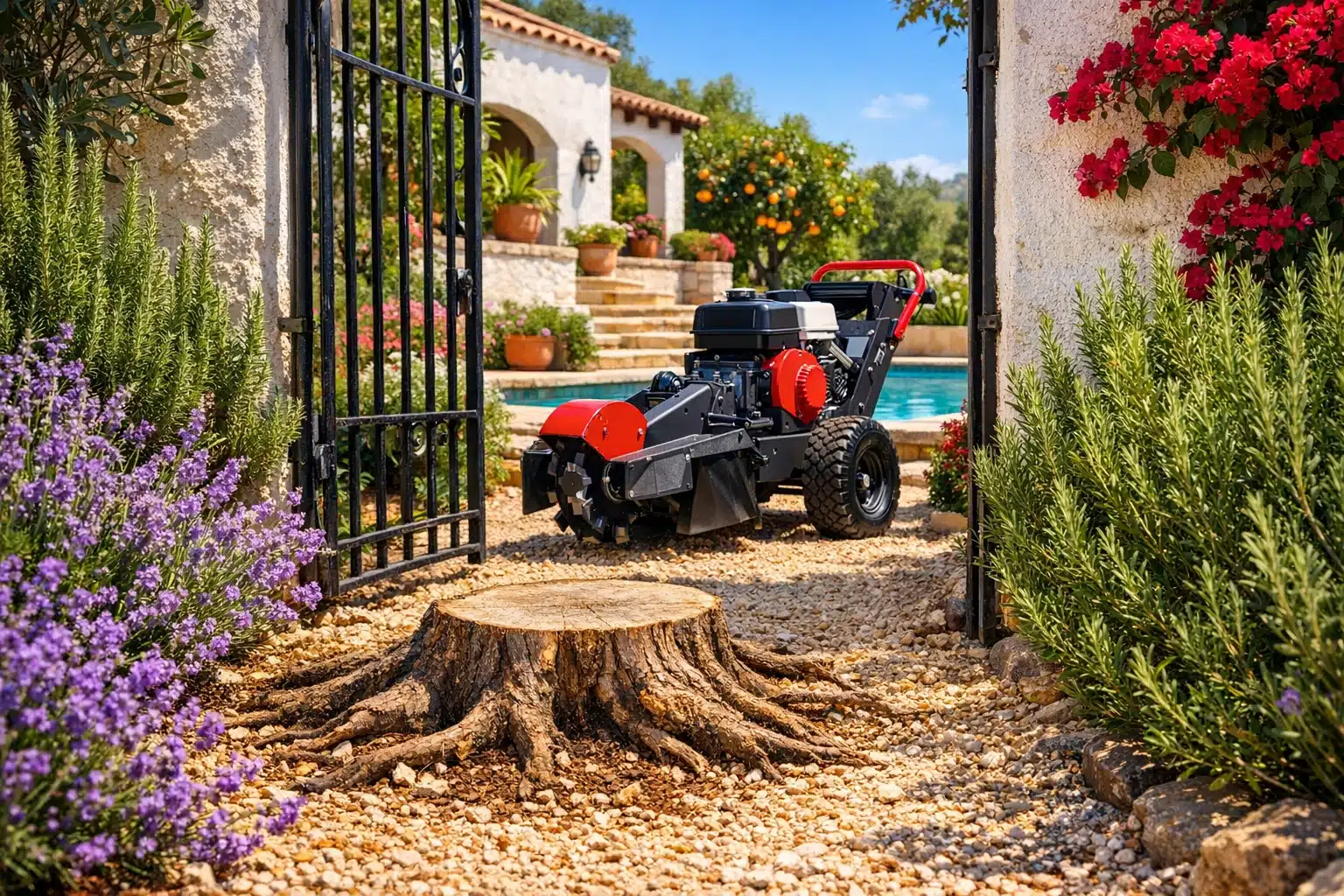
Stump Grinder Rental: Information Guide
Renting a stump grinder can turn an awkward, trip-hazard relic into usable yard space without committing to the cost of owning a machine you may need only once. Yet the rental counter rarely tells the whole story: size classes, cutting depth, access limits, tooth wear, debris control, and safety gear all shape the result. This guide explains how stump grinder rentals work, what they typically cost, when a rental makes sense, and how to avoid the mistakes that can make a weekend project drag on.
Outline
This article covers five practical areas: why people rent stump grinders instead of using other removal methods, how the main machine types compare, what rental pricing and logistics usually involve, how to operate a grinder safely and effectively, and what to do after the grinding is finished. The final conclusion is aimed at homeowners, landlords, and small property managers who want a sensible path to a cleaner yard.
Why Rent a Stump Grinder and When It Makes Sense
A tree may come down in an afternoon, but the stump often lingers like an unwanted piece of furniture bolted into the lawn. It gets in the way of mowing, catches feet and wheels, invites weeds around the base, and can make an otherwise tidy yard look unfinished. In some landscapes, old stumps also complicate fencing, replanting, patio work, drainage adjustments, and garden bed expansion. For many property owners, that is the moment when stump grinder rental enters the picture: not as a glamorous tool, but as a practical answer to a very stubborn problem.
Renting makes the most sense when you have a small cluster of stumps, decent site access, and enough time to prepare the area properly. Buying a stump grinder is usually hard to justify for occasional use because ownership brings storage, maintenance, fuel management, and blade or tooth replacement costs. Hiring a professional, on the other hand, can be the better route for large stumps, steep terrain, tight access, or any job near utilities, retaining walls, irrigation, or delicate hardscaping. A rental sits between those two options: more affordable than ownership and potentially less expensive than labor-heavy service work if the project is a good fit.
Common situations where renting is often practical include:
- Removing two to eight medium stumps after a tree service has finished
- Clearing a lawn before reseeding, sod installation, or landscaping
- Preparing space for a shed, play area, path, or small patio
- Managing an investment property where appearance and safety matter
- Handling storm cleanup on land with straightforward machine access
Compared with other removal methods, stump grinding is typically faster and less disruptive. Digging a stump out by hand is possible for very small specimens, but roots spread wider than most people expect, and the labor can become exhausting long before the stump moves. Chemical rotting products may help decomposition over time, yet they do not provide immediate results. Burning is restricted or prohibited in many places, and even where it is allowed, it can be messy, slow, and risky. Natural decay works eventually, but “eventually” may mean several years, depending on species, moisture, and stump size.
The key advantage of renting is control. You choose the timing, you can pair the job with other yard work, and you only pay for the machine during the project window. Still, success depends on honest planning. A single six-inch stump in a front yard might be cheaper to hand over to a local service. A backyard full of 14- to 20-inch stumps with a gate wide enough for a compact grinder, however, can make a rental a smart and satisfying weekend project.
Choosing the Right Machine: Types, Sizes, and Key Features
Not all stump grinders are built for the same yard, and this is where many renters either save money or waste it. A compact machine that fits through a narrow garden gate may be perfect for light residential work, while a larger self-propelled or tow-behind model can cut faster and deeper but may be heavier, harder to maneuver, and impossible to squeeze into a fenced side yard. The right choice depends on three practical variables: stump diameter, access width, and your comfort level with powered equipment.
The most common rental categories include:
- Compact walk-behind grinders, often chosen for small to medium residential stumps and narrow access points
- Self-propelled hydraulic grinders, which reduce operator fatigue and are better for frequent repositioning
- Tow-behind or trailer-mounted units, usually more powerful and useful for larger properties or multiple big stumps
- Skid-steer stump grinder attachments, typically used by contractors who already have compatible equipment
Compact walk-behind models are frequently the first stop for homeowners because they are smaller, simpler to transport in some cases, and usually less expensive to rent. Their trade-off is speed. A compact unit can handle routine work, but dense hardwood stumps or broad root flares may take more passes. Self-propelled machines often cost more, yet they can be easier to handle because the drive system helps move the grinder rather than leaving the operator to wrestle it across uneven ground. That matters when the job involves several stumps spread across a large lot.
When comparing machines, pay attention to cutter wheel size, cutting depth, machine width, engine power, and overall weight. Rental listings may also mention whether the grinder can reach below grade level, which is important if you want to plant grass or install hardscape over the spot later. For simple lawn restoration, grinding several inches below the surrounding soil is often enough. If you plan to replant a tree in nearly the same area, deeper grinding and more root cleanup may be necessary. Exact depth needs depend on the site design and local conditions.
Another detail worth asking about is tooth condition. Dull cutter teeth can slow progress dramatically and make the machine feel weaker than it really is. A good rental yard should inspect wear items routinely, but it is still wise to ask. Stones buried around the stump, old metal fencing, and construction debris can damage teeth quickly, so machine condition and site condition work together. Think of it like cooking with a sharp knife: skill matters, but so does the tool’s edge.
Access should guide your choice just as much as stump size. Measure gates, paths, and slopes before reserving anything. A larger machine may look attractive on paper, but if it cannot reach the work area, it does not matter how much horsepower it has. In many yards, the best grinder is not the biggest one. It is the one that gets to the stump safely, works efficiently, and matches the operator’s experience level.
Rental Costs, Delivery, and the Hidden Expenses People Forget
The rental price on the website is only the starting point. Actual project cost usually includes the machine rate, fuel, transport, possible delivery charges, optional damage waivers, and sometimes fees tied to tooth wear or late return. In many markets, compact stump grinders may rent for roughly the low hundreds per day, while larger hydraulic or tow-behind models can cost notably more. Weekend and weekly rates often bring better value if you are handling several stumps and do not want to race the clock. Prices vary by region, season, and machine size, so local quotes matter more than broad national averages.
Delivery is one of the first cost questions to settle. If you own a trailer and the towing vehicle is rated appropriately, pickup may be straightforward. If not, delivery can be a worthwhile extra because loading, tie-downs, ramps, and trailer balance all bring their own risks. Some rental companies also require proof that you can tow the unit safely. A machine that seems affordable at the counter can become less attractive once trailer rental, hitch equipment, and transport time are added to the bill.
Ask the rental company about these details before you sign:
- Half-day, full-day, weekend, and weekly rate differences
- Fuel policy and whether the machine must be returned full
- Tooth damage or excessive wear charges
- Cleaning expectations before return
- Delivery and pickup fees
- Security deposit or hold amount
- Required safety gear or recommended add-ons
- Training, startup instructions, and emergency contact procedures
It also helps to think in terms of total job economics. Imagine you have three moderate stumps in an open backyard. A one-day rental plus fuel and delivery may come in below the cost of separate professional visits, especially if you combine the work with cleanup you were already planning. Now imagine one oversized hardwood stump tucked beside a stone wall and irrigation line. In that case, a professional may be cheaper once you factor in the time, stress, risk of damage, and the possibility that you will need a second rental day.
One hidden cost is lost productivity caused by poor preparation. If you spend the first two rental hours moving furniture, cutting roots with a saw, clearing rocks, or trying to understand the controls, the machine meter keeps running while the job stalls. Another often-forgotten factor is disposal planning. Grinding leaves a large pile of chips and soil. If you want that material removed instead of reused as mulch, include hauling time and disposal costs in your plan.
The most cost-effective rental is rarely the lowest sticker price. It is the booking that matches the site, the schedule, and the operator. When you compare quotes, compare the whole project, not just the number printed next to “daily rate.”
How to Use a Stump Grinder Safely and Efficiently
A stump grinder is not mysterious, but it is serious equipment. The cutter wheel does its job by shaving wood in fast, controlled passes, and that process throws chips, dust, and sometimes small stones with more force than many first-time renters expect. Before the engine starts, safety needs to be settled. Wear eye protection, hearing protection, gloves, sturdy boots, and close-fitting clothing. Loose drawstrings, scarves, and dangling accessories do not belong near rotating machinery. If the rental yard offers a walk-through, take it. Five minutes of instruction can prevent a long list of avoidable errors.
Preparation matters almost as much as operation. Cut the stump as low to the ground as practical before grinding, but do not do anything unsafe with a chainsaw just to save a few inches. Remove rocks, loose branches, landscape edging, and metal debris from the area. Check for hidden hazards such as irrigation heads, invisible dog fences, and old utility lines. In the United States, contacting the local utility marking service before excavation-related work is a wise step, especially if you plan to grind deeply or work near service paths. Stump grinding usually stays relatively shallow, but roots and nearby installations can create surprises.
A typical workflow looks like this:
- Position the machine on stable ground with a clear operating stance
- Start the unit according to the manufacturer or rental yard instructions
- Lower the cutter wheel gradually onto one edge of the stump
- Sweep side to side in controlled passes rather than forcing the machine
- Advance a little at a time as the upper wood is removed
- Repeat until the stump is ground to the target depth
- Reposition for surface roots or flared edges if needed
The biggest beginner mistake is rushing. Let the wheel cut. If you push too aggressively, the machine can bog down, bounce, or wear the teeth faster. A smooth rhythm usually produces better progress than brute force. Think of it as planing wood rather than attacking concrete. Another common error is ignoring the root flare. Many stumps are wider at the base than they appear from above, so the visible trunk can be only part of the real workload. Once you remove the center, you may still need to grind lateral wood around the perimeter to create a flatter finish.
Pay attention to debris direction. Keep people, pets, vehicles, and windows clear of the discharge area. Some operators use plywood or temporary barriers to help shield nearby surfaces, but the setup should never interfere with machine control or escape routes. On sloped ground, stability becomes even more important. If the rental yard advises against certain terrain, take that warning seriously.
Depth should match your goal. If you only want to mow over the area after adding soil, a moderate depth below grade may be enough. If you are preparing for a paver base, a planting bed, or a new tree in the same zone, you may need a more thorough cleanup and broader root removal. When in doubt, ask the rental company what the machine can realistically do and how long similar jobs often take. Safe, deliberate work usually beats fast, uneven grinding every time.
Cleanup, Site Restoration, and Deciding Whether You Should Rent Again
When the grinding ends, the project is only partly finished. What remains is typically a mound of wood chips blended with soil, plus a shallow depression where the stump once stood. The amount of material surprises many first-time renters. A medium stump can create a generous pile, especially if broad surface roots were included. The good news is that this debris is often useful. Some property owners spread the chips as mulch around shrubs or trees, while others compost part of the material and remove the rest. If you want a lawn-grade finish, however, you will usually need to rake out excess chips and backfill with quality topsoil.
Restoration strategy depends on what comes next. For reseeding grass, many people remove a portion of the fresh chips because wood-rich fill can settle over time and may not be the best direct seedbed. Mixing in topsoil and compost often creates a better surface for germination. If the area will become a flower bed, some leftover organic material may be less of a concern. If hardscape is planned, more aggressive cleanup and compaction of suitable base materials will likely be needed. The stump may be gone, but the site still needs a purpose.
Common post-grinding tasks include:
- Raking chips into piles for reuse or disposal
- Removing excess material from the center of the hole
- Checking for remaining high roots that interfere with grading
- Adding soil to restore level ground
- Watering and settling fill before final seeding or planting
- Monitoring the area for sinkage after rain
This stage is also the right time to evaluate whether renting was worth it. If you managed several stumps safely, stayed within budget, and restored the site with results you like, a future rental may be a good option. If transport was stressful, the machine felt too large or too limited, or the cleanup took longer than expected, hiring a specialist next time could be the more efficient decision. There is no shame in that calculation. Smart property maintenance is not about doing everything yourself. It is about choosing the method that gives the best balance of cost, effort, and outcome.
For repeat projects, keep notes. Record stump sizes, tree species if known, access widths, rental duration, cleanup time, and final costs. That information turns a one-off experiment into a useful planning record. Over time, you will learn whether compact machines are enough for your property or whether larger units save enough time to justify the higher rate. In other words, the stump teaches its own lesson. Once it is gone, the yard usually looks calmer, more open, and easier to use, which is often the most satisfying return on the rental.
Conclusion for Homeowners, Landlords, and Small Property Managers
Stump grinder rental is most useful for people who want practical control over a cleanup project without investing in equipment they will rarely use. If your site offers decent access, the stumps are within the machine’s capacity, and you are comfortable following safety procedures, renting can be an efficient way to reclaim yard space and improve appearance. The best results come from matching the grinder to the job, understanding the full cost before pickup, and preparing the work area thoroughly. For oversized stumps, tight spaces, or locations near utilities and hardscape, professional removal may still be the wiser choice. Either way, a well-planned decision leaves you with more than a missing stump: it leaves you with a safer, more usable landscape.