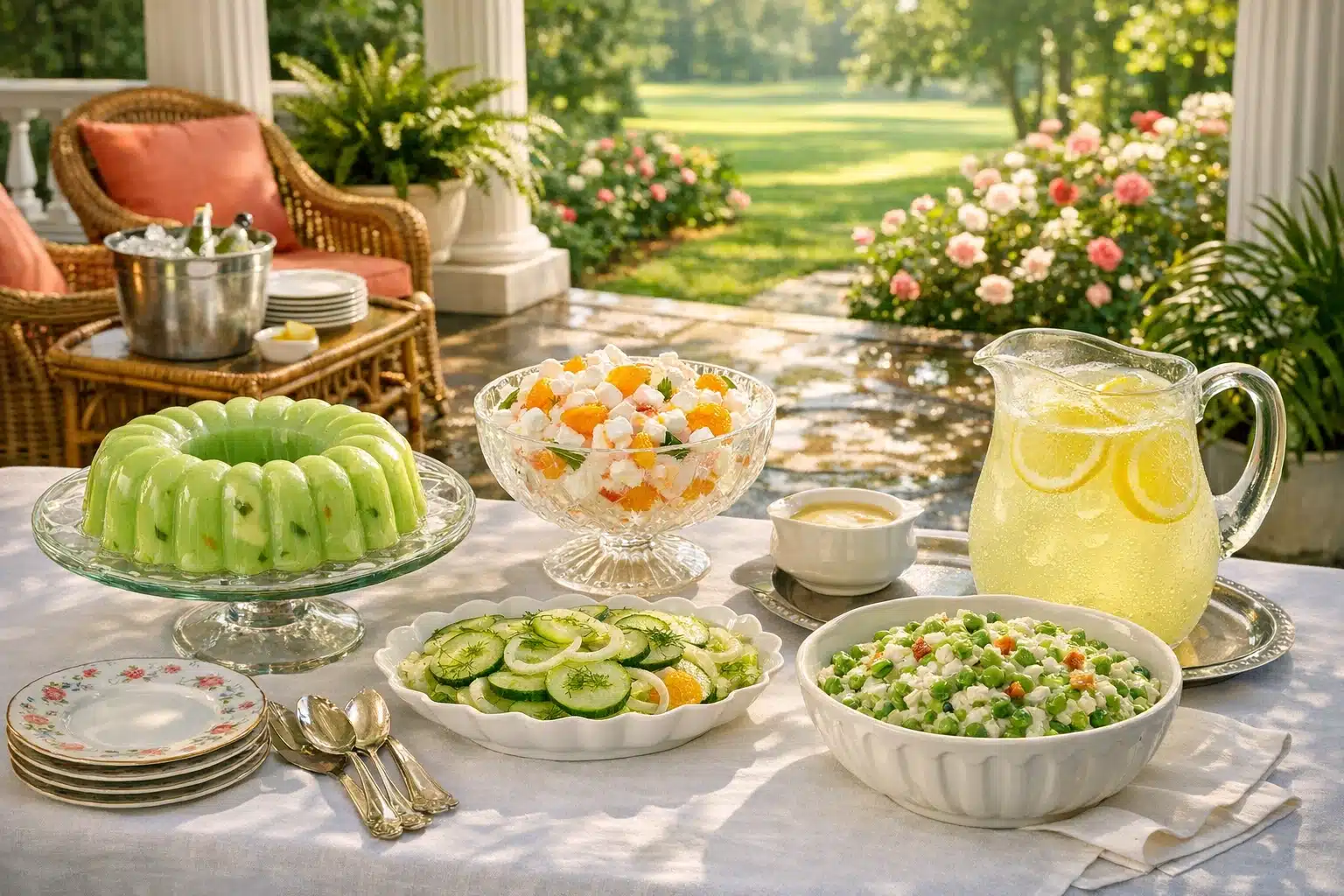
Forgotten 1960s Summer Salad Recipes for Your Next Cookout
Long before deli tubs and bagged mixes took over picnic tables, the summer salads of the 1960s brought color, thrift, and a bit of showmanship to backyard meals. Home cooks leaned on canned fruit, crisp vegetables, macaroni, gelatin, and quick dressings to feed a crowd without stretching the budget. Revisiting those dishes is more than nostalgia; it is a practical way to add variety, history, and conversation to a modern cookout.
Some of these recipes may look unusual at first glance, especially the molded salads and sweet-savory combinations, but many were built around solid ideas: seasonality, make-ahead convenience, shelf-stable ingredients, and broad appeal. The strongest candidates for a comeback are not museum pieces. They are workable, tasty side dishes that can still sit comfortably beside burgers, ribs, grilled chicken, and corn on the cob.
Outline
- The social and culinary reasons 1960s salads became cookout staples.
- Creamy and molded classics that once defined the cold sideboard.
- Vinegary vegetable salads that traveled well and improved with time.
- Hearty pasta, potato, and protein salads built to feed a crowd.
- Practical ways to adapt, store, and serve these dishes today.
Why 1960s Summer Salads Deserve a Return
To understand why these salads matter, it helps to remember what a summer cookout looked like in the 1960s. Backyard entertaining was becoming more common, suburban shopping habits were changing, and supermarkets were stocked with a growing range of canned produce, bottled dressings, mayonnaise, boxed gelatin, and frozen vegetables. By that point, refrigerators were standard in most American homes, which made chilled dishes far easier to prepare ahead than they had been in earlier decades. A salad did not just add greens to the table. It added convenience, color, and a quiet kind of domestic strategy.
That strategy matters even now. Cookouts are chaotic by nature. Someone is watching the grill, someone forgot ice, children are darting around with paper plates, and a side dish that can be made in the morning is instantly useful. Many 1960s salads were designed exactly for that setting. They could be mixed hours in advance, improved as flavors settled, and stretched modest ingredients into something that looked generous. A bowl of three-bean salad, for example, could feed far more people than a platter of sliced tomatoes, and a molded fruit salad could double as both side dish and dessert-adjacent treat.
These salads also reflected a different balance of taste. Modern cookout menus often lean heavily toward smoke, salt, and heat. The older salads offered contrast. Sweetness softened grilled meats. Vinegar cut through fat. Creamy textures cooled spicy sauces. Even recipes that seem odd now, such as lime gelatin salads with cottage cheese or fruit, were solving a real menu problem: they brought temperature contrast and visual interest to the plate. A beige cookout meal suddenly looked festive when a bright green ring mold or pink fruit salad appeared on the table.
There is also a budget argument for bringing these dishes back. Many vintage salads rely on affordable pantry staples:
- canned beans
- frozen peas
- potatoes
- macaroni
- eggs
- onions and celery
Those ingredients are still cost-effective compared with specialty greens, imported cheeses, or elaborate deli sides. For hosts feeding ten or fifteen people, that matters. A revived 1960s salad table can be charming, but it is also practical.
Most important, these recipes invite personality. A cookout becomes more memorable when it serves something guests did not expect. Not every vintage salad deserves revival, but the better ones have structure, history, and flavor logic on their side. They remind us that side dishes can do more than fill space. They can tell a story, start a conversation, and bring a little retro sparkle to the picnic table.
Creamy and Molded Classics Worth Rediscovering
If one category defines the cold salad table of the 1960s, it is the creamy and molded salad. These dishes were theatrical in a way modern cookout sides rarely are. A ring mold shimmering in the sun, a pastel bowl dotted with fruit, or a chilled pea salad studded with cheddar cubes could make the buffet feel almost celebratory. While some of these recipes have become punchlines, several are genuinely useful when handled with a lighter touch.
Start with sweet pea salad, one of the most dependable retro cookout options. The basic version uses thawed frozen peas, small cubes of cheddar, minced red onion, celery, mayonnaise, and a little acidity from vinegar or lemon juice. Some cooks add bacon, though it is not essential. Compared with modern chopped vegetable salads, pea salad is softer, sweeter, and colder. That is exactly why it works beside grilled sausages or smoky chicken. The peas pop, the dressing coats without becoming heavy, and the cheddar adds enough sharpness to keep the sweetness in line. If you want a practical update, use half mayonnaise and half sour cream, season more boldly with black pepper, and chill it for at least an hour so the onion mellows.
Then there is the lime gelatin and cottage cheese salad, the dish many people remember from church suppers and family reunions. At its simplest, it combines lime gelatin, crushed pineapple, cottage cheese, and sometimes chopped pecans or whipped topping, all set in a mold. The flavor sounds strange on paper, but the logic is clear: sweet, tangy, creamy, cold, and easy to slice. Compared with a modern fruit salad, it is richer and more structured. Compared with cheesecake salad or dessert fluff, it is less sugary and often lighter in texture. If you want to keep the spirit while making it friendlier to current tastes, cut back on added sweetness, use pineapple packed in juice, and serve modest slices rather than oversized wedges.
Ambrosia is another candidate for revival. In the 1960s, it often featured mandarin oranges, pineapple, coconut, mini marshmallows, and a creamy base made from sour cream, whipped cream, or a mix of both. The texture sits somewhere between fruit salad and dessert, which makes it especially good at cookouts where menus already blur lines between savory and sweet. A small spoonful beside salty ham or grilled pork can be surprisingly effective. It is not a green salad substitute, and it should not pretend to be. It is a vintage side that works when treated as a cool, sweet contrast.
The best way to think about these dishes is not as relics, but as category pieces with modern potential:
- pea salad for salty and savory balance
- gelatin mold for visual nostalgia and make-ahead ease
- ambrosia for a sweet counterpoint in small portions
Handled with restraint, these creamy classics stop feeling kitschy and start tasting smart.
Marinated Vegetable Salads That Improve Overnight
If creamy salads were the showboats of the 1960s, marinated vegetable salads were the quiet workhorses. They traveled well, held up in warm weather better than leafy greens, and often tasted better after a night in the refrigerator. That last trait is especially valuable for modern hosts, because the make-ahead advantage reduces the pressure on cookout day. Instead of chopping vegetables while guests arrive, you pull out a bowl that is already seasoned, chilled, and ready to serve.
Three-bean salad is perhaps the strongest example. The classic formula uses green beans, wax beans, kidney beans, sliced onion, and a sweet-sour dressing built from vinegar, sugar, oil, salt, and pepper. Some versions add celery seed or chopped celery for crunch. Compared with a modern quinoa or grain salad, three-bean salad is less trendy but more durable. It can sit for a while without wilting, and the dressing keeps working as the beans absorb flavor. The sweetness, when balanced properly, rounds out the acidity rather than overpowering it. If you find vintage recipes too sugary, reduce the sugar by a third and add a little Dijon mustard for bite. The result still feels old-school, but it lands better with current tastes.
Cucumber and onion salad is another 1960s staple that deserves more attention. Thin slices of cucumber and onion are dressed with vinegar, water, sugar, salt, and sometimes dill or black pepper. Some households used sour cream instead, but the sweet-sour version is especially cookout-friendly because it stays lively and refreshing. Compared with creamy cucumber salad, it is sharper and cleaner. Compared with a lettuce salad, it asks less of the host and can be made far in advance. The longer it sits, the more the onions mellow and the cucumbers pick up flavor, though they should still retain some crispness. Served icy cold, it can be the most refreshing dish on a table heavy with meat.
Carrot-raisin salad also belongs in this conversation, even if it divides opinion. The usual version combines grated carrots, raisins, and a lightly sweet dressing based on mayonnaise or sour cream, sometimes brightened with lemon juice or crushed pineapple. On paper it sounds simple, and it is, but its appeal lies in contrast: earthy carrot, chewy fruit, creamy dressing, and a touch of tang. Compared with modern slaws, it is sweeter and less acidic, yet it works well with grilled food because it is crisp and cool.
For hosts who like structure, these marinated salads succeed because they follow a few timeless rules:
- acid keeps rich grilled foods from feeling too heavy
- firm vegetables travel better than tender greens
- overnight chilling often improves flavor
- pantry staples keep costs predictable
They may not be flashy, but these are the bowls guests return to after the first round, once they realize the cookout needs something bright to keep the whole meal in balance.
Hearty Crowd-Feeding Salads of Pasta, Potatoes, and Protein
No discussion of forgotten 1960s summer salads is complete without the hearty dishes that could nearly stand in for the main course. These were not delicate sides. They were substantial, cold, filling, and built for long folding tables where everyone expected seconds. In today’s language, we might call them meal-prep friendly or high-satiety dishes. In 1964, they were simply smart cooking.
Deviled egg potato salad is one of the strongest examples. Unlike a plain potato salad, this version leans into the flavor profile of deviled eggs: mustard, mayonnaise, chopped hard-boiled eggs, pickle relish, celery, onion, paprika, and sometimes a splash of pickle brine. The result is more assertive than many modern deli versions, which can taste flat or overly sweet. Potato salad has never truly disappeared, but the deviled egg style is less common now, and that is a shame. It brings texture from chopped egg, acidity from pickles, and enough richness to match burgers or barbecued chicken. The key is to dress the potatoes while they are still slightly warm so they absorb seasoning, then chill thoroughly before serving.
Tuna macaroni salad was another staple that deserves a better reputation than it often gets. In the 1960s, it usually included elbow macaroni, canned tuna, peas, celery, onion, chopped bell pepper, and a mayonnaise dressing sharpened with lemon juice or vinegar. Compared with basic supermarket macaroni salad, it is more complete and more savory, almost halfway between a pasta salad and a composed lunch. The peas add sweetness, the tuna adds protein, and the celery keeps the bowl from going soft. When done well, it is not gloppy. It is balanced, cool, and surprisingly satisfying.
A less obvious revival candidate is curried chicken rice salad, a recipe that reflects how American home cooking in the 1960s began absorbing broader flavor influences, even if in gentle, simplified form. Typical versions combined cooked rice, diced chicken, curry powder, celery, grapes or pineapple, and a creamy dressing. Sometimes toasted almonds were added for crunch. Compared with modern chicken salad, this version is more aromatic and more substantial. Compared with a hot rice dish, it is easier to serve outdoors. The sweet fruit and mild curry may feel dated to some palates, but when handled carefully they create an appealing bridge between familiar and adventurous.
These hearty salads share several practical strengths:
- they can feed a large group without expensive ingredients
- they pair well with grilled meats yet can also serve as a light meal
- they hold flavor well after refrigeration
- they create texture contrast on a plate dominated by soft buns and grilled proteins
Picture them on the table and the scene nearly builds itself: paper plates, glass pitchers of iced tea, a lawn chair sinking slightly into the grass, and a generous spoonful of something creamy and chilled beside the smoky main course. That is not just nostalgia. It is menu planning with staying power.
How to Serve These Vintage Salads at a Modern Cookout
Reviving 1960s salads does not mean serving them exactly as written in every old community cookbook. The smarter approach is to preserve the character of the dish while adjusting for today’s preferences, ingredient quality, and food safety standards. That balance is what turns a novelty into a repeat recipe.
Start by choosing range, not excess. A good cookout spread usually needs contrast more than quantity. Instead of making five creamy sides, aim for one sweet or creamy salad, one sharp vegetable salad, and one hearty starch-based salad. That gives guests options without overwhelming the table. For example, you might pair pea salad with three-bean salad and deviled egg potato salad. Or you could serve ambrosia in small bowls, cucumber-onion salad in a chilled dish, and tuna macaroni salad as the filling option.
Small updates can make a big difference without erasing the vintage feel:
- replace part of the mayonnaise with sour cream or plain yogurt for extra tang
- use fresh lemon juice, dill, or parsley to sharpen older flavor profiles
- reduce sugar slightly in bean and cucumber salads if your guests prefer less sweetness
- season more assertively with black pepper, mustard, or vinegar so cold dishes do not taste dull
- serve sweet salads in smaller portions, treating them as accent dishes rather than centerpieces
Presentation helps too. Older salads often looked best when they were given shape, color contrast, and a proper chilled bowl. You do not need a dramatic gelatin ring to capture the mood, though you can certainly use one if you enjoy the retro flair. A white serving dish, a scattering of paprika on potato salad, fresh dill over cucumbers, or a ring of lettuce under a molded salad can give the spread a vintage nod without making it feel like costume food.
Food safety is the non-negotiable modern update. The United States Department of Agriculture advises that perishable foods should not sit out for more than two hours, or more than one hour when the temperature is above 90 degrees Fahrenheit. That matters for mayonnaise-based salads, egg salads, tuna salads, and chicken salads in particular. Keep bowls cold with nested trays of ice, bring out smaller portions instead of one large bowl, and refill as needed from the refrigerator.
A simple hosting timeline makes these dishes even easier:
- the night before: prepare bean salads, cucumber salads, and molded salads
- the morning of the cookout: make potato, pasta, and pea salads
- just before guests arrive: garnish, portion, and set out only what will be eaten soon
For today’s cook, that is the real charm of these recipes. They reduce last-minute stress, stretch the budget, and make the meal feel distinct. The past is not always worth repeating, but in the case of many 1960s summer salads, it can be surprisingly delicious to borrow from it.
Conclusion for Your Next Cookout
If you are the kind of host who wants more than the usual bowl of generic pasta salad, these forgotten 1960s recipes offer a useful place to look. They bring make-ahead ease, crowd-friendly portions, and the kind of contrast that grilled food needs: creamy beside smoky, tangy beside rich, sweet beside salty. The smartest approach is not to recreate every old recipe exactly, but to choose the ones with solid flavor foundations and update them with fresher produce, better seasoning, and careful serving. Try one molded or creamy classic, one marinated vegetable salad, and one hearty potato or pasta dish, and your cookout table will instantly feel more thoughtful. In a season built around gathering outdoors, these vintage salads prove that a side dish can still be practical, memorable, and full of character.