 Artificially generated image
 PVC Wall Panels: An Information Guide
PVC wall panels have moved well beyond the image of plain utility cladding and now play a serious role in modern interior renovation. Homeowners, landlords, renovators, and business owners look at them because they offer an appealing blend of speed, durability, and easy care. This guide explores what PVC wall panels are, where they perform best, how they compare with familiar wall finishes, and which details matter before purchase. If you want a wall solution that can handle daily wear without becoming a constant chore, this topic is worth a closer look.
What PVC Wall Panels Are and Why They Matter Today
PVC wall panels are interior wall covering products made from polyvinyl chloride, a widely used plastic known for its light weight, moisture resistance, and versatility in manufacturing. In simple terms, they are panels designed to cover existing walls or form a finished surface on new ones. They often click or slot together through tongue-and-groove edges, which helps create a neat, continuous appearance with fewer visible joints than many tile layouts. For many buyers, that combination of function and simplicity is the main attraction.
They matter today because renovation priorities have shifted. People do not only ask how a wall will look on the day it is installed; they also ask how it will age, how much effort it will demand, and how disruptive the installation will be. In bathrooms, utility rooms, kitchens, and small commercial interiors, PVC wall panels answer these practical questions rather well. They can be fitted over prepared surfaces, they resist splashes better than painted plaster, and they usually need less maintenance than grout-heavy finishes.
It helps to begin with a clear roadmap. This guide is structured to answer the questions most buyers raise before spending money:
- What exactly are PVC wall panels, and how are they made?
- Which types, thicknesses, and surface styles are commonly available?
- How do they compare with tiles, paint, laminate, or timber cladding?
- What are the real-world strengths and limitations?
- How should you approach installation, maintenance, budgeting, and final selection?
Part of the growing interest also comes from the pace of modern projects. A family updating a tired bathroom may not want the dust, drying times, and contractor coordination that some traditional finishes require. A landlord may want a durable wall surface between tenancies. A café owner may need a cleanable wall material for a service corridor. In each case, PVC panels enter the conversation because they can reduce downtime while still offering a finished look.
That said, PVC wall panels are not a magic answer for every room. Their quality varies widely. Some look crisp and contemporary, while lower-grade versions can feel flimsy or overly glossy. Their long-term success depends on product thickness, installation quality, joint sealing, substrate condition, and the environment in which they are used. The rest of this guide moves beyond the sales brochure and into the useful middle ground: practical, measured, and realistic.
Types, Construction, Sizes, and Surface Finishes
Not all PVC wall panels are the same, and understanding the range is one of the smartest things a buyer can do. Most panels are built with a decorative outer layer and a rigid or semi-rigid core. Many are hollow-core designs with internal chambers that keep weight down while preserving enough stiffness for vertical installation. Others are denser solid-core panels, sometimes marketed for a more premium feel or higher impact resistance. The difference matters because a panel that looks attractive in a display rack may behave quite differently once it is fixed to a real wall.
Thickness is one of the first specifications to examine. In many markets, common options range from around 5 mm to 10 mm, though thicker specialty products exist. Thinner panels can be more affordable and easier to cut, but they may flex more and show substrate imperfections if the wall behind them is uneven. Thicker panels tend to feel sturdier and may deliver a more substantial finish, which is useful in busy settings. Panel width and length also vary. Narrower planks can create a more traditional cladding effect, while wide sheets reduce the number of seams and may suit shower enclosures or minimalist interiors.
Surface finish is where PVC panels have become far more interesting than their old reputation suggests. Buyers can now choose from a range of visual styles, such as:
- Gloss white for bright, easy-clean bathrooms
- Matte finishes for a softer, more modern appearance
- Marble-effect patterns that mimic stone without the weight
- Wood-look designs for warmth in utility or feature areas
- Tile-effect prints for those who like the look of tiling with fewer joints
Some panels are printed, some are laminated, and some include textured surfaces. The better products typically show cleaner print definition, more believable pattern depth, and a more robust wear layer. A close look often reveals the difference. If a faux marble design appears flat, repetitive, or unnaturally shiny, it may not deliver the look expected once installed across a full wall.
Buyers should also pay attention to connection systems and accessories. Internal corners, external corners, start trims, end caps, H-joints, and matching ceiling trims all shape the final appearance. A panel may seem economical on its own, but the total system cost includes these finishing pieces. Likewise, waterproof claims should be read carefully. PVC itself resists moisture, but true wet-area performance depends on sealed joints, proper trims, and compatible installation methods.
In short, material, thickness, format, and finish all influence performance. Choosing the right type is less about chasing a fashionable pattern and more about matching the panel to the room, traffic level, moisture exposure, and the standard of finish you expect to live with every day.
Advantages, Drawbacks, and How PVC Panels Compare with Other Wall Finishes
PVC wall panels have earned their place in the renovation market because they solve several common problems at once. They are usually easier to clean than painted walls, less dependent on grout than ceramic tiles, and faster to install than many wet trades. In moisture-prone spaces, that can make a noticeable difference. Steam, splashes, detergent residue, and the ordinary mess of daily life are not kind to every finish, but PVC panels generally handle those conditions with less fuss. A quick wipe often does the job, which is why they are popular in bathrooms, laundries, cloakrooms, and certain commercial settings.
Another strong advantage is installation speed. A tiled wall can involve backer preparation, adhesive, layout planning, cutting, grouting, sealing, and curing time. PVC panels can often shorten that sequence, especially in straightforward rooms. For busy households, that means less disruption. For landlords or business owners, it can mean shorter vacancy or closure periods. There is also a comfort factor: panels are warmer to the touch than tile and may soften the echo of a hard room slightly, though they are not a true acoustic treatment.
Still, the picture is not one-sided. PVC panels also come with limitations that sensible buyers should weigh. Compared with high-end tile, they may not offer the same depth, prestige, or tactile quality. Compared with well-finished plaster and premium paint, they can look more obviously manufactured, especially in lower-cost ranges. Exposure to high heat can be an issue near certain cooktops or heat sources unless the product is rated and installed appropriately. Surface damage can also be tricky; while panels are durable in general use, deep scratches or dents may be harder to repair invisibly than repainting a wall.
A quick comparison helps put the trade-offs into perspective:
-
Paint: lower material cost and broad color freedom, but weaker against constant moisture and usually more vulnerable to scuffs and stains.
-
Ceramic tile: excellent longevity and premium feel, but higher labor complexity and more grout maintenance.
-
Wood cladding: warm and characterful, yet often less suitable for wet zones and more demanding in maintenance.
-
Laminated wall boards or composite panels: sometimes more premium in look, but often higher in price.
The best way to view PVC wall panels is as a practical finish with specific strengths. They are not trying to be handmade stone or bespoke joinery. They are a solution for people who value speed, moisture resistance, manageable cost, and easy upkeep. If those priorities lead your project, the benefits can be compelling. If your main goal is luxury texture, heritage character, or architectural prestige, another finish may suit you better. Good design begins when expectations and materials stop arguing and start cooperating.
Installation, Maintenance, Durability, and Cost Planning
Installation is often where PVC wall panels win converts. Many systems are designed to be installed with adhesive, mechanical fixing, or a combination of both, depending on substrate condition and manufacturer guidance. Panels may be fitted over sound existing surfaces such as tiles, plasterboard, plywood, or prepared masonry, provided the wall is clean, dry, and reasonably level. That does not mean preparation can be skipped. An uneven background can telegraph through thinner panels, and moisture trapped behind the system can cause problems later. The fastest-looking installation is not always the best one.
A typical project involves measuring carefully, checking plumb lines, planning the direction of the panels, and deciding where cut edges will fall. Neat trimming around sockets, windows, and plumbing points matters a great deal because wall finishes are judged up close. In wet areas such as shower enclosures, attention to sealants, trims, and joint integrity is critical. A panel itself may resist water, but a poorly sealed corner can still invite trouble. This is why many professionals stress following the manufacturer’s instructions rather than relying on generic shortcuts.
Maintenance is refreshingly simple when panels are properly installed. Most routine care includes:
- Wiping with a soft cloth or sponge
- Using mild, non-abrasive cleaners
- Drying off water spots in hard-water areas
- Checking seals periodically in wet zones
- Avoiding harsh scouring pads that can dull the finish
Durability depends on panel grade, location, and use. In a lightly used cloakroom, even mid-range panels may look good for years. In a busy commercial back-of-house corridor, impact resistance becomes more important, and a sturdier product may justify the added cost. Sunlight exposure is another factor worth noting. Some decorative surfaces can fade or shift over time if placed in strong direct light, so a bright sunroom may not be the same proposition as a bathroom with frosted glass.
Cost planning should include more than the price per panel. Buyers should factor in trims, sealants, adhesives, tools, substrate repair, labor, delivery, and waste allowance. In many cases, PVC panels can offer lower installed cost than full tiling, especially when labor savings are significant. However, premium decorative systems can narrow that gap. The most useful budgeting approach is to compare total installed cost, expected lifespan, cleaning effort, and downtime during renovation. A cheap panel that disappoints visually or fails early is not a bargain. A well-chosen panel system that saves time and holds up gracefully often is.
Best Uses, Design Tips, Buying Checklist, and Final Advice for Readers
So who should seriously consider PVC wall panels? They are often a strong fit for homeowners upgrading moisture-prone rooms, landlords seeking durable and presentable finishes, renovators working to a schedule, and small business owners who need surfaces that are practical to maintain. Bathrooms, en-suites, utility rooms, cloakrooms, kitchens, and some commercial wash areas are common choices. In these settings, the logic is straightforward: less fuss, fewer maintenance headaches, and a clean finished look. When a room has to work hard every day, quiet practicality becomes a kind of luxury in its own right.
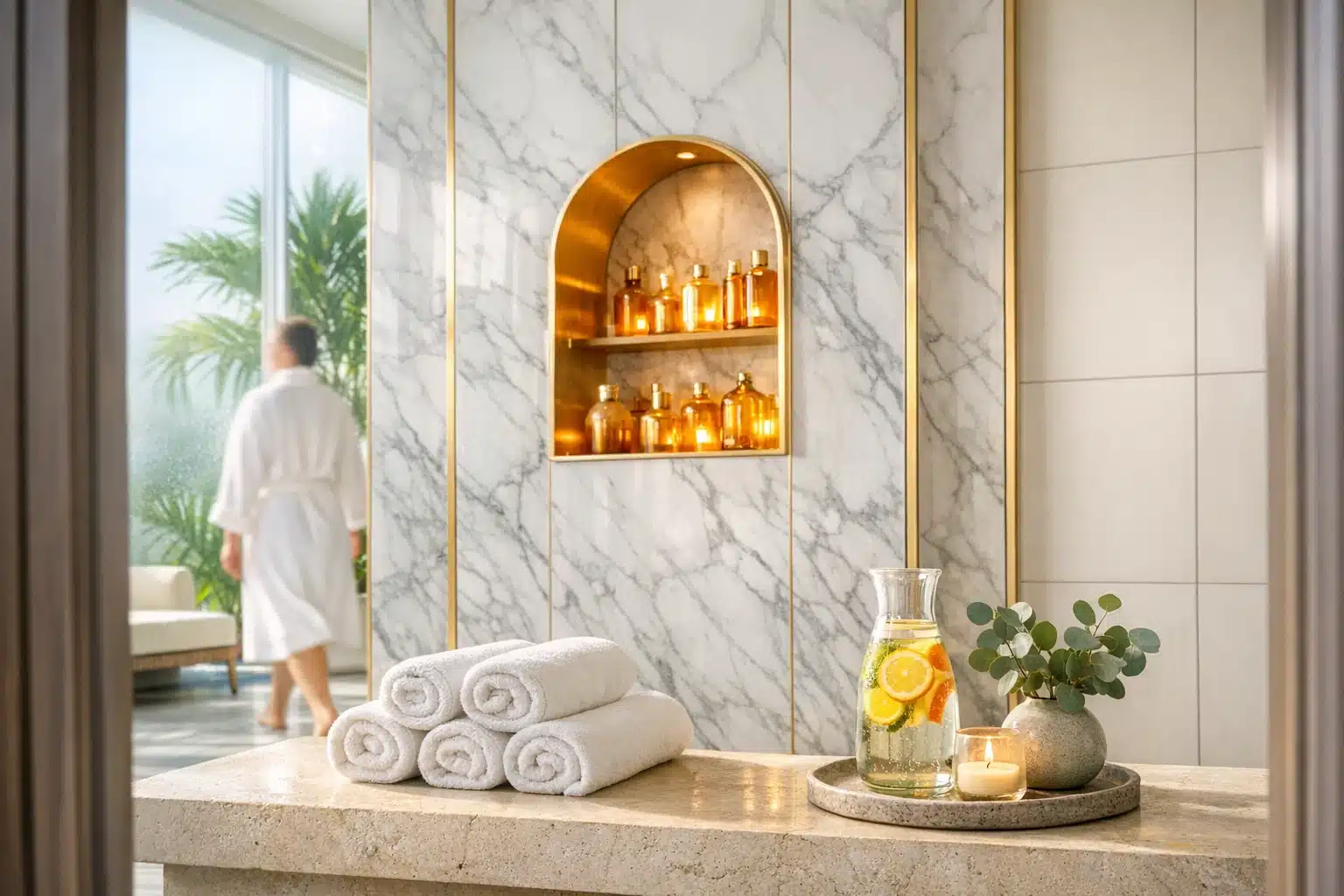
Design matters too. A bright white gloss panel can make a small bathroom feel larger, but it may also amplify reflections and reveal every water spot under strong lighting. Marble-effect panels can add drama without the cost or weight of stone, yet they work best when the pattern scale suits the room. Wood-look styles can soften utility areas or create a spa-like mood in powder rooms, especially when paired with matte black fittings or warm lighting. The trick is to think of the panel as part of a full composition rather than an isolated product sample held under showroom lights.
Before buying, use a clear checklist:
- Confirm the panel is suitable for the specific room and moisture level.
- Check thickness, edge profile, and accessory availability.
- Ask about cleaning guidance and warranty terms.
- Review fire performance and local compliance requirements where relevant.
- Order samples to assess print quality, sheen, and color in your own lighting.
- Compare full system costs, not just headline panel prices.
It is also wise to separate marketing language from day-to-day reality. “Waterproof,” “luxury,” and “maintenance-free” can sound persuasive, but every material has conditions attached. PVC wall panels still need competent fitting, sensible cleaning, and the right setting. When buyers approach them with informed expectations, they often perform very well. When they are chosen as a shortcut without planning, disappointment follows much faster than the adhesive cures.
Conclusion for Homeowners, Renovators, and Practical Buyers
PVC wall panels are best understood as a smart, functional finish rather than a universal replacement for every wall treatment. They shine where moisture resistance, quick installation, easy cleaning, and manageable project costs matter most. If you are updating a bathroom, improving a rental property, or trying to modernize a hardworking room without drawn-out disruption, they deserve serious consideration. The best result comes from matching the panel quality to the demands of the space, reviewing samples carefully, and treating installation details with the respect they deserve. Choose thoughtfully, and PVC wall panels can turn a difficult wall surface into one less thing to worry about.