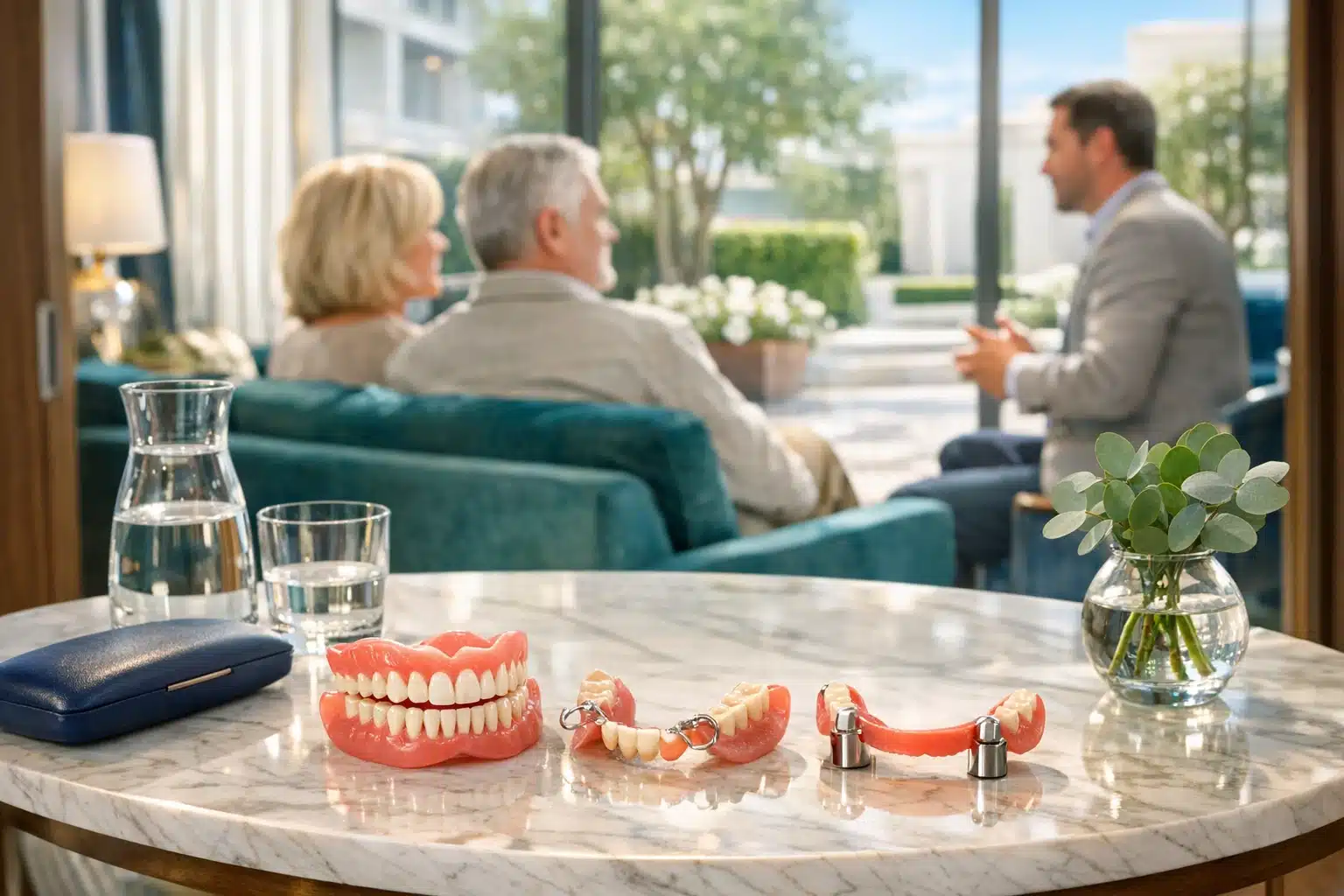
 Artificially generated image
 Aspen Dental Dentures for Seniors: Costs, Options, and What to Expect
Choosing dentures later in life is rarely just about replacing teeth; it is about eating comfortably, speaking clearly, and feeling like yourself again. Aspen Dental often enters the conversation because many seniors want a recognizable provider with multiple locations and a range of denture services. Yet the real questions are practical ones: cost, fit, materials, follow-up care, and whether the process feels manageable. This guide walks through those concerns in plain English so readers can compare options with more confidence.
Outline and Why Aspen Dental Dentures Matter for Seniors
Before diving into details, it helps to map the road ahead. This article covers five major areas: what seniors should know about Aspen Dental as a denture provider, the main denture options commonly discussed in appointments, the costs and payment questions that shape real-world decisions, the treatment process from consultation to adjustments, and the long-term experience of wearing and caring for dentures. Think of it as a conversation starter you can carry into your next dental visit, not as a substitute for individual clinical advice.
- How dentures can affect comfort, nutrition, speech, and confidence
- What types of dentures may be considered for older adults
- Why total price often includes more than the denture itself
- What the appointment timeline usually looks like
- How to compare Aspen Dental with other local options
For seniors, dentures are not a minor purchase or a casual cosmetic add-on. Tooth loss can influence chewing ability, food choices, facial support, and even willingness to socialize. A poorly fitting denture may rub the gums, slip during speech, or make crunchy and fibrous foods feel like a wrestling match. A well-made and well-adjusted denture, by contrast, can restore function and make everyday routines feel less tiring. That difference matters more with age, when nutrition, comfort, and confidence often interact in subtle but powerful ways.
Aspen Dental comes up often because it has a visible presence in the United States and offers dental services through branded practices that are independently owned and operated by licensed dentists. For some seniors, that accessibility is the appeal. A nearby office may mean shorter travel time, easier scheduling, or a simpler path to follow-up care. For others, the brand raises additional questions: Are dentures standardized from one location to another? Will the office provide enough time for adjustments? Are the quoted fees easy to understand? These are sensible questions, and they deserve careful answers.
Another reason this topic matters is that denture decisions are rarely one-size-fits-all. Two people of the same age may need completely different solutions. One senior may only need a partial denture to replace a few missing teeth, while another may be deciding between conventional full dentures and implant-supported options. Bone shape, gum health, dexterity, medications, dry mouth, diabetes control, and budget can all shape the outcome. In other words, the denture is only part of the story; the person wearing it is the rest of the plot.
That is why an informed approach is so valuable. A recognizable provider can be convenient, but convenience should stand beside quality, transparency, and fit, not replace them. Seniors and family caregivers benefit most when they understand what is being offered, what is included in the fee, what follow-up is expected, and what limitations come with each option. Once those pieces are clear, the decision becomes less foggy and far more manageable.
Denture Options Seniors May Discuss at Aspen Dental
When seniors ask about dentures at Aspen Dental, the conversation often begins with a simple question that opens a surprisingly large door: what exactly needs to be replaced? Dentures are not a single product. They are a category of solutions, and the right choice depends on how many teeth are missing, the health of the remaining teeth and gums, jawbone changes, and how much stability the patient wants. Common denture types discussed in many dental offices, including Aspen Dental locations, include complete dentures, partial dentures, immediate dentures, and in some cases implant-supported designs.
Complete dentures replace all the teeth in the upper arch, lower arch, or both. They are usually recommended when no healthy natural teeth remain in that arch. For many seniors, full dentures are the most familiar image of tooth replacement. They can restore appearance and function, but they also come with a learning curve. Upper dentures often feel more stable than lower ones because they have more surface area for suction. Lower dentures, on the other hand, tend to move more because the tongue and cheeks are constantly active. That does not mean they cannot work well; it means expectations should be realistic.
Partial dentures are designed for patients who still have some healthy natural teeth. These appliances fill gaps while relying on existing teeth for support. A partial can help preserve chewing function and may prevent remaining teeth from drifting into empty spaces. Seniors sometimes assume dentures only make sense after all teeth are lost, but that is not always true. In many cases, keeping healthy teeth and using a partial denture is the more conservative option.
Immediate dentures are placed soon after extractions so the patient does not have to go without teeth during healing. This can be emotionally reassuring and socially practical. However, immediate dentures often need relining or adjustment because the gums and underlying bone change shape as healing progresses. Conventional dentures, made after more healing time has passed, may offer a more refined fit. The trade-off is timing: immediate dentures offer speed, while conventional dentures often offer a later fit that can be easier to fine-tune.
- Complete dentures: replace all teeth in an upper or lower arch
- Partial dentures: replace several missing teeth while keeping natural teeth
- Immediate dentures: placed soon after extractions, often needing later adjustment
- Implant-supported dentures: use implants for added retention and stability
Some seniors also ask about premium materials or implant-supported dentures. Higher-end removable dentures may use more lifelike tooth shapes, improved esthetics, or stronger materials. Implant-supported dentures use dental implants to help secure the denture, which can reduce slipping and improve chewing efficiency. They are often more stable, especially in the lower arch, but they also require surgery, higher budgets, and careful medical evaluation. In short, the menu can be wide. The best choice usually balances anatomy, comfort, maintenance, timeline, and cost rather than chasing the fanciest label on the page.
Costs, Insurance, and the Real Price of Getting Dentures
If dentures were sold like a toaster, comparison shopping would be easy. In reality, denture pricing works more like a bundle of moving parts, and that is why many seniors feel confused when they first request an estimate. The denture itself is only one piece of the bill. Exams, X-rays or scans, tooth extractions, gum treatment, impressions, temporary dentures, relines, repairs, and follow-up visits may all affect the total. That is true at Aspen Dental and at many other dental providers as well.
In general, removable dentures can range from relatively modest pricing for basic models to several thousand dollars per arch for premium designs, with implant-supported options often costing much more. Because pricing changes by region, office, and treatment complexity, a headline number is rarely enough. A senior with no extractions and healthy gums may receive a very different estimate from someone who needs multiple teeth removed, tissue conditioning, and later adjustments. What appears cheaper at first can become more expensive if important services are billed separately.
That is why the most useful cost question is not “How much are dentures?” but “What does this quote include?” A clear estimate should explain whether the following are part of the treatment plan:
- Initial consultation and diagnostic imaging
- Any needed extractions or other preparatory treatment
- Immediate dentures versus dentures delivered after healing
- Number of post-delivery adjustments
- Relines, repairs, or replacement terms
- Implant placement, if applicable
Insurance can help, but many seniors discover that dental coverage has limits. Original Medicare generally does not cover most routine dental care, including standard dentures, so many beneficiaries rely on private dental insurance, Medicare Advantage dental benefits, savings, or financing arrangements. Some Medicare Advantage plans offer partial dental coverage, but annual limits, network rules, and waiting periods may apply. Medicaid benefits for dentures vary significantly by state. For that reason, seniors should verify coverage before treatment begins rather than assuming a plan will pay more than it actually does.
Financing is another common part of the conversation. Some dental offices offer payment plans or third-party financing, which can make treatment more manageable month to month. Still, affordable monthly payments do not automatically mean low total cost. Interest, fees, and repayment length matter. Reading the fine print may not feel exciting, but it is often the difference between a manageable plan and an expensive surprise waiting quietly in the shadows.
A practical approach is to request a written estimate, compare at least one other provider when possible, and ask what happens if the denture needs adjustment after the initial fitting. Seniors living on fixed incomes often benefit from asking whether a phased plan is possible, such as addressing urgent extractions first and final prosthetic work second. Price matters, but value matters more. A denture that fits well, includes follow-up care, and supports daily function may be the wiser long-term investment.
What to Expect From Consultation to Final Fit
For seniors who have not had major dental work in years, the denture process can feel mysterious at first. In practice, it usually unfolds in stages. The first appointment often includes an oral exam, a review of current symptoms, medical history, medications, and diagnostic imaging. The dentist may look for gum disease, decay in remaining teeth, oral sores, bite issues, and signs that the jawbone has changed shape over time. This early visit sets the tone, because the quality of the assessment affects every step that follows.
If teeth must be removed, the dentist will explain whether immediate dentures make sense or whether it is better to wait for healing before fabricating the final set. Seniors who want to avoid being without teeth often prefer immediate dentures, but it is important to understand the trade-off: healing gums and bone can change quickly, so the fit may evolve. That is why relines and adjustments are so common. Dentures are not carved into destiny on day one. They are more like a tailored garment that often needs fine-tuning after the first fitting.
Impressions or digital scans are then used to capture the mouth. From there, the lab and clinical team work on the shape, bite, tooth size, and overall appearance. Some patients have a try-in stage, where the position and look of the teeth can be reviewed before the final version is completed. This is the moment to speak up about concerns. If the smile looks too bright, too long, too flat, or simply unfamiliar, it is easier to request changes before delivery than after the denture is finalized.
When the dentures are delivered, do not expect instant perfection. Even a carefully made denture may create pressure spots or feel bulky at first. Speech can sound slightly different for a short time, and saliva flow may increase temporarily as the mouth adapts. Eating also takes practice. Many dentists recommend starting with softer foods, cutting food into smaller pieces, and chewing slowly on both sides when possible to help stabilize the denture.
- Ask how many adjustment visits are included
- Find out who to contact for sore spots or looseness
- Request written care instructions before leaving the office
- Clarify the timeline for relines if extractions were done recently
Follow-up appointments are not a sign that something has gone wrong; they are a normal part of the process. In fact, the offices that handle dentures well often expect several refinements. The first few weeks can feel like breaking in new shoes, except the shoes are helping you chew dinner and pronounce your grandchild’s name. Patience, communication, and realistic expectations make a real difference. Seniors who know this ahead of time tend to feel less discouraged and more in control.
Living With Dentures, Comparing Providers, and Making the Right Decision
Once the dentures are in place, the daily experience becomes the real test. A denture can look acceptable in the mirror yet still fall short if it pinches, shifts, or makes meals frustrating. Seniors often need a short adjustment period for speech and chewing, especially if they have been without stable teeth for a while. Reading aloud at home, taking smaller bites, and beginning with softer foods can help. Over time, many wearers become more comfortable, but long-term success depends on fit, maintenance, and regular checkups.
Cleaning habits matter more than many people realize. Dentures should be cleaned gently with products intended for dentures rather than harsh household cleaners or abrasive toothpaste that can scratch the surface. They should also be handled carefully, because acrylic can break if dropped on a hard sink. Even if no natural teeth remain, the mouth still needs attention. Gums, tongue, and any remaining teeth should be cleaned, and the denture should be checked periodically for wear, cracks, and looseness. A loose denture is not only annoying; it can contribute to sore spots and reduced chewing efficiency.
Many seniors also want to know whether Aspen Dental is the best place to start or whether another option may fit better. The answer depends on priorities. A multi-location brand may be appealing for convenience, scheduling, and familiarity. A private general dentist may offer a more individualized feel. A prosthodontist, a specialist in restoring and replacing teeth, may be helpful for complex denture cases, though fees can differ. Dental schools sometimes provide lower-cost care, but appointments may take longer. Community clinics can be valuable when budget is the main obstacle. No single route wins for everyone.
- Choose convenience if follow-up visits will be difficult without a nearby office
- Choose specialist evaluation if the case involves severe bone loss, repeated fit problems, or implant questions
- Choose cost transparency over flashy marketing every time
- Choose the provider who explains limitations honestly and answers questions clearly
For seniors making this decision now, the best next step is not rushing toward the first quote or the most polished brochure. It is asking smart questions and listening for clear, direct answers. What type of denture is recommended and why? How many adjustments are expected? What happens if healing changes the fit? What is included in writing? Those answers reveal a great deal about the quality of the experience to come.
Conclusion for Seniors
Aspen Dental can be a practical starting point for seniors exploring dentures, especially when location and broad service availability matter. Still, the right denture is not chosen by brand recognition alone. It is chosen through a careful match between oral health, comfort needs, treatment timeline, and budget. Seniors who take time to compare options, understand total costs, and plan for follow-up care are far more likely to end up with a result that feels useful in daily life. In the end, the goal is simple and meaningful: to eat, speak, and smile with more ease than before.