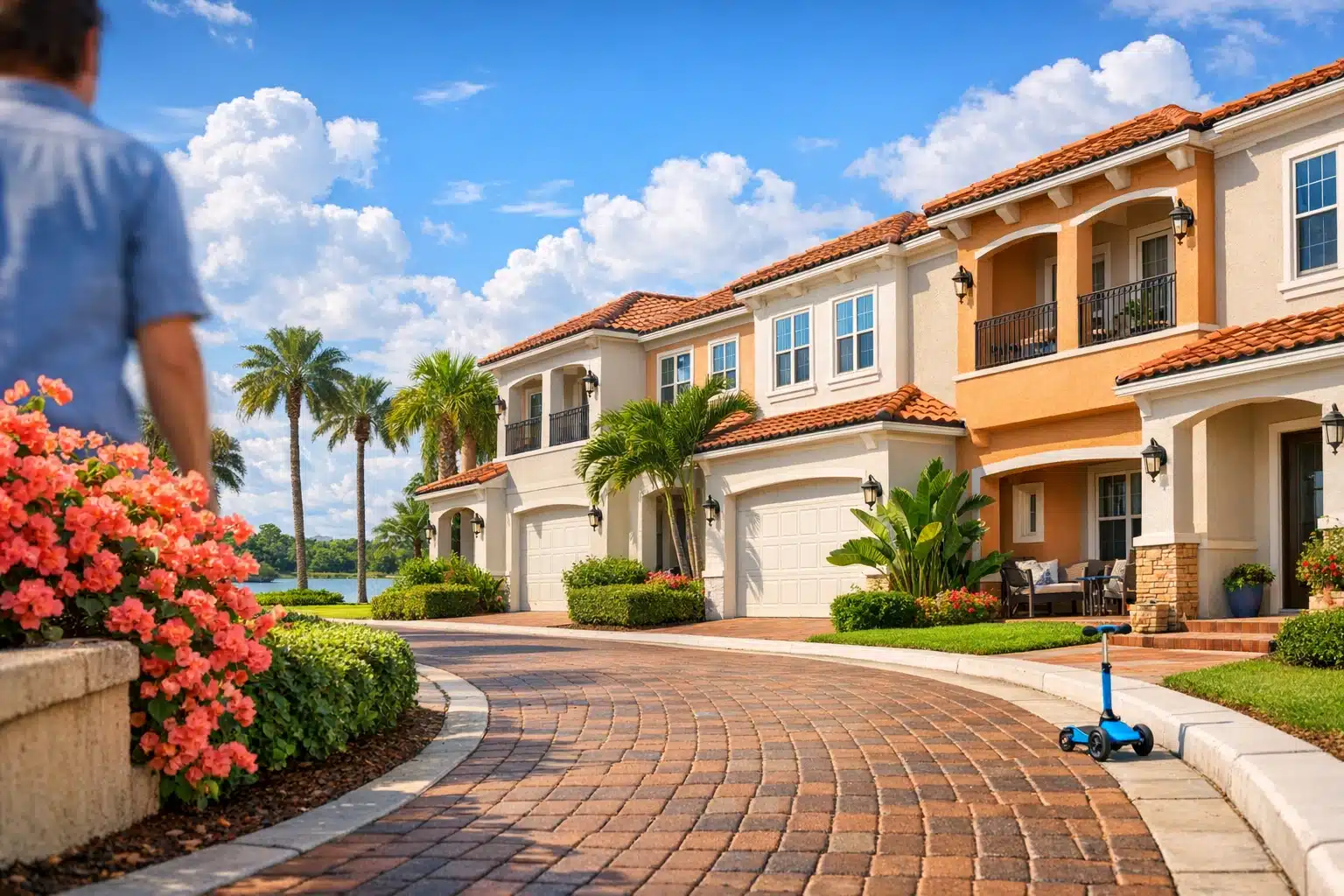
A Guide to Two-Bedroom Housing Options in Kissimmee, Florida
In Kissimmee, a two-bedroom place often represents the middle path between squeezing into a one-bedroom and paying for more house than you truly need. That balance matters in a city where work schedules, school zones, visitor traffic, and neighborhood character can change the feel of daily life block by block. Whether you are renting near shopping and highways or buying in a quieter residential pocket, the real question is not only what you can afford, but how the space supports your routine. The outline below maps the key decisions before we dig into the details.
Article Outline
- What kinds of two-bedroom properties are available in the Kissimmee market
- How neighborhoods and commute patterns affect value and comfort
- Which costs matter beyond the advertised rent or sale price
- What layouts and amenities make a daily difference
- How to search, inspect, compare, and decide with more confidence
1. Understanding the Main Two-Bedroom Housing Types in Kissimmee
When people start looking for a two-bedroom home in Kissimmee, they often imagine a single category. In reality, the market is a mixed shelf: apartments, condos, townhomes, duplexes, and smaller single-family houses can all appear under the same search filter. That matters because two listings with the same bedroom count may offer completely different lifestyles. One might give you a resort-style pool, package lockers, and maintenance on call. Another may trade those extras for a private driveway, a fenced yard, or fewer shared walls.
Apartments are usually the most visible option, especially for renters who need flexibility. In Kissimmee, apartment communities range from older garden-style complexes to newer developments with fitness rooms and gated entry. Their biggest strengths are convenience and predictable upkeep. If the air conditioner fails in the middle of a Florida summer, management usually handles it. The trade-off is less control over noise, parking, and renewal pricing.
Condos can be a smart middle ground. Some are owner-occupied, while others are rented out by individual landlords. That means quality can vary more from unit to unit than in a large apartment complex. A condo may come with stronger finishes, a better layout, or lower density, but it can also come with association rules that affect pets, parking, and moving schedules.
Townhomes appeal to renters and buyers who want a bit more breathing room. A two-bedroom townhome often includes:
- Multiple floors that separate sleeping and living areas
- A patio, small garage, or assigned parking
- More storage than a standard apartment
- A neighborhood feel that is calmer than busier rental corridors
Then there are duplexes and smaller detached homes. These are less uniform, which is exactly why some people love them. A two-bedroom bungalow or half-duplex can feel more personal and less institutional than a large complex. Families with one child, couples working hybrid schedules, retirees downsizing, and roommates splitting costs may all find these options attractive for different reasons.
The practical lesson is simple: do not shop by bedroom count alone. In Kissimmee, the right two-bedroom choice depends on whether you value privacy, maintenance support, community amenities, outdoor space, or a shorter commitment. The label gets you into the search. The property type determines how the home actually feels once the novelty fades and real life moves in.
2. Choosing the Right Area: Neighborhood Character, Access, and Daily Rhythm
Kissimmee is not one-note, and that is one of the reasons housing searches can become complicated so quickly. A two-bedroom home near Downtown Kissimmee offers a different experience from one closer to major tourist corridors, suburban planned communities, or the edges of neighboring employment zones. The smartest search starts by imagining your weekly movement rather than your dream listing photo. Where do you work, shop, study, exercise, and pick up children? How much time are you willing to spend in traffic during high-tourism periods or afternoon school runs?
For commuters, major routes are a serious part of the housing equation. Kissimmee connects to larger Central Florida patterns through roads such as US-192, the Florida Turnpike, John Young Parkway, and Osceola Parkway. There is also SunRail service from the Kissimmee station, which can matter for people traveling toward Orlando on a regular basis. A home that looks cheaper on paper may cost you more in fuel, tolls, and time if it sits far from your main routine.
Different areas also carry different personalities. For example, the Downtown Kissimmee area can appeal to people who want access to civic services, local events, and the lakefront atmosphere. Busier zones near tourism-heavy routes can place you close to jobs in hospitality, retail, and attractions, but they may also bring heavier traffic and a more transient feel. Neighborhoods such as Buenaventura Lakes or parts of the broader Poinciana-side market may attract people seeking a more residential setting, though commute times can become a bigger factor depending on the destination.
When comparing areas, it helps to rank what matters most:
- Commute length and access to major roads
- School options and after-school convenience
- Nearby grocery stores, clinics, and daily services
- Noise levels from tourism, traffic, or dense development
- Flood considerations and storm preparedness
There is also a less measurable factor: rhythm. Some streets feel settled at 7 p.m., with dog walkers and porch lights. Others stay lively deep into the evening because they serve workers, visitors, or mixed-use traffic. Neither is automatically better. The right fit depends on whether you want quiet predictability, quick access to activity, or a workable balance between the two. In Kissimmee, neighborhood choice does not simply shape your address. It shapes your mornings, your errands, and the level of friction built into ordinary days.
3. Comparing the True Cost of Renting or Buying a Two-Bedroom Home
The advertised monthly number is only the opening line of the housing story. Whether you are renting or buying in Kissimmee, the real cost of a two-bedroom home is the sum of many smaller decisions and recurring charges. This is where careful shoppers gain an edge, because a place that first appears affordable can become noticeably more expensive once fees, utilities, insurance, and transportation are added back into the picture.
For renters, the common extra costs can include application fees, security deposits, pet charges, parking fees, internet, electricity, water, renter’s insurance, and sometimes valet trash or amenity fees. In Central Florida, air conditioning is not a luxury expense; it is a normal operating cost for much of the year. That means an older unit with poor insulation or drafty windows may quietly raise your monthly bill even if the rent looks competitive.
Buyers face a different version of the same puzzle. Beyond the mortgage payment, there may be property taxes, homeowners insurance, HOA dues, maintenance reserves, and closing costs. In Florida, insurance deserves special attention. Premiums have become a major budgeting item in many parts of the state, and buyers should not assume the estimate they first hear will stay low. If a property is in or near an area with additional flood concerns, that can also affect the long-term budget.
A useful way to compare properties is to calculate the total monthly housing burden instead of focusing only on base price. Ask questions such as:
- Which utilities are included, and which are separate?
- Is parking guaranteed or first come, first served?
- Are HOA dues stable, and what do they cover?
- Will your commute add tolls, fuel, and vehicle wear?
- Does the layout reduce the need for outside storage or coworking space?
It is also worth comparing value, not just cost. A slightly more expensive two-bedroom unit may still be the better financial choice if it shortens your commute, includes laundry, lowers utility use, or avoids a second car. Likewise, a cheaper purchase can become a maintenance trap if the roof, air conditioning system, or plumbing is nearing replacement. Housing decisions are often won or lost in the hidden margins. In Kissimmee, where options range from basic to amenity-rich, the sharpest comparison is not rent versus rent or price versus price. It is total lifestyle cost versus total lifestyle benefit.
4. Layout, Features, and Amenities That Matter More Than the Listing Photos
Two-bedroom housing sounds straightforward until you step inside several floor plans and realize how differently those same square feet can behave. In Kissimmee, where residents often balance work, family life, visiting relatives, and heat-driven indoor living, layout can make a bigger difference than flashy finishes. Granite counters photograph well. A smart floor plan ages well.
One of the first things to consider is bedroom placement. A split-bedroom layout, where the bedrooms sit on opposite sides of the main living area, can be a gift for roommates, multigenerational households, or anyone using one room as a home office. It builds privacy into the design. A side-by-side layout may suit couples with a child or people who prefer a compact arrangement, but it can transfer more noise through shared walls and hallways.
Storage is another quiet hero. Closets, kitchen cabinets, linen space, and exterior storage rooms matter more than many people expect. In a two-bedroom home, one extra closet can prevent the second bedroom from becoming an accidental warehouse. Laundry setup also changes daily life. An in-unit washer and dryer, or at least hook-ups, saves time and makes the home more self-contained during stormy weather or packed workweeks.
Features worth weighing include:
- Natural light and window placement
- Ground-floor convenience versus upper-floor privacy
- Balcony, patio, or small yard access
- Kitchen work space and dining flexibility
- Bathroom count, especially for shared living
- Cell signal strength and internet reliability for remote work
Amenities can also shift the value equation. A community pool, fitness center, playground, dog area, or secure package room may seem secondary at first, yet these features often reduce the need to spend elsewhere. On the other hand, amenities are only useful if they match your habits. Paying more for a clubhouse you never enter is a bit like buying front-row concert tickets and watching from the parking lot.
There is a creative side to this search too. The right two-bedroom home should not merely contain your furniture; it should support your way of living when the tourist traffic thickens, the rain arrives sideways, or everyone in the household needs a corner at once. In that sense, layout is not decoration. It is strategy. A well-designed space makes ordinary days smoother, and that is often the difference between a place that looks fine online and a home that still feels right six months later.
5. How to Search, Inspect, and Decide With Confidence
Once you know what kind of two-bedroom home suits your life, the next challenge is avoiding rushed decisions. Kissimmee’s housing options can move unevenly. Some listings disappear quickly because they are priced well, close to job centers, or located in communities with stronger reputations. Others linger because the photos flatter the space more than reality does. Good decision-making comes from building a repeatable process rather than relying on instinct alone.
Start by setting non-negotiables before you tour anything. Decide on your maximum monthly housing budget, preferred commute time, pet requirements, minimum parking needs, and whether you need a second bathroom, ground-floor access, or an in-unit washer and dryer. This prevents you from getting emotionally attached to a beautiful but impractical unit.
During tours, do more than admire finishes. Test what daily life will actually feel like. Open cabinets. Check water pressure. Listen for road noise. Stand in the bedrooms and look for power outlets and natural light. Ask about air conditioning age, pest control, lease renewal terms, HOA restrictions, guest parking, and storm preparation procedures. In Florida, climate resilience is not a side note. It is part of livability.
A practical tour checklist might include:
- Condition of doors, windows, and seals
- Signs of moisture, stains, or musty odor
- Phone reception and internet provider options
- Parking availability at the time you would normally arrive home
- Distance to grocery stores, schools, and major roads
- Whether the lease or purchase terms include unexpected fees
For buyers, inspections are essential. A professional home inspection can reveal issues with roofing, plumbing, electrical systems, and HVAC that casual walkthroughs miss. Condo and townhome buyers should also review association documents, reserve health where available, and any rules on rentals, pets, and exterior changes. For renters, reading every line of the lease is the equivalent of inspection. Pay close attention to termination clauses, maintenance responsibility, penalties, and renewal language.
Finally, compare finalists side by side on a simple scorecard. Rate each property for cost, commute, condition, privacy, storage, and overall comfort. That last category matters. Sometimes the right place announces itself quietly, not through luxury, but through ease. It is the unit where the parking makes sense, the bedrooms are usable, the route home feels manageable, and you can picture an ordinary Tuesday working well. In Kissimmee, that kind of practical clarity is far more valuable than a listing that only wins the first impression.
Conclusion: Finding the Right Two-Bedroom Fit in Kissimmee
If you are searching for a two-bedroom home in Kissimmee, the strongest choice is rarely the one with the flashiest photos or the simplest price tag. It is the one that matches your real pattern of living, from commute and storage needs to privacy, utilities, and neighborhood rhythm. Renters should compare lease terms and everyday costs with the same care they give location. Buyers should think beyond square footage and study insurance, HOA rules, and long-term upkeep. With a clear budget, a grounded checklist, and a realistic view of how Central Florida living works, you can sort through the options and choose a home that feels useful, comfortable, and financially sensible.