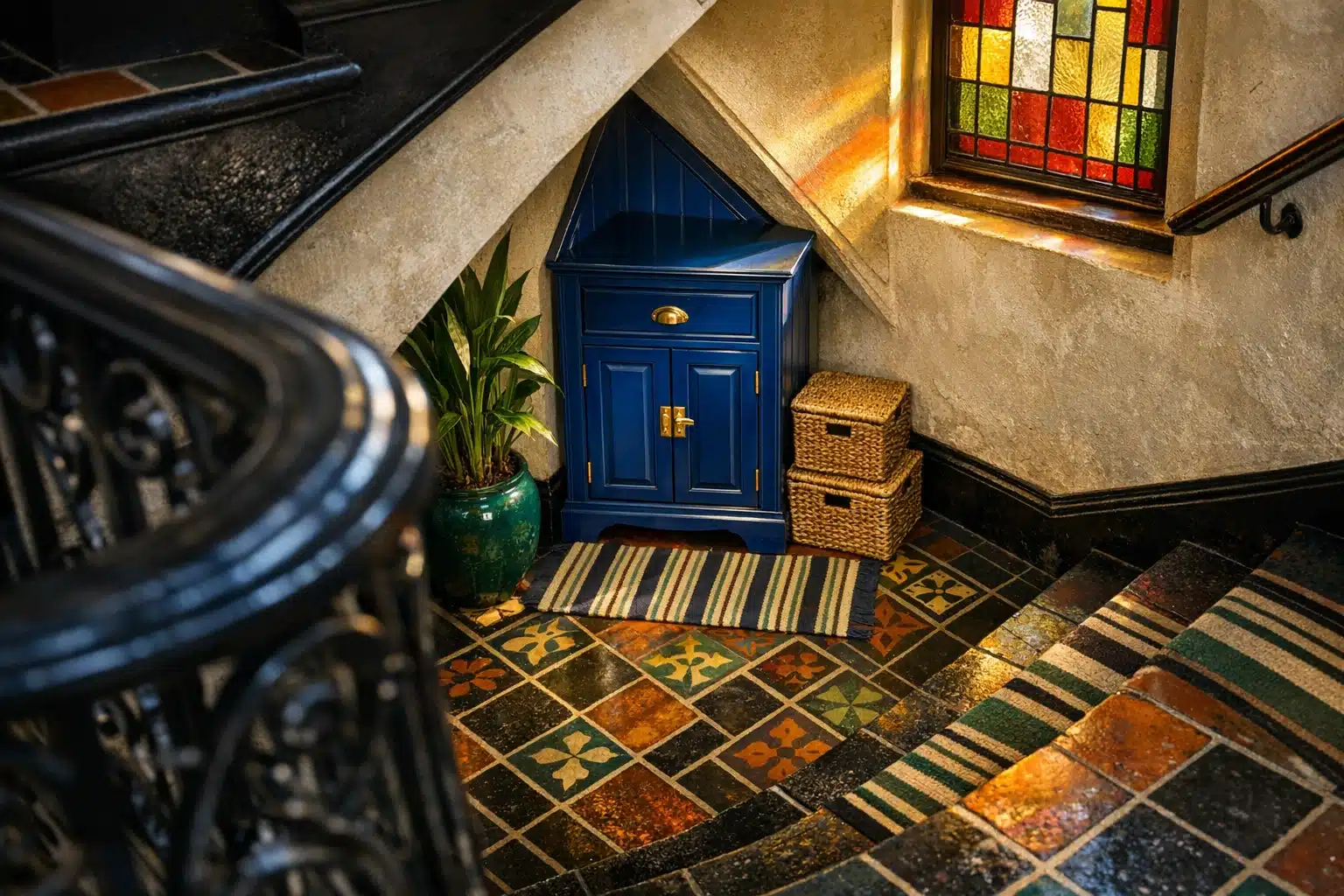
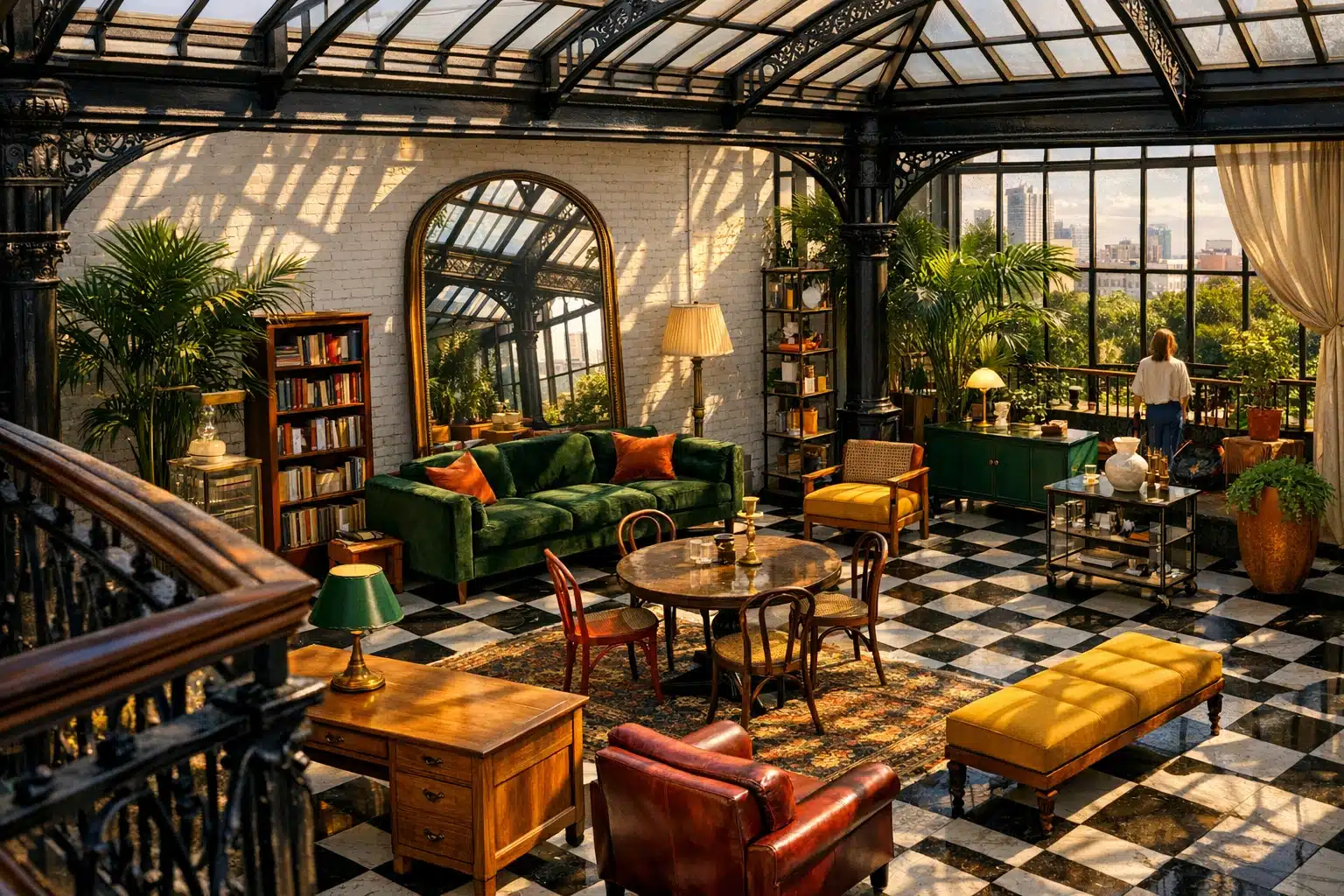
 Artificially generated image
 A Guide to Furniture Thrift Stores
Introduction
Furniture thrift stores blend budget shopping, sustainable living, and personal style in a way few retail spaces can match. One visit might reveal a sturdy oak desk, a gently used sofa, and a lamp with real personality instead of showroom sameness. For renters, homeowners, students, and families, these stores offer practical answers with a dose of surprise. This article explores how to shop wisely, judge quality, compare value, and make secondhand furniture feel like a deliberate choice.
Article Outline
1. Why furniture thrift stores matter: affordability, sustainability, and local value.
2. What shoppers can expect to find: store types, inventory patterns, and style differences.
3. How to judge quality and price: materials, construction, condition, and total cost.
4. Smart buying, cleaning, and styling: practical strategies before and after purchase.
5. Final thoughts for shoppers: who benefits most and how to begin with confidence.
Why Furniture Thrift Stores Matter
Furniture thrift stores matter because they solve several modern shopping problems at once. They can lower the cost of furnishing a home, keep usable items in circulation, and offer variety that is often missing from large chain retailers. For many shoppers, the first attraction is price. A secondhand dining table, bookshelf, or accent chair can cost far less than a comparable new item, especially when the new version uses lower-grade materials such as particleboard, thin veneers, or lightweight hardware. In contrast, older furniture found in thrift stores is often built from solid wood, heavier metal frames, and simpler but sturdier joinery.
The sustainability angle is just as important. In the United States, environmental data has shown that furniture contributes millions of tons to the waste stream over time. Much of that material includes wood, foam, textiles, springs, plastic, and metal that require energy and resources to produce. When a shopper buys a used dresser instead of a newly manufactured one, that decision may seem small, but multiplied across thousands of households it helps extend product life and reduce disposal pressure. Thrift shopping does not erase the environmental impact of consumption, yet it can be a more resource-conscious choice than buying new for every room.
There is also a cultural and practical value that is easy to overlook. Thrift stores often reflect the neighborhoods around them. Their inventory may come from estate clear-outs, downsizing households, hotel liquidations, charity donations, or people simply redecorating. That means the sales floor can feel less like a catalogue and more like a living archive of changing tastes. One corner may hold a mid-century sideboard, another a farmhouse bench, and another a nearly new office chair from a recent move.
For many buyers, the appeal comes down to three simple advantages:
• lower entry cost for necessary furniture
• greater chance of finding unique or better-built pieces
• an opportunity to shop in a more circular, less disposable way
Furniture thrift stores can also support local communities. Many are run by nonprofits, church groups, housing support organizations, or regional reuse centers. Revenue may fund social programs, job training, shelter services, or community outreach. Even privately operated thrift and consignment shops can play a useful local role by creating affordable access to household basics. In that sense, a secondhand coffee table is not always just a coffee table. Sometimes it is part of a neighborhood economy where goods, money, and usefulness stay in motion a little longer.
What You Can Find and How Stores Differ
Not all furniture thrift stores work the same way, and understanding the differences can save shoppers time, money, and disappointment. Some stores are broad donation-based operations where inventory changes daily and pricing is designed for quick turnover. Others are curated resale shops that select pieces for condition, style, or brand quality. Then there are consignment stores, vintage dealers, salvage warehouses, and charity-run home stores, each with its own rhythm. Walking into one shop may feel like a treasure hunt; entering another may feel closer to a budget showroom.
Donation-based thrift stores usually offer the widest price range. They may have basic kitchen tables, TV stands, office chairs, futons, framed mirrors, and occasional sofas all mixed together. The trade-off is inconsistency. Inventory depends on what people donate, so one week might be full of bedroom furniture while the next brings mainly small accent pieces. Condition also varies. A solid maple chest may sit beside a scratched laminate desk, and prices do not always reflect quality perfectly. That unpredictability is part of the thrill, but it rewards patience.
Consignment stores tend to be more selective. Because sellers often receive a percentage of the final sale, these shops usually prefer cleaner, newer, or more stylish items. Prices are higher than at a standard thrift store, yet shoppers may get better presentation, more accurate condition notes, and furniture that is ready to place in a home with little work. Vintage stores push curation even further. They focus on era, design language, or collectible value. A teak credenza, chrome bar cart, or postmodern lamp may be priced well above basic thrift levels, but the selection is often more cohesive.
Shoppers should also expect differences in inventory categories:
• nonprofit reuse stores often carry practical basics, including tables, bed frames, and storage units
• vintage or antique shops often emphasize design character over low price
• consignment stores often bridge the gap between affordability and presentation
• estate and salvage outlets may offer larger quantities and occasional high-quality surprises
Compared with big-box stores, thrift stores usually offer more material variety and more distinctive shapes. Compared with online marketplaces, they let you inspect items in person before paying. That matters. Photos can flatten flaws, hide odors, or distort scale, while an in-store visit reveals stability, texture, true color, and wear patterns. A chair that looks elegant online may wobble in real life. A cabinet that seems plain in a photo may turn out to be beautifully made. Furniture thrift stores reward eyes, hands, and imagination together, which is one reason many experienced shoppers keep coming back.
How to Judge Quality, Condition, and Price
The difference between a clever purchase and an expensive mistake often comes down to inspection. Furniture thrift stores can hold remarkable value, but only if the buyer looks past the excitement of a low price tag. Good secondhand shopping starts with materials. Solid wood furniture is generally easier to repair, refinish, and keep over time than particleboard or medium-density fiberboard. Metal frames can also be durable, particularly for shelving, bed frames, and industrial-style tables. Veneer is not automatically a problem, but loose edges, bubbling surfaces, and swelling can signal moisture damage or age-related wear.
Construction is the next clue. Drawers should slide with reasonable ease. Table legs should not sway when lightly pressed. Cabinets should sit level or close to it, unless the floor is uneven. Open doors and drawers, then close them again. Look underneath a chair, behind a dresser, and inside a nightstand. The most useful evidence is often hidden from the front. Dovetail joints, sturdy brackets, solid back panels, and quality screws usually suggest better construction than staples, flimsy cardboard backs, or makeshift repairs. Upholstered furniture deserves extra scrutiny because appearance alone can be misleading. A sofa can look clean from a distance and still hide sagging support, lingering odors, or stained inner foam.
Here are some practical checks that can prevent regret:
• inspect for structural cracks, loose joints, rust, water marks, and warped surfaces
• test weight and stability instead of judging by looks alone
• measure width, depth, and height, then compare them with your doorway, stairwell, and room
• check fabric for pet damage, smoke odor, mildew, or heavy wear in seat cushions
• factor in repair, cleaning, delivery, and replacement hardware before deciding that a price is low
Pricing requires a broader view than the sticker. A thrifted bookcase priced at 60 dollars may be a bargain if it is solid wood and needs only dusting. A similar piece priced at 35 dollars may actually cost more in the long run if it needs sanding, paint, missing shelf pins, and a trip across town in a rented van. Compare the thrift price with what a similar new piece costs in terms of material, durability, and expected lifespan. Many budget new furniture items are inexpensive upfront because they are designed for short-term use or simple flat-pack assembly, not for decades of service.
It also helps to separate cosmetic flaws from structural ones. A chipped finish, outdated handle, or faded stain can often be fixed without much expense. A broken frame, severe wobble, active pest problem, or deep water damage is another story. The smartest shoppers learn to ask one quiet question before committing: is this piece inconvenient now, or fundamentally compromised? That small distinction can save space, money, and a weekend of frustration.
Smart Shopping Strategies, Cleaning, and Styling Secondhand Furniture
Successful thrift shopping begins before you walk through the door. The best buyers usually have a plan, even if they remain flexible enough to embrace the unexpected. Start with measurements. Know the dimensions of the room, the wall where the item will go, and the narrowest part of the path into your home. A beautiful sideboard loses some of its magic when it cannot fit through the apartment stairwell. Photos of your space can help too, especially if you are trying to match wood tones, fabric colors, or overall scale. Think of thrift shopping less as random browsing and more as casting a net with a carefully chosen width.
Timing can also influence results. Many thrift stores restock throughout the week, while some have specific donation-processing days or markdown schedules. Asking staff when larger furniture tends to hit the floor can be surprisingly useful. Morning visits may offer the freshest selection, but later visits sometimes reveal discounted items that have sat for several days. If a store has rapid turnover, hesitation can cost you a strong piece. At the same time, impulse buying is one of the easiest ways to fill a home with furniture that does not truly fit. The art lies somewhere between decisiveness and discipline.
Once an item comes home, cleaning matters. Different materials need different treatment:
• wood usually responds well to a gentle cleaner, soft cloth, and careful polishing rather than soaking
• metal can often be cleaned with mild soap, then dried thoroughly to prevent corrosion
• glass surfaces benefit from standard glass cleaner and a lint-free cloth
• washable slipcovers can be laundered, but fixed upholstery may need spot cleaning or professional attention
For upholstered items, caution is wise. Always inspect labels if they remain attached, and test cleaners on a small hidden area first. If a sofa or armchair has a strong odor, signs of moisture exposure, or deep contamination, the restoration cost may outweigh the purchase value. Hard surfaces are usually easier for beginners because they can be cleaned, painted, waxed, or refinished with more predictable results.
Styling secondhand furniture is where practicality turns creative. A thrifted piece does not need to look eccentric unless you want it to. A simple wooden table can anchor a modern room if paired with clean lighting and neutral textiles. A vintage cabinet can become a bathroom storage unit, an entryway drop zone, or a media console. Mixing old and new often creates a more layered home than buying everything from one collection. The room feels lived in rather than staged, as if it gathered itself over time. That is the quiet charm of thrifted furniture: it arrives with a past, but it does not dictate the future. With thoughtful shopping and a little care, secondhand pieces can settle into a home as naturally as if they had always belonged there.
Conclusion: Who Should Shop Furniture Thrift Stores and How to Start
Furniture thrift stores are especially useful for people who want more value from every purchase without giving up personality, function, or durability. Students setting up a first room, young professionals furnishing an apartment, families managing changing household needs, landlords preparing rental spaces, and homeowners looking for one distinctive piece can all benefit from secondhand shopping. The appeal is not limited to bargain hunters. Design-conscious shoppers often turn to thrift stores because many older items offer better materials, more interesting shapes, and less of the uniform look that dominates mass retail.
If you are new to this world, the smartest way to begin is with low-risk categories. Start with side tables, bookshelves, dining chairs, mirrors, or storage cabinets before moving into upholstered pieces or large room anchors. Smaller items help you learn how to inspect construction, compare prices, and transport purchases without too much pressure. As your confidence grows, you can branch into dressers, desks, dining sets, and accent furniture. It is often better to buy one solid item that truly works than three cheap ones that only solve the problem for a few months.
A simple approach can keep the process focused:
• decide what you need before you shop
• set a realistic budget that includes transport and cleaning
• inspect each piece for structure first, cosmetics second
• compare the real long-term value against a similar new item
• leave space for patience, because the right find may not appear on the first trip
For target readers who want a home that feels comfortable, practical, and a little more individual, furniture thrift stores offer a strong middle path between overspending and settling. They invite slower decisions and sharper observation. Instead of clicking through endless identical listings, you get to assess weight, texture, joinery, and possibility in person. That experience teaches taste as much as it saves money.
In the end, furniture thrift stores are not just places to shop; they are places to notice. Notice what lasts, what can be repaired, what suits your space, and what reflects your way of living. When approached with care, they can help you build a home that is both economical and expressive. For anyone ready to furnish more thoughtfully, that is a very good place to start.