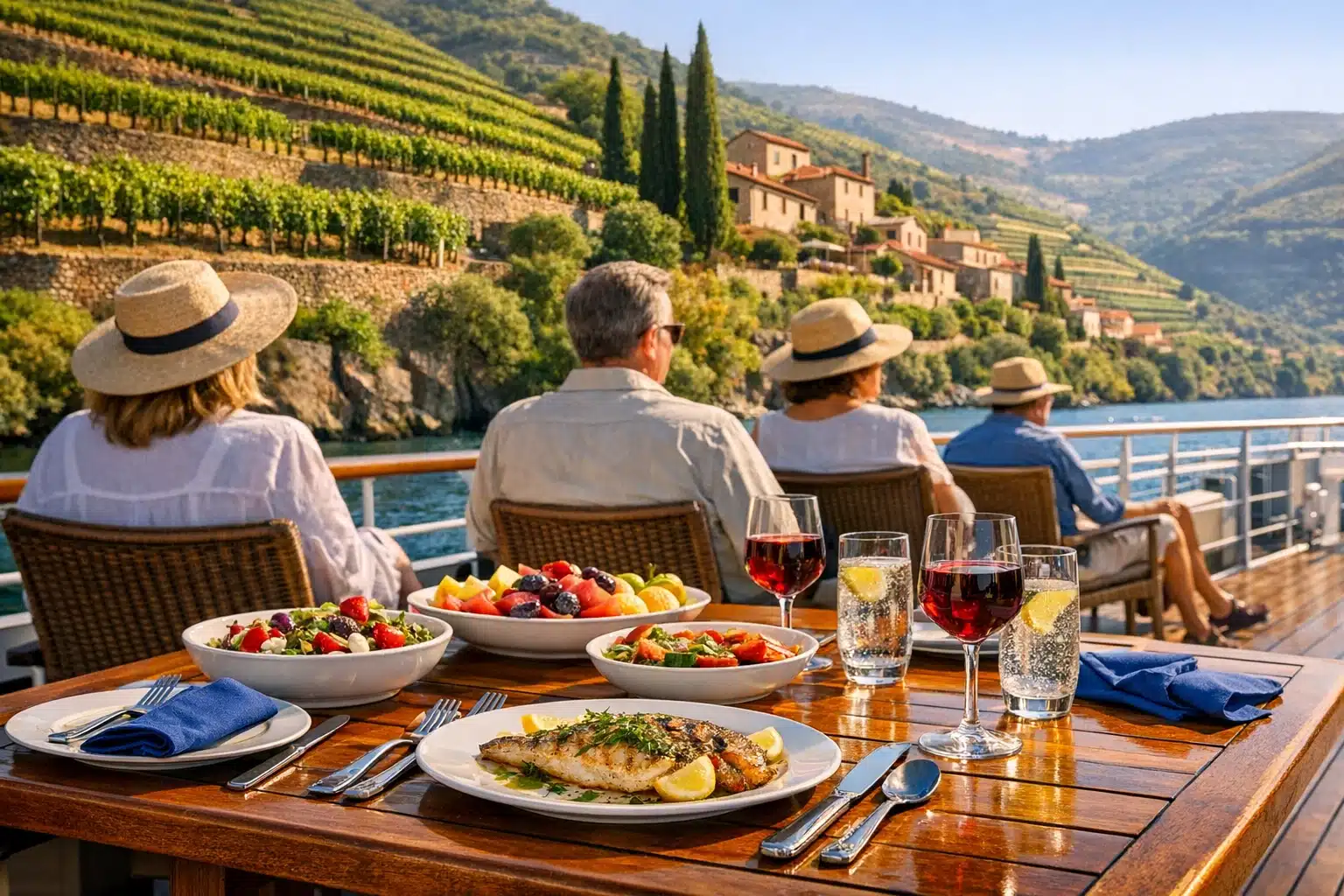
A Guide to All-Inclusive Viking River Cruises
Understanding the Appeal of Viking River Cruises
River cruising appeals to travelers who want the comfort of unpacking once while waking up in a new town almost every day, and Viking has become one of the most recognized names in that space. This guide explains what “all-inclusive” really means on Viking River Cruises, how the onboard experience compares with land travel and ocean cruising, and which itineraries fit different travel styles. If you are weighing value, convenience, and cultural depth, the details ahead can help you decide with far more confidence.
The phrase “all-inclusive” can sound wonderfully simple, yet in travel it rarely means the same thing everywhere. On a beach resort, it may suggest endless drinks, multiple restaurants, and few extra charges beyond the room key. On a river cruise, the idea is more practical and destination-focused. With Viking, the appeal usually centers on a bundled experience that combines transportation, accommodation, meals, and guided sightseeing in a way that reduces planning friction. Instead of stitching together train tickets, hotel stays, restaurant reservations, and city tours on your own, much of the framework is already in place.
That convenience matters because river cruising attracts a specific kind of traveler. Many guests are not looking for waterslides, loud nightlife, or packed entertainment calendars. They want a calmer rhythm, easier logistics, and a stronger link to the places they visit. A Viking ship often feels less like a floating resort and more like a streamlined boutique hotel that moves with you. You drift past vineyards, castles, and old trading towns, then step off close to the center of the action instead of commuting from a distant port.
This article follows a simple outline so the decision process stays clear:
• what “all-inclusive” usually covers on Viking
• what the onboard experience is actually like
• which itineraries and destinations best suit different interests
• how pricing, value, and planning compare with other travel styles
For travelers considering Europe, Egypt, or selected Asian river routes, that structure is useful. Viking is a major name, but name recognition alone does not answer the real questions. Is it worth the price? Is it truly inclusive? Does it suit independent travelers, couples, retirees, or first-time cruisers? Those are the questions that matter at booking time, and they are exactly the ones worth unpacking before the ship ever leaves the dock.
What “All-Inclusive” Usually Means on a Viking River Cruise
When people ask whether Viking River Cruises are all-inclusive, the most honest answer is this: they are broadly inclusive, but not unlimited in the luxury-resort sense. A typical Viking river fare usually includes your stateroom, daily meals on board, at least one guided shore excursion in each port, Wi-Fi, and access to onboard lectures or destination talks. On many itineraries, beer, wine, and soft drinks are included with lunch and dinner. That combination covers a large share of the trip’s essential costs, which is why many travelers experience Viking as simpler and more predictable than assembling the same journey independently.
Still, knowing what is not included is just as important. Depending on the itinerary and the booking package, airfare may be extra unless purchased through the cruise line. Gratuities are often separate. Optional premium excursions, spa services where available, laundry, and drinks outside standard meal service can add to the final bill. Airport transfers may be included when flights are booked through Viking, but policies can vary by promotion and route. In other words, “all-inclusive” here usually means “substantially bundled,” not “nothing else to pay.”
This is where comparison helps. Against a fully independent land trip, Viking can feel highly inclusive. Hotels in central European cities, intercity transport, daily breakfasts, guided tours, and restaurant spending can add up quickly when booked piece by piece. Against a luxury ocean cruise or resort, however, Viking’s inclusions are more focused on convenience and cultural access than on indulgent extras.
Typical inclusions often look like this:
• accommodation in your selected cabin category
• breakfast, lunch, and dinner on board
• one included shore excursion in most ports
• Wi-Fi access
• enrichment talks and destination-focused programming
• beer, wine, and soft drinks with lunch and dinner on many river itineraries
Common extra-cost items may include:
• gratuities
• optional excursions
• premium beverage packages or drinks outside meal times
• airfare if not part of the booking
• travel insurance
• personal purchases and laundry
The real value of Viking’s model is that it removes a surprising amount of decision fatigue. You are not constantly calculating where to eat next, how to reach the next city, or whether a local guide will show up on time. For many travelers, especially those who prefer a smoother, less fragmented trip, that bundled structure is the practical heart of the “all-inclusive” promise.
Life Onboard: Ships, Cabins, Dining, and the Daily Rhythm
A Viking river ship is designed for a very different mood than a large ocean liner. Many of the company’s European Longships carry around 190 guests, a scale that feels intimate rather than crowded. Instead of multiple pool decks, casinos, and Broadway-style shows, the focus is on clean Scandinavian design, quiet lounges, panoramic windows, and a schedule that supports the destination rather than competing with it. For travelers who like a gentler atmosphere, that can be a major advantage. The ship becomes a calm moving base camp, not the main spectacle.
Cabins tend to be efficient rather than oversized. Entry-level rooms may have smaller windows, while higher categories can include French balconies, verandas, or larger suites depending on the ship. Storage is usually smartly planned, but no one should expect sprawling resort-style accommodations. River ships are narrow by necessity, and that engineering reality shapes the room design. Even so, Viking’s cabins are often praised for thoughtful layouts, comfortable beds, and a bright, understated aesthetic that suits the slower pace of river travel.
Dining is another area where Viking leans into consistency and regional flavor instead of excess. Meals are generally served in a main restaurant, with lighter or alternative options available on some ships in more casual spaces. Menus often include both familiar dishes and regional specialties linked to the route. One evening might feature classic European comfort food, while another highlights local wines or ingredients from the countries along the river. The result is not flashy culinary theater, but a dependable dining experience that fits the itinerary.
The onboard rhythm usually includes:
• breakfast before a morning excursion
• a guided tour or free exploration in port
• lunch on board or time ashore, depending on the schedule
• afternoon sailing with scenic views
• evening talks, music, or relaxed social time
Viking also appeals to travelers because it is adults-only, with a minimum age policy that helps maintain a quieter setting. Service generally reflects that tone. Staff members are usually visible, attentive, and efficient without creating a highly formal environment. There is often a sense that the crew is helping the journey flow rather than staging constant entertainment.
Compared with ocean cruising, life onboard is less about spectacle and more about ease. You are rarely lost in a maze of venues. You can walk from your cabin to the lounge in moments. As church steeples, vineyards, and medieval bridges slide past the windows, the experience feels less like consumption and more like observation. That is a subtle distinction, but it is exactly why many travelers choose river cruising in the first place.
Choosing the Right Itinerary: Destinations, Excursions, and Seasonal Differences
One of the strongest reasons people consider Viking River Cruises is the range of destination styles available within a familiar travel format. In Europe, the best-known routes often include the Rhine and the Danube, where passengers can move through a sequence of capital cities, historic towns, castles, abbeys, and vineyard landscapes without repeated hotel check-ins. Other itineraries may focus on the Seine in France, the Douro in Portugal, or less conventional river experiences that emphasize regional culture over headline landmarks. Beyond Europe, Viking also offers select river journeys in places such as Egypt and Southeast Asia, where the structure of a guided cruise can make a complex trip feel more manageable.
The right itinerary depends less on brand loyalty and more on travel personality. A Danube route may suit travelers who want grand capitals such as Vienna, Budapest, and Bratislava, mixed with music, imperial history, and walkable old quarters. A Rhine itinerary often appeals to those drawn to castle views, German towns, Swiss connections, and postcard scenery that seems to lean in from the riverbanks. The Seine can be ideal for travelers who want a French cultural focus, while the Douro tends to attract wine lovers and guests interested in a more regional, landscape-driven pace.
Excursions matter just as much as geography. Viking usually includes at least one guided excursion in each port, and those tours often provide an efficient first look at a destination. For some travelers, that is enough. Others use the included excursion as a foundation, then branch out independently in the afternoon. This hybrid style works well because river ships often dock close to town centers, making self-guided wandering practical.
When comparing itineraries, think about these variables:
• city-heavy versus scenery-heavy routes
• the pace of daily touring
• how much free time you want
• whether you prefer iconic landmarks or smaller regional experiences
• the season of travel and likely weather conditions
Season can shape the trip dramatically. Spring brings fresh landscapes and moderate temperatures. Summer offers long daylight hours but often larger crowds and hotter afternoons. Autumn can be especially appealing for harvest scenery and wine regions. Winter holiday sailings may focus on Christmas markets, seasonal foods, and festive town squares. Travelers should also understand that river conditions matter. High or low water levels can occasionally affect schedules, port locations, or ship changes. That is not unique to Viking; it is simply part of river travel.
In practical terms, the best itinerary is the one that matches your interests, mobility, and preferred pace. A cruise that looks glamorous on paper may feel too rushed if you want slow afternoons, or too quiet if you crave more nightlife and shopping. Matching route to personality is often the difference between a good trip and one that feels effortlessly right.
Who Gets the Most Value from Viking River Cruises
Viking River Cruises often make the most sense for travelers who value convenience, cultural structure, and a calmer onboard atmosphere more than nonstop entertainment. Couples, retirees, multigenerational adult families, and first-time river cruisers are often a strong fit. The line can also appeal to independent-minded travelers who do not mind paying more for easier logistics. That may sound contradictory at first, but it is common in practice. Some travelers enjoy planning every rail segment and hotel stay themselves. Others would rather spend their time actually looking out at the river than checking transfer schedules on a phone in a station café.
Value is not just about the headline fare. It is about what the trip replaces. On a comparable land itinerary, travelers may need to budget for city-center hotels, breakfasts, transportation between destinations, local guides, restaurant meals, and the hidden cost of time spent organizing each moving part. When those elements are added together, Viking’s pricing can look more reasonable, especially in expensive regions of Europe. Fares vary widely by route, season, cabin type, and promotions, but it is common for river cruises to cost several thousand dollars per person before extras. That means the product is rarely “cheap,” yet it can still be cost-effective for travelers who want a bundled, lower-friction experience.
Before booking, it helps to budget beyond the base cruise fare:
• gratuities
• airfare and pre- or post-cruise hotels
• optional excursions
• drinks not covered in the standard package
• travel insurance
• personal spending in port
It is also wise to think about mobility and expectations. River ships are smaller than ocean liners, and some excursions involve cobblestones, walking tours, stairs, or tender logistical changes caused by river conditions. Travelers who expect a floating resort may find the experience understated. Those who want destination access, manageable group sizes, and a more relaxed social environment often find the opposite: a trip that feels elegantly practical.
For the target audience, the core question is simple. Do you want a vacation built around ease, scenery, and cultural discovery rather than constant onboard spectacle? If the answer is yes, Viking is worth serious consideration. It offers a polished way to see multiple destinations with far less logistical strain than most land-based alternatives. The strongest match is usually a traveler who values comfort over flash, learning over noise, and steady quality over gimmicks. For that person, an all-inclusive Viking river cruise is not just transportation with meals attached. It is a structured, surprisingly restful way to move through some of the world’s most memorable river landscapes.