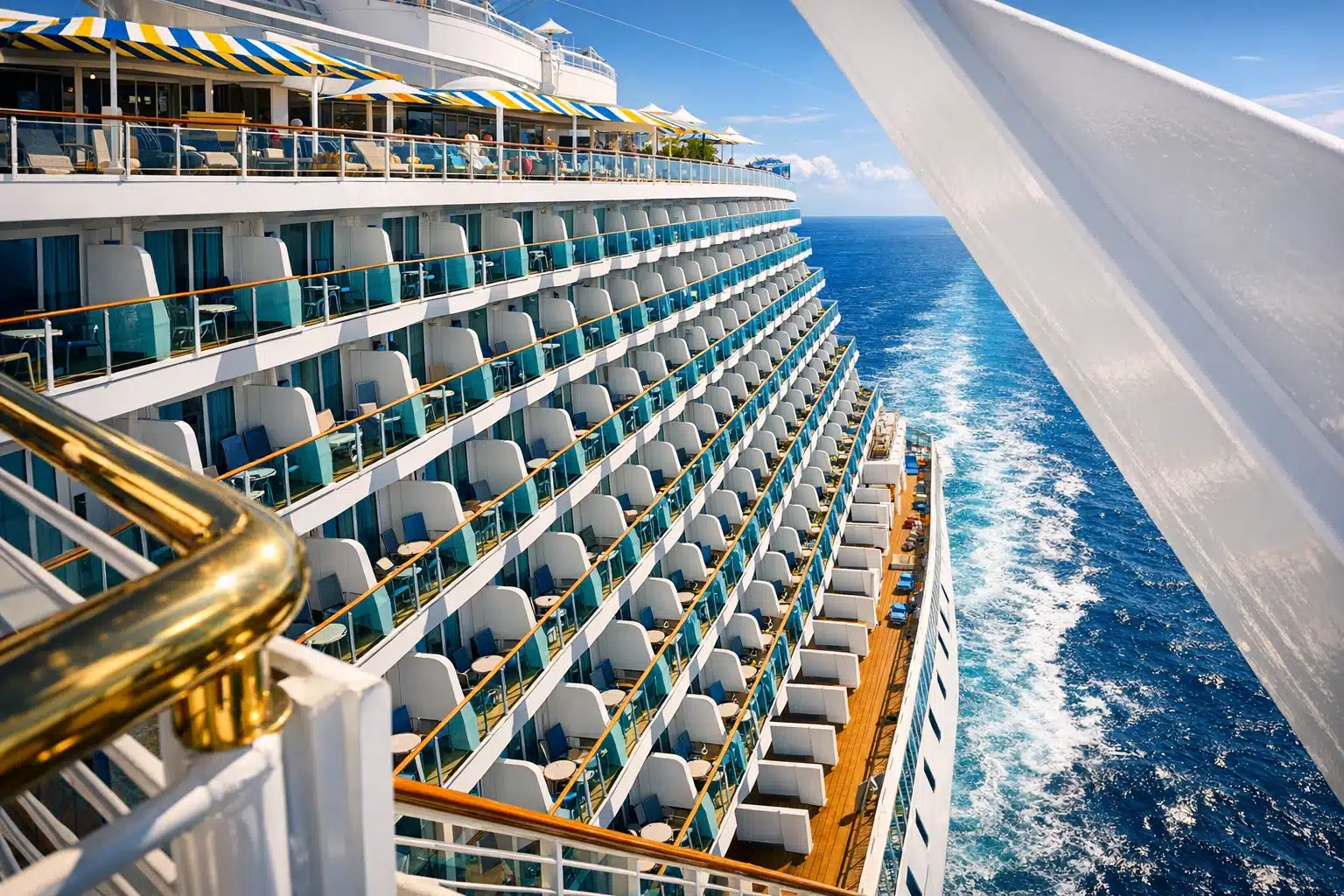
A Guide to Finding Unsold Cruise Cabins
Cruise pricing can feel like watching the tide: it rises, falls, and occasionally reveals a hidden path for travelers who are paying attention. Unsold cabins sit at the center of that puzzle, because they can turn an ordinary search into a surprisingly affordable trip or a costly mistake if the fine print is ignored. Understanding how these cabins appear, how cruise lines price them, and which deals are worth acting on helps travelers save money without sacrificing comfort or peace of mind.
Outline
- What unsold cruise cabins are and why they exist
- When and where travelers are most likely to find them
- How to search, compare, and book more strategically
- How to judge whether a discounted cabin is truly a bargain
- Which travelers benefit most and how to make the final decision wisely
What Unsold Cruise Cabins Really Are and Why They Exist
Unsold cruise cabins are exactly what they sound like: staterooms that remain unbooked as a sailing date approaches. Yet the simple label hides a more complicated reality. A cruise ship is not a single product but a floating stack of different products, from small interior rooms to premium suites with large balconies and added perks. Cruise lines try to sell every category at the highest possible rate, while also keeping the ship full enough to support onboard spending on dining, drinks, excursions, and spa services. When even a large vessel carrying several thousand guests has a small percentage of rooms left, that can still mean dozens of cabins waiting for buyers.
These vacancies happen for several reasons. Some are the result of normal churn in the booking cycle. Travelers cancel because of schedule changes, illness, family obligations, or airfare costs. Travel agencies may release unsold group allotments back into inventory. Some guests book a guarantee category and are assigned later, which can briefly change what appears available. Cruise lines also operate in a world of dynamic pricing, so fares move up or down depending on demand, timing, itinerary popularity, and competitor activity. Much like airlines and hotels, they rarely rely on one fixed price from launch day to departure.
Several common situations create unsold inventory:
- Final payment deadlines pass and cancellations return cabins to the market
- Group blocks are reduced or released
- Weather concerns weaken demand for certain regions
- Repositioning cruises attract a narrower audience than round-trip sailings
- Older ships or less popular departure ports generate softer booking patterns
It is also important to understand what unsold does not mean. It does not automatically mean the cruise is undesirable, nor does it guarantee a rock-bottom deal. Sometimes the remaining cabins are in weaker locations, such as under a pool deck or near a noisy service area. In other cases, the sailing is perfectly attractive, but the line simply needs to fill the last pockets of inventory. A Caribbean itinerary in late summer, for example, may face softer demand than a holiday sailing even if the ship itself is modern and well reviewed.
Think of an unsold cabin as leftover inventory with a story behind it. Sometimes that story is timing. Sometimes it is seasonality. Sometimes it is pure math: the ship is large, demand is uneven, and a few rooms remain. For travelers, the real skill lies in reading that story correctly. The best deals often come not from chasing the word unsold, but from understanding why the room is still there and whether its trade-offs fit your travel style.
When and Where Unsold Cruise Cabin Deals Usually Appear
If you want to find unsold cruise cabins, timing matters almost as much as destination. Many travelers imagine that the best deals always appear at the very last minute, but the market is more nuanced than that. Cruise lines often offer attractive rates at two very different stages: early in the selling cycle, when they want to build momentum, and later on, when they need to fill remaining inventory. The late-stage window gets the most attention, yet it is not the only opportunity and it is not equally useful for every traveler.
A key moment comes after final payment deadlines, which often fall roughly 75 to 120 days before departure depending on the line and itinerary. At that stage, canceled cabins may return to inventory, and pricing can shift if the ship still has open space. Another promising period is the shoulder season, when weather is acceptable but demand is less intense. In the Caribbean, for instance, late spring and parts of late summer may produce softer pricing than school holiday periods. In Europe, early spring and late autumn can sometimes offer stronger value than peak summer voyages.
Certain itineraries are also more likely to have unsold cabins than others. Repositioning cruises are a classic example. These one-way sailings move ships between regions, such as from Europe to North America or from Alaska to warmer waters, and they do not appeal to everyone because they often require flexible schedules and one-way flights. Longer sailings, departures from smaller home ports, and voyages on older ships can also see more leftover inventory. By contrast, family-focused holiday cruises, iconic Alaska departures in prime weeks, and festive-season sailings often hold pricing better because demand is naturally high.
Places and situations where deals may appear include:
- Shoulder-season Caribbean and Mediterranean departures
- Repositioning and transatlantic sailings
- Cruises from less convenient embarkation cities
- Ships that have many cabin categories to fill
- Dates just after major holidays, when demand cools
That said, geography is only one side of the equation. Your own flexibility is the other. A traveler living near a major port can benefit more from a last-minute unsold cabin than someone who must buy expensive flights across the country. An attractive cruise fare can quickly lose its shine when airfare, airport hotels, or rush document fees enter the picture. This is why experienced bargain hunters often compare total trip cost rather than cruise fare alone.
The smartest mindset is to watch patterns rather than chase myths. Unsold cabins tend to appear where demand is patchy, timing is inconvenient, or the itinerary asks more of the traveler. If that trade-off suits your schedule, you may find genuine value. If not, the cheapest room on paper may be less useful than a better-timed sailing booked earlier at a stable rate.
How to Search, Compare, and Book Unsold Cabins Strategically
Finding an unsold cruise cabin is rarely about luck alone. It usually comes from having a repeatable process, a short list of acceptable compromises, and the patience to compare details that many shoppers skip. The first step is to cast a reasonably wide net. Cruise line websites are useful because they show current inventory and promotional pricing, but they are not the only source. Reputable travel advisors, large online cruise agencies, and fare-tracking newsletters can help surface options that are easy to miss if you only check one brand at a time.
A smart search starts with a few flexible variables. If you can shift your departure by a week, sail from more than one port, or consider more than one cabin type, your odds improve quickly. Flexibility acts like a spare key in cruise shopping; it opens doors that a rigid search leaves locked. Many travelers also benefit from learning the language of cruise inventory. A guarantee cabin, often listed as GTY, may be cheaper than selecting a specific room, but the cruise line assigns the exact cabin later. That can work well for travelers who care more about price than precise location, though it carries some uncertainty.
When comparing offers, it helps to follow a simple checklist:
- Look at the total fare, not just the advertised lead price
- Check whether taxes, port fees, and gratuities are included
- Review airfare before assuming a late deal saves money
- Compare guaranteed cabins with assigned cabins in the same category
- Read cancellation and payment terms carefully
Travel advisors can be especially useful when inventory is changing quickly. A good advisor may notice group-space pricing, onboard credit offers, or category upgrades that are not obvious in a quick online search. This does not mean every deal requires an agent, but it does mean expert help can save time and reduce mistakes. If you book on your own, set price alerts where possible and check multiple times over several days rather than relying on one snapshot.
There is also a practical side to last-minute strategy that often gets overlooked. Make sure your passport is valid, your schedule is genuinely open, and your transportation to the port is realistic. It is easy to celebrate a low fare only to discover the departure is too soon to arrange flights affordably. Travelers who live within driving distance of a port often have an edge because they can move quickly without layering on extra travel costs.
Ultimately, the best booking strategy combines preparation with restraint. Watch the market, know your acceptable budget, and avoid rushing into a fare simply because the word sale is splashed across the screen. Unsold cabins reward travelers who compare carefully, act decisively when the numbers make sense, and keep enough flexibility to turn an opening into a real vacation.
How to Tell Whether an Unsold Cabin Is Actually a Good Deal
A discounted cabin can look irresistible in bold print, but the real test is value, not theater. Cruise pricing is famous for spotlighting the base fare while leaving travelers to uncover the rest on their own. An unsold cabin may indeed be cheaper than comparable sailings, yet the total trip cost can still rise quickly once fees and add-ons are counted. That is why experienced cruisers evaluate deals in layers rather than in a single number.
Start with the cabin category itself. Interior rooms are often the lowest-priced unsold option, and for travelers who treat the cabin mainly as a place to sleep, they can be excellent value. Ocean-view cabins usually cost more but add natural light and a sense of connection to the sea. Balcony cabins command a further premium, though for some travelers the private outdoor space transforms the trip. Suites may come with extra room and priority services, but the jump in price is often substantial. Comparing these categories is not just about comfort. It is about how much of your vacation you expect to spend in the room and how much that experience matters to you.
Then look beyond the fare. A true cost comparison should include:
- Taxes and port charges
- Daily gratuities
- Beverage packages or specialty dining, if important to you
- Wi-Fi, shore excursions, and travel insurance
- Flights, parking, transfers, and pre-cruise hotel stays
Location matters too. Not all cabins in the same category are equal. A cheaper balcony near a noisy public deck may be less appealing than a slightly pricier one in a quieter area. Guarantee cabins increase the risk of getting a location you would not have chosen yourself. Some travelers are comfortable with that trade. Others are not. This is where the emotional side of value quietly enters the room. Saving money is satisfying, but not if you spend the trip listening to chairs scrape overhead at dawn.
Perks should also be weighed honestly. An offer with onboard credit, prepaid tips, or a drink package can be better than a lower fare with nothing included, especially for travelers who would purchase those items anyway. On the other hand, bundled extras are less meaningful if you would not use them. A free premium dining package is not a major win if you prefer the included restaurants.
The best deal is the one that fits your habits, not the one with the loudest promotion. A cabin at a modest discount on a well-timed sailing may be far more valuable than a deeply reduced room that forces expensive flights, awkward connections, or compromises you will notice every day. Before booking, pause long enough to ask one plain question: after all costs and all trade-offs, would I still be happy boarding this ship? If the answer is yes, you are looking at value instead of marketing smoke.
Conclusion: Who Should Chase Unsold Cabins and How to Do It Wisely
Unsold cruise cabins are not a magic shortcut to luxury travel, but they can be a practical tool for the right kind of traveler. People with flexible calendars usually benefit the most. Retirees, remote workers, couples planning a spontaneous escape, and travelers who live near major cruise ports often have the easiest time turning late inventory into a worthwhile booking. They can move quickly, compare several departure dates, and avoid the high transportation costs that sometimes erase a discount. For them, an unsold cabin can feel less like a gamble and more like a well-timed opening.
Travelers with tighter schedules should be more selective. Families tied to school breaks, professionals with fixed vacation windows, or anyone who must arrange long-haul flights may find that certainty matters more than last-minute savings. In those cases, booking earlier can be the smarter financial choice, especially if it secures preferred cabin locations, easier air connections, and better itinerary options. There is no prize for waiting if the result is a cheaper room attached to a more expensive overall trip.
If you are deciding whether this strategy fits you, keep these points in mind:
- Flexibility creates the biggest advantage
- Total trip cost matters more than the headline fare
- Cabin location and category can affect comfort as much as price
- Perks only add value when you would use them anyway
- Patience and preparation usually beat impulse booking
The good news is that you do not need insider status to shop intelligently. You need a clear budget, realistic expectations, and a willingness to compare details that others skim past. Watch for cancellations after final payment dates, pay attention to seasonal demand, and know which trade-offs are acceptable before a deal appears. That way, when a tempting offer surfaces, you are making a decision instead of reacting to a countdown clock.
For readers who want better travel value without chasing empty promises, the lesson is simple. Unsold cruise cabins can absolutely be worth pursuing, but only when the numbers, timing, and travel logistics line up in your favor. Approach them with curiosity, not desperation. The sea may be wide, the ships may be enormous, and the marketing may sparkle, but smart booking still comes down to calm judgment. When you understand how these cabins work, you are far more likely to step onboard feeling clever rather than merely lucky.