A Guide to Home Depot Scratch-and-Dent Lawn Mowers
Introduction and Article Outline
Buying a lawn mower is one of those home-care decisions that feels simple until you see the price tags lined up like a challenge. Scratch-and-dent options at Home Depot can lower the cost of entry, but the real value depends on what kind of damage you are accepting, what warranty remains, and how carefully you inspect the machine. For shoppers balancing budget, yard size, and reliability, this topic matters because one smart purchase can trim both grass and unnecessary spending.
Scratch-and-dent inventory appeals to a wide range of buyers. First-time homeowners often want something practical without sinking too much money into a tool they may only use for part of the year. Experienced homeowners may view a discounted mower as a smart backup machine, especially if they already know how to maintain small engines or battery equipment. Renters with larger yards, landlords outfitting a property, and bargain hunters who do not mind minor cosmetic flaws may also find these units attractive. The catch, of course, is that no two markdowns are alike. A scuffed deck is one thing. A bent wheel mount or poorly running engine is another story entirely.
At many large home improvement stores, including Home Depot locations, these mowers may appear as customer returns, display units, box-damaged products, or seasonal clearance items with minor wear. That means the label tells only part of the story. The rest comes from your own inspection, your understanding of mower types, and your willingness to walk away when the discount does not justify the risk. Think of it like buying a jacket off the clearance rack: a loose thread is fine, but a broken zipper changes the deal.
This guide is organized to help you move from curiosity to confident decision-making. Here is the outline of what follows:
- What scratch-and-dent usually means for lawn mowers and how it differs from a standard new purchase
- How to inspect a mower, compare prices, and judge whether the markdown is meaningful
- Which shopping strategies improve your odds of finding a genuinely useful bargain
- How different buyer types, yard sizes, and mower categories affect the value equation
- A practical conclusion aimed at shoppers who want savings without avoidable headaches
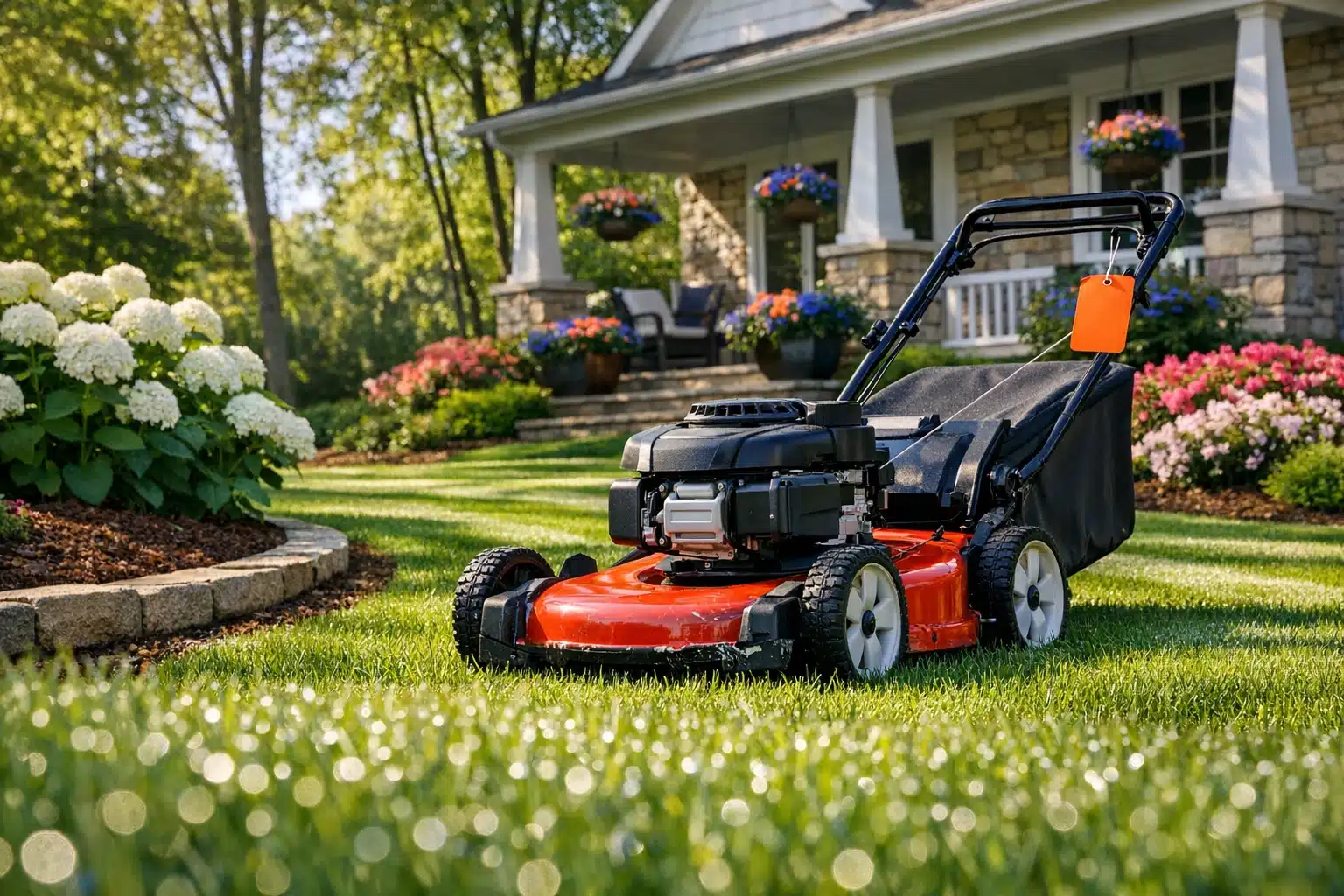
By the end, you should have a clearer sense of when a discounted mower is a smart buy, when it is merely tempting, and when it is better left on the floor with its orange price tag and questionable charm.
What Home Depot Scratch-and-Dent Lawn Mowers Usually Are
The phrase scratch-and-dent sounds dramatic, but in retail it often covers a broad spectrum of conditions. In the context of lawn mowers, it may refer to a unit with cosmetic blemishes, damaged packaging, light handling wear, or signs of prior assembly. Sometimes the mower was a floor model that spent weeks under bright store lights while customers folded handles, tested lever movement, and inspected wheels. In other cases, it may be a customer return that appears unused but cannot be sold again as factory-fresh inventory. The important point is that the label does not automatically mean a major defect, but it also does not guarantee a harmless issue.
That distinction matters because lawn mowers are mechanical tools exposed to stress. Even battery-powered models, which many buyers assume are simpler, still rely on motors, decks, height adjustments, wiring, wheel assemblies, and safety controls. Gas-powered mowers add another layer with engines, fuel systems, spark plugs, recoil starters, filters, and oil-related maintenance. A small surface scratch on the deck is usually far less important than a handle that does not lock securely or a blade shaft that wobbles.
Home Depot shoppers may encounter several broad categories of discounted mowers:
- Open-box units with packaging damage but little or no visible wear
- Display models that may show scuffs, dust, or minor hardware wear from handling
- Customer returns, which require especially careful inspection because their history is less clear
- Seasonal clearance units, where the markdown reflects timing more than condition
It also helps to understand the main mower types you might see in this category. Battery walk-behind mowers often attract shoppers who want quieter operation, easier starts, and less engine maintenance. Gas models remain popular for larger yards and users who prioritize runtime over charging cycles. Corded electric models are less common for bigger properties but can suit very small lawns. Self-propelled mowers usually cost more than push models, so even a modest discount may look attractive. Riding mowers and zero-turn machines are a different level entirely, where any damage demands more scrutiny because replacement parts and repair labor can become expensive quickly.
From a value perspective, scratch-and-dent makes the most sense when the markdown is tied to appearance, not function. If the deck has a chipped edge in the paint, the handle foam has a small tear, or the carton is battered while the mower itself looks sound, the deal may be worth exploring. If the unit has uneven wheels, oil residue, missing accessories, or obvious blade contact damage, caution should take over. A discount can feel satisfying in the aisle, but a mower that cuts poorly every Saturday becomes an expensive reminder of a rushed decision.
How to Inspect Condition, Price, and Warranty Before You Buy
A scratch-and-dent lawn mower is only a bargain if the condition matches the savings. That is why inspection should come before excitement. Start with the basics: look at the deck, wheels, handle joints, controls, and blade area. Cosmetic wear usually appears as paint scratches, rub marks, or torn packaging. Functional concerns show up differently. Watch for bent metal, cracked plastic around mounting points, loose cables, missing knobs, or uneven wheel spacing. If the mower looks as though it took a rough ride off a loading pallet, trust your instincts and slow down.
For gas mowers, inspect the engine area carefully. Signs of oil leakage, fuel odor, staining around seals, or excessive grime may suggest prior use or storage issues. Pull the starter cord if the store allows it and check whether the pull feels smooth. Look for missing manuals, accessory bags, and side discharge chutes. For battery mowers, confirm whether the battery and charger are included, because the value of the deal changes dramatically if those parts are missing. A discounted mower without its power components can shift from clever purchase to incomplete project in seconds.
Use a simple inspection checklist:
- Does the handle fold and lock properly without wobble?
- Are all wheels aligned and spinning freely?
- Is the blade area free of impact damage or severe corrosion?
- Are the bagger, mulch plug, battery, charger, or side chute included if the model normally comes with them?
- Is there a readable model number so you can verify features and replacement parts?
- What return policy and manufacturer warranty, if any, still apply?
Price comparison matters just as much as condition. A minor cosmetic flaw may not justify a tiny markdown. If a brand-new mower sells for only a little more during a seasonal promotion, the safer choice may be the unopened unit. Many shoppers aim for a discount large enough to compensate for uncertainty. While there is no universal rule, a markdown in the 10 percent to 30 percent range often feels more meaningful than a token price cut, especially when you are accepting visible wear or missing packaging. On higher-priced self-propelled or battery models, even a moderate percentage can translate into worthwhile savings. On smaller push mowers, the difference may be too small to matter.
Warranty details deserve special attention because store-level handling can vary. Some discounted units still carry full manufacturer coverage, while others may have reduced protection depending on how they were classified. Ask specific questions rather than general ones. Instead of saying, “Is there a warranty?” ask, “Does the manufacturer warranty begin from my purchase date, and is this treated as new merchandise?” Also ask about the store return window. The ideal deal is not just cheaper on the shelf; it also gives you a realistic path back if something reveals itself after the first mow.
Smart Shopping Strategies: Where, When, and How to Find Better Deals
Finding a worthwhile scratch-and-dent mower is part timing, part persistence, and part knowing how stores move inventory. Unlike standard shelf merchandise, discounted units are not always listed in a neat, predictable system. Some stores keep them near garden equipment, some place them in a clearance zone, and others manage markdowns at the department level. That means the shopper who asks informed questions often sees opportunities before the casual browser does. A polite conversation with staff can be more useful than scanning a website that may not reflect hyperlocal markdowns.
Seasonality plays a major role. Early spring brings the biggest flow of fresh mower inventory, which can also lead to display units and returns appearing as the season develops. Late summer and early fall may produce clearance opportunities as stores prepare for snow tools, holiday stock, or other seasonal transitions. Timing does not guarantee a deal, but it changes the odds. A shopper who checks at the start, middle, and end of the mowing season is more likely to spot useful markdowns than someone making a single random visit.
Here are practical tactics that can improve your results:
- Visit stores in person if possible, because condition is hard to judge from a short product note
- Check end caps, clearance corners, and assembled display areas rather than only the standard shelf section
- Ask whether a mower has been marked down for packaging damage, return status, or visible cosmetic wear
- Compare the discounted price against current promotions on new units, not just the original list price
- Factor in the cost of missing items such as batteries, chargers, baggers, or replacement blades
- Look up replacement part availability before buying an uncommon or older model
It is also wise to compare scratch-and-dent inventory with other purchase paths. For example, a refurbished mower from a manufacturer or a reputable local dealer may cost slightly more while offering more reliable inspection standards. Likewise, a brand-new base model may outperform a damaged premium model if your yard is small and your needs are simple. Shoppers sometimes get hypnotized by the idea of buying “more mower for less money,” but that only works when the extra features are usable and dependable.
One overlooked strategy is to define your yard’s actual needs before you walk into the store. Measure your lawn roughly, note whether the terrain is flat or sloped, and decide whether bagging, mulching, side discharge, or self-propulsion truly matters. Without that clarity, every markdown can start to look irresistible. With it, you can evaluate deals calmly. The best bargain is not the mower with the biggest sticker discount. It is the mower that fits your property, starts when you need it, and does not create a repair story before the grass even gets tall.
Who Should Consider One, Who Should Pass, and Final Takeaways
Scratch-and-dent lawn mowers at Home Depot can be an excellent fit for certain buyers, but they are not automatically the right move for everyone. If you are comfortable inspecting hardware, comparing model features, and accepting a few cosmetic flaws in exchange for a better price, the category can offer strong value. A homeowner with a modest yard, realistic expectations, and some patience may find a mower that performs like new while costing noticeably less. The same can be true for buyers who need a secondary mower for a rental property, vacation home, or backup tool during peak growing months.
On the other hand, some shoppers are better served by buying new in a sealed box. If you dislike troubleshooting, need maximum warranty certainty, or rely on the mower for a large property where breakdowns are especially disruptive, the lowest-risk option may be worth the extra money. This is especially relevant for people purchasing battery platforms for the first time. If the battery ecosystem matters to your long-term tool collection, you may want the cleanest possible start with full accessories, clear warranty coverage, and no questions about prior handling.
A few buyer profiles illustrate the difference well:
- Budget-focused first-time homeowner: Often a good candidate if the mower’s wear is cosmetic and the return policy is clear
- Large-lawn owner needing long runtime: Should inspect very carefully, since reliability matters more than a modest discount
- DIY-minded shopper comfortable with maintenance: May extract the most value from scratch-and-dent stock
- Buyer seeking zero hassle: Usually better off with a new unit unless the markdown is unusually strong
- Landlord or property manager: Can benefit from discounted equipment if parts availability and durability are confirmed
The practical lesson is simple. Buy the condition, not the story. Do not let words like clearance, open-box, or display model make the decision for you. Look at the mower, verify what is included, understand the support terms, and compare the final cost against a standard new unit. If the savings are meaningful and the machine appears sound, a scratch-and-dent purchase can feel like finding a useful tool hidden behind a noisy marketing shelf. If the discount is shallow or the damage touches function, walking away is not missing out. It is good judgment.
For the target audience of this guide, namely homeowners and value-conscious shoppers trying to stretch a home maintenance budget, the best approach is balanced skepticism. Be open to the deal, but do not fall in love with the markdown. A reliable mower saves time, reduces frustration, and keeps routine yard work from turning into an avoidable repair project. In the end, the smartest purchase is not the one that merely costs less today. It is the one that keeps delivering practical value long after the receipt fades.