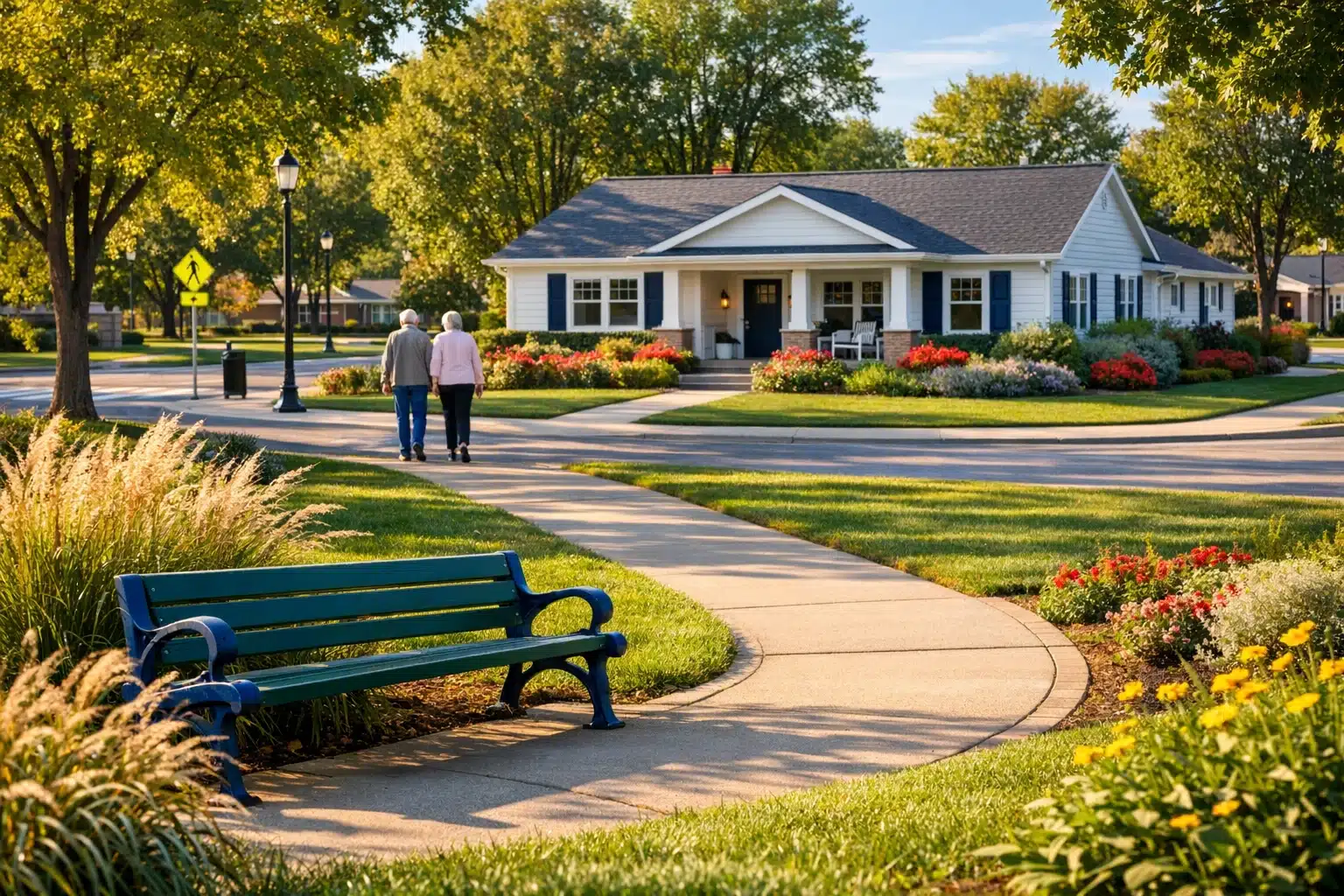
A Guide to Ranch Homes for Seniors
For many older adults, housing stops being only about square footage and starts becoming a daily tool for comfort, safety, and independence. Ranch homes matter because their single-story layout can reduce physical strain, simplify upkeep, and support long-term living without constant adaptation. Yet not every ranch home is equally suitable. This guide looks at layout, accessibility, costs, neighborhood factors, and smart buying choices so seniors and their families can judge whether this classic home style truly fits the years ahead.
Outline: What This Guide Covers About Ranch Homes for Seniors
Before comparing floor plans or browsing listings, it helps to understand the big picture. A ranch home may seem simple at first glance: one level, broad footprint, easy entry, and familiar design. But for seniors, that simplicity touches several important parts of daily life. This guide is organized to help readers move from general understanding to practical decision-making, much like walking through a well-planned home from the front door to the backyard.
The first area of focus is lifestyle fit. A ranch house can support aging in place because it usually eliminates stairs, shortens travel between rooms, and makes routines like laundry, meal preparation, and bathroom access easier to manage. These details can sound ordinary, yet they matter deeply over time. The difference between a beautiful house and a workable one often reveals itself in everyday moments: carrying groceries, stepping out of the shower, or reaching the bedroom at night.
The second area is design. Not all one-story homes are built equally well for senior living. Hallway width, bathroom layout, lighting, flooring transitions, storage placement, and entry design all influence comfort and safety. A ranch home with three steps at every entrance, narrow doors, and a cramped tub may not truly function as an age-friendly home, even if it has only one floor.
- How ranch homes support independence and comfort
- Which accessibility features matter most
- What costs to expect beyond the sale price
- How ranch homes compare with other housing options
- What to evaluate before buying, renovating, or downsizing
The third area is financial and practical reality. Buyers should think beyond listing price and consider utilities, insurance, repairs, taxes, yard care, and possible modifications. The fourth area is location, since a perfect floor plan can lose value if it is far from healthcare, shopping, transit, and social opportunities. Finally, the guide ends with a senior-focused conclusion that ties together comfort, safety, and planning. The goal is not to persuade every reader to choose a ranch home. It is to help them decide wisely, with eyes open and priorities clear.
Why Ranch Homes Appeal to Seniors: Comfort, Mobility, and Daily Convenience
Ranch homes have long been associated with practical living, and that practicality becomes especially valuable in later life. The strongest advantage is the single-level layout. Without stairs between bedrooms, bathrooms, kitchen, and living areas, seniors often experience less strain on the knees, hips, and back. For people managing arthritis, reduced balance, joint pain, or limited endurance, a one-story arrangement can make the home feel less like an obstacle course and more like a supportive environment.
This matters because aging in place is a real goal for many households. Older adults often want to remain in a familiar setting rather than move repeatedly as needs change. A ranch home can help extend that possibility. Daily tasks become easier when everything is on the same floor: carrying laundry does not require climbing stairs, hosting grandchildren feels more manageable, and nighttime trips to the bathroom may involve fewer hazards. Small routines, repeated thousands of times, shape the quality of life more than a dramatic feature ever will.
There is also a psychological benefit. A home that feels navigable can support confidence. Seniors may feel more in control when they can move through their space without worry about steep staircases or split-level transitions. Family members often appreciate this too, because a safer layout can reduce concern without taking independence away. In that sense, a ranch home can create a rare balance: autonomy for the resident and reassurance for the people who care about them.
Another reason ranch homes remain popular is flexibility. Bedrooms can become hobby rooms, home offices, guest spaces, or even caregiver rooms if circumstances change. Open layouts, common in many ranch-style properties, also make furniture placement easier and can improve visibility across the home. That can be helpful for couples supporting one another, or for a family member checking in during recovery from surgery or illness.
- Single-floor living reduces stair-related challenges
- Open flow can improve supervision and mobility
- Rooms are often easier to repurpose over time
- Routine household tasks may require less physical effort
Of course, ranch homes are not automatically ideal. Some have long walking distances from room to room, especially if the layout is stretched horizontally. Others may have outdated bathrooms or large yards that create new burdens. Even so, the core appeal remains strong: a ranch home often supports the quiet dignity of living well, safely, and comfortably in one’s own space.
Accessibility and Safety Features That Make a Ranch Home Truly Senior-Friendly
A ranch home becomes truly valuable for senior living when its design works with the body rather than against it. One floor is a strong starting point, but accessibility depends on details. A house can look charming in photos and still create daily frustration if the thresholds are high, the hallways are tight, or the bathroom is awkwardly arranged. Seniors and their families should evaluate how easily a person can enter, move through, and use the home under present conditions and possible future ones.
Entry access is one of the first practical issues. Ideally, at least one entrance should have no steps or only a gentle transition. Wide doorways matter too, especially for walkers, wheelchairs, or temporary mobility equipment after surgery. Inside the home, a clear and uncomplicated layout often makes movement easier and reduces fall risk. Flooring is another major point. Smooth, non-slip surfaces tend to be more manageable than thick carpet, loose rugs, or uneven tile edges. Good lighting, especially in hallways, bathrooms, entrances, and kitchens, is not merely attractive; it is a safety feature.
Bathrooms deserve special attention because many home accidents happen there. A walk-in shower with a low threshold is generally easier to use than a high-sided tub. Grab bars, a handheld showerhead, slip-resistant flooring, and a comfort-height toilet can make a large difference without making the room feel institutional. Kitchens also matter. Lower storage, easy-to-reach appliances, lever-style handles, and enough turning space can reduce strain and support independence.
- No-step entry or ramp-friendly access
- Wide doors and hallways for mobility aids
- Lever handles instead of round knobs
- Walk-in shower and supportive bathroom fixtures
- Bright, layered lighting with minimal glare
- Flooring that is stable, level, and slip resistant
Smart technology can also help when chosen carefully. Video doorbells, voice-controlled lights, programmable thermostats, and medical alert systems can add convenience and security. Still, technology works best as a support, not as a replacement for good design. A beautifully updated home that requires constant troubleshooting may be less useful than a simpler home with strong fundamentals.
In the end, accessibility is about preserving ordinary freedom. It is the freedom to make breakfast without pain, to get to the door before the delivery driver leaves, and to shower without anxiety. A senior-friendly ranch home should feel calm, clear, and dependable. When those qualities are present, the home begins to serve not just shelter, but long-term well-being.
Costs, Maintenance, and How Ranch Homes Compare With Other Senior Housing Options
Choosing a ranch home is not only a design decision; it is a financial and practical one. Many buyers focus on the sale price first, which is understandable, but ongoing ownership costs often shape long-term satisfaction even more. A ranch home may offer convenience, yet the full picture includes property taxes, utilities, insurance, repairs, lawn care, and possible accessibility upgrades. Seniors living on retirement income or fixed budgets should look closely at these factors before deciding that a single-story house is automatically the simplest path.
One major financial point is footprint. Because ranch homes spread horizontally instead of stacking rooms vertically, they often require larger lots and wider roofs. That can mean more exterior maintenance over time. Roofing replacement may cost more than expected because the roof covers a broader area. Heating and cooling expenses can also vary depending on insulation, window quality, regional climate, and square footage. An older ranch with drafty windows and aging systems may feel affordable at purchase but expensive to operate.
Maintenance is another central issue. Some seniors enjoy gardening, sweeping the porch, or caring for a small yard. Others want to step away from those responsibilities. A ranch home with a large lawn, long driveway, or extensive landscaping can create recurring work or require hired help. That does not mean ranch homes are a poor choice; it means the right match depends on lifestyle. A modest one-story home in a low-maintenance community may be easier to manage than a large suburban ranch with heavy upkeep demands.
It also helps to compare ranch homes with other living options:
-
Compared with two-story houses, ranch homes usually offer better mobility and easier aging in place.
-
Compared with condos, they may provide more privacy and outdoor space but often require more maintenance.
-
Compared with senior apartments, they may offer greater independence but less built-in support and fewer shared amenities.
-
Compared with assisted living, they preserve autonomy but may eventually need modifications or outside services.
There is no single best answer for every senior. A retired couple who enjoys hosting family may value the space and flexibility of a ranch home. A solo homeowner who travels often might prefer a condo with exterior maintenance included. A person with growing medical needs may prioritize proximity to care over house style altogether.
The key is to calculate total livability, not just purchase cost. A home that is slightly smaller, newer, or closer to essential services may be far more affordable in real life than a larger bargain property that demands constant repairs. When seniors compare options honestly, ranch homes often stand out as a strong middle ground between independence and manageability, provided the numbers make sense.
Choosing the Right Ranch Home: Location, Future Planning, and a Senior-Focused Conclusion
The best ranch home for a senior is not always the prettiest one, the newest one, or the one with the biggest kitchen island. It is the one that continues to work well over time. That requires looking beyond today’s needs and thinking carefully about the next five, ten, or fifteen years. A house that feels comfortable now should still feel workable if walking becomes harder, driving becomes less frequent, or help from a family member or caregiver becomes part of daily life.
Location deserves just as much attention as layout. A one-story home loses much of its value if it is isolated from healthcare, pharmacies, grocery stores, friends, public transportation, or community life. Seniors often benefit from neighborhoods with quiet streets, good lighting, sidewalks, nearby services, and reasonable travel times to medical appointments. Social connection matters too. A lovely home can feel less supportive if it leaves the resident cut off from faith communities, clubs, parks, volunteer opportunities, or familiar routines.
When evaluating a property, it helps to ask practical questions:
- Can I enter and move through the home easily now and later?
- Is there a bedroom and full bathroom that will remain convenient long term?
- How much will maintenance cost in time, money, or energy?
- Are emergency services and healthcare close enough?
- Would minor renovations make this home significantly safer?
- Could a family member, guest, or caregiver stay here comfortably if needed?
It is also wise to budget for adaptation instead of waiting for a crisis. Installing grab bars, improving lighting, replacing slippery flooring, or widening a doorway is often easier and less expensive when done proactively. A modest renovation plan can turn a decent ranch home into an excellent long-term residence.
For seniors and their families, the real value of a ranch home is not just architectural. It is personal. It may offer the ease of making coffee without climbing stairs, the comfort of welcoming grandchildren into an accessible space, and the relief of knowing the house supports rather than drains daily energy. That is why ranch homes remain so relevant. They can offer independence without unnecessary complexity, familiarity without stagnation, and practicality without giving up warmth. If chosen carefully, a ranch home can become more than a place to live. It can become a setting for safer routines, steadier confidence, and a future that feels manageable on one level in every sense.