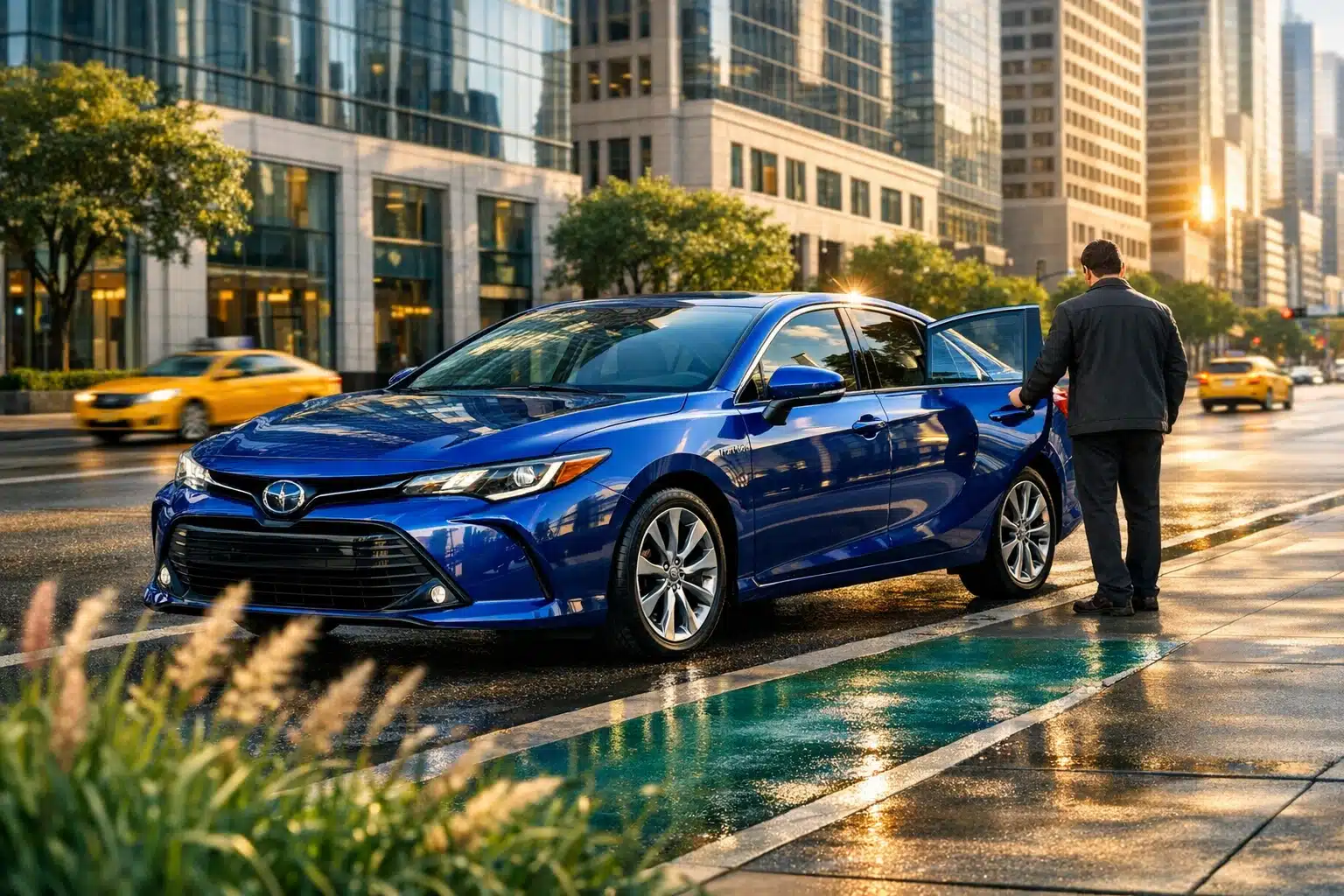
A Guide to Rent-to-Own Cars for Uber Drivers
Driving for Uber can look like a fast path to income, yet the biggest hurdle is often simple: getting a car that meets platform rules without draining your savings. Rent-to-own programs sit between a short-term rental and a traditional auto loan, giving drivers a way to start working while paying toward ownership. For some people, that flexibility is a practical bridge. For others, the math turns expensive very quickly.
Outline
- How rent-to-own car programs for Uber actually work
- The real cost structure, including weekly payments and hidden expenses
- How to choose a vehicle that fits Uber rules and daily driving demands
- What to check in the contract before committing
- Strategies to make the arrangement sustainable and profitable
1. How Rent-to-Own Cars for Uber Work in Practice
Rent-to-own car programs are designed for people who want to use a vehicle immediately and gain ownership later through a series of scheduled payments. For Uber drivers, the appeal is obvious. Instead of waiting to save a large down payment, qualify for bank financing, or borrow from friends and family, a driver may be able to get on the road quickly with limited upfront cash. In many cases, these programs are marketed to people with thin credit files, damaged credit, or irregular income history. That flexibility is real, but it is only one side of the deal.
At a basic level, the arrangement works like this: a company provides a vehicle, the driver makes weekly or biweekly payments, and after all required payments are completed, the title may transfer to the driver. Some programs are true rent-to-own contracts. Others are closer to lease-purchase agreements, where the structure feels similar but the legal details differ. That distinction matters because ownership timing, fees, repossession rights, and maintenance responsibilities can vary significantly.
A car for rideshare is less like a trophy and more like a small storefront on four wheels. It has to be available, legal, reliable, and affordable every single week. That is why Uber drivers should understand how rent-to-own compares with the main alternatives:
-
Traditional auto loan: Usually lower long-term cost, but approval often requires stronger credit and proof of income.
-
Standard rental: Useful for short-term flexibility, though payments may never build equity.
-
Leasing: Can offer a newer car, but mileage limits and contract restrictions may not suit heavy rideshare use.
-
Buying used with cash: Often cheapest overall, but requires immediate funds and carries repair risk.
Uber itself also has vehicle requirements that shape whether a rent-to-own deal is even workable. Most markets require a four-door vehicle in good condition, and many cities impose model-year limits, inspection standards, and local licensing rules. A car that qualifies today may age out later, which means a driver needs to think beyond the first month. If the contract runs two or three years, the vehicle must remain eligible long enough for the numbers to make sense.
Many drivers are drawn in by convenience, and convenience has value. If a person cannot work without a car, the ability to start driving next week can be important. Still, speed should never replace analysis. Some agreements include maintenance, roadside help, or basic warranties, while others shift nearly every risk to the driver. Before signing, it is essential to ask a simple question: am I paying for a path to ownership, or am I paying a premium for urgency?
2. The True Cost: Weekly Payments, Fees, Insurance, and Break-Even Math
The biggest mistake drivers make with rent-to-own vehicles is focusing only on the weekly payment. A company may advertise a car for what sounds like a manageable number, yet that figure is only one part of the budget. In many markets, weekly rent-to-own payments for used vehicles can range from the low hundreds to several hundred dollars, depending on the model, age, mileage, condition, and whether insurance or maintenance is included. A rideshare-ready vehicle with fewer problems may cost more, while a cheaper car may carry higher repair risk and more downtime.
To judge whether a program is affordable, drivers need to separate fixed costs from operating costs. Fixed costs are the amounts that show up whether business is good or slow. Operating costs rise and fall with how much the car is used. This distinction matters because Uber income can vary by season, city, event schedules, weather, and platform demand.
-
Common fixed costs: weekly vehicle payment, deposit, registration charges, administrative fees, insurance premiums if not included, and taxes.
-
Common operating costs: fuel or charging, car washes, parking, tolls, tires, brakes, oil changes, and occasional lost time during maintenance.
Consider a simplified example. A driver pays 320 dollars per week for the vehicle, 140 dollars for fuel, and another 40 dollars for cleaning, tolls, and small supplies. That creates a baseline cost of about 500 dollars before taxes and before setting aside money for unexpected problems. If that driver grosses 1,000 dollars in a week, the remaining amount is not pure profit. Self-employment taxes, personal expenses, unpaid downtime, and future repairs still exist. When the headline earnings from rideshare videos meet the quiet arithmetic of real life, the calculator usually wins.
Insurance deserves special attention. Some drivers assume Uber’s coverage handles every situation, but platform insurance generally applies under specific conditions and varies by stage of app use and local law. A driver may still need personal insurance, a rideshare endorsement, or other coverage depending on location and provider rules. If a rent-to-own company bundles insurance, ask for the exact limits, deductibles, exclusions, and claim process. A policy that looks convenient can still leave costly gaps.
There are also hidden expenses that turn manageable plans into stressful ones. Watch for charges related to late payments, early termination, mandatory GPS devices, missed maintenance appointments, excess mileage, replacement keys, or cosmetic damage. Some contracts allow title transfer only after every obligation is satisfied, including ancillary fees. That means a driver who expects to own the car after a certain number of weeks may discover that the finish line is farther away than expected.
A sound approach is to calculate a break-even point before signing. Estimate how many hours or trips are needed each week just to cover the vehicle and operating costs. Then compare that with your realistic schedule, not your most optimistic one. If the break-even target already feels exhausting, the agreement may be too expensive. Flexibility is helpful, but a car should support your work, not chase you like a bill with headlights.
3. Choosing the Right Vehicle for Uber: Eligibility, Efficiency, and Driver Comfort
Not every car that can be rented to own is a smart fit for Uber. The right vehicle sits at the intersection of platform eligibility, daily operating cost, rider comfort, and mechanical reliability. Choosing poorly can weaken your earnings even if the weekly payment looks attractive. Choosing well can improve acceptance rates, reduce fuel bills, and keep you on the road instead of in a repair shop waiting room.
Start with eligibility. Uber requirements vary by city and service level, but many markets expect a four-door vehicle, a clean appearance, functioning seat belts, no major cosmetic damage, and a model year that falls within the local age limit. Some regions also require annual or periodic inspections, commercial permits, airport stickers, or background documentation tied to the car. Before discussing colors, trim, or entertainment systems, verify that the exact vehicle identification details match local rideshare standards. A car that is perfect for personal commuting can still be unusable for Uber.
Fuel economy matters more than many new drivers expect. A difference of just a few miles per gallon becomes meaningful when a vehicle runs long hours each week. Hybrids often attract attention because they can lower fuel costs, especially in stop-and-go traffic. Electric vehicles may offer lower energy costs in some areas, but they introduce a new question: charging access. If a driver lives in an apartment without reliable charging or works long airport queues, an EV may be efficient on paper and inconvenient in practice.
-
Compact sedan: lower fuel use, easier parking, usually cheaper payments, but less rear-seat space.
-
Midsize sedan: balanced comfort and economy, often a strong all-around rideshare choice.
-
Hybrid: excellent for heavy urban driving if purchase terms are reasonable.
-
SUV or larger vehicle: more room and possible premium service options in some markets, but usually higher fuel and payment costs.
Comfort also affects ratings. Riders notice legroom, cleanliness, temperature control, trunk capacity, and how smooth the vehicle feels over rough roads. Drivers notice other things: seat support during long shifts, visibility at night, Bluetooth reliability, and how tiring the car is after six or eight hours behind the wheel. A vehicle that looks fine in a parking lot can become a daily annoyance when cup holders are awkward, the suspension is harsh, or road noise never stops humming.
Reliability may be the most important factor of all. Downtime is expensive because it removes both income and mobility at once. Ask for service records, tire condition, battery age, warning-light history, and inspection paperwork. If allowed, have an independent mechanic evaluate the car before signing. In rent-to-own arrangements, a cheap vehicle can become the most expensive choice if it spends too much time unavailable. The goal is not to find the flashiest car. The goal is to find the quiet workhorse that starts every morning and lets your earnings stay yours.
4. Reading the Contract Carefully: Red Flags, Questions, and Comparison Points
A rent-to-own agreement should never be treated like a casual handshake just because the approval process feels easy. The contract determines whether the program is a workable stepping stone or a financial trap. Many drivers sign while focusing on urgency, especially when they want to start earning right away. That pressure is understandable, but contracts reward patience. If a provider does not give you time to read the terms, compare offers, and ask questions, that is already useful information.
The first issue to review is the total cost of ownership. Add every required payment over the full term, then compare that figure with the estimated market value of the vehicle. If the total is dramatically higher, ask what services justify the premium. Sometimes the answer is reasonable, such as easier approval, included maintenance, or short-term flexibility. Sometimes the premium is simply the price of limited options. Either way, you should know exactly what you are buying.
Next, study the transfer-of-title language. Some agreements clearly state when ownership passes and what conditions must be satisfied. Others hide important details in small print. You need answers to questions like these:
-
When do I legally become the owner of the vehicle?
-
Can I pay off the balance early, and is there a penalty for doing so?
-
What happens if I miss one payment or fall behind temporarily?
-
Who pays for routine maintenance and major mechanical failures?
-
Are there mileage caps or usage restrictions related to rideshare driving?
-
Can the vehicle be repossessed quickly, and under what conditions?
Repossession rules deserve special attention because rideshare drivers depend on the car for income. Losing the vehicle can cut off earnings immediately. Some agreements allow rapid repossession after missed payments, and reinstatement may require substantial fees. A contract should not leave you guessing about timelines, notices, or cure periods. Clarity matters because cash flow in gig work can be uneven.
It is also wise to compare at least three options before signing anything. That comparison may include another rent-to-own provider, a traditional used-car dealer with financing, and a standard rental or lease alternative. Use the same checklist for each one so emotion does not distort the decision. Review payment amount, contract length, included maintenance, insurance rules, deposit, title transfer process, and estimated total cost. Seeing the numbers side by side often changes the conversation.
Finally, document every promise. If a salesperson says maintenance is included, make sure that wording appears in the contract. If the provider says the car is approved for Uber in your city, ask for the exact vehicle details and verify independently. Informal reassurance is not protection. A clear document is. In a business built on ratings, maps, and split-second trip requests, the slowest and smartest step may be reading the paperwork line by line.
5. Making It Work: Budgeting, Scheduling, Taxes, and Knowing When to Walk Away
A rent-to-own vehicle can be useful if it is treated like a business tool rather than an emotional purchase. For Uber drivers, success depends less on the excitement of getting the car and more on what happens during the next six months of real use. The drivers who handle these programs well usually build a system around cash flow, maintenance discipline, and realistic work hours. The drivers who struggle often rely on best-case assumptions, which is a risky habit in any gig-based income stream.
Start with a dedicated weekly budget. Separate your vehicle payment from your personal spending the moment your earnings arrive. That habit reduces the temptation to treat gross income as disposable money. If possible, create several buckets: one for the contract payment, one for fuel or charging, one for taxes, and one for maintenance or emergency reserves. Even when a plan includes some maintenance, not every surprise will be covered. Tires wear out, time gets lost, and small issues become larger ones when ignored.
Scheduling matters too. Not all driving hours produce the same results. Drivers using a rent-to-own model often need to be selective rather than simply driving longer. Local demand patterns can affect earnings dramatically. Airport runs, commute windows, weekend evenings, event traffic, and weather-related surges may be more productive than slow midday cruising. The goal is not to live inside the car. The goal is to use the car when demand is most likely to justify its cost.
-
Track gross earnings and net earnings separately.
-
Record mileage for tax and business planning purposes.
-
Set aside money for self-employment tax regularly.
-
Clean the vehicle consistently to protect ratings and reduce wear.
-
Review weekly profitability instead of waiting for problems to pile up.
Taxes are another area where many drivers underestimate the challenge. Rideshare work is commonly treated as self-employment income, which means the money arriving in your account is not the same as money available to spend. Record-keeping helps you understand your true margin and may support legitimate deductions where allowed. Rules vary by jurisdiction, so professional tax advice can be worthwhile, especially if driving becomes a major income source.
Most importantly, give yourself permission to walk away from a bad deal before signing it. A rent-to-own car is not automatically smart just because it is available. If the weekly cost forces you into overly long shifts, if the contract is vague, if the car barely qualifies for Uber, or if the provider cannot answer basic questions, stepping back may be the strongest financial move. Sometimes the best business decision is not acceleration but restraint. A good vehicle arrangement should create room to earn, save, and eventually improve your options. If it mainly creates pressure, it may be a bridge to nowhere.
Conclusion for Prospective Uber Drivers
Rent-to-own cars can help Uber drivers get started when savings are limited or conventional financing is unavailable, but convenience rarely comes cheaply. The best agreements are transparent, compatible with local Uber rules, and realistic enough to fit your weekly earnings after fuel, taxes, and downtime are considered. Before committing, compare the total cost with other paths such as a used-car loan, a standard rental, or waiting to buy with cash. For drivers who approach the decision like a business calculation rather than a quick fix, rent-to-own can be a workable stepping stone instead of an expensive detour.