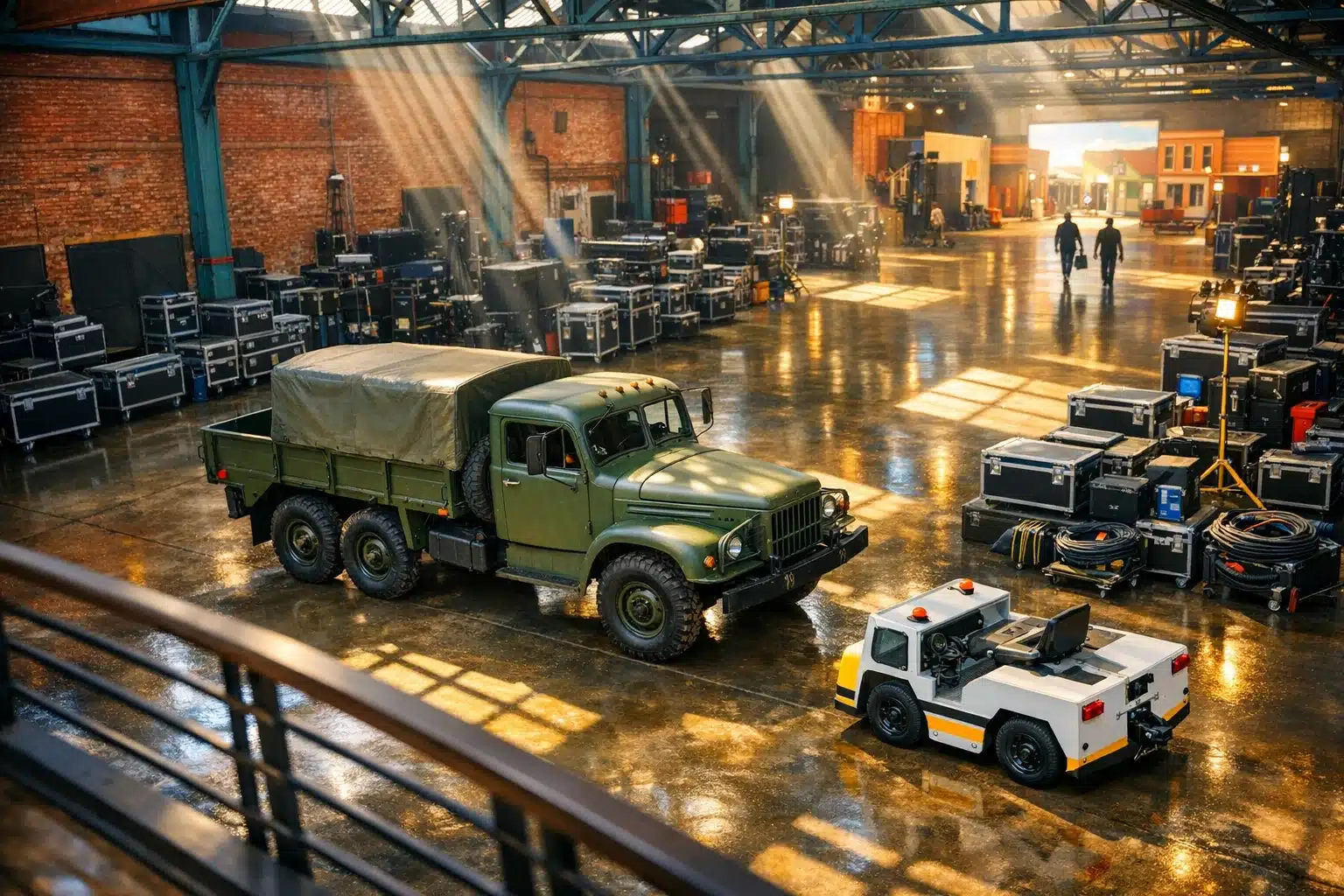
A Guide to Retired Military Equipment for Sale
Retired military equipment sits at an unusual crossroads where history, engineering, collecting, and practical utility meet. From demilitarized cargo trucks to field tools, radios, and aviation parts, surplus items attract museums, filmmakers, farmers, mechanics, and off-road enthusiasts alike. Understanding what is actually for sale, how it is regulated, and what ownership really costs helps buyers separate romance from reality before a single bid is placed.
Outline and Market Overview
Before diving into listings, it helps to map the terrain. The surplus market may look like a single rugged warehouse in the imagination, but in reality it is a network of auctions, specialist dealers, private collectors, liquidators, and government disposal channels. The article follows that path in a practical order:
- What retired military equipment usually appears on the market
- How different categories compare in purpose, condition, and buyer appeal
- Which laws, paperwork, and demilitarization rules matter most
- How pricing, inspection, transport, and restoration affect the true cost
- Who this market suits, and who may be better served by civilian alternatives
The topic matters because “military equipment for sale” can mean very different things. One listing may be a stack of unused storage cases or field desks. Another may be a decommissioned 6×6 cargo truck, a portable generator, or an aircraft tug. In some countries, buyers also encounter shelters, trailers, bridge components, engineering tools, or parts removed from vehicles and aircraft no longer in active service. The common thread is that these items were designed for demanding environments, often with an emphasis on durability, modular repair, and functional simplicity rather than showroom comfort.
That durability is a major reason surplus attracts attention. A retired military truck can seem almost theatrical at first glance, all flat panels and purposeful hardware, like a machine that expects weather instead of fearing it. Yet the market is not powered by nostalgia alone. Farmers may value heavy-duty hauling. Event companies may want unusual display pieces. Museums and reenactment groups look for authenticity. Film and television productions often seek real equipment because surface detail matters on camera. Collectors, meanwhile, may be drawn to specific eras, units, manufacturers, or configurations.
At the same time, this is a market where excitement can outrun due diligence. Service history may be unclear. Parts supply can be uneven. A cheap hammer price at auction can turn into a costly project after transport, storage, fluids, tires, batteries, registration, and repairs. That is why retired military equipment deserves a balanced guide: the appeal is real, but so are the limits.
What Retired Military Equipment Is Actually Available
The first surprise for many newcomers is that the public market usually offers support equipment far more often than combat-capable hardware. In legal civilian channels, it is common to see demilitarized vehicles, trailers, shelters, generators, storage systems, field furniture, engineering tools, non-sensitive electronics, and apparel or load-bearing gear. It is far less common, and much more regulated, to encounter anything that remains functional as a weapon system. In practice, many former military assets are sold only after key components have been removed, disabled, or permanently altered.
Vehicles are often the gateway category because they combine visual impact with practical use. Common examples include cargo trucks, utility pickups, light tactical vehicles, recovery trucks, ambulances, forklifts, and aircraft support vehicles used on bases. A demilitarized cargo truck may appeal to a landowner who values ground clearance and load space, while a former military ambulance body may interest a builder converting it into a workshop or expedition platform. Trailers and generators are another strong category because they can be useful without the regulatory complexity of road registration in every case.
Smaller surplus items also form a large part of the market. Storage chests, transit cases, cots, field kitchens, work lights, tents, tools, maintenance manuals, and spare parts can appear in large quantities. These items are often more accessible to first-time buyers because they are cheaper to ship, easier to store, and less likely to involve title issues. For collectors, smaller pieces may also offer clearer provenance and less restoration risk.
Condition varies widely. Buyers often encounter terms such as:
- Unused or new old stock, meaning stored but never placed into regular service
- Serviceable or operational, which suggests working condition but not modern reliability
- Repairable, where faults are known or expected
- As-is, where the buyer accepts uncertainty and risk
Comparison matters here. A retired generator may be easier to return to useful service than a complex vehicle with missing documentation. A shelter or trailer may preserve value better than an engine-heavy project that needs rare seals, obsolete electrical parts, or hard-to-source tires. There is also a major difference between equipment designed around standard commercial components and equipment built to military-specific patterns. The more proprietary the platform, the more patient and resourceful the buyer usually needs to be.
A practical rule is simple: the less glamorous the item appears, the more likely it is to be truly useful. The market rewards buyers who can distinguish between visual drama and real-world function.
Legal Rules, Demilitarization, and Safe Ownership
Legal status is the center of gravity in any purchase of retired military equipment. What looks like a straightforward sale can involve layers of national law, regional registration rules, export controls, hazardous material restrictions, and ownership limits tied to the item’s original purpose. Buyers should never assume that because something is listed publicly, every part of its ownership or use is simple. In many jurisdictions, the most important word in a listing is not “military” but “demilitarized.”
Demilitarization means the equipment has been altered, stripped, or certified so that controlled capabilities are no longer active. For vehicles, this may affect mounts, armor-related components, communications systems, or specialized fittings. For electronics, restricted encryption modules or frequency-sensitive parts may be removed. For aircraft-related equipment, there may be strict limits on airworthiness, export, and parts tracing. Documentation is crucial because legal ownership often depends on proving what the item is no longer capable of doing, not just what it once was.
Road legality is another major issue. A former military truck may be mechanically impressive and still be difficult to register for civilian road use. Local authorities may look at weight class, lighting, braking systems, emissions rules, noise, tire type, overall width, or whether a valid title exists. Some vehicles are perfectly lawful to own on private land yet impractical or impossible to plate for public roads. Others can be registered, but only after modifications. This is one reason experienced buyers contact transport agencies and insurers before bidding, not after.
Key documents and checks often include:
- Bill of sale and proof of lawful disposal
- Title or ownership certificate where applicable
- Demilitarization records or compliance notes
- Serial numbers and matching identification plates
- Import and export requirements for cross-border purchases
- Hazardous material disclosures, especially for batteries, fuels, asbestos, or old coatings
Safety belongs in the same conversation as legality. Stored equipment can contain degraded rubber, old brake lines, contaminated fluids, corroded tanks, brittle wiring, and seals that fail the moment a machine returns to use. A vehicle that sat for years may need a full mechanical review before it is driven, even if it starts. Radios and power systems may require careful inspection by qualified technicians. The right mindset is not treasure hunter first, operator second. It is owner first, steward always.
That mindset protects both the buyer and the broader surplus community. Responsible ownership helps preserve access to legal, historical, and practical equipment, while careless use invites damage, disputes, and tighter restrictions.
Where It Is Sold, How Pricing Works, and How to Inspect It
Retired military equipment reaches buyers through several channels, and each has a different balance of price, transparency, and risk. Government auctions often attract attention because they can offer direct access to large inventories, but they usually operate on an as-is basis with limited guarantees. Specialist dealers typically charge more, yet they may inspect, refurbish, store, or document items before resale. Private collectors and estate sales can offer unusual pieces, especially older equipment, though record quality varies. Museums, film prop houses, and restoration shops sometimes sell duplicates or unfinished projects as well.
Comparing those channels is useful. Auctions may produce the lowest purchase price, but they often involve the highest uncertainty. Dealer stock may cost more upfront, yet buyers may save time through better paperwork, clearer condition notes, and access to transport contacts. Private sales sit in the middle: they can be excellent when the owner is knowledgeable and organized, or frustrating when history is vague and missing parts are treated as minor details. In other words, price on the listing is only one part of the equation. The real number is landed cost plus restoration, storage, and compliance.
Pricing can vary dramatically by category and region. Small field items may sell for modest sums, especially when released in quantity. Trailers, generators, and shelters often sit in a middle band because they retain practical use. Large trucks, specialized engineering vehicles, or rare historical examples can move into much higher territory, particularly when they are complete, documented, and road-registrable. Rarity alone does not guarantee value, however. A common machine with abundant parts support can be a better purchase than a rare machine that becomes an immobile puzzle.
Inspection deserves patience. If in-person viewing is possible, buyers should check:
- Frame, body, and underside for corrosion or previous structural repair
- Engine condition, leaks, cold starting behavior, and fluid contamination
- Electrical systems, batteries, lights, charging performance, and wiring quality
- Tires, brake components, seals, hoses, and age-related deterioration
- Completeness of tools, panels, identification plates, and key accessories
- Whether modifications were professional, reversible, or poorly improvised
It is also wise to budget for what happens after the gavel falls. Transport for large vehicles may require a low-loader or specialist hauler. Indoor storage protects value but costs money. Rare tires, batteries, seals, and hydraulic components can reshape the project budget quickly. A machine that looked affordable at auction can become expensive simply because it is large, heavy, and unfamiliar to local mechanics.
The smartest buyers treat surplus equipment like a business case wrapped in a story. Admire the story, absolutely, but let the numbers have the final word.
Conclusion: Matching the Right Buyer to the Right Surplus Machine
Retired military equipment can be a rewarding purchase when the buyer’s goals match the realities of ownership. For collectors, the strongest opportunities often lie in complete, well-documented items with clear provenance and manageable storage needs. For landowners, contractors, or rural operators, practical support assets such as trailers, generators, shelters, and simpler trucks may offer more value than dramatic but complicated platforms. For filmmakers, museums, and event professionals, authenticity and visual condition may matter more than full mechanical restoration. Each audience comes to the market with a different definition of success, and that definition should guide every decision.
If you are a first-time buyer, the safest path is usually to begin with equipment that is legally straightforward, mechanically understandable, and easy to move. Smaller surplus purchases can teach valuable lessons about documentation, condition grading, and replacement parts without exposing you to the full cost of a large vehicle project. Buyers with workshop space, technical skill, and patience can reasonably look at larger platforms, but even they benefit from conservative budgeting. Surplus rewards preparation more than impulse.
It is also worth saying clearly that not every attractive listing is a wise purchase. If you need daily reliability, immediate road use, modern comfort, or guaranteed parts support, new or standard commercial equipment will often serve you better. Military surplus was built for service conditions, not for effortless civilian ownership decades later. The rugged look may suggest indestructibility, yet age, missing records, and specialized components can turn that image into a long restoration story.
Still, for the right buyer, few markets offer the same mix of function and character. A retired field trailer, a generator with a meticulous service tag, or a demilitarized cargo truck with honest wear can carry more than metal and paint. It carries design choices shaped by hard use and institutional logistics, then handed forward into civilian life. The best way to approach that opportunity is with curiosity, restraint, and respect for the rules.
For collectors, practical users, and history-minded enthusiasts alike, the winning strategy is simple: verify legality, inspect carefully, calculate the full cost, and buy the machine that fits your purpose rather than the fantasy in your head. When those pieces align, retired military equipment can be not only interesting to own, but genuinely worthwhile.