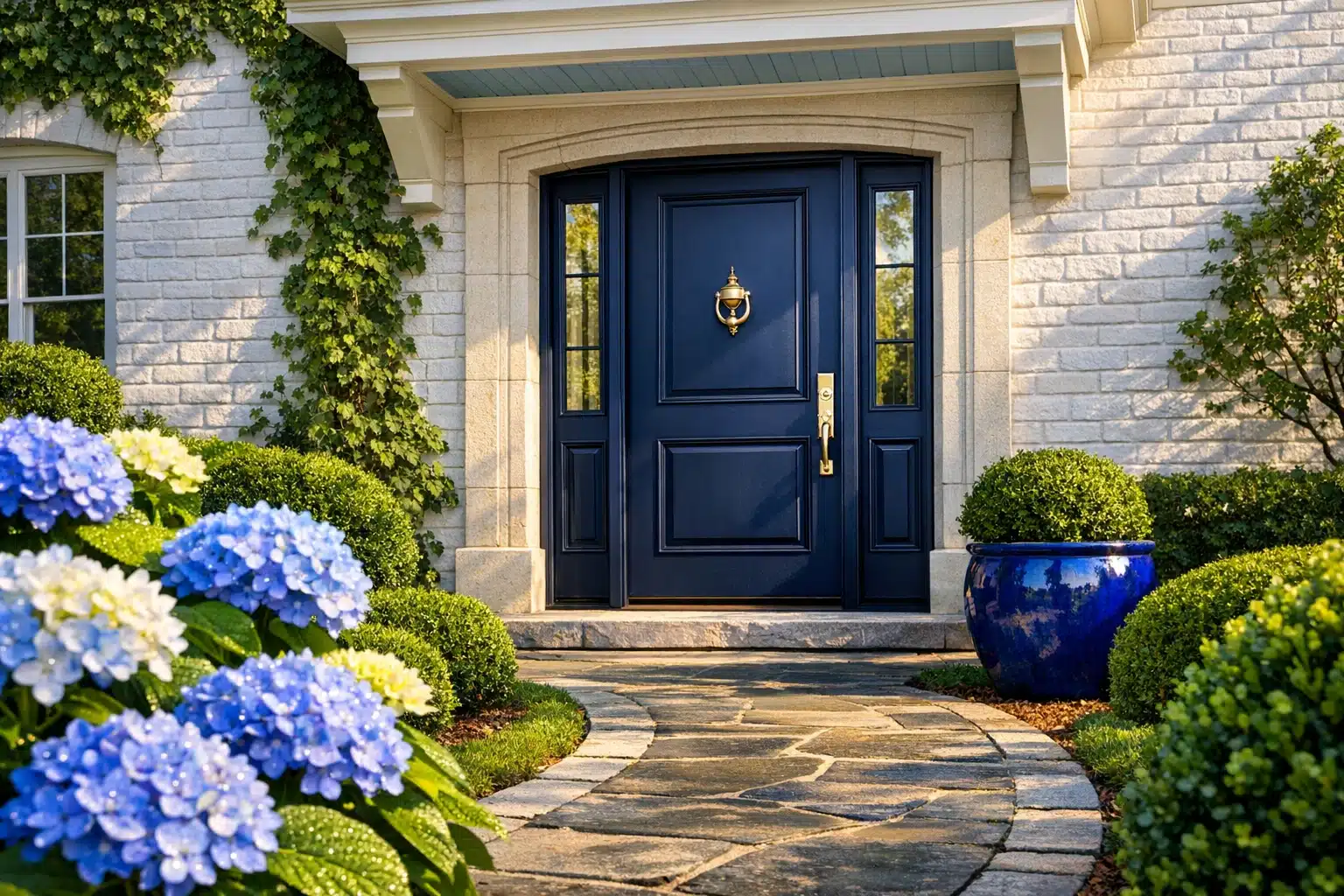
A Practical Guide to Buying Doors on Monthly Payment
A door does more than separate rooms or mark the line between indoors and out; it influences security, noise control, energy performance, and the first impression a home gives. When cash flow feels tighter than the weatherstripping, monthly payment plans can turn a delayed upgrade into a workable project. The important part is knowing exactly what you are financing, from materials and installation to interest, fees, and warranty terms. Understand those moving pieces, and the purchase feels less like a gamble and more like a measured improvement.
Outline
- Why monthly payment plans are popular for door purchases and when they make practical sense.
- Typical price ranges for interior, exterior, and patio doors, along with the real cost of installation.
- How to compare financing options, including retailer offers, contractor financing, personal loans, and short-term plans.
- What to look for in door materials, energy performance, security features, and long-term durability.
- How to read the fine print, avoid expensive mistakes, and choose a payment plan that fits your budget.
Why Buying Doors on Monthly Payment Appeals to Many Homeowners
For many households, replacing a door is not a glamorous purchase. It usually appears on the to-do list because something stopped working, started leaking air, or no longer feels secure. A front door with a warped frame, a patio door that sticks in humid weather, or a hollow interior door that lets every hallway conversation travel like gossip can all push the project from “someday” to “soon.” That is where monthly payments enter the picture. Instead of paying the full amount at once, a buyer spreads the cost across several months or years, making a larger home improvement easier to fit into a normal budget.
This approach is especially common when the door project is tied to a practical need rather than a decorative whim. Exterior doors affect security, insulation, and weather protection. Interior doors can improve privacy, acoustics, and access. In older homes, replacing a worn entry door may also solve several issues at once, such as drafts, weak locks, and a tired appearance. In that sense, a good door acts like a quiet employee: it works all day, asks for little attention, and earns its keep over time.
Monthly payment plans are useful because they create flexibility, but they do not magically reduce the price of the project. They simply change the timing of the expense. A $2,000 job is still a $2,000 job before interest, fees, or promotional terms are added. That distinction matters. Buyers often focus on whether the payment looks manageable and forget to compare the full repayment amount. A door financed over 24 or 36 months may seem affordable on paper, yet cost noticeably more than paying upfront if the interest rate is high.
There are several reasons people still choose financing anyway. The first is urgency. If the existing door is damaged, unsafe, or losing energy, waiting may create higher costs later. The second is cash preservation. Some homeowners prefer to keep savings available for emergencies rather than spend a large lump sum on one project. The third is project bundling. When a renovation includes trim, locks, paint, and labor, the total can climb quickly, and monthly payments make the package easier to manage.
Used carefully, financing can be a practical tool rather than a trap. The key is to treat the payment plan as part of the buying decision, not an afterthought added at the checkout desk. When that happens, buyers are far more likely to choose a door that suits both the house and the wallet.
What Doors Cost and How Monthly Payment Plans Are Structured
The price of a door project depends on far more than the panel itself. Materials, size, hardware, glass inserts, frame condition, labor, finishing work, disposal of the old door, and local market rates all shape the final number. That is why two doors that look similar in a photo can produce very different quotes. A buyer who understands the major cost categories is less likely to be surprised when the monthly payment offer arrives.
In the U.S. home improvement market, typical ranges often look something like this, though region, customization, and labor can push costs higher:
- Basic hollow-core interior slab doors: roughly $80 to $300 for the product.
- Solid-core interior doors: often $200 to $600 or more, depending on style and finish.
- Steel entry doors: commonly $400 to $1,500 for the door unit before full installation costs.
- Fiberglass entry doors: often $800 to $2,500 or more, especially with decorative glass.
- Wood entry doors: frequently $1,000 to $4,000 and sometimes far beyond that for custom work.
- Patio, French, or sliding glass doors: often $1,500 to $6,000 or more installed.
Installation can add a meaningful amount to the bill. If the opening is square, the frame is sound, and the replacement is straightforward, labor may stay relatively moderate. If the frame is rotted, the threshold needs rebuilding, or the wall opening must be adjusted, the project becomes more involved. Buyers should also ask whether the quote includes locks, handles, finishing, caulking, trim repair, painting or staining, haul-away, and permit-related costs if applicable.
Monthly payment plans usually fall into a few common categories. Retailer financing often offers promotional terms, such as deferred interest or 0% financing for qualified borrowers over a limited period. Contractor financing may be arranged through a third-party lender and can be convenient because it is tied to the project quote. Personal loans from a bank, credit union, or online lender provide a lump sum and fixed repayment schedule, which can be easier to compare. Short-term buy-now-pay-later plans sometimes appear for smaller purchases, though they are less ideal for major custom installations.
The monthly number can be misleading without context. For example, a $1,800 project split over 12 months at 0% interest would be about $150 per month. The same project financed over 24 months at around 14% APR might drop to roughly $86 per month, but the total paid would be higher. Lower payments can feel lighter in the moment, yet longer terms often cost more overall. Buyers should always compare four figures side by side:
- Project total before financing
- Interest rate or promotional terms
- Monthly payment amount
- Total repayment over the full term
Once those numbers are visible, the financing offer becomes much easier to judge. A good plan is not simply the one with the smallest monthly figure. It is the one that balances affordability, timing, and total cost in a way that makes sense for the household.
Choosing the Right Door Without Letting the Payment Plan Make the Decision
One of the easiest mistakes in financed home improvement is letting the monthly payment steer the product choice. A low monthly figure can make an upgraded model feel harmless, even when the buyer does not truly need the extra features. On the other hand, focusing only on the cheapest option can lead to disappointment if the door performs poorly, looks out of place, or wears out faster than expected. The right balance starts with function. Ask what the door needs to do every day before thinking about finishes and decorative details.
Exterior doors usually deserve the most careful comparison because they influence weather resistance, security, maintenance, and curb appeal. Steel doors are often valued for strength and cost efficiency. They are common in budget-conscious projects and can provide solid security, though dents can be difficult to repair. Fiberglass doors are popular because they resist warping, need relatively little maintenance, and can mimic the look of wood. Wood doors offer warmth and character that many homeowners love, but they generally require more upkeep and can be more sensitive to moisture and temperature shifts.
Interior doors call for a different standard. For a closet or utility area, a simple hollow-core slab may be enough. For bedrooms, offices, or media rooms, solid-core doors are often worth considering because they improve sound control and feel sturdier. If privacy matters, the upgrade can be noticeable in daily life. A door may not silence a noisy home completely, but a better core can take the sharp edge off household sound in a way that cheap alternatives often cannot.
Energy performance matters most for exterior units. Buyers should look for tight weatherstripping, good threshold design, insulated cores where appropriate, and reputable efficiency ratings if available. In colder or hotter climates, proper installation is just as important as the door itself. Even a well-made product can underperform if the frame is misaligned or gaps are left unsealed. The U.S. Department of Energy and ENERGY STAR guidance both emphasize that installation quality is a major part of overall efficiency.
Security features deserve equal attention. A strong door slab matters, but the frame, strike plate, hinges, and lock hardware often determine how secure the assembly really is. Decorative glass can be beautiful, yet buyers should ask about tempered, laminated, or impact-resistant options if security is a concern. For doors between the garage and the home, fire-rating requirements may also apply depending on local code and the product selected.
It helps to compare options in a simple decision framework:
- Choose for purpose first: entry, patio, bedroom, office, closet, or utility space.
- Match the material to maintenance expectations and climate conditions.
- Pay more for features that improve daily use, not just showroom appeal.
- Avoid stretching a financing term far beyond the useful value of the upgrade.
A monthly plan should support a smart purchase, not dress up a poor one. The best result is a door that feels right every time it opens, closes, locks, and quietly does its job.
Reading the Fine Print: Credit Checks, Fees, and Common Mistakes to Avoid
Financing a door purchase becomes risky when buyers pay more attention to the sales pitch than the contract. This is not unusual. A showroom visit often focuses on styles, glass patterns, paint colors, and hardware finishes. Then the financing details arrive in a fast summary: low monthly payment, quick approval, easy application. The calmest moment in the process is the best time to slow down. Before signing anything, buyers should know exactly how the loan or payment plan works from the first bill to the final payment.
One major issue is the difference between true 0% financing and deferred-interest promotions. These are not the same. A true 0% plan charges no interest during the stated term if payments are made as agreed. A deferred-interest offer may charge no visible interest at first, but if the balance is not fully paid by the deadline, interest can be added retroactively from the original purchase date. That can make an apparently attractive deal much more expensive. Reading the disclosure language matters more than the headline on the flyer.
Credit checks also deserve attention. Some financing applications use a soft inquiry for prequalification, while others require a hard credit pull when the buyer proceeds. A hard inquiry can affect credit scores, especially if a borrower applies to multiple lenders over a short period without a plan. It is also wise to ask whether early repayment is allowed without penalty. Many reputable consumer loans permit this, but it should never be assumed.
Late fees, minimum monthly payments, administrative charges, and installation timing can create additional trouble. Imagine a custom door with a long lead time: if financing begins before installation is complete, the buyer may be making payments while still waiting for the product. That does not always make the arrangement unfair, but it should be clearly understood in advance. Another common problem is approving financing before final measurements are confirmed. If the order changes later, the numbers can shift too.
These questions are worth asking before signing:
- What is the APR, and is it fixed or variable?
- Is the offer truly interest-free, or is interest deferred?
- When do payments begin?
- Are there late fees, origination fees, or prepayment penalties?
- Does the quote include installation, hardware, trim work, and disposal?
- Who handles warranty service: the manufacturer, the installer, or both?
- What happens if the door arrives damaged or the opening needs extra work?
It is also smart to get more than one quote. Competing bids help reveal whether the project price is reasonable before financing is even considered. A buyer who compares total cost, not just monthly cost, is usually in a stronger position. Good financing should make a sensible purchase easier to manage. It should never hide a weak contract, an inflated project price, or vague installation terms behind a pleasantly small number.
Conclusion for Budget-Conscious Buyers: How to Make the Right Decision
If you are considering doors on monthly payment, the smartest approach is neither to fear financing nor to accept it blindly. Think of it as a tool. In the right situation, it can help you replace an inefficient entry door, upgrade a noisy bedroom door, or finally install the patio unit that has been sticking and rattling for years. In the wrong situation, it can encourage overspending, blur the real cost, and stretch a straightforward home improvement into a longer financial commitment than necessary.
The practical buyer begins with the need, not the payment. Start by identifying the role of the door: security, insulation, privacy, appearance, accessibility, or some combination of the five. Then gather measurements, narrow down the material options, and request detailed quotes that separate product cost from labor, hardware, and finish work. Once you know the true project price, compare financing choices with a clear head rather than a rushed one.
A sensible buying process often looks like this:
- Define the problem the new door needs to solve.
- Choose material and features that match the space and your maintenance expectations.
- Collect at least two or three written quotes.
- Compare monthly payment, APR, fees, and total repayment side by side.
- Read warranty terms and installation details before approving the order.
- Keep the payment comfortably within your monthly budget.
For many readers, the best outcome is simple: a door that fits properly, performs reliably, and does not create financial strain after the installer leaves. That usually means resisting flashy upgrades that add little value while staying open to worthwhile improvements such as better insulation, stronger hardware, or solid-core construction where sound control matters. A front door is the handshake of a home, but the invoice should not feel like an ambush.
In the end, buying on monthly payment can be a practical route when it is paired with realistic pricing, careful comparison, and a plan you can sustain. If you treat the financing terms with the same attention you give the style, swing, finish, and frame, you are far more likely to make a purchase that feels right now and still looks sensible months later.