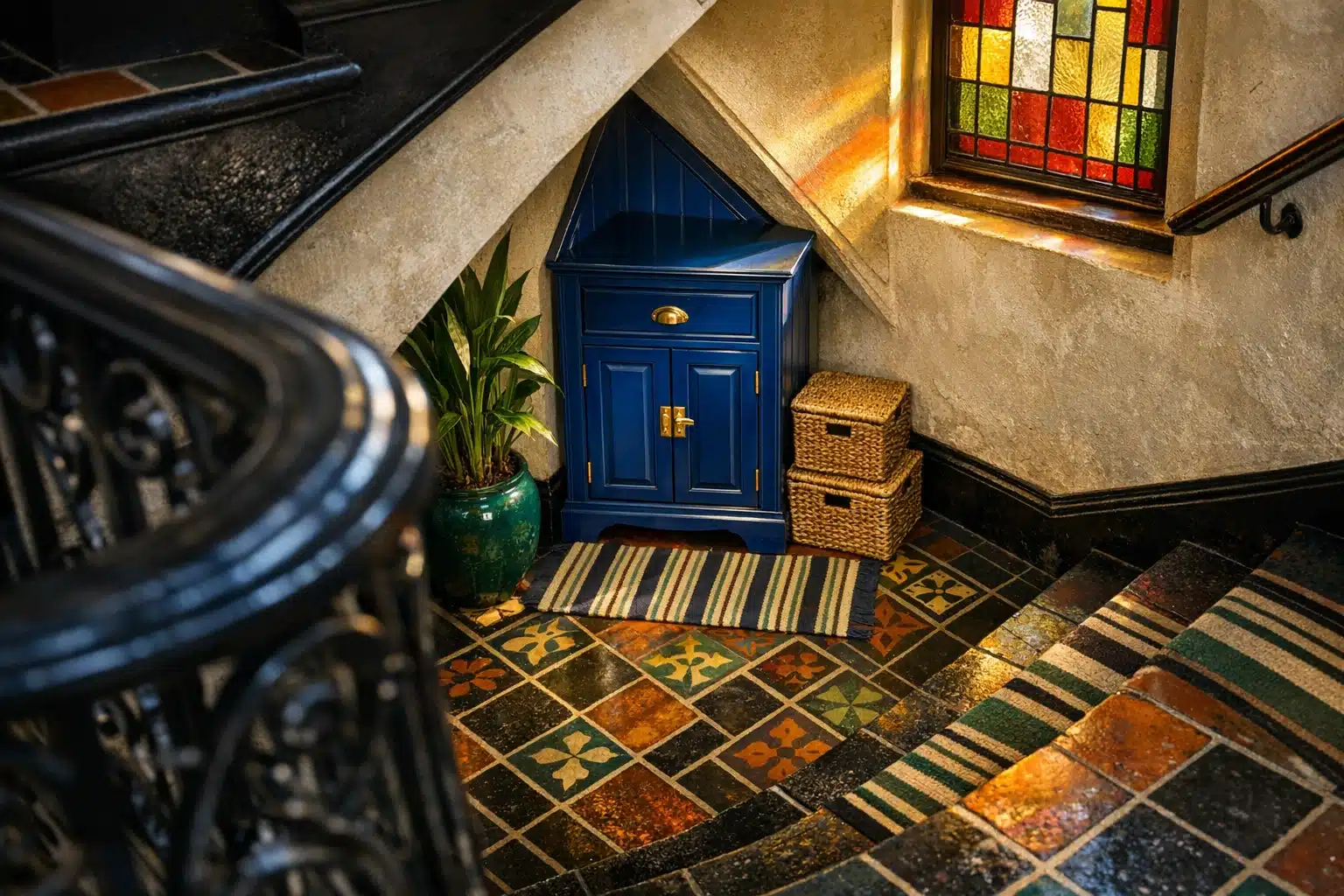
A Practical Guide to Buying Second-Hand Cabinets
Second-hand cabinets sit at the crossroads of style, budget, and practicality, making them a smart option for anyone furnishing a home without draining savings. A well-chosen used piece can offer stronger materials, warmer character, and better craftsmanship than many flat-pack alternatives. It also keeps usable furniture in circulation, which matters in an era of rising waste and fast turnover. Whether you need extra kitchen storage, a hallway statement piece, or a workshop organizer, the used market rewards careful shoppers. This guide shows how to spot value, avoid costly mistakes, and buy with confidence.
Outline
1. Why second-hand cabinets are worth considering. 2. How to inspect build quality and condition. 3. Where to shop and how different sources compare. 4. How to clean, restore, and customize a used cabinet. 5. A practical conclusion for buyers who want value, function, and lasting appeal.
Why Second-Hand Cabinets Are Worth Considering
Second-hand cabinets appeal to buyers for three clear reasons: cost, character, and practicality. In many local markets, a used cabinet made from solid wood can cost less than a newly manufactured unit built from particleboard or medium-density fiberboard. Prices vary by region and style, but it is common to see a sturdy second-hand cabinet in the 80 to 250 dollar range, while comparable new storage furniture can easily climb higher once delivery fees and assembly costs are added. For shoppers trying to stretch a decorating budget, that difference matters. Saving money on one furniture piece can free funds for lighting, rugs, tools, or small repairs elsewhere in the home.
There is also a quality argument that deserves attention. Older cabinets were often built with thicker panels, better joinery, and hardware designed to be repaired rather than discarded. That does not mean every used cabinet is superior, but it does mean the second-hand market includes pieces with a level of craftsmanship that can be expensive to buy new. Open a drawer on a well-made older cabinet and you may find dovetail joints, smooth wood runners, or interior shelves cut from real timber rather than thin laminated board. These are not romantic details for furniture lovers alone; they directly affect durability. A cabinet that stays square, supports weight well, and handles years of daily use is often the better long-term value.
Style is another reason used cabinets keep drawing people in. New furniture lines often follow a narrow set of trends, while the pre-owned market offers everything from painted farmhouse cupboards to mid-century sideboards, metal workshop cabinets, office storage units, and compact bathroom pieces. A second-hand cabinet can anchor a room the way a good supporting actor elevates a film: quietly, confidently, and without begging for applause. It can soften a modern apartment, add depth to a renovated kitchen, or bring warmth to a home office full of screens and cables.
Then there is the environmental case. Reusing furniture extends the life of materials that have already been harvested, manufactured, and transported. Furniture disposal contributes to bulky waste in many communities, and buying second-hand is one practical way to reduce demand for short-lived, disposable items. For buyers who want a home that feels thoughtful rather than hurried, a used cabinet offers more than storage. It offers function with a lighter footprint and often a better story.
How to Inspect Quality, Condition, and Hidden Problems
Buying a second-hand cabinet starts with careful inspection, not optimism. A beautiful photo can hide warped doors, swollen panels, missing shelves, or odors that never truly leave. The goal is not to find a flawless piece, because minor scratches and worn edges are normal in used furniture. The goal is to separate cosmetic imperfections from structural problems. Start with the basics: measure the cabinet, then measure the space where it will live. Include width, depth, height, and the clearance needed for doors or drawers to open. Plenty of good buys become bad buys simply because they do not fit through a stairwell, block a radiator, or overwhelm a small room.
Next, inspect how the cabinet is built. Solid wood tends to show grain variation and weight, while veneer-covered pieces may reveal thin outer layers along edges or corners. Veneer is not automatically a problem; many high-quality cabinets use it. What matters is whether it is stable or lifting. Check corners, backs, shelf supports, and drawer bottoms. Wiggle the piece gently. If it rocks, the issue may be uneven flooring, but it can also indicate a twisted frame or loose joints. Open every door and drawer. They should move with reasonable ease and align when closed. A drawer that sticks may only need wax or adjustment, but one that sags badly may need rebuilding.
Use your senses. Look for water stains, especially near the base and top. Smell for mildew, smoke, or heavy fragrance used to hide something unpleasant. Run a hand along the underside and back panel for softness, crumbling material, or pest damage. If the cabinet has glass, confirm it is secure and free from cracks. If it has metal parts, check for rust that affects function rather than just appearance. With older painted pieces, especially those that may date back several decades, be cautious about unknown finishes. If you plan to sand or strip paint, lead testing is a sensible step before restoration.
A simple checklist helps keep emotion out of the purchase:
• Is the frame solid and level
• Do doors close properly
• Do drawers slide and support weight
• Are shelves present and secure
• Is there visible water damage, mold, or infestation
• Will the cabinet fit your room and your route inside
Cosmetic flaws can often be fixed. Structural failures, deep odors, and severe moisture damage usually cost more in time and materials than the bargain price justifies. When in doubt, think like a patient editor: cut what does not work, even if the cover looks promising.
Where to Buy Second-Hand Cabinets and How Sources Compare
The second-hand cabinet market is wide, and where you shop affects price, selection, and risk. Online marketplaces are often the first stop because they offer scale and convenience. Local listing platforms can reveal everything from nearly new office storage to antique hutches and salvaged kitchen units. The main advantage is variety. You can compare dimensions, styles, and prices quickly, then filter by distance. The drawback is that photos may be limited, descriptions can be vague, and availability moves fast. Good pieces disappear quickly, while problem pieces can linger behind flattering camera angles.
Thrift stores and charity shops are useful for budget hunters who enjoy browsing in person. Prices are sometimes lower than online listings, especially for less fashionable styles. You also get the chance to inspect drawers, hinges, and finishes directly. However, stock is unpredictable. One week brings three oversized entertainment cabinets from another era; the next week brings nothing at all. Patience is part of the method. Estate sales are different again. They can be excellent sources for older, better-made furniture because the items often come from long-term homes rather than quick turnover resellers. On the other hand, competition can be sharp, and the best pieces may sell in the first hour.
Architectural salvage yards and reuse centers deserve more attention than they usually get. They often carry built-in cabinets, workshop storage, utility cupboards, and older kitchen units removed during renovations. These places are especially useful if you care more about durability and character than matching sets. They may also have replacement hardware, hinges, or reclaimed shelves that help complete a project. Auctions and consignment shops can yield strong finds too, though pricing may reflect curation, dealer knowledge, or local demand.
Each source comes with trade-offs:
• Online marketplaces: broad selection, faster comparisons, higher need for caution
• Thrift stores: lower prices, hands-on inspection, inconsistent inventory
• Estate sales: strong craftsmanship, quick competition, limited decision time
• Salvage yards: durable utility options, unusual sizes, more cleaning required
• Consignment shops: curated pieces, easier browsing, often higher prices
When comparing cabinets, avoid focusing only on the ticket price. Factor in transport, repairs, missing shelves, replacement hardware, and the hours needed to clean or refinish the piece. A cabinet priced at 60 dollars may become a 200 dollar project after delivery and materials. Meanwhile, a 180 dollar cabinet that needs nothing but a wipe-down can be the smarter purchase. The best source is not universal; it depends on whether you value speed, low cost, special design, or ready-to-use condition.
Cleaning, Restoring, and Customizing a Used Cabinet
One of the pleasures of buying second-hand cabinets is that improvement can happen in layers. Some pieces need only a basic cleaning, while others invite a fuller makeover. Start with the least aggressive method. Remove dust with a vacuum brush or dry cloth, then clean surfaces with a mild soap solution suited to the cabinet material. Avoid soaking wood. Excess moisture can raise grain, loosen veneer, or swell joints. For greasy residue, especially on kitchen cabinets, a degreasing cleaner designed for finished surfaces may help. Always test in an inconspicuous spot first. The aim is to reveal the cabinet’s real condition before deciding what comes next.
Small repairs often make a dramatic difference. Tightening screws, reattaching loose knobs, adjusting hinges, and lubricating drawer runners can transform a cabinet from annoying to dependable in under an hour. If shelves are missing, custom-cut replacements are often easier and cheaper than buyers expect. A carpenter, hardware store, or home improvement center may be able to cut boards to size. Peeling veneer can sometimes be reglued, while minor chips on painted pieces can be filled and touched up. Sanding should be approached carefully. Veneer can be thin, and aggressive sanding may do more harm than good. For old painted cabinets, especially if the finish is unknown, lead-safe precautions are worth taking before scraping or sanding.
Customization is where second-hand cabinets become especially rewarding. Hardware alone can shift the mood of a piece from dated to refined. New knobs, cup pulls, or handles can alter style without erasing the cabinet’s original character. Paint offers a bigger transformation, but it works best when guided by function as well as taste. A cabinet in a dark hallway may benefit from a lighter color that reflects more light. A utility cabinet in a laundry room can wear a bolder shade because practicality matters more than formal coordination. Interior upgrades also count. Shelf liner, baskets, labels, motion lights, and dividers can make an old cabinet feel sharper and more useful than it did when first made.
Helpful upgrades often include:
• Swapping weak or rusty hardware
• Adding adjustable shelves
• Lining drawers for easier cleaning
• Installing soft felt pads under feet
• Using baskets or bins to organize deep interiors
A restored cabinet does not need to look brand new to feel successful. In fact, a few signs of age can be part of the appeal. The goal is not to erase the past until the piece looks anonymous. It is to make the cabinet clean, safe, functional, and visually at home where you live. That balance is where second-hand furniture stops being a compromise and starts feeling like a deliberate design choice.
Conclusion: Buying Used Cabinets with Confidence
For renters, first-time homeowners, practical families, and anyone trying to create a more organized space without overspending, second-hand cabinets offer a rare combination of value and flexibility. They can solve everyday storage problems, contribute character to a room, and sometimes outperform cheaper new options in strength and lifespan. The key is to buy with a calm process rather than impulse. Measure first. Inspect construction closely. Ask questions about age, materials, repairs, and previous use. Compare the real total cost, including transport and touch-ups, not just the seller’s price. That kind of discipline turns a risky purchase into an informed one.
It also helps to match the cabinet to your actual needs. A narrow hallway may need vertical storage instead of a deep sideboard. A home office may benefit more from adjustable shelving than from decorative doors. A garage cabinet can tolerate dents and worn paint if the frame is solid, while a dining room cabinet may need stronger visual presence. In other words, the best second-hand cabinet is not necessarily the prettiest one on the screen. It is the one that fits your room, your routine, and the amount of work you are realistically willing to do.
Before you commit, run through a simple final review:
• Does it fit your space and the path into your home
• Is the structure sound enough for daily use
• Can you clean or repair it with reasonable effort
• Does the final price still make sense after extras
• Will it genuinely improve storage or layout
The used market rewards curiosity, patience, and a bit of practical skepticism. Some days you will find nothing but oversized relics and wobbling disappointments. Then suddenly, between the ordinary and the overlooked, a cabinet appears that seems made for your corner, your budget, and your life. That is the charm of buying second-hand. For readers who want smarter spending, less waste, and furniture with more substance than flash, used cabinets are not a backup plan. They are often the more thoughtful choice.