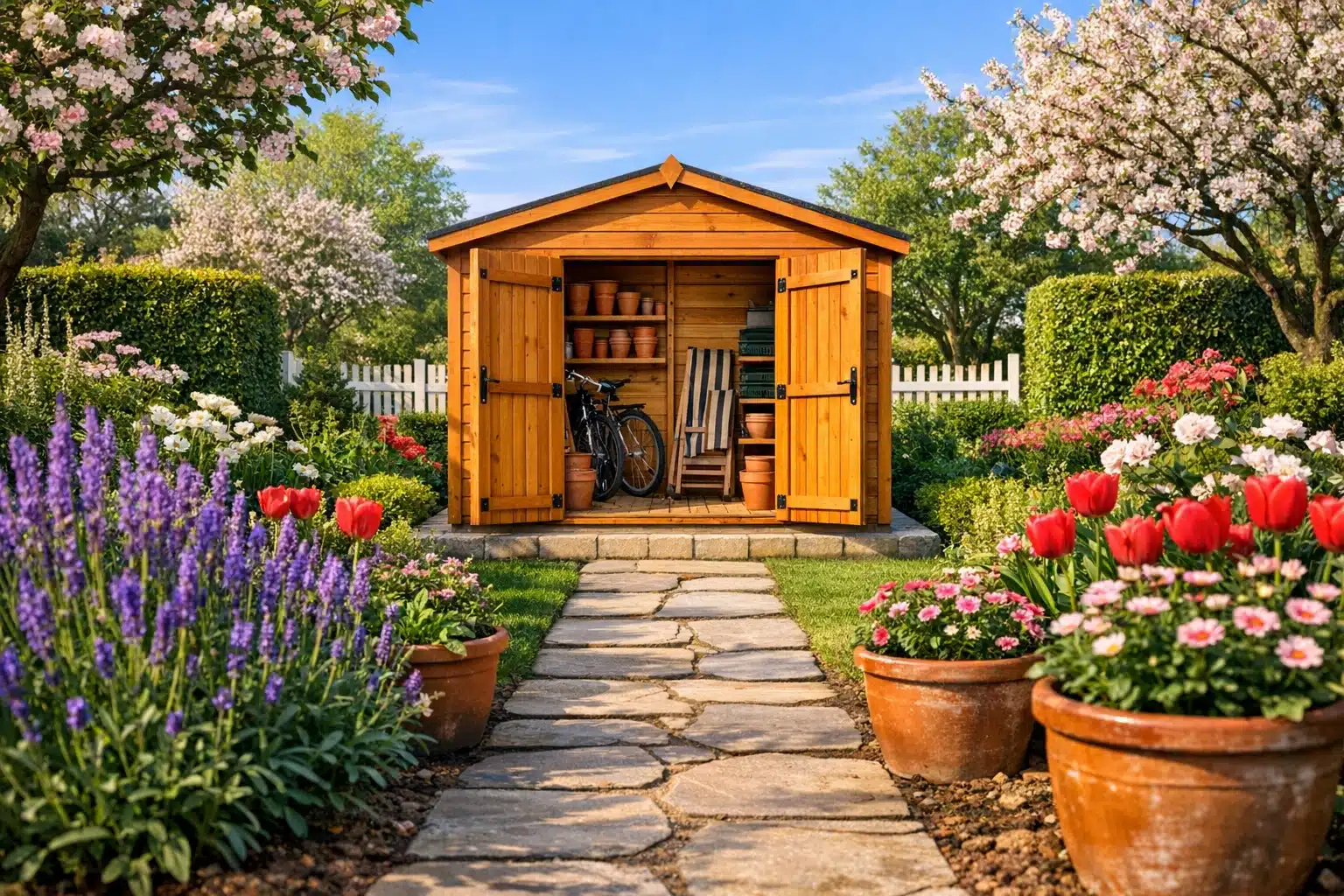
A Practical Guide to Unsold Garden Sheds
Unsold garden sheds sit in a curious corner of the home and garden market: perfectly usable buildings that missed a season, a showroom slot, or a buyer’s exact taste. For homeowners, that makes them worth a close look because leftover stock can offer solid value without drifting into low-quality territory. The real advantage is not only price, but also the chance to buy a structure that is already visible and easier to judge in person. This guide shows how to separate a genuine bargain from a shed that may cost more to fix, move, or maintain.
Article Outline
- What unsold garden sheds are and why they remain available
- The main benefits, trade-offs, and material comparisons
- A practical inspection checklist before buying
- How to compare costs, negotiate, and plan delivery
- Conclusion and decision advice for budget-conscious buyers
1. What Counts as an Unsold Garden Shed?
An unsold garden shed is not one single product type. It is a sales category that can include floor models, discontinued lines, cancelled orders, overstock units, flat-pack sheds left from a seasonal promotion, or assembled display buildings sitting at the edge of a dealer’s yard. That distinction matters because the reason a shed remains unsold often tells you as much about its value as the shed itself. A display model that spent six months outdoors may still be structurally excellent, while a cancelled custom order might be nearly new but designed around a very specific size or roofline that does not suit every garden.
In most markets, sheds follow a clear seasonal pattern. Demand tends to rise in spring and early summer when homeowners are thinking about landscaping, outdoor storage, and small garden projects. By late summer and autumn, retailers may be more willing to discount remaining inventory to free up yard space and reduce storage costs before colder weather arrives. That does not make every leftover unit a hidden gem, but it does explain why unsold sheds are common even when there is nothing seriously wrong with them.
Common reasons a shed remains unsold include:
- It was a showroom display and buyers wanted a boxed unit instead
- The size was awkward for the average garden plot
- The color or cladding style was less popular than expected
- A special order was cancelled before delivery
- The retailer brought in too much stock for the season
- A newer model replaced it in the catalogue
It is also useful to separate “unsold” from “damaged” and “used.” Some sellers blur those lines. A shed that has been assembled for display may show light wear, but it should still be described honestly. A returned shed with missing fixings or warped panels needs a different level of scrutiny. In other words, unsold does not automatically mean defective, and new does not automatically mean perfect.
Think of these sheds as the wallflowers at a garden party. Some were overlooked for shallow reasons; some are standing in poor light; and a few really do have problems once you get close. A careful buyer asks why the shed is still there, how long it has been stored, whether it has been exposed to rain, and what is included in the price. Those questions turn a vague bargain hunt into a practical purchasing decision grounded in condition, suitability, and total cost.
2. Benefits, Trade-Offs, and Material Comparisons
The appeal of an unsold garden shed usually begins with value, but value is broader than a reduced sticker price. A buyer may save money, receive faster delivery, and inspect the exact unit before purchase. That last point is especially helpful. With a made-to-order shed, you are often buying from specifications and sample photos. With an unsold model, you can see the cladding, check the door swing, inspect the roof covering, and judge whether the internal height actually feels comfortable. For many homeowners, that removes a layer of uncertainty.
There are several practical advantages worth weighing:
- Potential discounts due to end-of-season clearance or stock rotation
- Immediate availability compared with custom manufacturing lead times
- The ability to inspect the actual unit rather than a brochure image
- Occasional inclusion of extras such as shelving, windows, or treated timber
- Less risk of size misunderstanding because the structure can be measured on site
Still, reduced price should never be confused with universal savings. Unsold sheds often come with compromises. The size may not be ideal, the color may clash with your fence line, or the model may need dismantling and transport. A dealer may also offer a shorter warranty on a display unit, particularly if weather exposure has already begun to affect the finish. If the roof felt has lifted, fasteners are incomplete, or the base frame has twisted during storage, a “cheap” shed can become expensive once repairs and installation are added.
Material choice shapes the trade-off further. Timber sheds remain popular because they are easy to modify, paint, insulate, and repair. If you want to add shelves, hang tools, or create a potting corner, wood is flexible and forgiving. However, timber needs routine maintenance. Untreated or poorly maintained boards can absorb moisture, leading to swelling, fungal decay, or surface cracking over time. Resin sheds, by contrast, resist rust and rot and are generally lower maintenance, though they can look less natural in traditional gardens and may feel less rigid in very windy areas if not anchored properly. Metal sheds offer durable panels and good resistance to pests, but condensation can be an issue without ventilation, and dents are harder to hide once they happen.
A sensible comparison is not “Which shed is best?” but “Which shed suits my climate, budget, and intended use?” If you need a simple mower-and-bicycle store, an unsold resin or metal model may be perfectly sensible. If you want a small workshop or hobby room, a discounted wooden shed may offer more long-term flexibility. The bargain becomes real only when material, condition, and purpose line up neatly.
3. How to Inspect an Unsold Shed Before You Buy
Inspection is where enthusiasm needs a firm handshake from common sense. A shed may look charming from ten feet away, especially when staged beside flower pots and a neatly swept display yard, but the practical questions begin at close range. Start with the structure itself. If the shed is assembled, stand back and check whether it sits square. Doors that do not hang evenly, windows that appear slightly skewed, or wall panels that bow outward can point to poor assembly, movement in storage, or a distorted base. Those flaws are not always fatal, but they deserve attention before you agree on price.
Move next to the timber, resin, or metal components. With wooden sheds, inspect for soft spots, surface mould, splitting, raised grain, and signs of water sitting along lower boards. Pressure-treated timber generally offers better resistance to moisture and insects than untreated softwood, but it is still worth checking the end grain and the bottom edges where wear shows first. On metal sheds, look for scratches that have penetrated protective coatings, because exposed areas may corrode earlier. On resin sheds, check for cracking around screw points, sun fading, and any warping where panels were stored unevenly.
A careful inspection checklist should include:
- Roof condition, including felt, shingles, panels, or seals
- Floor strength and visible sagging, especially near the doorway
- Door alignment, hinges, handles, and locking hardware
- Wall panel integrity and signs of warping or impact damage
- Ventilation openings and whether they are blocked or missing
- Glazing condition on windows or skylights
- Missing fixings, brackets, trim pieces, or assembly instructions
- Evidence of prolonged damp storage or pooling water
Do not forget the base requirements. Many shed problems begin below the walls. A good shed on a poor foundation will soon develop sticking doors, roof strain, and accelerated wear. Ask what base the manufacturer recommends: concrete slab, paving, plastic grid, or treated timber bearers. If the unsold unit was assembled on uneven ground for display, some misalignment may disappear after correct installation, but you should not assume that all visible issues are temporary.
Documentation matters too. Ask whether the shed is sold as new stock, display stock, or clearance stock with disclosed defects. Confirm dimensions, internal headroom, roof overhang, and whether the quoted size refers to the base or the widest external point. If you live in an area with planning rules, homeowners’ association restrictions, or boundary limits, precise measurements are more than a technical detail. They are the difference between a smooth installation and a costly rethink.
Lastly, trust what you see more than what you hope. If a seller describes a defect as “cosmetic only,” ask how they know. If parts are missing, request a full list in writing. A careful inspection does not make you difficult; it makes you the kind of buyer who understands that timber, screws, and roof felt do not become cheaper once the shed is in your garden and the problem is yours alone.
4. Buying Smart: Pricing, Negotiation, Delivery, and Hidden Costs
Buying an unsold garden shed becomes a smart move only when you calculate the full cost, not just the discount. A unit marked down by 20 or 30 percent can still lose its appeal if delivery is expensive, installation requires specialist labor, or missing parts force you into a second round of spending. That is why the best buyers treat the price tag as the starting point of the conversation rather than the final answer.
Begin by comparing the unsold unit with the current price of an equivalent new shed. Use similar material, thickness, roof type, floor inclusion, and treatment level when comparing. A display model may look like a bargain until you discover that a boxed version on promotion includes better hardware and a full warranty. On the other hand, if the unsold model includes shelves, upgraded glazing, or heavier framing, the advertised discount may understate its real value.
Useful questions to ask a seller include:
- Is this a floor model, cancelled order, returned item, or seasonal clearance unit?
- What warranty still applies, and does it cover structural issues?
- Are all fixings, instructions, and roof components included?
- Can the shed be delivered assembled, partly dismantled, or flat-packed?
- Is installation available, and if so, what site conditions are required?
- Are there visible defects already noted on the invoice?
- Will the seller reduce the price further if I arrange my own collection?
Negotiation works best when it is specific and calm. Instead of simply asking for “a better deal,” point to measurable factors: faded treatment, a shortened warranty, minor roof wear, or the need for dismantling. Retailers are often more flexible when a buyer is informed and ready to proceed. Timing helps as well. End-of-season clearance, stockyard overcrowding, and catalogue changeovers can improve your chances of securing a practical reduction or free extras such as installation, anchoring kits, or preservative treatment.
Do not overlook transport logistics. An assembled display shed may need professional dismantling to pass through gates or travel safely. Reassembly adds labor, and poorly labeled parts can turn a simple job into an afternoon of avoidable frustration. If you are handling the work yourself, check whether panels are numbered, whether roof sections remain intact, and whether the seller has assembly diagrams. A cheap shed that arrives as a puzzle with missing pieces is not a bargain; it is a weekend tax on your patience.
Finally, build a realistic total-cost estimate. Include base preparation, delivery, installation, preservative or paint, security locks, shelving, and possible guttering. Many buyers focus on the headline discount and ignore the quiet expenses waiting behind it. When those are included, the right unsold shed still may represent strong value, but the decision will rest on clear arithmetic rather than the thrill of a clearance sign.
5. Conclusion: Who Should Buy an Unsold Garden Shed?
Unsold garden sheds make the most sense for buyers who are flexible, observant, and clear about how the building will be used. If you need a neat place for tools, compost bags, bicycles, or seasonal furniture, a leftover model can be a practical shortcut to extra storage. If you are hoping to create a workshop, home office annex, or insulated hobby room, the decision deserves more caution because structure quality, headroom, floor strength, and weather resistance matter more over the long term. In short, unsold sheds suit decisive buyers best, but only when that decisiveness is paired with inspection and planning.
The right buyer usually fits one of three profiles. First, there is the budget-conscious homeowner who wants dependable storage without paying for a bespoke design. Second, there is the practical gardener who values immediate availability during a busy season. Third, there is the hands-on improver who does not mind repainting, resealing, or adding hardware to tailor a shed after purchase. Buyers outside those groups can still do well, but they should be careful not to compromise on size, quality, or base preparation simply because the initial price looks tempting.
A useful final decision framework is simple:
- Buy if the shed fits your space, purpose, and budget after all costs are included
- Buy if the condition is verified and any defects are clearly priced in
- Buy if transport, installation, and aftercare are realistic for your situation
- Walk away if the seller is vague about damage, missing parts, or warranty limits
- Walk away if the dimensions are “close enough” but not truly suitable for your garden
There is something satisfying about giving an overlooked structure a proper place in a working garden. One homeowner sees old stock; another sees a future home for seed trays, pruning shears, and the muddy boots that should never cross the kitchen floor. That small shift in perspective is where the best purchases happen. Not because the shed was unsold, but because the buyer understood exactly what it was worth.
For readers considering this route, the key lesson is straightforward: treat an unsold shed like a visible, inspectable asset, not a mystery-box discount. Measure carefully, inspect thoroughly, compare honestly, and price the whole project rather than the building alone. Do that, and an unsold garden shed can become one of the more sensible purchases in a home and garden budget.