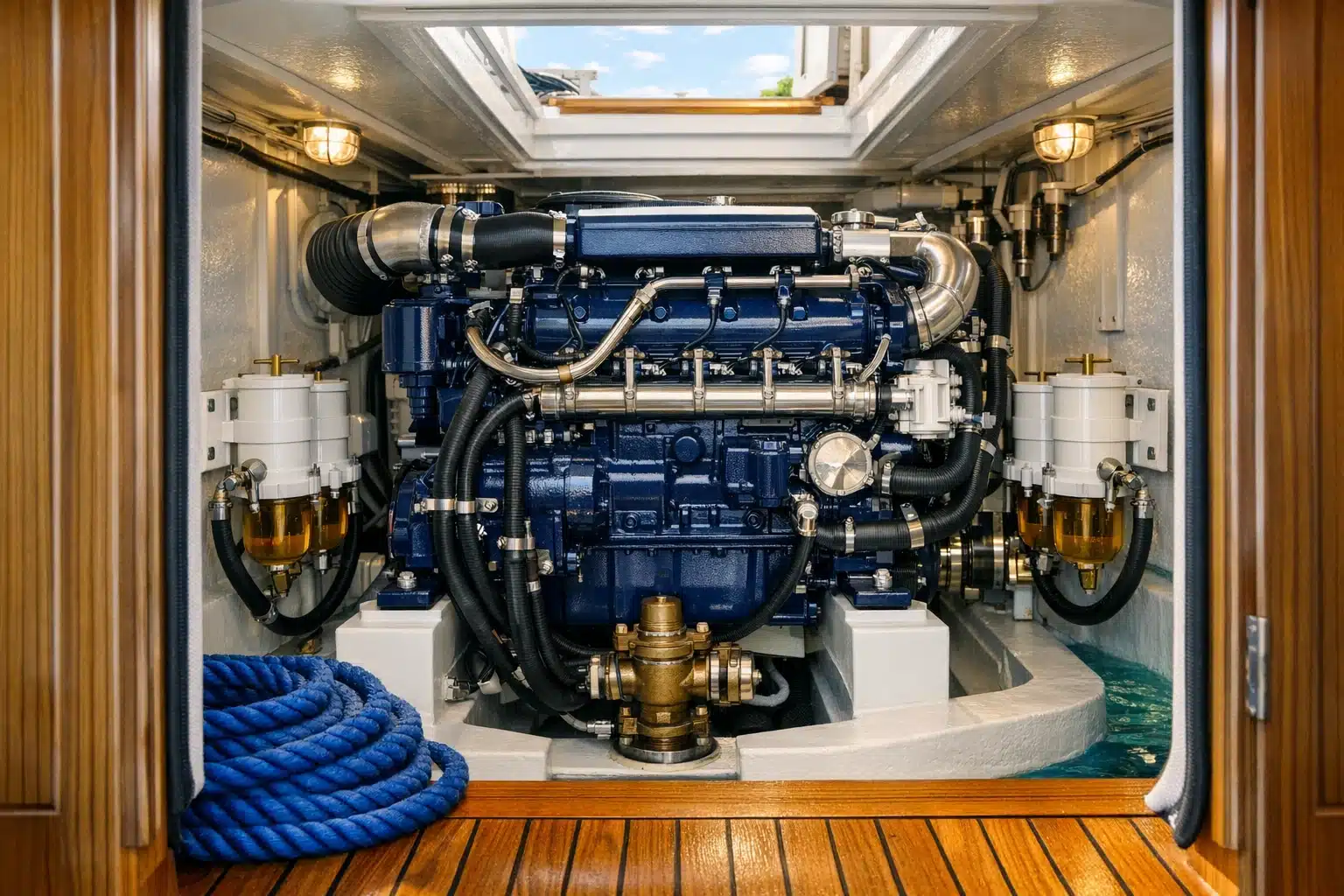
A Practical Guide to Used Marine Diesel Engines
A used marine diesel engine can be a lifeline for a workboat, cruiser, or refit project when new equipment sits beyond the budget or the timeline. It offers a chance to put serious machinery back to work, but only if the buyer looks past paint, polish, and seller optimism. In the marine world, corrosion hides in passages, hours tell only part of the story, and a missing service record can be louder than a knock at idle. This guide explains how to assess value, manage risk, and choose an engine that suits the hull as well as the mission.
Article outline: this guide begins with the practical role of used marine diesel engines and the reasons they remain in demand. It then moves through inspection, fitment, documentation, cost planning, and final buying strategy, so readers can build a decision from first glance to final handshake.
Why Used Marine Diesel Engines Still Matter in Modern Boating
Used marine diesel engines remain relevant because they solve a very real problem: boats often outlast their original powerplants, but owners do not always want or need the cost of a brand-new engine package. A sound second-hand engine can extend the life of a fishing boat, tug, trawler, patrol craft, or private cruiser at a far lower entry cost. In many repower projects, the hull, shafting, fuel system, and onboard layout still have years of useful life left. Replacing only the engine can be the most practical path, especially when the vessel already matches the owner’s operating style and route.
Diesel continues to dominate many marine applications for clear technical reasons. Compared with gasoline engines in similar heavy-duty roles, marine diesels are prized for low-end torque, durability, and fuel economy under sustained load. Well-designed diesel engines can convert a large share of fuel energy into usable work, and in marine service that matters because boats push through constant drag rather than coasting on momentum. The result is an engine type that suits long runs, working hours, and predictable cruising speeds.
The used market is wide and varied. Some engines come from insurance losses or decommissioned vessels, which require extra caution. Others are “take-outs” removed during upgrades, commercial fleet rotations, or refits where owners wanted more power, quieter operation, or cleaner emissions. That difference matters. A properly removed take-out with records, preserved cooling passages, capped openings, and documented running history is very different from an engine that sat open in a damp yard with salt in the manifolds.
It also helps to understand the basic categories a buyer will encounter:
• Mechanical-injection engines are often valued for simpler diagnostics and broad serviceability.
• Electronically controlled engines may offer better monitoring and refinement, but repairs can depend more heavily on software access and specialized parts.
• Naturally aspirated engines are typically simpler, while turbocharged models produce more power from a given displacement but add complexity through turbos, aftercoolers, and tighter thermal loads.
Brand reputation matters, but it is not the whole story. A respected name such as Caterpillar, Cummins, Yanmar, Perkins, Volvo Penta, Scania, John Deere, Detroit Diesel, or MAN may improve parts availability and resale confidence, yet even a strong brand cannot rescue a neglected engine. In practice, used buyers should focus less on the badge and more on three things: maintenance history, suitability for the boat, and support after purchase. In the engine room, romance fades quickly. What remains is torque, temperature, oil pressure, and whether the machine can be trusted when the shoreline disappears astern.
How to Inspect a Used Marine Diesel Engine Before Money Changes Hands
The inspection phase is where good intentions meet mechanical reality. A seller may describe an engine as “running when removed,” but that phrase covers a vast range of conditions, from healthy take-out to tired core. The smartest buyers build an inspection process that moves from paperwork to visual examination, then to fluid analysis, mechanical testing, and ideally a sea trial or bench run. A used diesel should be evaluated as a system, not as a painted block with a starter attached.
Start with records. Ask for serial numbers, service invoices, overhaul history, injector or pump work, cooling-system maintenance, oil-change intervals, and any storage procedures used after removal. Hours are helpful, but they are never enough on their own. A 4,000-hour engine operated at steady commercial load with regular service can be a better prospect than a 1,500-hour engine that spent years idling, overheating, or sitting with untreated seawater in the heat exchanger. Look for consistency. If the claimed hours, cosmetic condition, and paperwork do not line up, slow down.
Next comes the visual check. Inspect for rust streaking around gaskets, salt crystallization near pump housings, oil seepage at turbo oil lines, loose wiring, broken mounts, and damaged harness connectors. Open cooling-system components where possible. Heat exchangers, aftercoolers, and exhaust elbows often tell the truth that paint tries to hide. Corrosion inside these parts can turn a “cheap” engine into an expensive lesson, particularly on seawater-cooled systems.
A practical inspection list often includes:
• Cold start behavior, especially how quickly the engine fires and whether it needs excessive throttle or cranking
• Smoke color and duration: persistent white smoke may suggest incomplete combustion or coolant issues, black smoke under load may point to overfueling or air restriction, and blue smoke can indicate oil burning
• Oil condition, including signs of metal, fuel dilution, or emulsification
• Coolant condition, including contamination, rust, or evidence of neglected chemistry
• Turbocharger shaft play, boost plumbing leaks, and aftercooler condition
• Crankcase pressure or visible blow-by at operating temperature
Oil analysis is one of the most useful low-cost tools in this process. A lab can identify wear metals, silicon from dirt entry, sodium or potassium associated with coolant leaks, and fuel contamination. Compression testing, injector balance checks, borescope inspection, and coolant pressure testing add even more confidence when accessible. If the engine is installed, insist on a proper run-up. Watch temperature stability, oil pressure behavior, charging output, vibration, and response to load. An engine that starts cleanly, reaches operating temperature correctly, and holds steady readings under demand tells a much more convincing story than one that merely idles in neutral at the dock. When in doubt, pay a marine diesel technician to inspect it. Compared with a failed repower, that fee is usually cheap insurance.
Matching the Engine to the Boat and Verifying Its Background
Finding a mechanically sound engine is only half the job. The other half is confirming that it actually fits the boat, the drivetrain, and the intended use. Many costly repower mistakes happen not because the engine was “bad,” but because it was wrong for the vessel. Marine engines live in a tightly connected system that includes transmission ratio, shaft diameter, propeller sizing, mount location, exhaust routing, cooling capacity, and available engine-room space. A used engine that looks attractive on a pallet can become a fabrication project once it meets the hull.
Begin with the basics: power, torque curve, weight, dimensions, mount footprint, and rotation. Marine ratings matter here. One engine may advertise a headline horsepower figure, but the rating could be suitable only for light duty or short bursts rather than continuous commercial use. A displacement trawler, a fast patrol boat, and a net hauler ask very different things from an engine. The propeller load must match the power band. Too much propeller can overload the engine and shorten its life. Too little can leave fuel efficiency and control on the table.
Compatibility checks should include:
• Bellhousing and gearbox compatibility
• Transmission ratio versus target propeller size and vessel speed
• Engine mount spacing and bed condition
• Shaft alignment and coupling dimensions
• Wet exhaust or dry exhaust configuration
• Cooling arrangement, including raw-water and freshwater circuits
• Electrical system voltage, control panels, and sensor compatibility
Background verification is equally important. Ask where the engine came from and what type of work it performed. An engine removed from a lightly used auxiliary sailboat may have low hours but long idle periods and age-related corrosion. A commercial engine can show high hours yet still be a reasonable buy if it has documented maintenance, proper load history, and recent service to injectors, pumps, turbos, or coolers. Storage after removal matters as well. Engines that were fogged, sealed, and kept dry tend to fare much better than those left open to marine air.
Serial numbers should be checked against manufacturer data plates and any supporting documents. Where possible, contact an authorized dealer or experienced independent specialist to confirm model details, production year, superseded parts, and known service bulletins. Parts support is not a minor point. An older engine with a durable block but scarce electronic modules, unique injector pumps, or obsolete heat-exchanger castings may be harder to keep in service than a slightly newer engine with robust aftermarket supply.
Finally, do not forget regulations and practical ownership factors. Certain commercial applications, charter operations, and local waters may involve emissions rules or insurance requirements that affect engine choice. A bargain is not much of a bargain if it cannot be documented, installed cleanly, or serviced without custom hunting every time a hose, seal, or sensor fails. The right used marine diesel is not simply available; it is appropriate, traceable, and supportable long after the sale.
The Real Cost of Ownership: Purchase Price, Rebuild Risk, and Parts Support
One of the biggest myths in the used marine engine market is that a lower purchase price automatically means a lower-cost repower. In reality, the price on the invoice is only the starting point. Many buyers save money on the engine itself and then lose that advantage through transport, installation surprises, missing accessories, or a partial rebuild that becomes a full overhaul. To judge value honestly, think in terms of total landed and commissioned cost rather than auction price or classified ad price.
As a broad rule, used marine diesel engines can sell for far less than new equivalents, sometimes by a very large margin, particularly when they are older mechanical models or take-outs from refits. That discount is the attraction. The risk lies in what is not included. A seller may offer only the long block, while the buyer still needs the marine gear, controls, panel, mounts, harness, heat exchanger components, or exhaust parts. Freight for heavy machinery is another line item that grows quickly, especially for crated engines moving across borders or between islands and ports.
Common cost areas include:
• Purchase price of the engine and any gearbox
• Survey or mechanic inspection fees
• Crating, lifting, freight, customs, and local transport
• New hoses, mounts, belts, filters, fluids, and batteries
• Exhaust fabrication and cooling-system refurbishment
• Shaft, coupling, or propeller changes
• Electrical integration, gauges, and control setup
• Contingency for immediate repairs after commissioning
Rebuild risk deserves special attention. Small auxiliaries may need only injectors, hoses, and pump service, while larger turbocharged engines can require expensive machine work, new liners, pistons, bearings, aftercooler service, turbocharger repair, and fuel-system calibration. The cost can range from several thousand dollars into the tens of thousands depending on size, design, and labor rates. That does not mean used engines are poor value. It means buyers should identify whether they are purchasing a running asset, a serviceable core, or a project masquerading as a bargain.
Parts support often decides the true economics over the next five years. A cheap engine with scarce spares can create long downtime and inflated repair bills. By contrast, a widely supported engine with strong dealer networks or reputable aftermarket sources may cost more upfront yet prove easier to own. Mechanical engines often attract refit buyers for this reason: many components can be rebuilt by established diesel shops without depending on proprietary electronics. Still, that simplicity is not universal, and some older designs have become niche products.
The best budgeting habit is to add a realistic reserve before the engine ever turns the propeller. A sensible buyer asks, “What will this cost if two or three moderate issues appear in the first season?” If the answer breaks the project, the deal may not be right. Used marine diesels reward disciplined math, not hopeful arithmetic.
Final Thoughts for Boat Owners, Captains, and Refit Buyers
If you are the kind of buyer reading spec sheets at night, measuring engine beds on weekends, or comparing quotes while staring at an aging block in the bilge, a used marine diesel engine can make a great deal of sense. It can keep a working vessel productive, rescue a beloved cruiser from obsolescence, or make a refit financially possible. The key is to treat the purchase as a technical decision with operational consequences, not as a lucky find. Good used engines exist, but they tend to reward methodical buyers rather than impulsive ones.
Different buyers should weigh the decision differently. A private owner running seasonal trips may accept an older mechanical engine if parts are common and local service is available. A commercial operator often needs something more conservative: strong documentation, known duty history, predictable spares, and minimal downtime risk. A yard manager or project boat buyer may deliberately purchase a core engine at a lower price because the labor and fabrication are already built into the plan. None of these approaches is wrong. Trouble begins only when the buyer’s needs and the engine’s reality do not match.
A practical decision framework looks like this:
• Buy the cleanest documented example you can afford, not the cheapest engine in the listing feed
• Favor complete packages when possible, because missing marine components often cost more than expected
• Verify fitment before negotiating hard on price
• Budget for inspection and first-season contingencies
• Walk away from engines with vague history, serious corrosion, or evidence of overheating unless you are intentionally buying for rebuild value
There is also wisdom in knowing when not to buy used. If the boat supports revenue, if regulatory compliance is strict, if failure at sea would create severe business loss, or if proprietary components are already difficult to source, a new or factory-remanufactured option may offer better long-term value. The same may be true when the used engine needs so much adaptation that installation costs erase the savings.
For most readers, the winning approach is simple: inspect deeply, match carefully, document everything, and keep a realistic budget. A used marine diesel engine should not be purchased on appearance alone, and it should never be judged only by engine hours or a seller’s confidence. When condition, fit, provenance, and support all line up, the result can be deeply satisfying. The boat returns to service, the project regains momentum, and the engine room once again sounds less like uncertainty and more like purpose. That is the real value of buying well in the used marine diesel market.