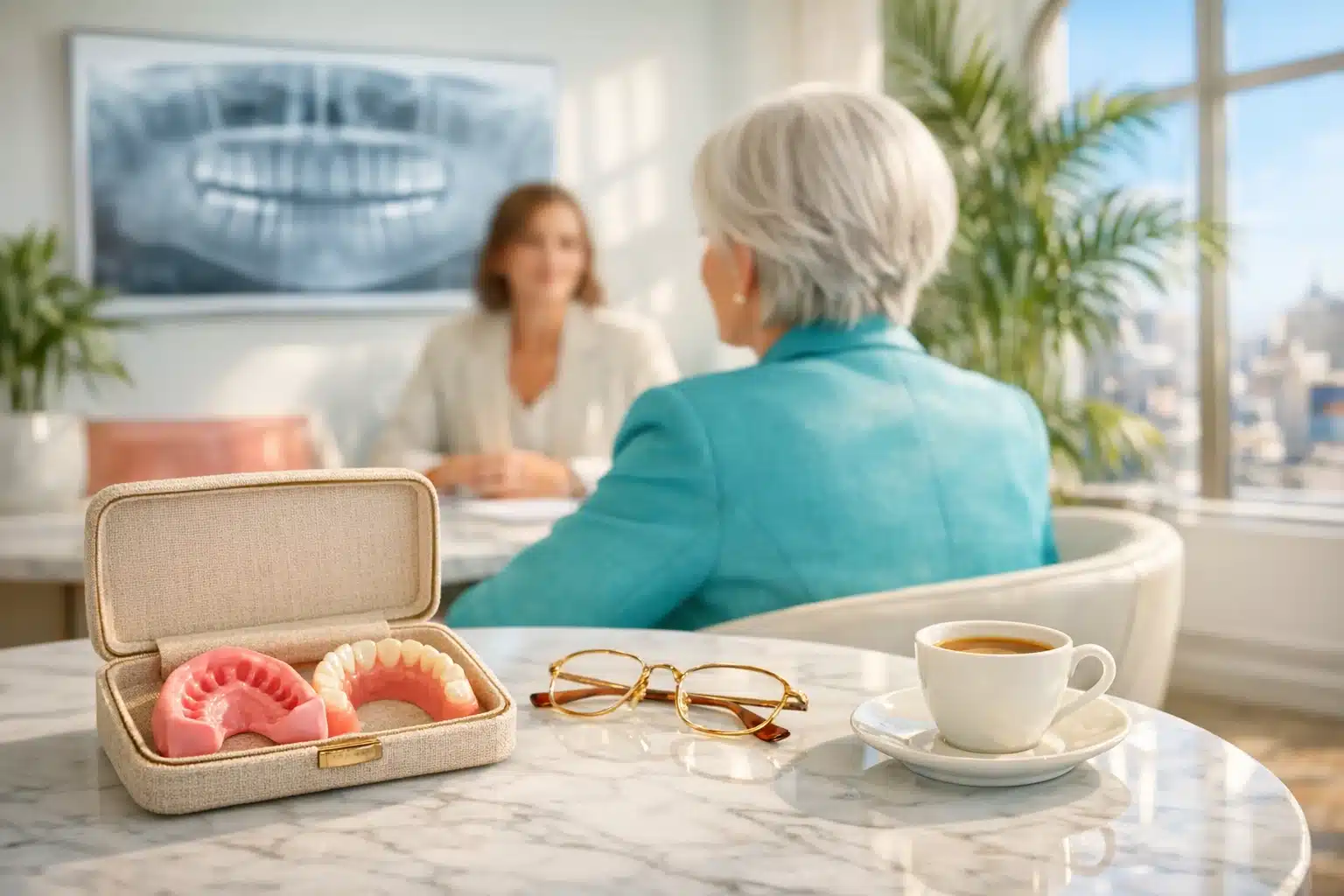
Aspen Dental Denture Pricing Guide for Seniors
Denture costs can feel murky, especially when you are comparing materials, extractions, fittings, and payment plans all at once. This guide explains how Aspen Dental denture pricing often works for seniors, what can raise the bill, and which questions matter before you agree to treatment. You will also see how insurance, financing, and follow-up care shape the real total. If you want fewer surprises and a clearer path to a comfortable fit, read on. A little preparation can save both money and frustration.
Outline
- How denture pricing is usually structured and why one flat number rarely tells the full story
- The main denture types seniors may be offered, with realistic pricing ranges and trade-offs
- Extra services that can increase the estimate, from exams and X-rays to extractions and relines
- Ways to lower out-of-pocket spending through insurance, Medicare Advantage, financing, and careful comparison
- How Aspen Dental compares with other options and what seniors should review before making a final decision
1. How Aspen Dental Denture Pricing Usually Works for Seniors
When seniors start researching dentures, the first surprise is often this: there is rarely one universal price. That is especially true with multi-location dental providers such as Aspen Dental, where office location, state regulations, lab costs, and individual treatment needs can all influence the estimate. In plain language, denture pricing is usually built in layers. The denture itself is only one part of the bill. The full total may also include the exam, dental imaging, tooth removal, temporary dentures, follow-up adjustments, relines, and sometimes future maintenance.
A useful way to think about the process is to separate the appliance from the treatment plan. The appliance is the denture you wear. The treatment plan is everything required to make that denture fit and function. For a senior with healthy gums and no remaining teeth, the path may be fairly direct. For someone with broken teeth, gum irritation, or bone changes after years of tooth loss, the road can be longer and more expensive. A denture quote is less like buying a pair of shoes and more like ordering a suit that also requires tailoring, fittings, and a few return visits.
Because official pricing can vary by office and time period, it is safer to work from broad U.S. market ranges rather than assume one posted number applies everywhere. Seniors commonly see price bands like these across the wider denture market:
- Economy full dentures: often around $600 to $1,500 per arch
- Mid-range full dentures: often around $1,500 to $3,000 per arch
- Premium full dentures: often around $3,000 to $5,000 or more per arch
- Partial dentures: often around $700 to $2,500, depending on materials and complexity
- Immediate dentures: often cost more because they involve extra steps before and after extractions
These are not guaranteed Aspen Dental prices, and they should not be treated as a quote. They are reference points that help seniors judge whether an estimate looks generally reasonable for the work involved. A lower figure may reflect a basic material, fewer cosmetic features, or limited included care. A higher figure may include more natural-looking teeth, stronger base materials, more appointments, or a better warranty.
Another point that matters for seniors: replacing both upper and lower teeth typically doubles the appliance cost, but not always in a perfectly neat way. Some offices may bundle certain services, while others list each item separately. That is why an itemized estimate is far more valuable than a single headline number. Before comparing providers, ask what is included, what is optional, and what could be added later. Clarity at the beginning can prevent a difficult conversation after treatment has already started.
2. Denture Types, Materials, and the Real Cost Drivers Behind the Quote
Not all dentures are built the same, and the type you need has a direct effect on price. Seniors often hear terms such as full denture, partial denture, immediate denture, conventional denture, premium denture, or implant-supported denture. Those labels are more than marketing language. Each one points to differences in materials, appearance, stability, fabrication time, and clinical complexity. Understanding those differences is one of the smartest ways to read a treatment estimate without feeling lost.
Full dentures replace all teeth on the upper or lower arch. They are generally recommended when no healthy teeth remain in that arch. Partial dentures are used when some natural teeth can still support chewing and appearance. In many cases, a partial denture may be less expensive than a full denture, but the final amount can still rise if metal frameworks, precision attachments, or multiple fittings are needed. Seniors who still have salvageable teeth should ask whether preserving those teeth could delay the need for a full denture, because saving teeth can sometimes protect both jaw structure and future costs.
Immediate dentures are another common source of confusion. These are made before extractions and placed soon after teeth are removed. They can be helpful because you do not spend weeks without visible teeth, which many patients appreciate for social confidence. However, they often cost more overall because the gums and bone change shape after extractions. That means adjustments or relines are frequently needed later. A conventional denture, made after healing, may fit better over time but requires waiting until the mouth stabilizes.
Material choice also matters. Lower-cost dentures may use simpler acrylic teeth and basic design features. Mid-tier and premium versions may offer stronger materials, a more natural tooth arrangement, better stain resistance, or a more lifelike gum appearance. For some seniors, the jump to a higher tier is worthwhile because they want improved comfort, speech, or confidence. For others, a practical mid-range solution is the sweet spot.
The real cost drivers usually include the following:
- Whether the denture is full, partial, or immediate
- The number of arches being treated
- Material quality and cosmetic finish
- Complexity of the bite and jaw relationship
- Need for repairs, soft liners, or relines
- Whether implants are part of the plan
Implant-supported dentures deserve special attention because they can dramatically increase the bill. They may improve stability and chewing power, but they involve surgery, healing time, and hardware costs. For many seniors, they are a premium option rather than a starting point. If they are recommended, ask whether the goal is medical necessity, better function, or convenience. That conversation can help you decide if the added expense matches your priorities rather than simply stretching your budget.
3. Hidden and Overlooked Charges: Exams, Extractions, Relines, Repairs, and Follow-Up Visits
A denture estimate can look manageable at first glance, then grow once the supporting services are added. This is the part of the process that often catches seniors off guard. The denture itself may be only the center of the wheel; the spokes around it are what turn a basic quote into a full treatment cost. If you are comparing Aspen Dental with any other provider, this is where itemization becomes essential.
Most denture cases start with an exam and some form of imaging. Panoramic X-rays or other scans help the dentist evaluate remaining teeth, roots, bone shape, and potential infection. These charges may seem small compared with the cost of the denture, but they still matter when you are living on retirement income. If teeth need to be removed, the estimate can climb further. Simple extractions are usually less costly than surgical extractions, and fees vary widely by region and difficulty. Bone smoothing or tissue preparation after extraction can add another layer when needed for a stable fit.
Then come the services many people do not budget for at all: adjustments, relines, and repairs. Dentures are not frozen in time. Gums and bone naturally change, especially after recent tooth loss. That means the fit you have in month one may not be the fit you have in month six. A reline reshapes the inside surface so the denture sits better. A soft liner can improve comfort for some seniors with tender gums. Repairs may be needed if a denture cracks or a tooth loosens. These are not rare events; they are part of long-term denture ownership.
Ask detailed questions about the following items before treatment begins:
- Is the consultation included or billed separately?
- Are X-rays or scans part of the quoted amount?
- How many follow-up visits are included after delivery?
- Will relines cost extra, and if so, when are they commonly needed?
- What happens if the denture causes sore spots or needs major adjustment?
- Is there a repair warranty or remake policy?
There is also a timing issue seniors should keep in mind. A quote given before extractions may change after the dentist sees how healing progresses. That does not automatically mean anyone is being unfair; it simply reflects how dental treatment can evolve once the mouth responds to care. Still, you deserve transparency. Ask for the base estimate, the likely add-ons, and the range of possible total spending. When a dental office explains the “why” behind every line item, the price becomes easier to trust and easier to plan for. In a topic as personal as dentures, predictability is almost as valuable as the appliance itself.
4. Insurance, Medicare, Financing, and Budget Strategies for Seniors
For many seniors, the most important pricing question is not “What does the denture cost?” but “What will I actually have to pay out of pocket?” That number can be very different from the sticker price. Insurance rules, annual benefit limits, financing terms, and state programs all shape the answer. A smart payment strategy can make a treatment plan feel manageable instead of overwhelming.
One of the biggest realities to understand is that Original Medicare generally does not cover routine dental care, including most dentures. This surprises many retirees because dentures are clearly connected to health, nutrition, and daily function. Even so, traditional Medicare is limited in this area. Some Medicare Advantage plans, however, do include dental benefits. Those benefits vary widely. One plan may offer a modest allowance, while another may cover a percentage of dentures after deductibles and network rules are applied. Seniors should review the plan booklet carefully or call the insurer directly before assuming anything is covered.
Private dental insurance can help, but it often comes with waiting periods, annual maximums, and restrictions on replacement frequency. A plan might contribute toward dentures yet cap total yearly benefits at an amount that covers only part of the treatment. Medicaid is another possible resource, but adult dental benefits differ by state. In some places, denture coverage is limited; in others, it is broader. If your income is fixed, even a partial state benefit may significantly reduce the strain.
When coverage falls short, many seniors look at financing. Dental offices may offer payment plans directly or through third-party lenders. These arrangements can spread the cost over months, which is helpful, but the details matter. Interest rates, promotional periods, late fees, and minimum payment rules should all be reviewed before signing. A small monthly number can look friendly until the total financed cost is much higher than expected.
Practical ways to lower the financial burden include:
- Requesting an itemized quote and removing nonessential upgrades
- Comparing standard and premium denture options side by side
- Checking whether a Medicare Advantage plan includes dental allowances
- Verifying Medicaid eligibility and adult dental benefits in your state
- Asking about in-house discount plans, seasonal promotions, or senior pricing where available
- Using HSA or FSA funds if you still have access to them
Some medical expenses may also be tax-deductible if you itemize and meet IRS thresholds, though that depends on your full financial situation. It is wise to ask a tax professional rather than guess. In the end, the best denture plan is not always the cheapest one on paper. It is the one you can afford without sacrificing necessary follow-up care. A bargain loses its shine quickly if the fit is poor and the maintenance costs pile up later.
5. Conclusion for Seniors: How to Compare Aspen Dental With Other Options and Choose Wisely
By the time you reach a final denture decision, price should still matter, but it should not stand alone. Seniors need a solution that fits the mouth, the budget, and everyday life. Aspen Dental may appeal to some patients because of recognizable branding, multiple locations, and a process that can feel more standardized than a small office. Others may prefer an independent dentist, a prosthodontist, a dental school clinic, or a community dental program. None of those choices is automatically best for everyone. The better question is which option gives you the clearest diagnosis, the most transparent estimate, and the strongest plan for aftercare.
When comparing providers, do not stop at the denture price line. Ask how many visits are included, whether adjustments are built in, and what happens if the fit remains uncomfortable after delivery. A low initial figure can lose its appeal if every follow-up creates a new bill. On the other hand, a higher estimate may be reasonable if it includes relines, remake protection, more detailed fittings, or a higher-grade appliance. Dentures are not just cosmetic devices. They influence speech, meal choices, confidence, and the simple pleasure of not thinking about your teeth every minute of the day.
Use a senior-friendly comparison checklist before making a commitment:
- Get the quote in writing and make sure it is itemized
- Confirm whether the office accepts your insurance or Medicare Advantage plan
- Ask if extractions, temporary dentures, and relines are included
- Find out how many adjustments are covered after delivery
- Check the warranty, repair policy, and remake policy
- Compare the expected timeline from exam to final fit
- Bring a family member or trusted friend if you want help reviewing the estimate
If possible, do not rush the decision on the same day as the consultation. Go home, read the paperwork, compare at least one other quote if time allows, and think about your priorities. Some seniors want the lowest workable cost. Others care most about appearance or a more secure fit. Many want a balanced middle ground that protects both comfort and savings.
The clearest takeaway is simple: Aspen Dental denture pricing for seniors is best understood as a customized treatment plan, not a single shelf price. Once you know the denture type, the likely extras, the coverage rules, and the follow-up terms, the fog starts to lift. That is the moment when a confusing quote becomes a practical decision. And for seniors making an investment in daily comfort, that clarity is worth a great deal.