Benefits of Senior Transport Services: Safety, Independence, and Convenience
Growing older should not mean shrinking one’s world to the distance of a mailbox or the timing of someone else’s calendar. Senior transport services matter because they connect safety with freedom, helping older adults reach medical appointments, grocery stores, social activities, and daily errands without the pressure of driving. For families, that support can turn a fragile routine into one that feels steady, respectful, and manageable.
Outline: Why Senior Transport Services Matter and What This Article Covers
Transportation can look ordinary from the outside, yet for many older adults it is one of the quiet structures holding daily life together. When getting from home to a clinic, pharmacy, community center, or grocery store becomes difficult, the problem is rarely just about mileage. It quickly affects health, nutrition, social connection, and peace of mind. That is why senior transport services deserve close attention. They are not merely ride options. They are practical systems that help people keep routines, preserve dignity, and reduce risk.
This article begins with a simple outline because the topic is broader than many people expect. Senior transportation includes several models: nonprofit shuttles, paratransit programs, accessible vans, volunteer driver networks, and private door-to-door services. Some provide curb-to-curb support, while others offer door-through-door assistance, helping riders from the front step to the vehicle and sometimes into the destination building. That difference matters. For an older adult with balance issues, arthritis, low vision, or a walker, a few extra steps can change the entire experience.
To organize the discussion clearly, the article explores five main areas:
- How senior transport improves safety and reduces common travel risks
- Why reliable rides protect independence, dignity, and emotional well-being
- How these services simplify medical visits, errands, and daily routines
- What benefits families and caregivers gain from dependable scheduling support
- How to compare services and choose one that fits real-life needs
Along the way, comparisons will be made with driving independently, relying on family members, using standard public transit, and booking general ride-hailing services. Each option has value, but senior-focused transport is designed around a specific reality: many older adults do not simply need a vehicle. They need time, patience, accessibility, consistency, and a driver who understands that a safe trip starts before the car even moves. Like a good handrail on a staircase, the best support can feel almost invisible until the moment it becomes essential.
Safety and Reliability: More Than Just a Ride
One of the strongest benefits of senior transport services is improved safety. That starts with a fact most families already sense: aging can change how easy travel feels. Vision may become less sharp at night, reaction time can slow, joint pain can make entering a vehicle harder, and medications may affect alertness or balance. None of that means an older adult instantly loses mobility, but it does mean transportation should be planned with greater care. Senior transport services are built around that reality in a way that standard options often are not.
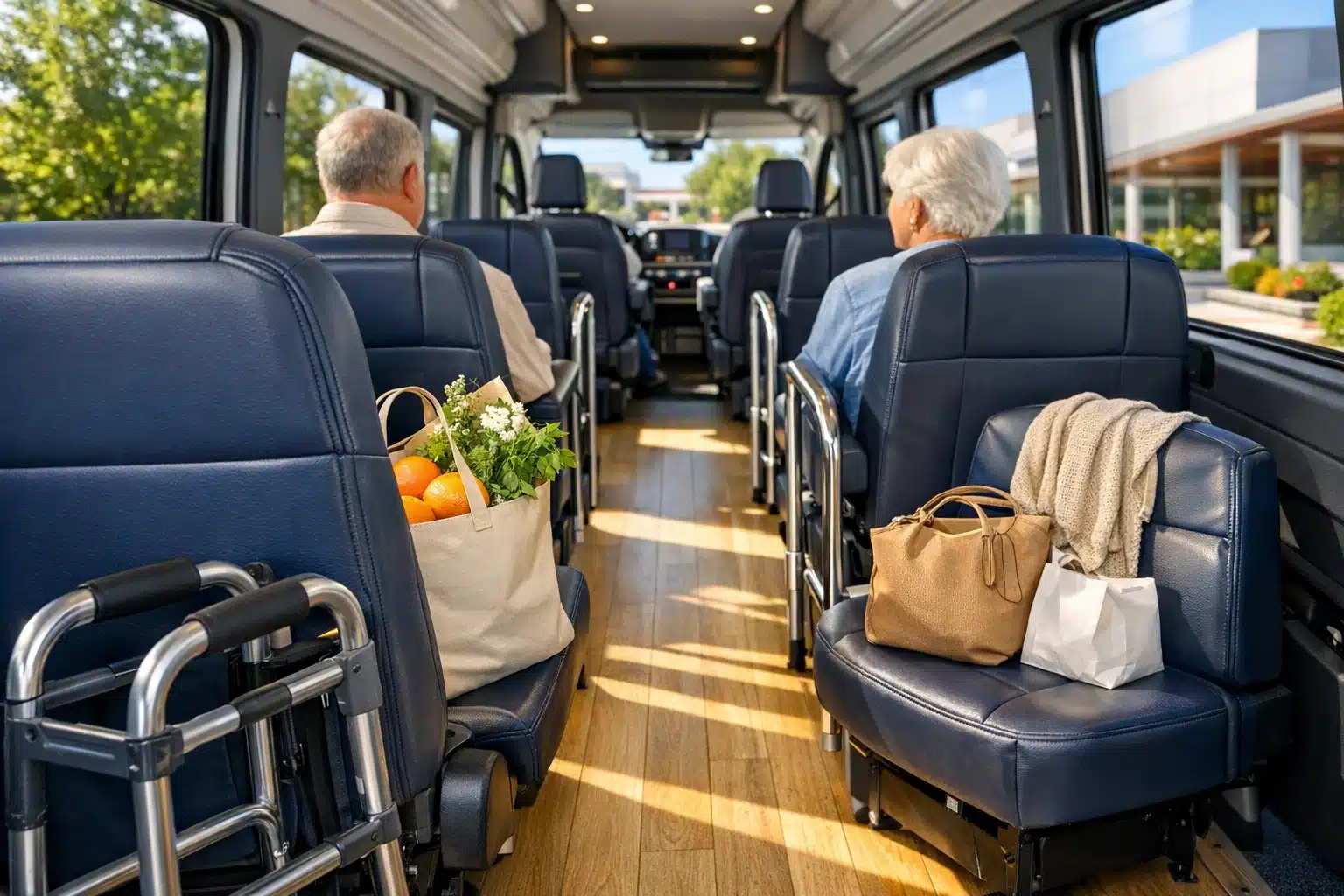
Compared with ordinary ride-hailing or asking a busy relative for a lift, senior-focused services tend to be more predictable and better prepared for mobility needs. Vehicles may include lower steps, grab handles, wheelchair lifts, extra cabin space, and securement systems for mobility devices. Drivers are often trained to assist passengers safely, communicate clearly, and allow enough boarding time without creating pressure. That matters because rushing is a hidden hazard. Falls, confusion, and missed belongings often happen when someone feels hurried.
Reliability is another major safety factor. Older adults often travel for time-sensitive reasons such as dialysis, specialist visits, physical therapy, or prescription pickup. A late ride can trigger more than inconvenience. It can disrupt care plans, increase stress, and create a domino effect for the rest of the day. Senior transport services commonly use advance scheduling, recurring bookings, and dispatch systems designed for regular appointments, making them more dependable for essential travel.
When comparing options, it helps to look at what “safe” really includes:
- Assistance entering and exiting the vehicle
- Drivers familiar with mobility aids and slower boarding times
- Accessible vehicle design
- Punctual arrival for medical and routine appointments
- A service model that reduces confusion and travel stress
Public transportation can be affordable and valuable, but it may involve long walks, transfers, crowded spaces, and fixed schedules that are difficult for someone with limited stamina. Driving independently offers privacy and control, yet it also demands constant attention, parking effort, and confidence in changing traffic conditions. Senior transport sits in a useful middle ground. It preserves movement without asking the rider to manage every variable alone. For many households, that mix of safety and reliability is the difference between worrying about the trip and simply getting on with the day.
Independence, Dignity, and Social Connection
A dependable ride can do something surprisingly powerful: it helps an older adult remain the author of their own week. That may sound poetic, but it is deeply practical. Independence is not only about living alone or handling finances. It is also about deciding when to visit a friend, attend a class, go to a faith service, stop by the library, or pick up a favorite item at the market. When transportation becomes limited, those decisions begin to disappear one by one. The world grows smaller quietly, and often faster than families expect.
Senior transport services help prevent that shrinkage. Instead of waiting for a relative’s day off or hesitating to ask a neighbor for another favor, older adults can maintain regular routines with more confidence. That shift matters emotionally. Repeated dependence on others for every outing can feel discouraging, even in loving families. Many seniors do not want to be a burden, and some begin declining invitations simply to avoid asking for help. A dedicated transportation service creates a healthier alternative: support without guilt.
There is also a strong social benefit. Research in public health consistently connects transportation barriers with loneliness, reduced community participation, and poorer overall well-being. When getting out is hard, people are more likely to stay home, miss social gatherings, and lose the easy contact that keeps spirits lifted. A trip to a senior center, a lunch with former coworkers, or a weekly card game may seem small on paper, but these activities protect identity and routine. They remind people that life is still active, relational, and worth showing up for.
Compared with general transit systems, senior transport services usually feel more personal and less intimidating. Familiar drivers, repeated routes, and assistance at the destination can make travel feel manageable instead of exhausting. That familiarity builds trust over time. Trust, in turn, encourages more consistent use, and consistent use keeps older adults connected to the communities that give their lives texture.
The dignity factor is easy to underestimate. To choose one’s own schedule, arrive without distress, and move through the day without apologizing for needing help is not a luxury. It is a meaningful part of aging well. In that sense, transportation is not only about reaching places. It is about preserving personhood in motion.
Convenience for Healthcare, Errands, and Family Scheduling
Convenience may sound like a softer benefit than safety, but in real life it is often what makes good intentions possible. An older adult may have every desire to attend appointments, buy fresh groceries, refill medications, and stay socially engaged. The obstacle is not motivation. It is logistics. Senior transport services turn scattered, stressful planning into a more usable routine, especially when trips happen every week rather than once in a while.
Healthcare is the clearest example. Many older adults need regular transportation for primary care visits, specialist appointments, imaging, therapy, lab work, and pharmacy runs. Missed or delayed appointments can affect monitoring, treatment plans, and recovery. Transportation barriers are a well-known reason some people postpone care. A service that offers advance booking, repeat scheduling, and arrival windows designed around appointment times helps remove that barrier. Some providers also offer wait-and-return arrangements, which can be especially helpful for short visits or lab tests.
Errands matter too, even if they sound less urgent than medicine. Buying groceries, reaching the bank, attending the hair salon, or visiting a community center all support normal life. Fresh food is easier to choose in person than through a rushed substitute order. Prescription pickup is simpler when someone can travel directly rather than coordinating around multiple family schedules. These ordinary tasks are the threads of autonomy. When transportation is dependable, they stop feeling like complicated projects.
Families and caregivers benefit in equally tangible ways. Adult children often juggle work, childcare, and their own appointments while also trying to help a parent stay mobile. Without a dedicated service, transportation can become a puzzle solved one emergency at a time. That arrangement may work temporarily, but it is hard to sustain. Senior transport offers structure. Instead of scrambling to rearrange a meeting, leave work early, or ask another sibling to step in, families can plan around known ride times.
- Fewer last-minute cancellations and scheduling conflicts
- Less caregiver stress tied to repeated driving duties
- Better consistency for recurring medical or social outings
- More breathing room in the household’s weekly routine
Compared with relying solely on family or generic rides, senior transport services are designed for repetition, not improvisation. And that is the real convenience: not speed alone, but steady access to everyday life without turning each trip into a production.
Conclusion: Choosing the Right Service for Older Adults and Families
For older adults and the people who care about them, the value of senior transport services becomes clear when daily life is viewed as a whole. A good service supports medical care, yes, but it also protects smaller routines that matter just as much: visiting friends, buying familiar groceries, attending community events, keeping appointments without stress, and moving through the week with more confidence. Safety, independence, and convenience are not separate benefits. They reinforce one another. When transportation works well, everything around it tends to work better too.
Choosing the right service means looking beyond price alone. Cost is important, but fit matters more. A less expensive option that arrives late, offers no assistance, or cannot accommodate a walker may create more problems than it solves. Families should think about the rider’s mobility, cognitive comfort, scheduling needs, and preferred level of support. Someone who is active and steady may do well with a simple shuttle. Someone with balance issues or frequent medical visits may need a more tailored door-to-door or door-through-door service.
When comparing providers, a practical checklist helps:
- Is the service punctual and easy to schedule?
- Are drivers trained to assist older adults respectfully?
- Can the vehicle handle canes, walkers, or wheelchairs?
- Are recurring trips available for regular appointments?
- Is communication clear for both the rider and the family?
- Does the overall experience reduce stress rather than add to it?
The best senior transport service is not necessarily the flashiest one. It is the one that fits real life with quiet consistency. It shows up, gives people enough time, and turns travel from a source of worry into a manageable part of the day. For seniors, that can mean more freedom without greater risk. For families, it can mean support without constant scrambling. In the end, a reliable ride is more than transportation. It is a practical lifeline that helps older adults remain connected to health, community, and the rhythms that make life feel fully lived.